
Still Life with Pots — History & Facts
Few paintings have sparked such quiet debate as Still Life with Pots by Francisco de Zurbarán, completed in 1650. For centuries, viewers and scholars alike have puzzled over the exact purpose of this arrangement: was it a devotional image, a study in form, or perhaps a meditation on the humble objects of daily life? The painting is sometimes cited as a rare example of a Spanish still life that rivals the Dutch in its austerity and focus, yet its intended meaning remains elusive. What is certain is that Zurbarán’s still lifes were unusual in 17th-century Spain, where religious subjects dominated the art scene. On the canvas, a handful of simple clay pots, jugs, and a pewter plate are arranged with almost monastic care against a dark, undefined background.
The light falls gently across their surfaces, revealing every dent and imperfection, and casting soft shadows that anchor the objects in space. There is no fruit, no flowers, no abundance—just these vessels, each isolated yet together, inviting the viewer to contemplate their silent presence. Unlike the lush, overflowing tables of Juan van der Hamen or the theatricality of Dutch still lifes, Zurbarán’s approach is pared down, almost ascetic.
Some have read this restraint as a visual echo of the Counter-Reformation spirit, where simplicity and humility were virtues. The early history of Still Life with Pots is not well documented; no patron or original location is known, and the painting’s medium is still debated. What is clear is that works like this marked a turning point in Zurbarán’s career, as he moved from grand religious commissions to more intimate, contemplative subjects. Today, the painting stands as a testament to the artist’s ability to find dignity and meaning in the everyday.
It is held in a private collection, and its rare public appearances continue to inspire both admiration and curiosity about the quiet power of the still life in Spanish Baroque art.
More Artworks by Francisco de Zurbarán
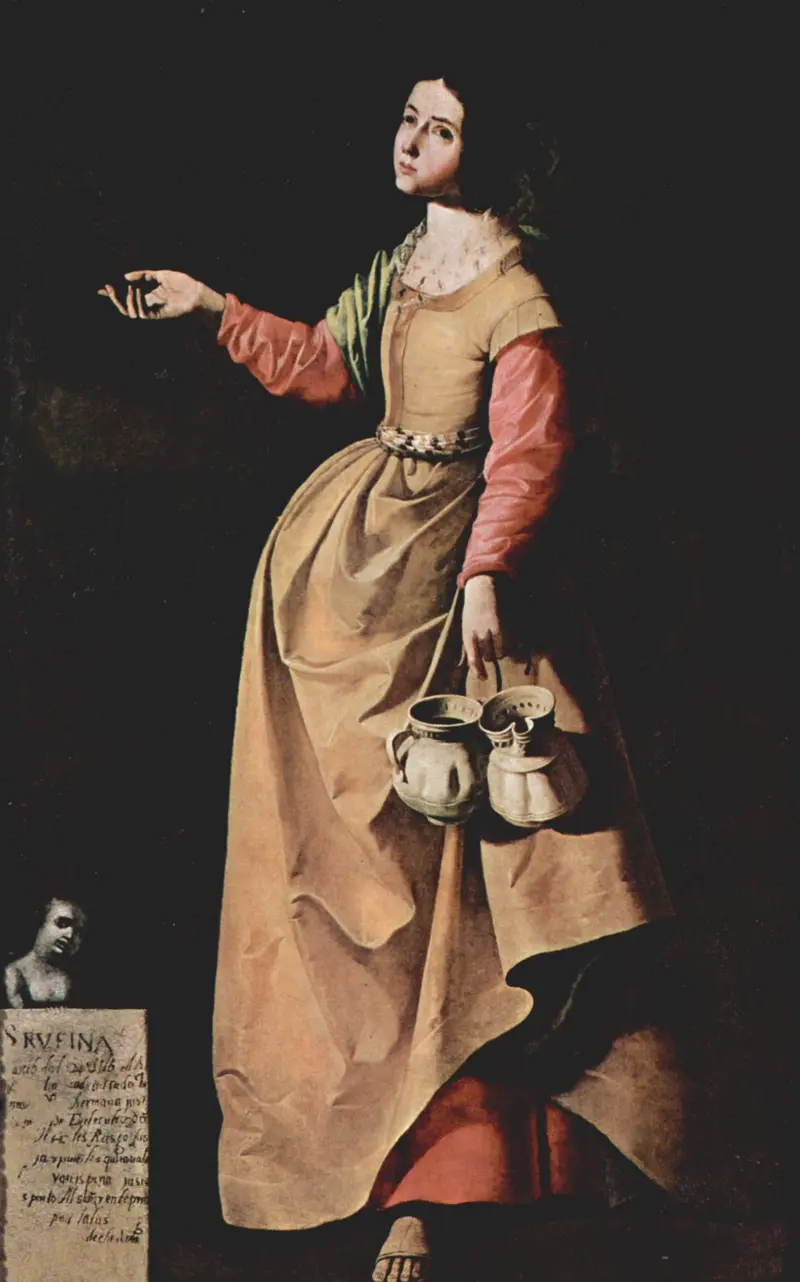
Saint Rufina
Francisco de Zurbarán
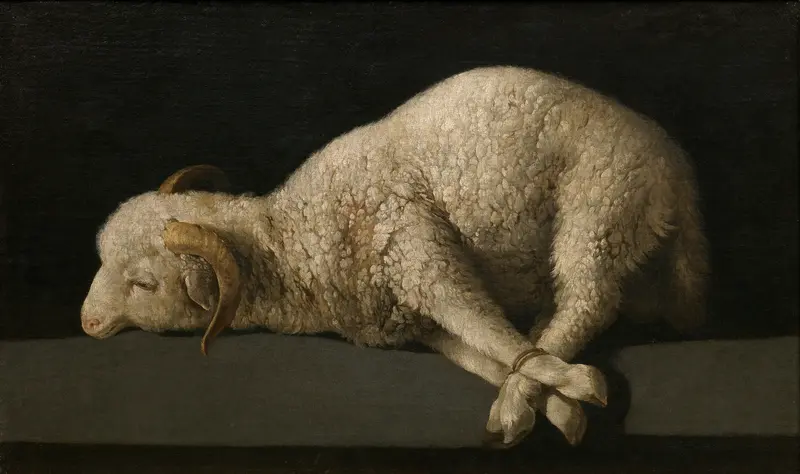
Agnus Dei
Francisco de Zurbarán
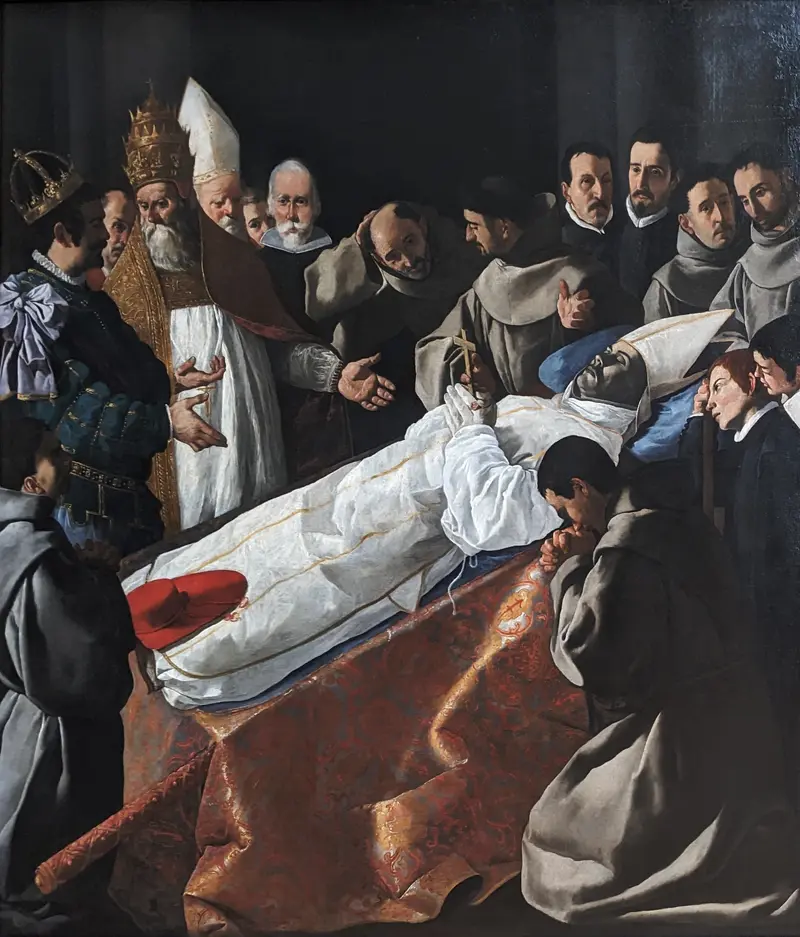
Saint Bonaventure's Body Lying in State
Francisco de Zurbarán
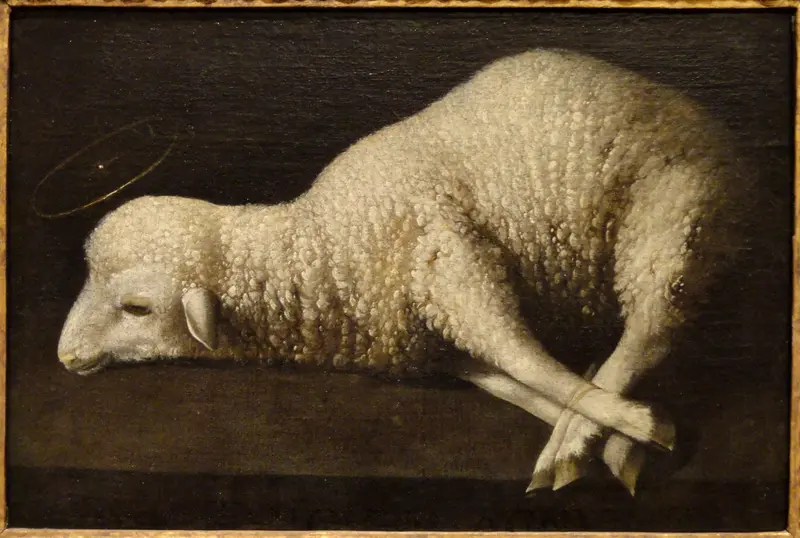
The Lamb of God
Francisco de Zurbarán

Adoration of the Magi
Francisco de Zurbarán
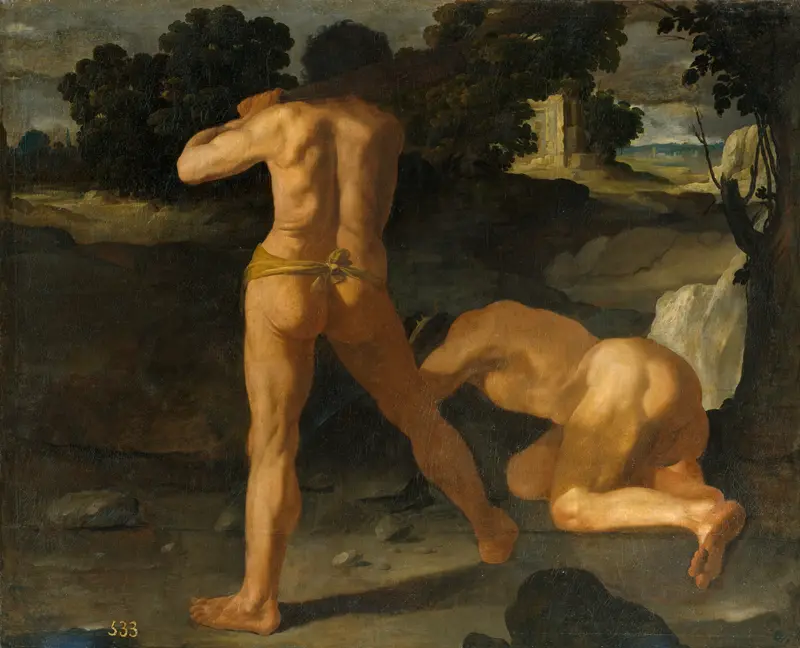
Hercules defeats King Geryon
Francisco de Zurbarán
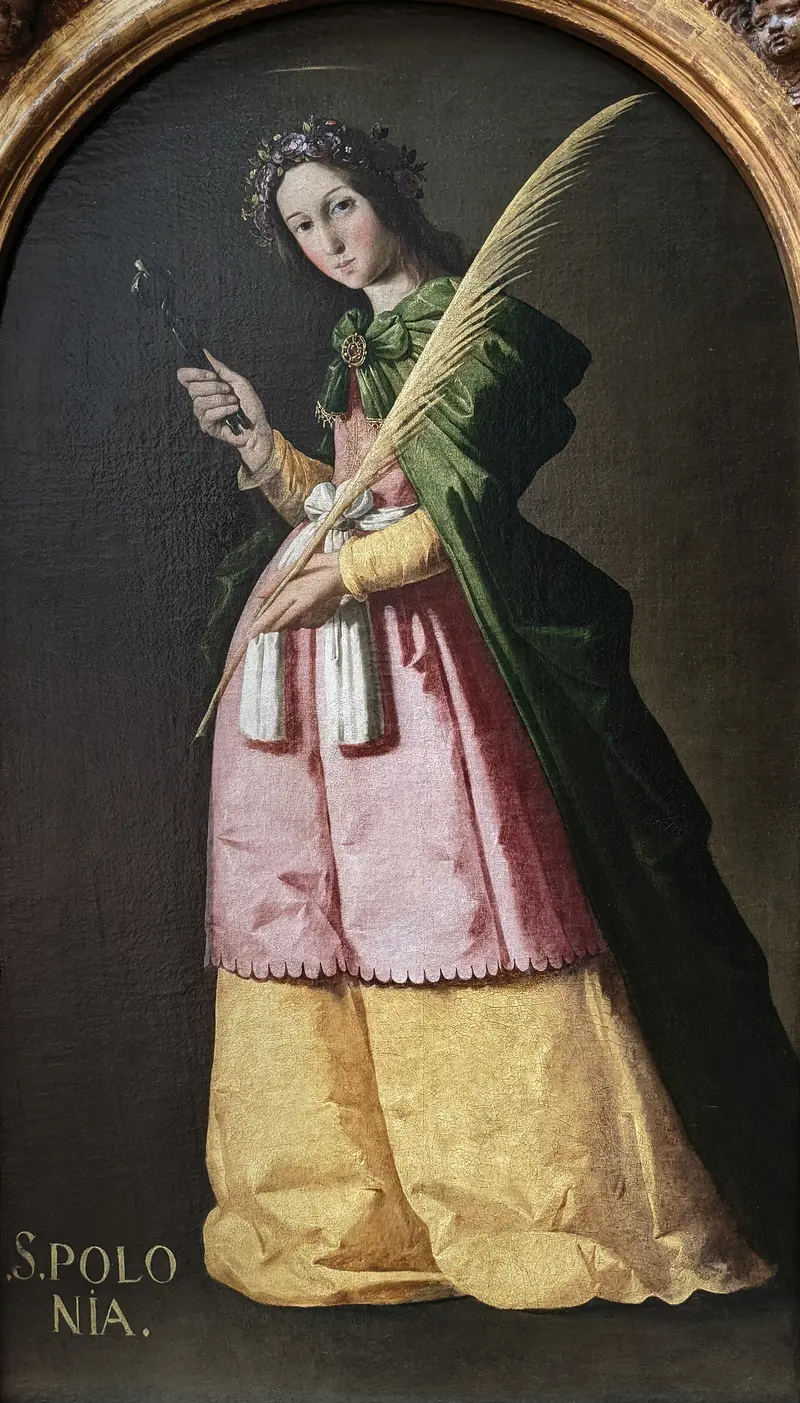
Saint Apollonia
Francisco de Zurbarán
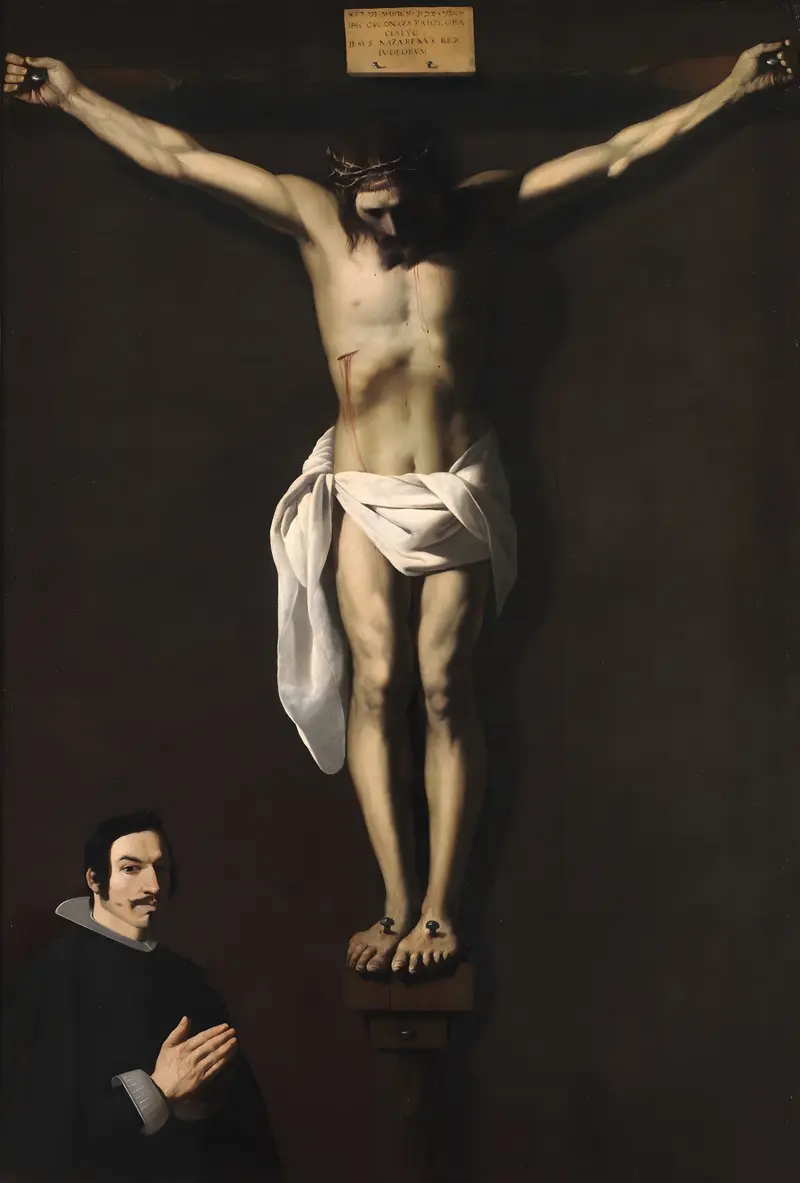
The Crucified Christ with a Donor
Francisco de Zurbarán
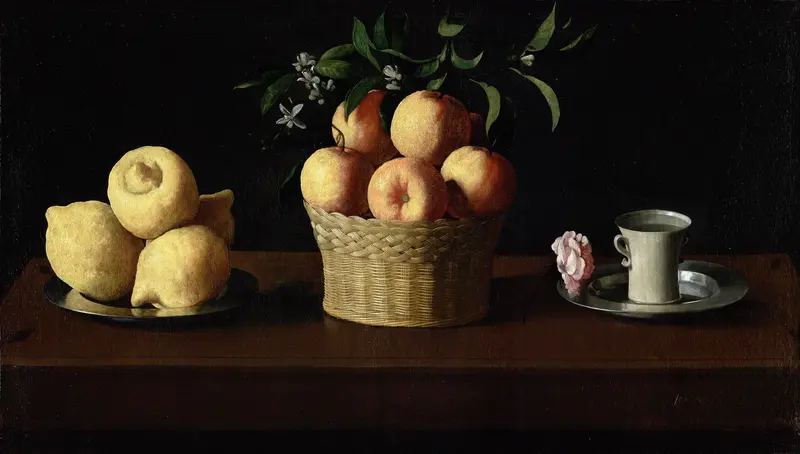
Still Life with Lemons, Oranges and a Rose
Francisco de Zurbarán
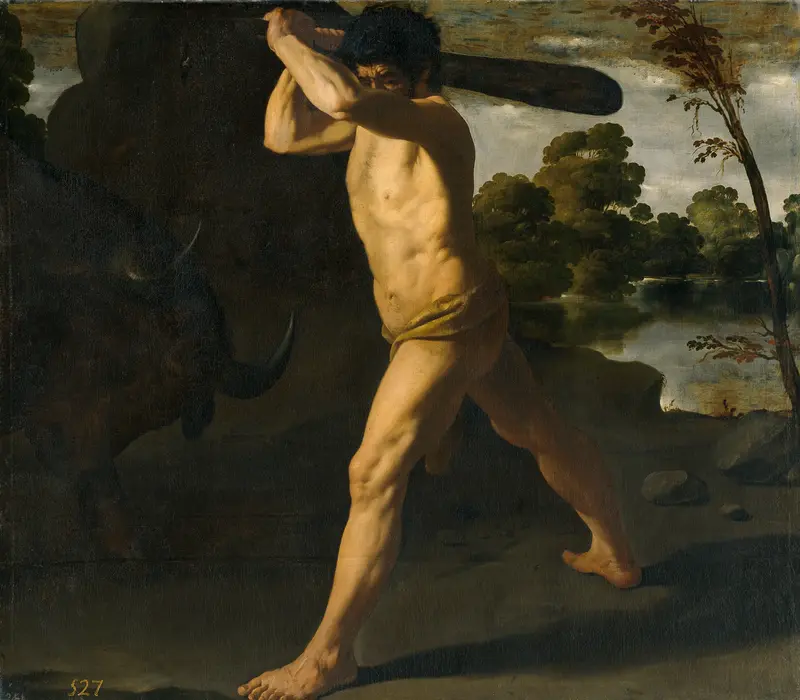
Hercules and the Cretan Bull
Francisco de Zurbarán





