Still Life with Roses — History & Facts
What secret hides in the quiet of the canvas? A still life whispers stories of beauty and transience, inviting deep reflection on life's fleeting moments. Look to the left at the lush bouquet of roses, their petals unfurling in soft, yet vibrant pinks and whites. Notice how the gentle brush strokes bring each flower to life, as if they could sway with an unseen breeze. The play of light dances across the blooms, casting delicate shadows that hint at a warmth emanating from an unseen source.
The muted background serves to elevate the roses, drawing your gaze into their intricate details, while the subtle interplay of color creates a harmonious balance that is both soothing and invigorating. Delve deeper and you’ll find contrasts that hint at more than mere beauty. The lushness of the roses stands against the stark simplicity of the table surface, evoking a tension between life’s vibrancy and the inevitability of decay. Each petal, while bursting with color, also carries the weight of impermanence, a poignant reminder that beauty is often fleeting.
This duality invites contemplation on the nature of existence itself — to appreciate the present while acknowledging its transitory essence. Renoir painted this work around 1866 during his early career in Paris, a period marked by the burgeoning Impressionist movement. As he explored new techniques and expressions, he sought to capture the vibrancy of life and the transient effects of light. Amidst a rapidly changing society, this painting reflects his desire to transcend mere representation, aiming instead to evoke an emotional connection to the ephemeral beauty of everyday moments.
More Artworks by Pierre-Auguste Renoir
Browse all →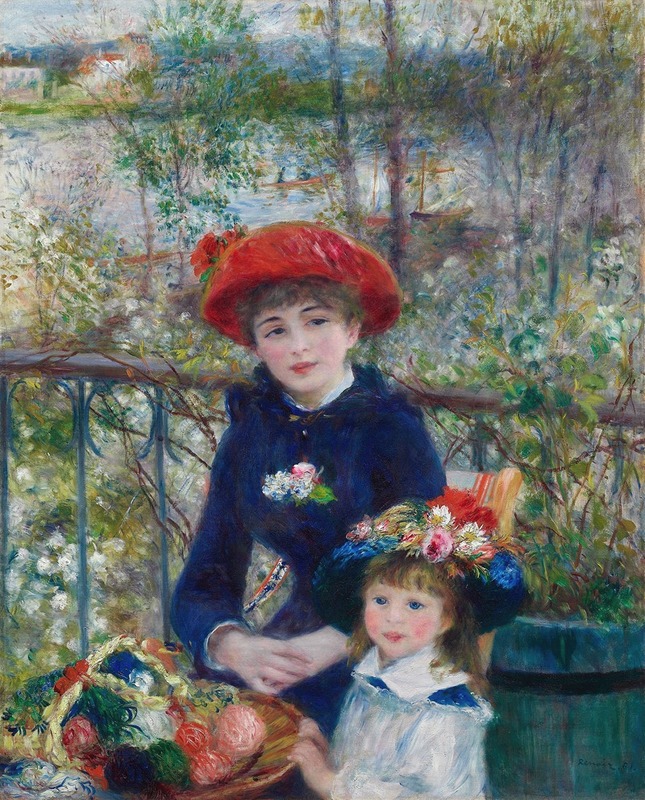
Two Sisters (On the Terrace)
Pierre-Auguste Renoir
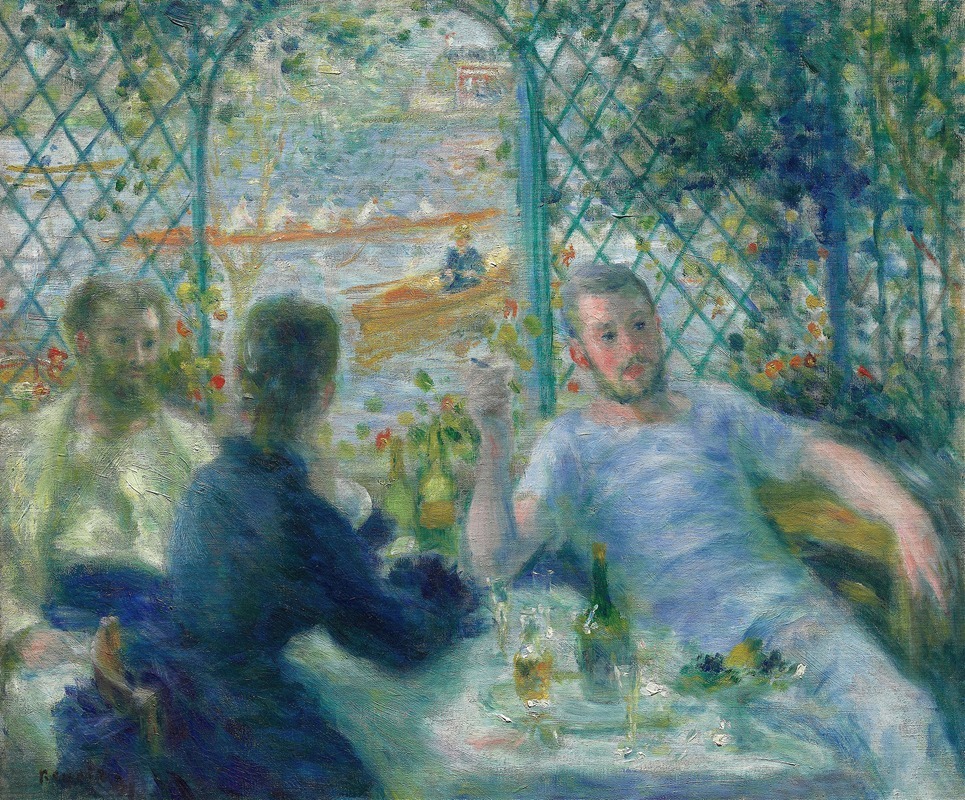
Lunch at the Restaurant Fournaise (The Rowers' Lunch)
Pierre-Auguste Renoir
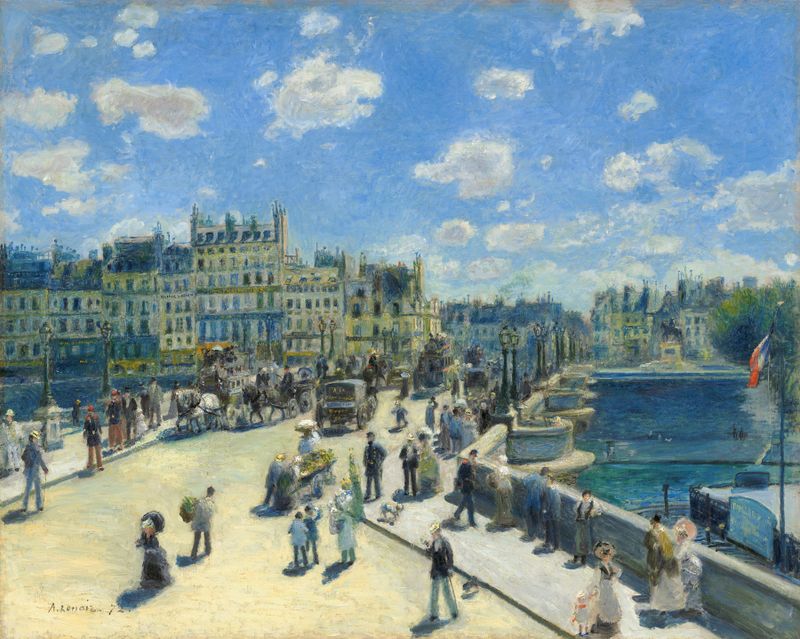
Pont Neuf, Paris
Pierre-Auguste Renoir
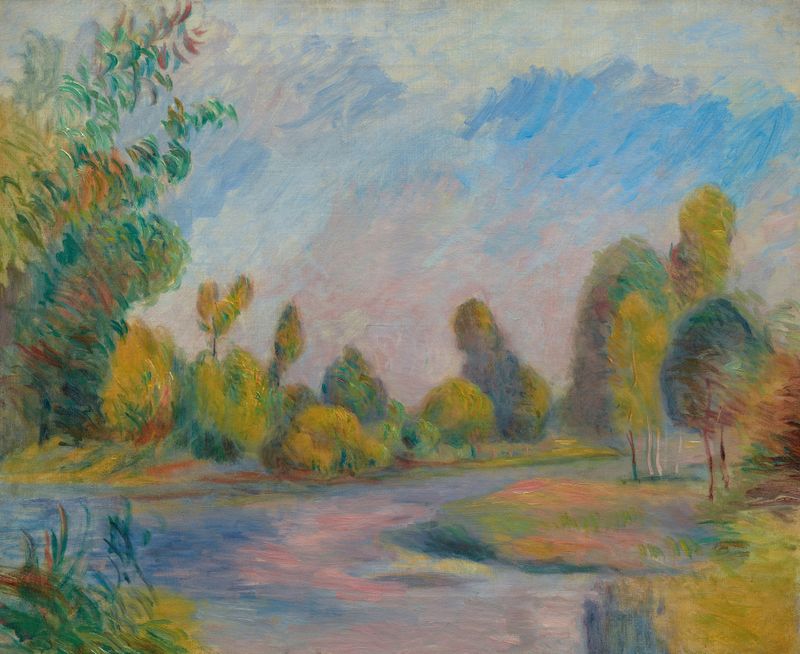
Au bord de la rivière
Pierre-Auguste Renoir

Near the Lake
Pierre-Auguste Renoir
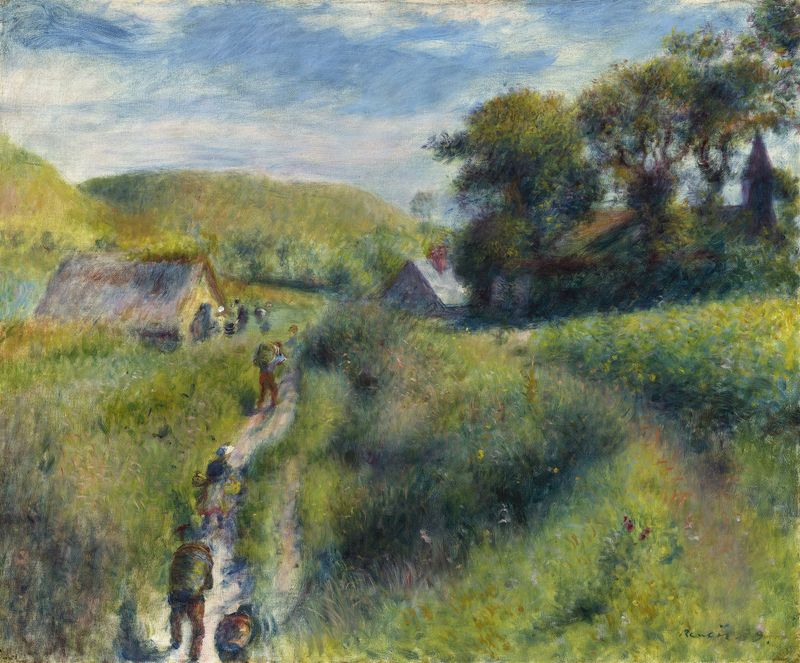
The Mussel Harvest
Pierre-Auguste Renoir

The Seine at Chatou
Pierre-Auguste Renoir
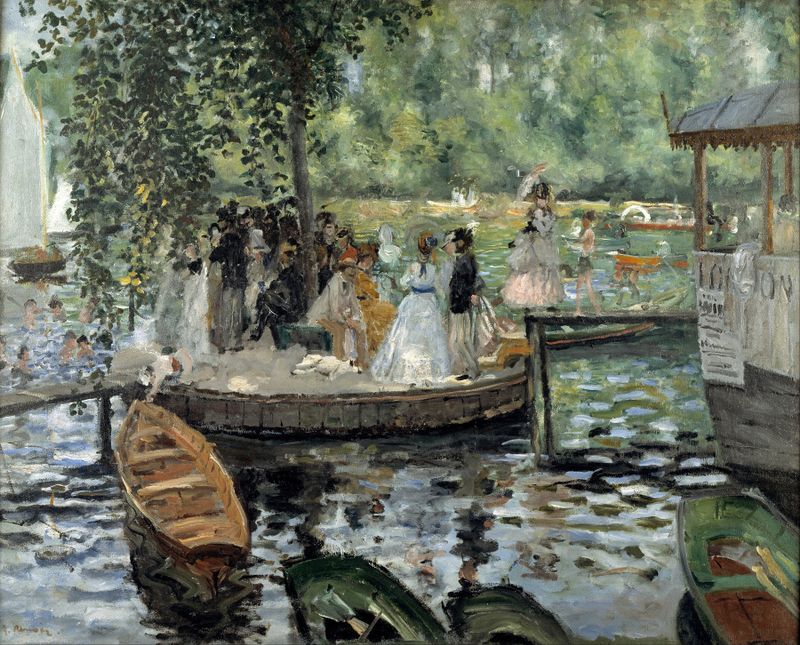
La Grenouillère
Pierre-Auguste Renoir
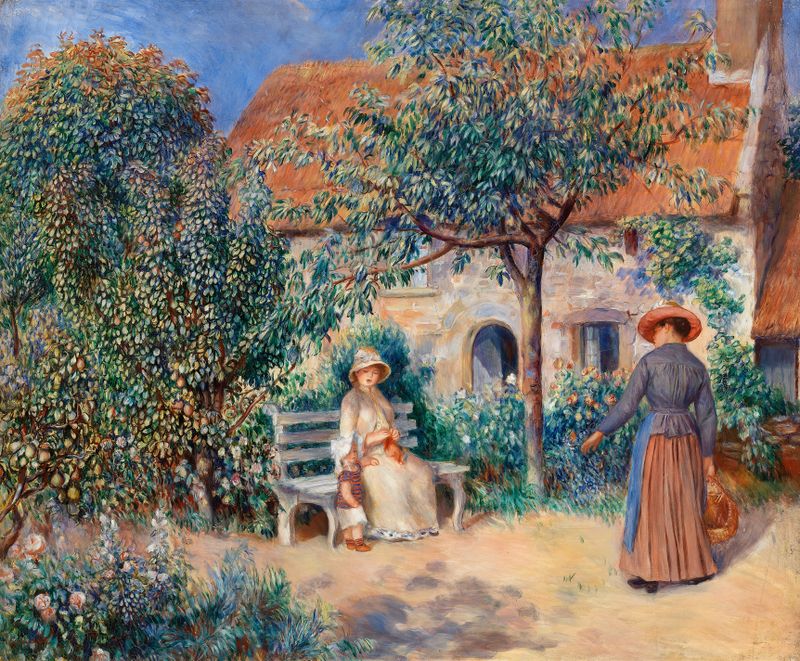
In Brittany (En Bretagne)
Pierre-Auguste Renoir
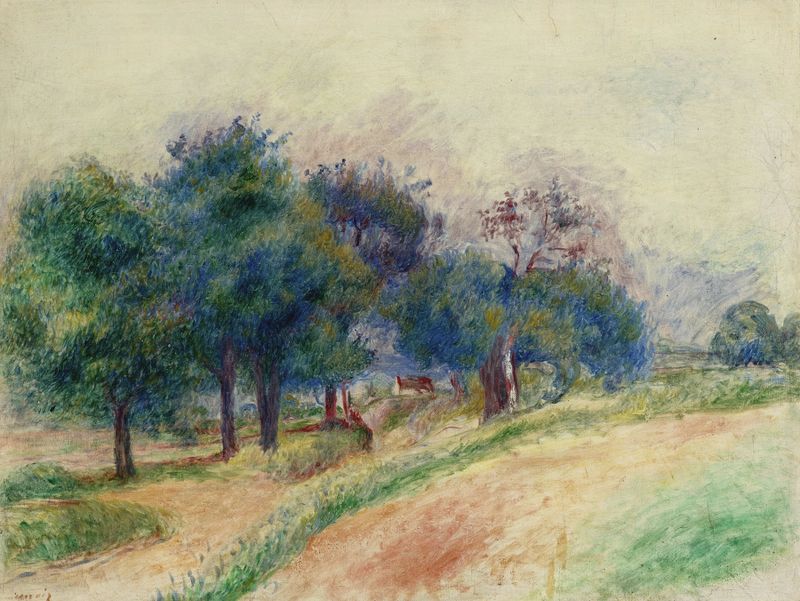
Paysage d’Essoyes
Pierre-Auguste Renoir