
Stilleven met perziken DM 010 936 Dordrechts Museum — History & Facts
A bowl brimming with peaches commands the foreground, their soft blushes and rounded forms almost glowing against the dark, cool background. The eye is drawn first to their fullness, then led outward by the scattered grapes, the glinting shell, and the delicate wings of butterflies that hover above and beside the fruit. Each detail is chosen for its texture and play of light: the velvety skin of the peaches, the glassy translucence of grapes, the fragile, papery wings suspended in air.
The painter’s hand lingers over surfaces, savoring the contrast between ripe abundance and the fleeting presence of insects—life poised between plenty and transience. The composition’s quiet drama lies in this balance, the way the shadows cradle the fruit and guide the gaze from the heavy bowl to the lighter, scattered objects on the right. Painted between 1670 and 1722, this still life by Abraham Van Calraet belongs to a world where such images were more than decoration—they were meditations on wealth, nature, and the passage of time. In the Dutch Republic, prosperous citizens commissioned still lifes to celebrate both the fruits of trade and the skills of painters who could conjure luxury from pigment and oil.
The genre flourished in this era, each artist bringing their own sensibility to the arrangement of fruit, shell, and insect. Now in the Dordrechts Museum, this work stands as a quiet witness to that age of curiosity and display, inviting modern viewers to linger over its details and consider what endures in the play of light on a peach.
More Artworks by Abraham Van Calraet
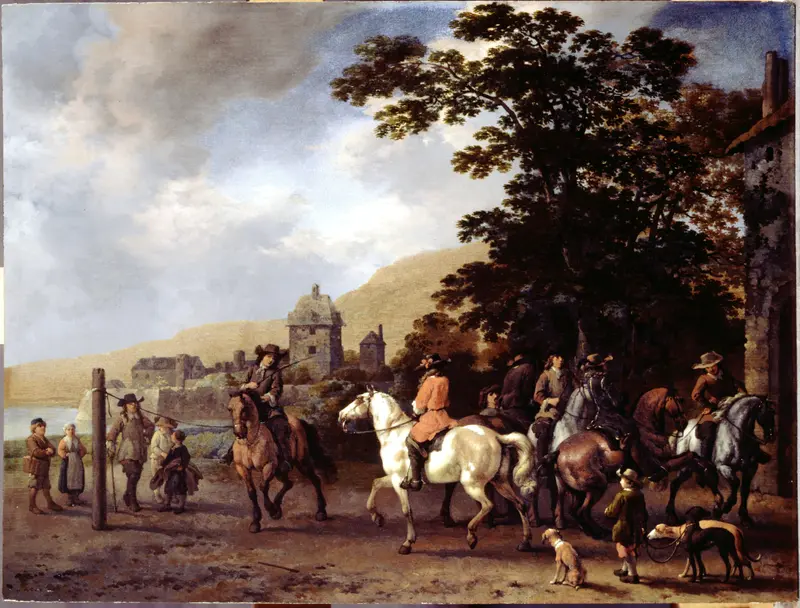
A Riding School in the Open Air
Abraham Van Calraet
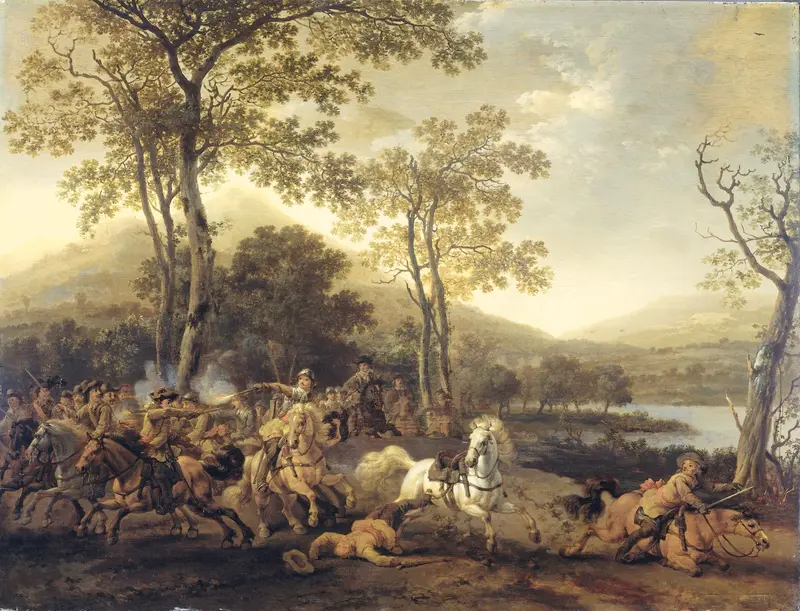
Cavalry Skirmish
Abraham Van Calraet
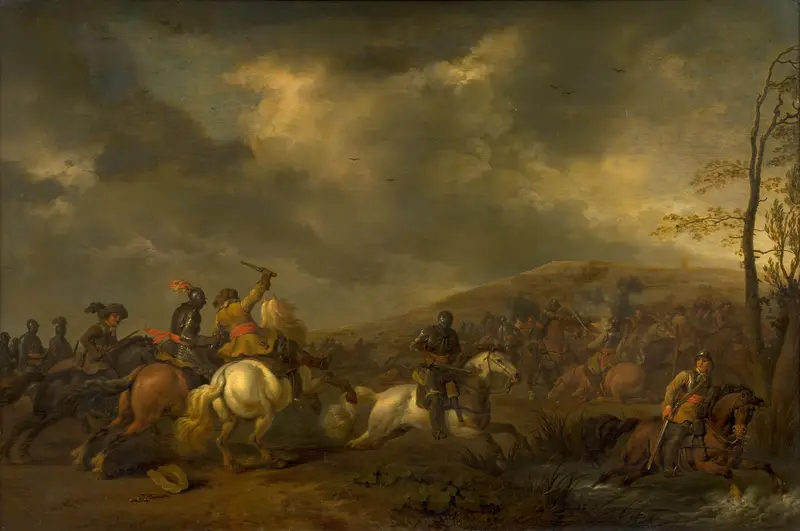
Choc de cavalerie
Abraham Van Calraet
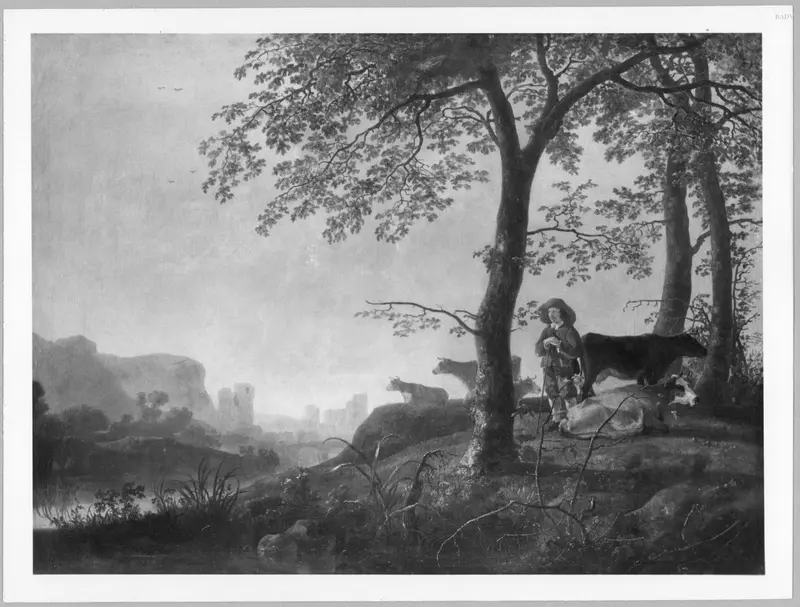
Herder and Cattle under Trees
Abraham Van Calraet
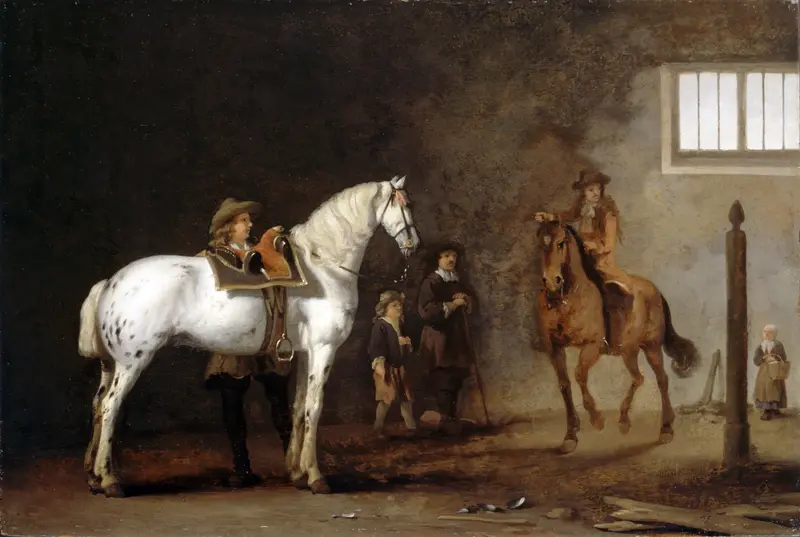
White Horse in a Riding School
Abraham Van Calraet
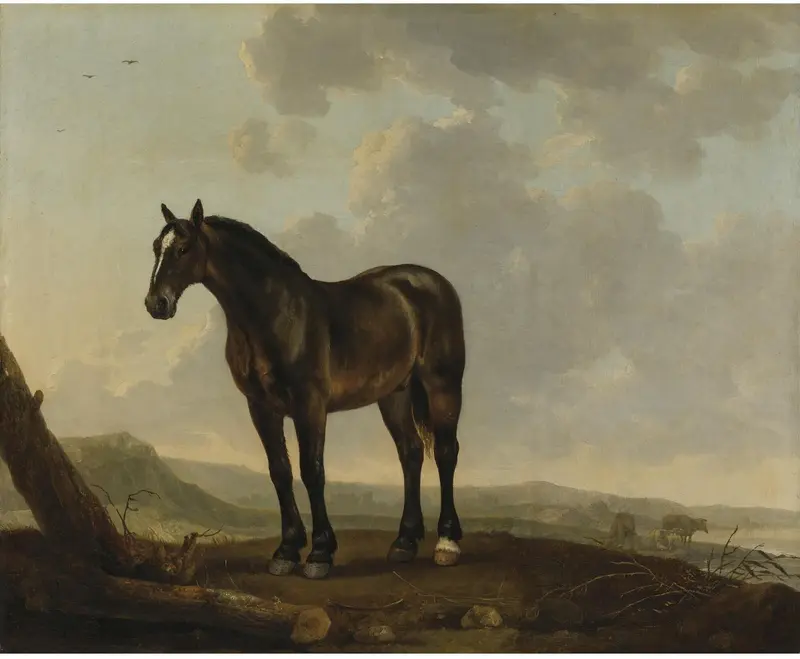
Landscape with a brown horse
Abraham Van Calraet
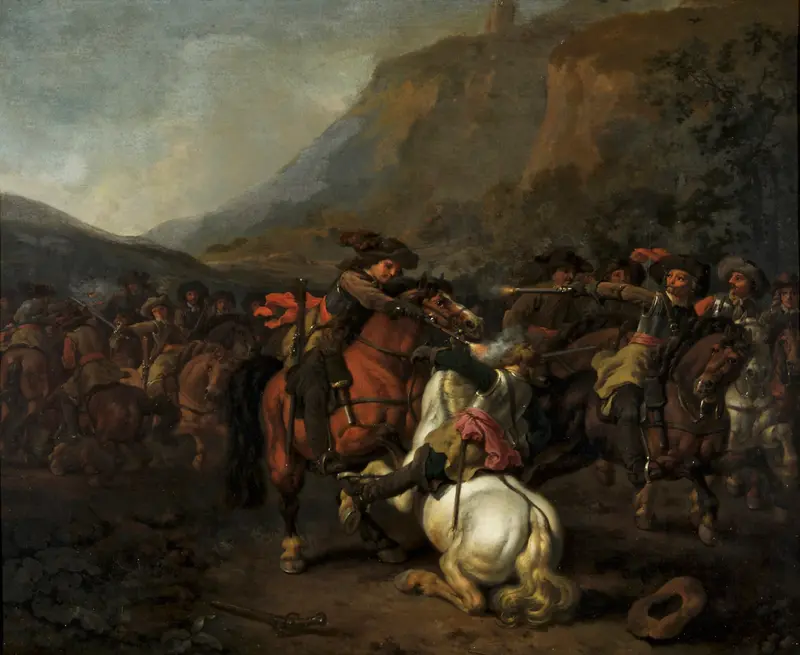
Ruitergevecht DM 016 1163 Dordrechts Museum
Abraham Van Calraet
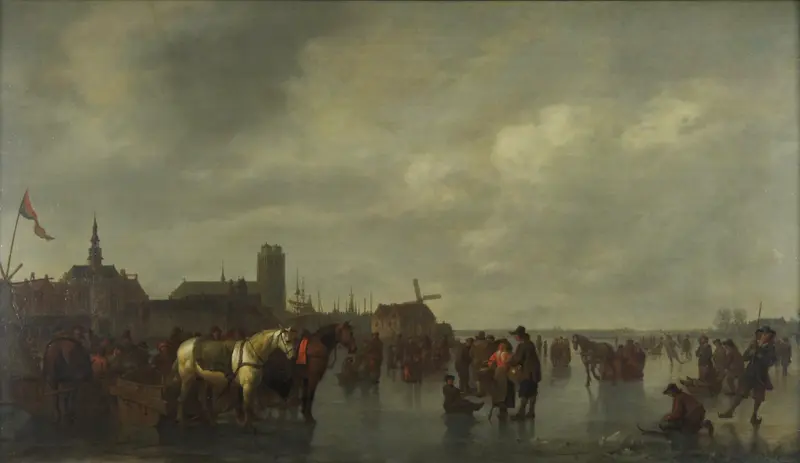
Scene on the Ice outside Dordrecht
Abraham Van Calraet
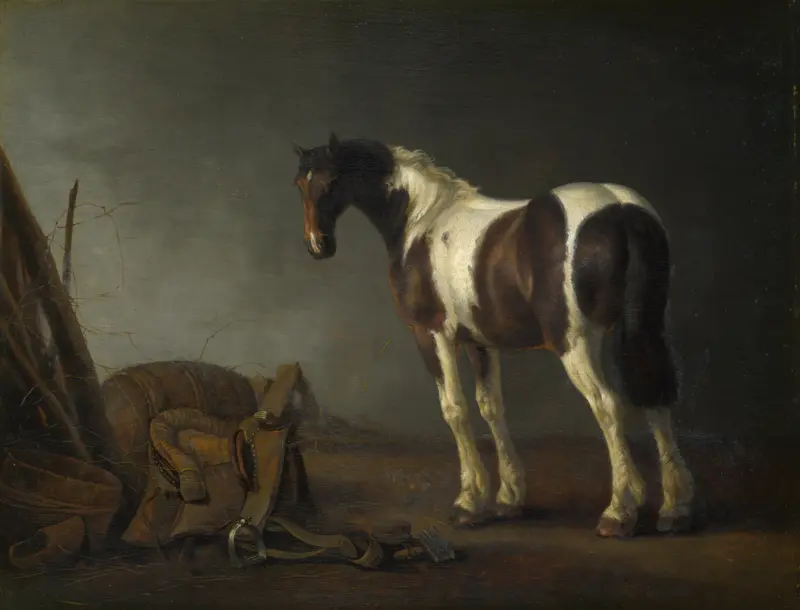
A Horse with a Saddle Beside it
Abraham Van Calraet
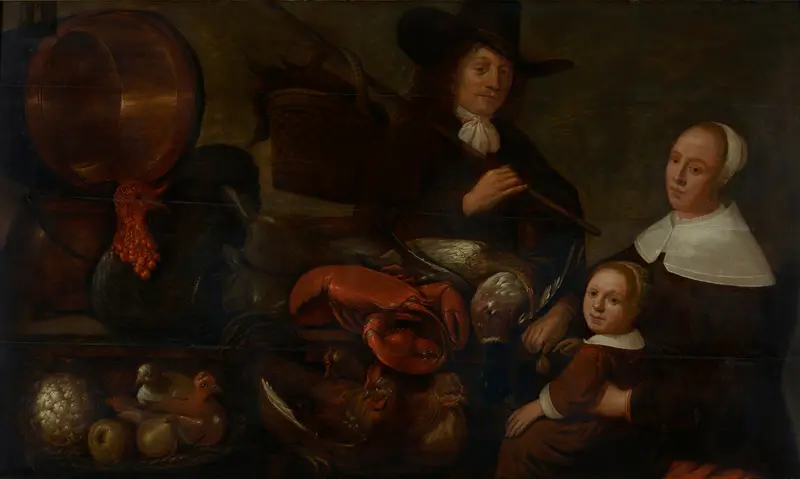
Portrait of a family
Abraham Van Calraet





