
Storm in the Skerries. "The Flying Dutchman" — History & Facts
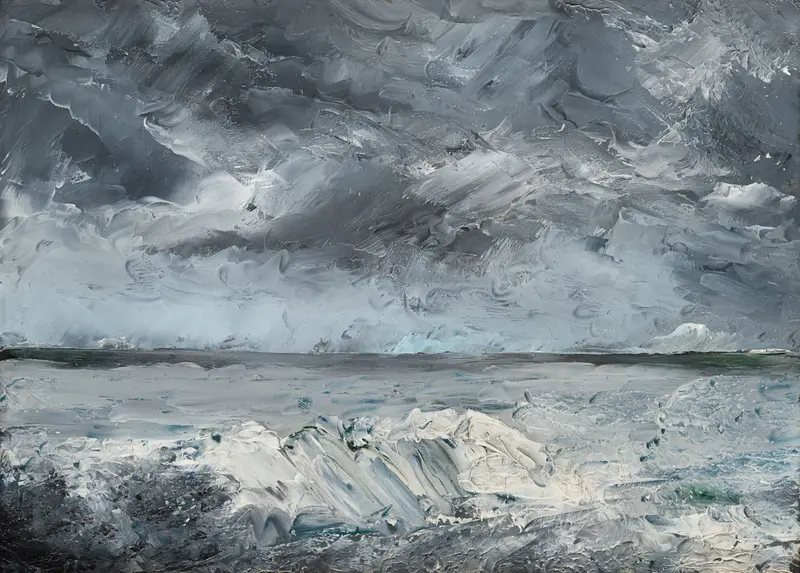
What first seizes the eye in Storm in the Skerries. The Flying Dutchman by August Strindberg is not a ship, nor a figure, but the very force of the elements themselves. The painting is a tempest of thick, swirling paint, where the sea and sky seem to merge in a single, restless mass.
The horizon is barely a suggestion, and the waves—rendered in urgent strokes of green, blue, and black—heave and tumble with a life of their own. There is no reassuring vessel, only the ghostly hint of movement amid the chaos, as if the legendary Flying Dutchman is present not as a form, but as a haunting absence. The light, pale and cold, struggles through the storm clouds, drawing the viewer’s gaze to the center, where the turmoil is at its most intense. Created in 1892, this work belongs to a moment when artists across Europe were breaking with tradition, using paint not just to record the world but to capture sensation and inner experience.
Strindberg, better known as a playwright, was part of this restless search for new forms of expression—his seascapes are less about navigation or commerce than about the overwhelming power of nature and the mind. In the late nineteenth century, such paintings were rarely commissions; instead, they were personal experiments, often made for the artist’s own circle or for exhibition in progressive salons. History has kept few traces of the journey of this particular painting, now preserved in a digital collection, but the energy of its brushwork invites us to look again and feel the storm for ourselves.
More Artworks by August Strindberg
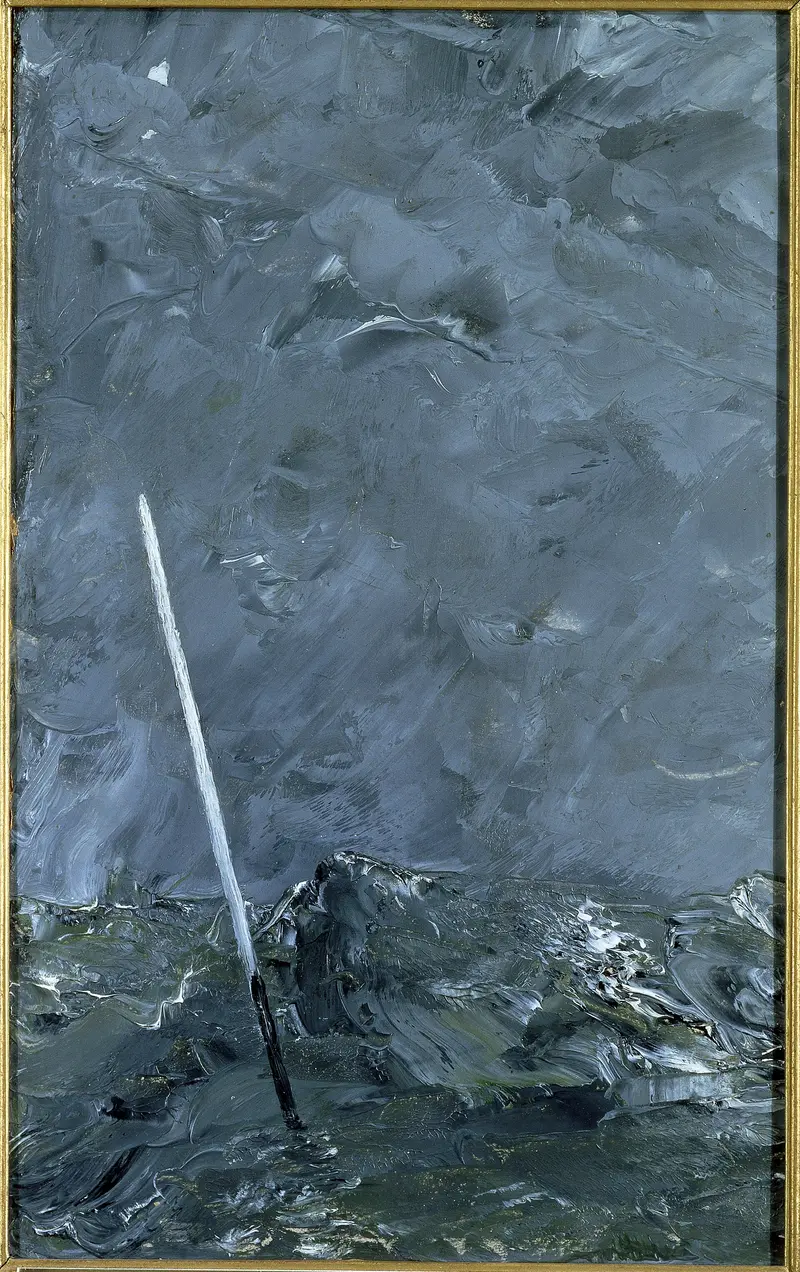
Stormy Sea. Buoy without Top Mark
August Strindberg
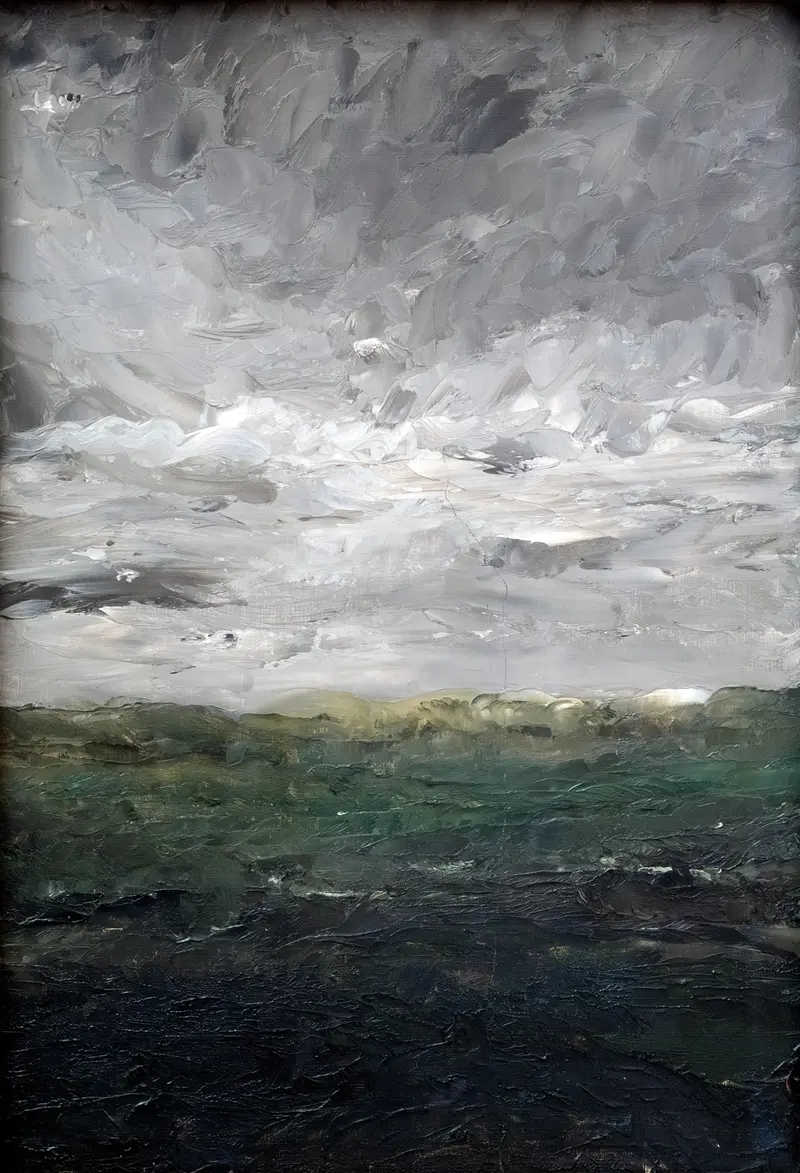
Landscape Study The Heath
August Strindberg
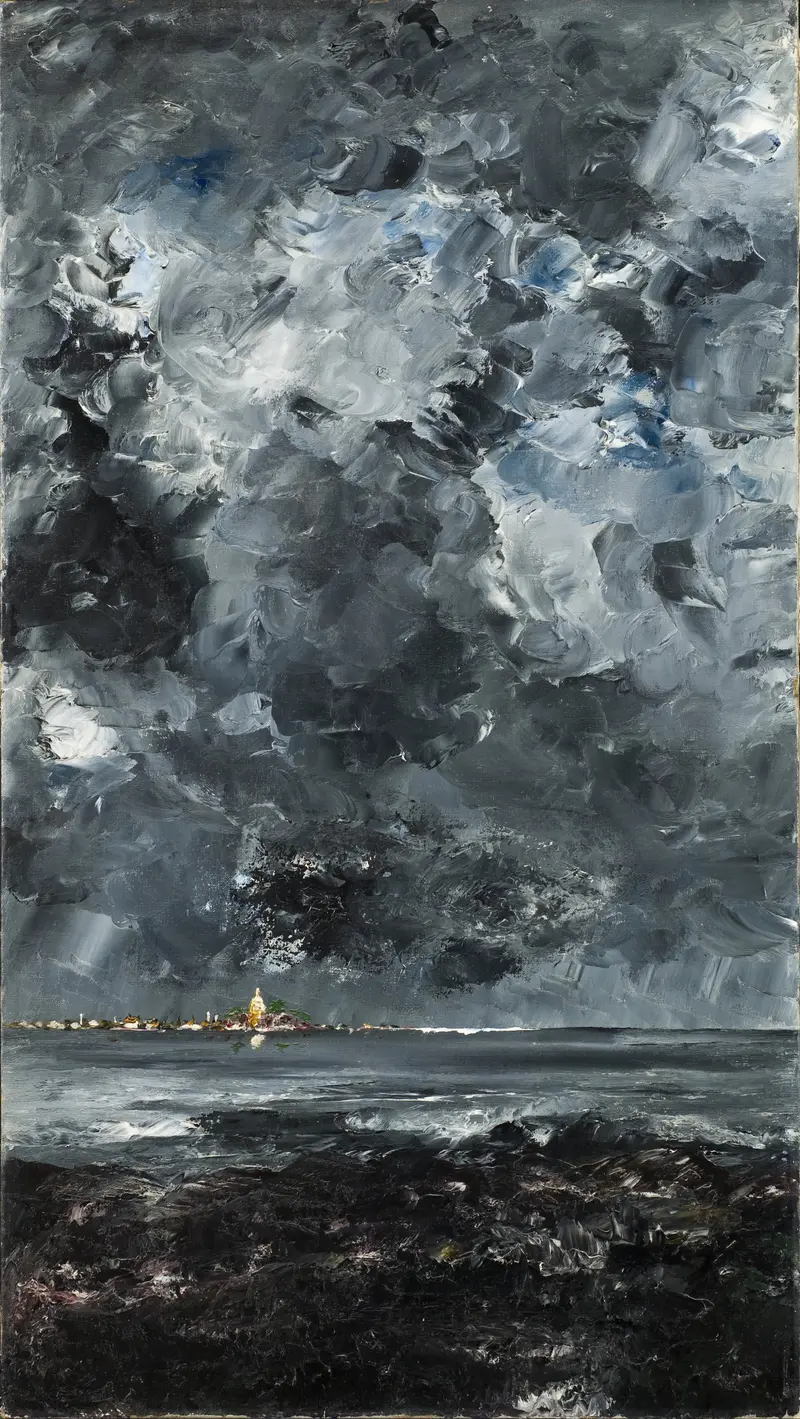
The Town
August Strindberg
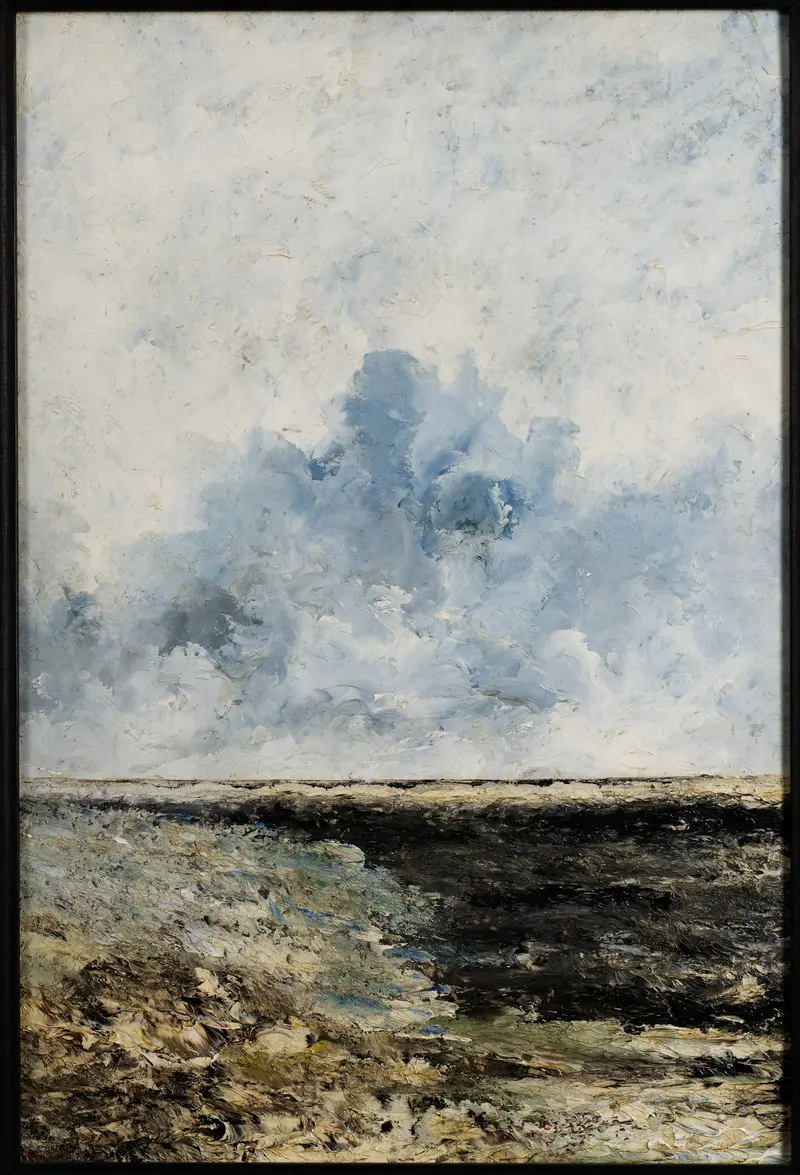
Seascape
August Strindberg

Coastal Landscape
August Strindberg
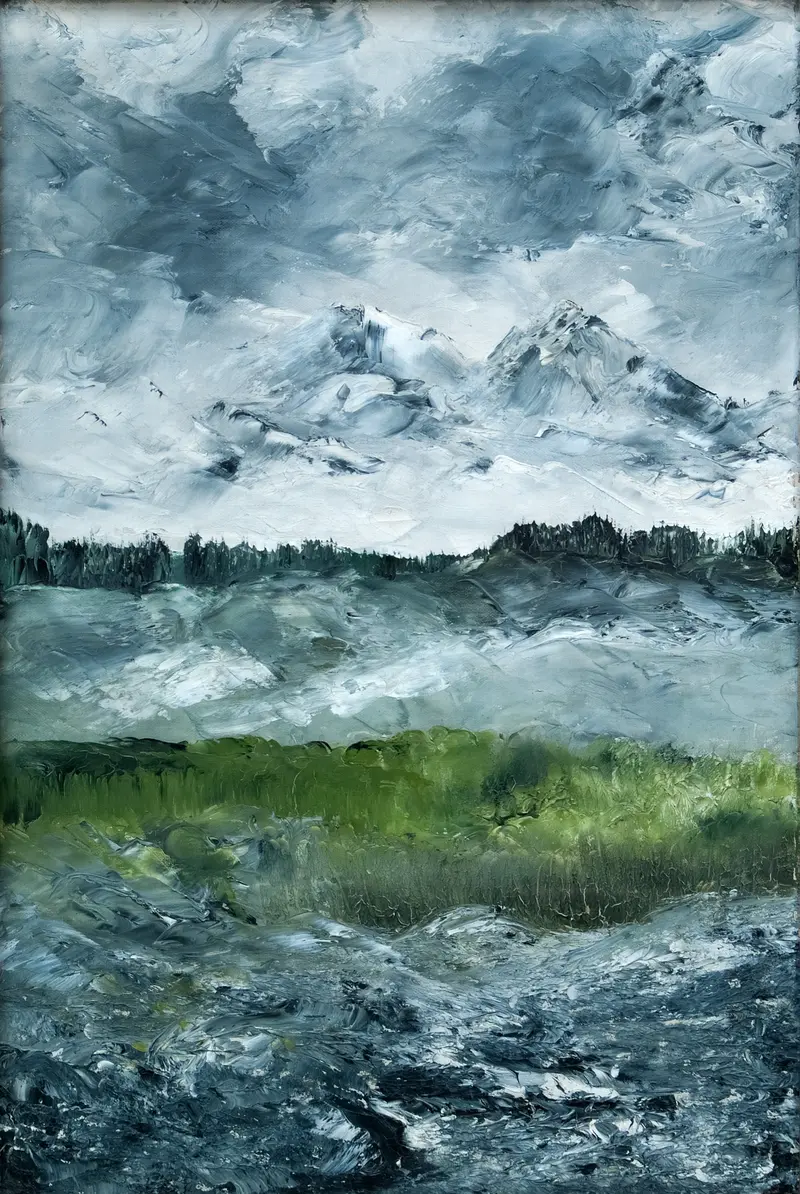
Landscape Study
August Strindberg
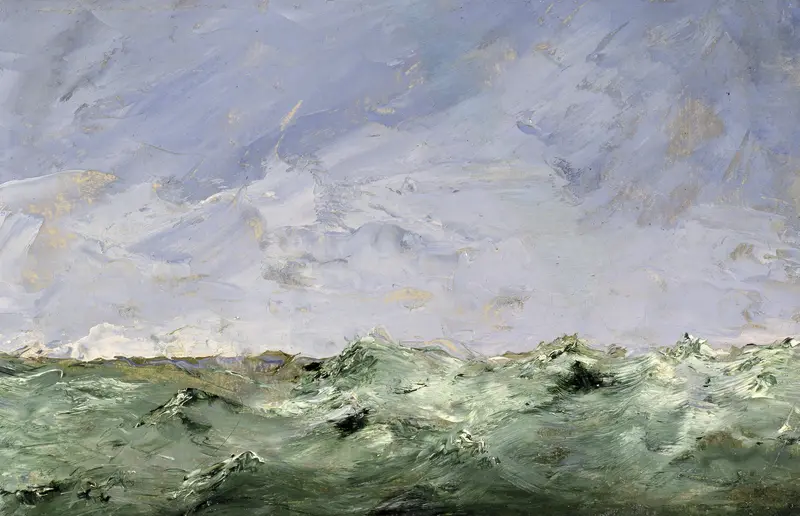
Little Water. Dalarö
August Strindberg
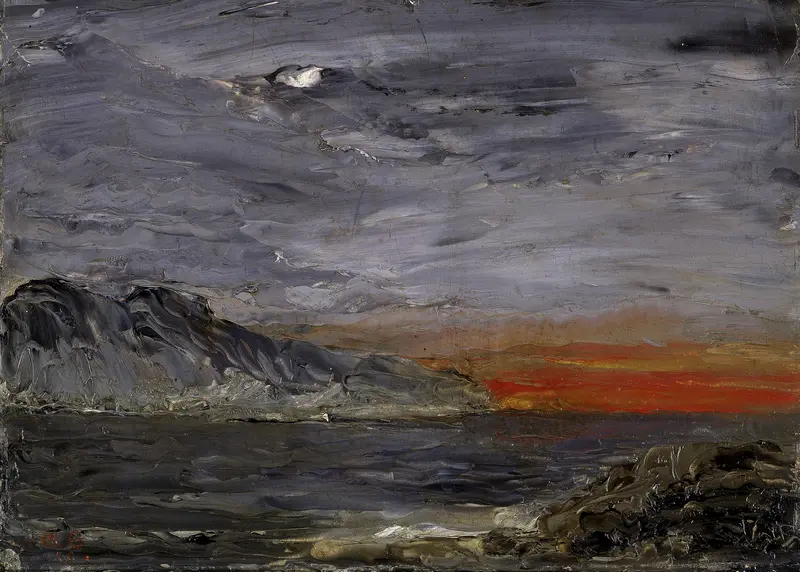
Sunset
August Strindberg
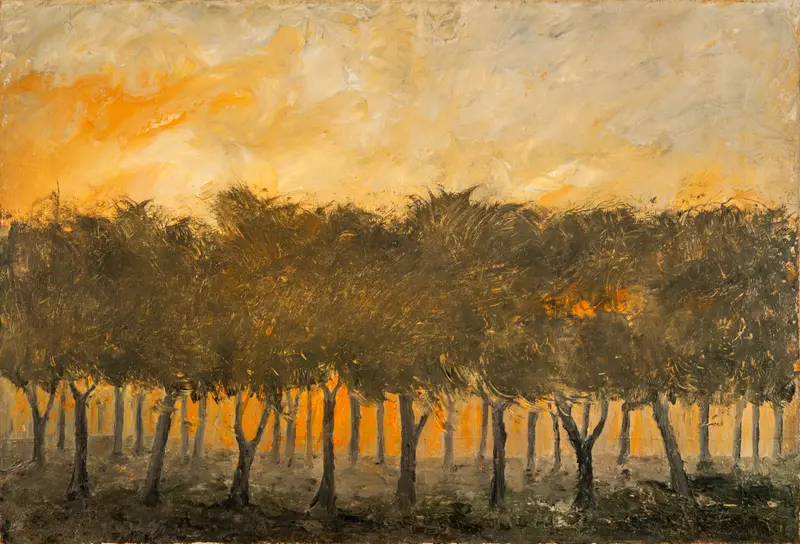
The Garden of Rosendal II
August Strindberg
Pack ice on the beach
August Strindberg





