
Storm On The English Coast — History & Facts
Could a single brushstroke hold eternity? In Storm On The English Coast, the tumultuous waves and the darkening sky suggest not just a fierce moment in nature but also the promise of rebirth amid chaos, a metaphor for resilience. Look to the left at the turbulent sea, where foamy white caps crash against the jagged rocks, their force captured with vigorous, sweeping strokes. Notice how the dark blues and grays of the stormy sky loom overhead, contrasting with the distant pale horizon that hints at the sun's inevitable return. The composition draws your eye from the rugged shore to the dramatic clouds, creating a dynamic tension that mirrors nature's unpredictability. In this painting, the interplay between dark and light evokes the struggle between despair and hope.
The billowing clouds seem to echo the imminent storm but also suggest the stirring of new beginnings. The small figure of a man on the shore, dwarfed by the raw power of the elements, symbolizes humanity’s vulnerability and strength. Within this moment of chaos, we can sense the transformative energy that nature wields, suggesting that from the tempest comes renewal. Winslow Homer created this work in 1883 during a period when he sought to capture the raw beauty and power of nature, especially along the rugged coastlines of England.
At this time, he was already established as a prominent American painter, having recently returned from his travels abroad, and was deeply influenced by the sea and its moods. This painting reflects both his personal artistic evolution and the broader movement towards realism in the art world, where nature's fierce beauty became a focal point of exploration.
More Artworks by Winslow Homer
Browse all →
The Gulf Stream
Winslow Homer
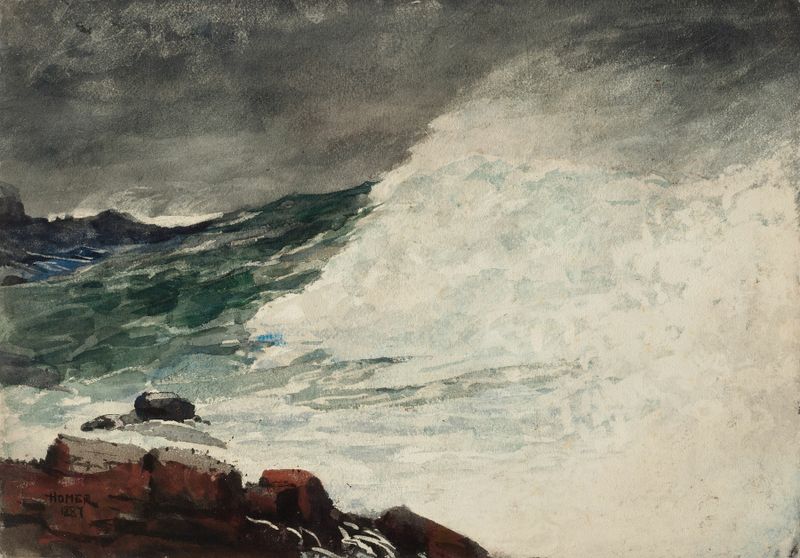
Prout’s Neck, Breaking Wave
Winslow Homer
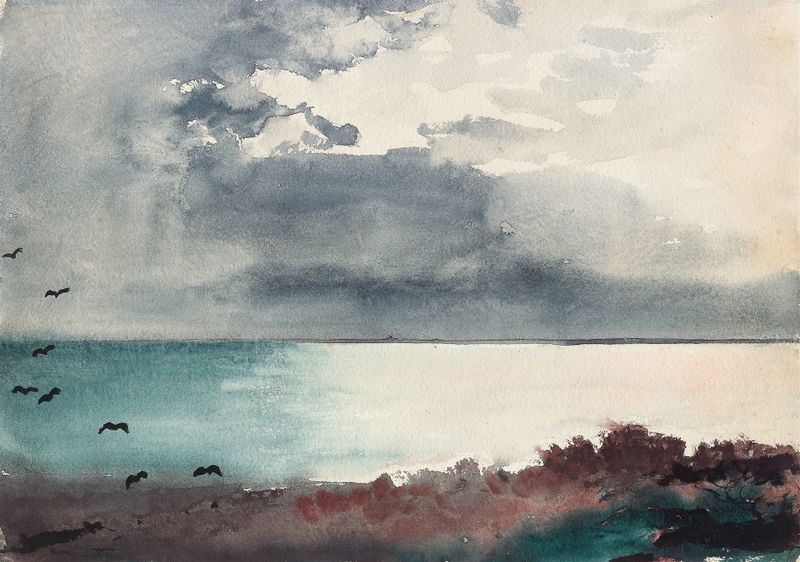
Breaking Storm, Coast of Maine
Winslow Homer
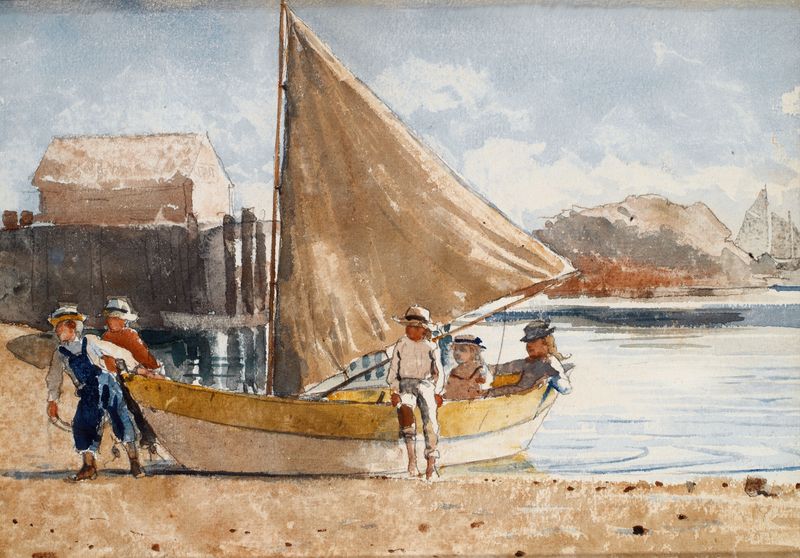
Summertime
Winslow Homer
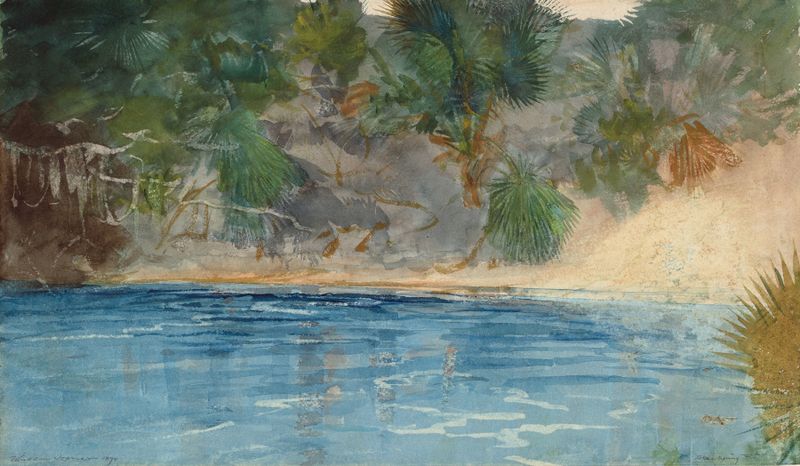
Blue Spring, Florida
Winslow Homer
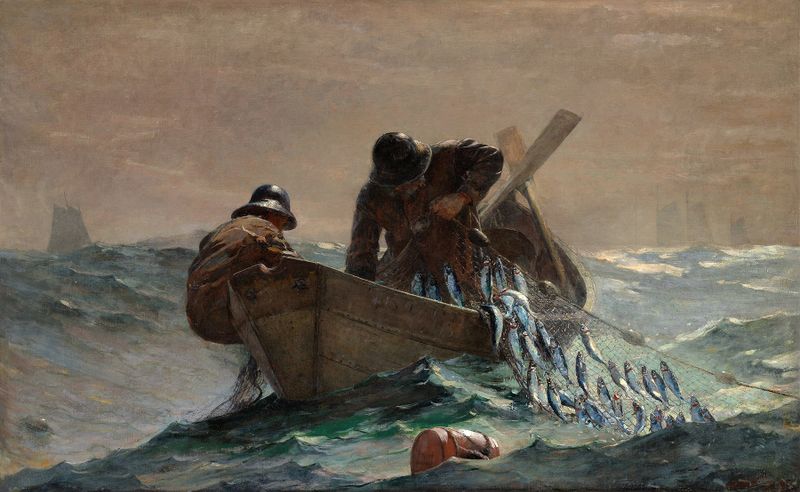
The Herring Net
Winslow Homer
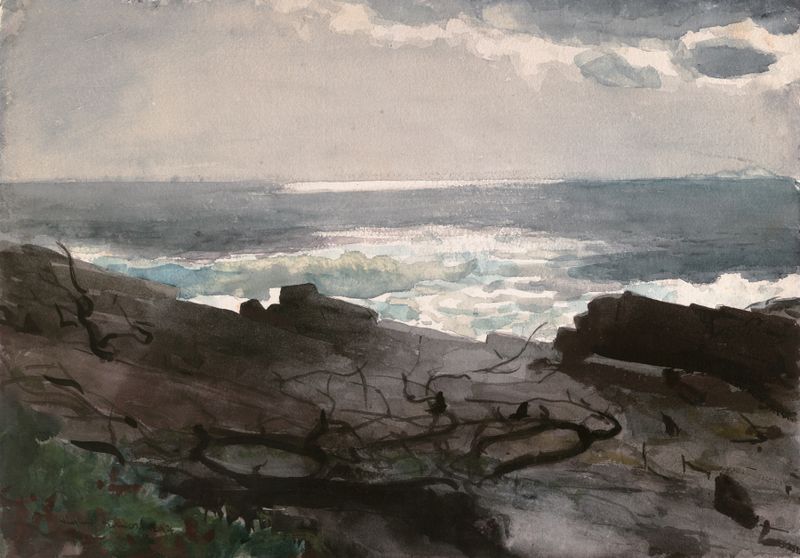
Sunshine and Shadow, Prout’s Neck
Winslow Homer
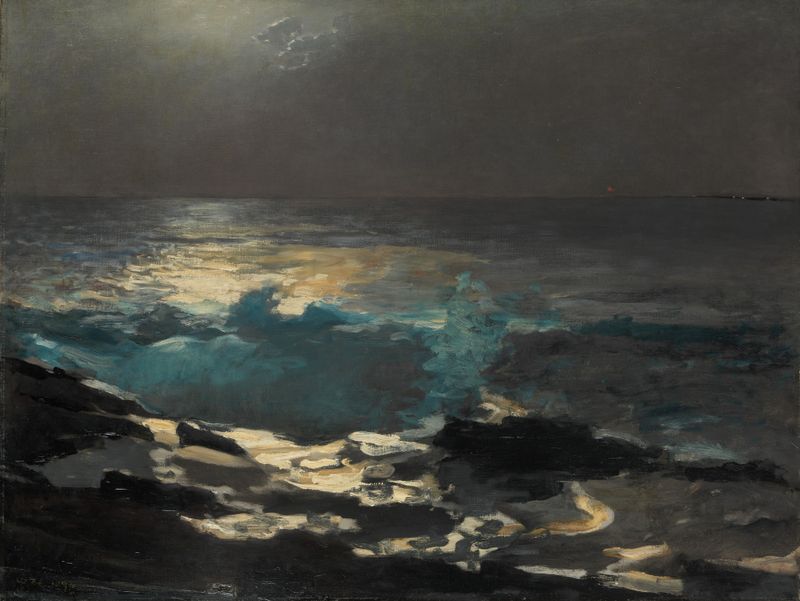
Moonlight, Wood Island Light
Winslow Homer
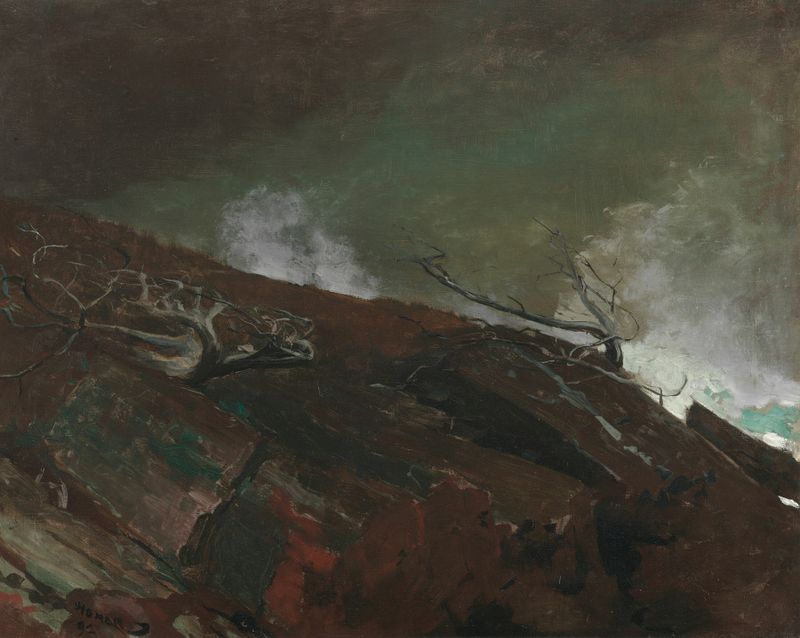
Coast of Maine
Winslow Homer
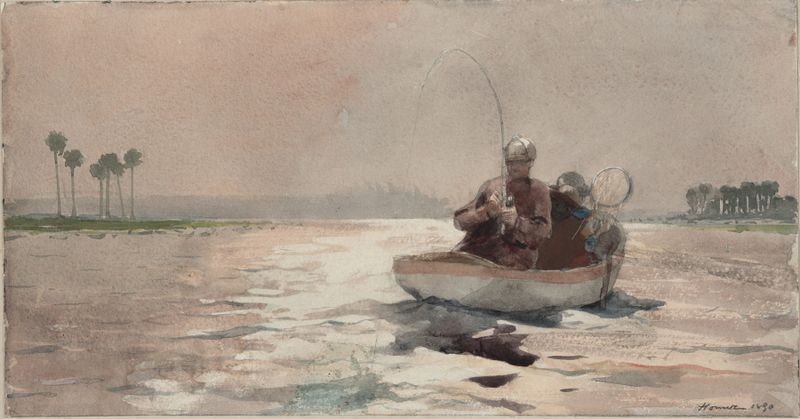
Bass Fishing – Florida
Winslow Homer




