
Strand bij avond — History & Facts
Each stroke tells a story, capturing the ephemeral nature of light and shadow in a moment frozen in time. Look closely at the vibrant horizon, where the sun's descent spills rich hues of orange and gold across the canvas. Notice how the delicate waves shimmer, each crest reflecting the last rays of daylight, while the sandy shore whispers secrets of the day’s end. The sky, filled with soft, swirling clouds, draws your gaze upward, inviting contemplation of the transient beauty at play. Beneath this serene surface, contrasts emerge: the warmth of the sun against the coolness of the encroaching dusk.
The interaction of light and shadow creates a tension between day and night, capturing the viewer's imagination. There's a palpable sense of anticipation; the tranquility of the scene hints at the inevitable arrival of darkness, evoking a bittersweet nostalgia for fleeting moments. Each brushstroke seems to breathe life, suggesting both a peaceful farewell and a faint echo of what is to come. In 1890, during a period of artistic exploration and personal challenge, the artist captured this scene in the Netherlands, where he grappled with the nuances of landscape painting.
This era saw a growing movement towards impressionism, as artists sought to depict the world through the interplay of light and color. Maris, influenced by these ideas, embraced the Dutch coastline not only as inspiration but also as a canvas for his reflections on nature and the passage of time.
More Artworks by Jacob Maris
Browse all →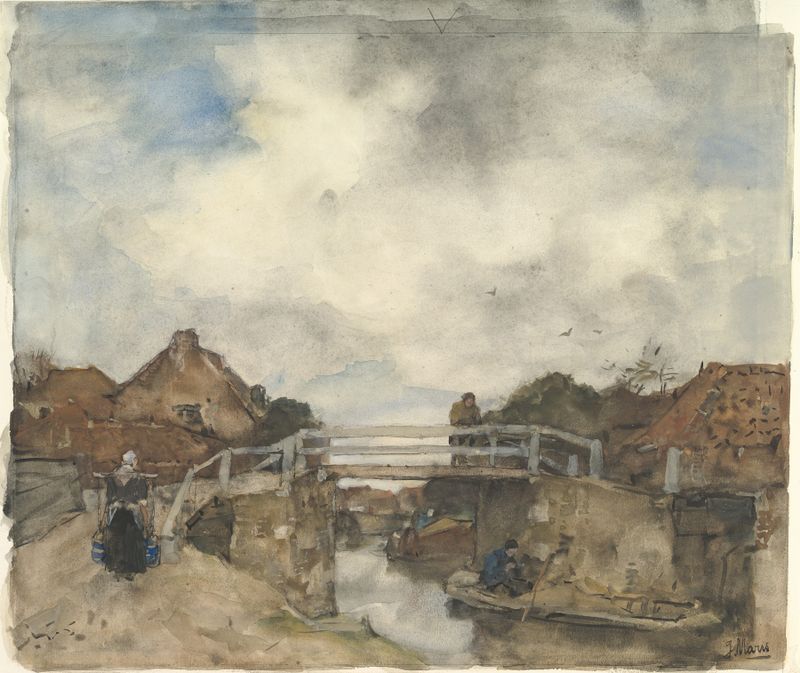
Dutch Canal, Rijswijk
Jacob Maris
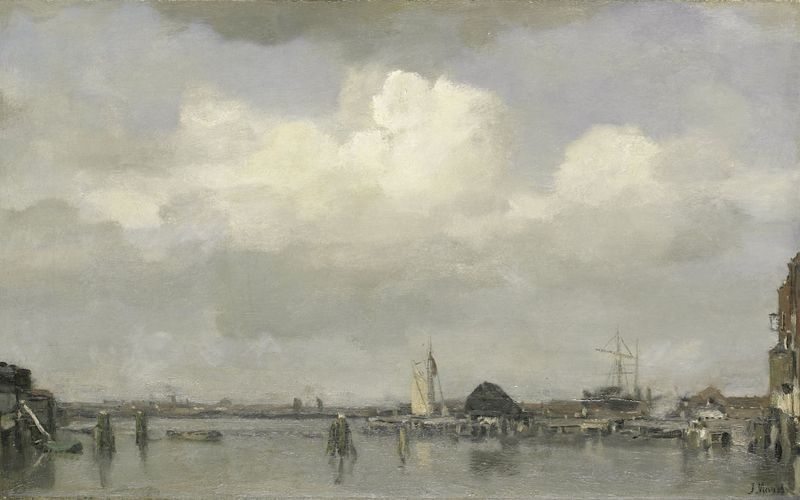
Havengezicht
Jacob Maris
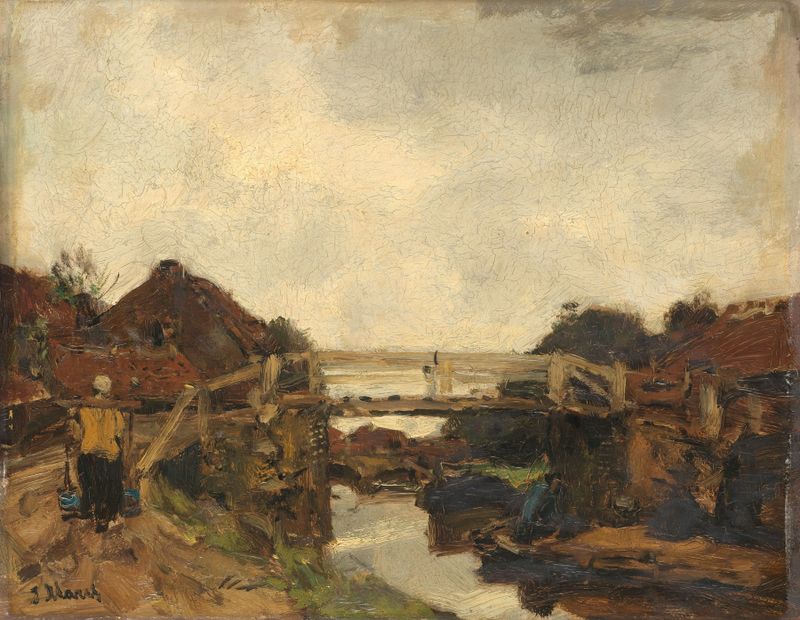
Wooden Bridge across a Canal at Rijswijk
Jacob Maris
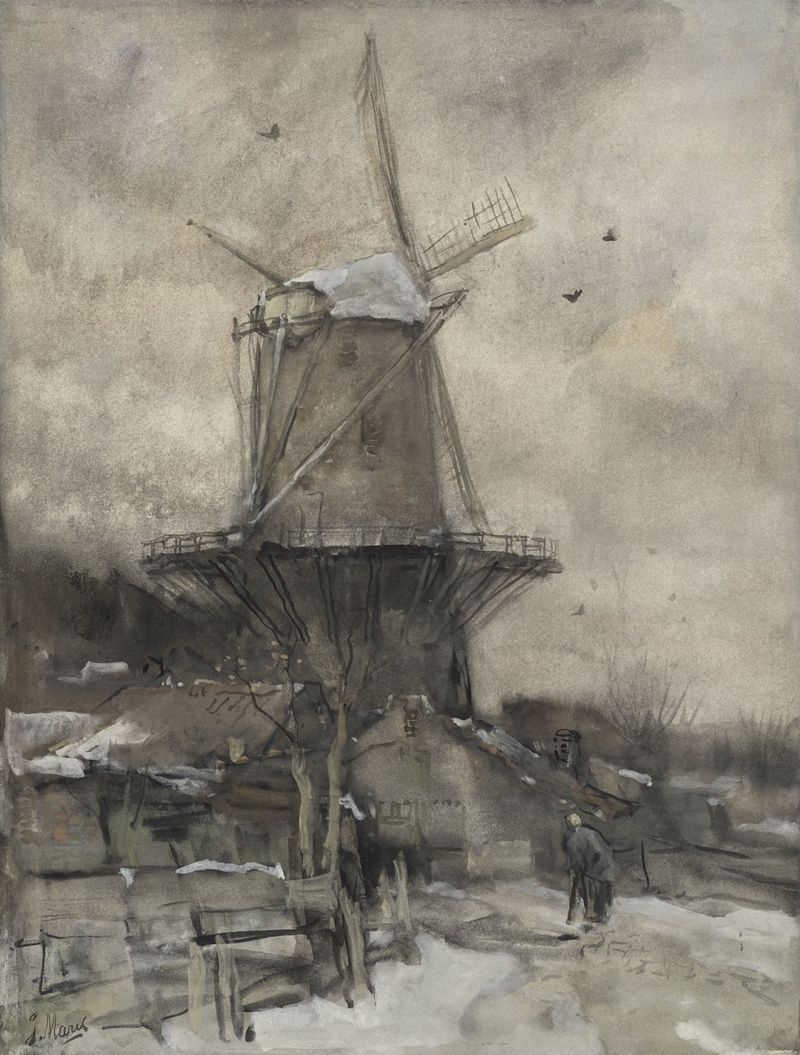
Een molen in de winter
Jacob Maris
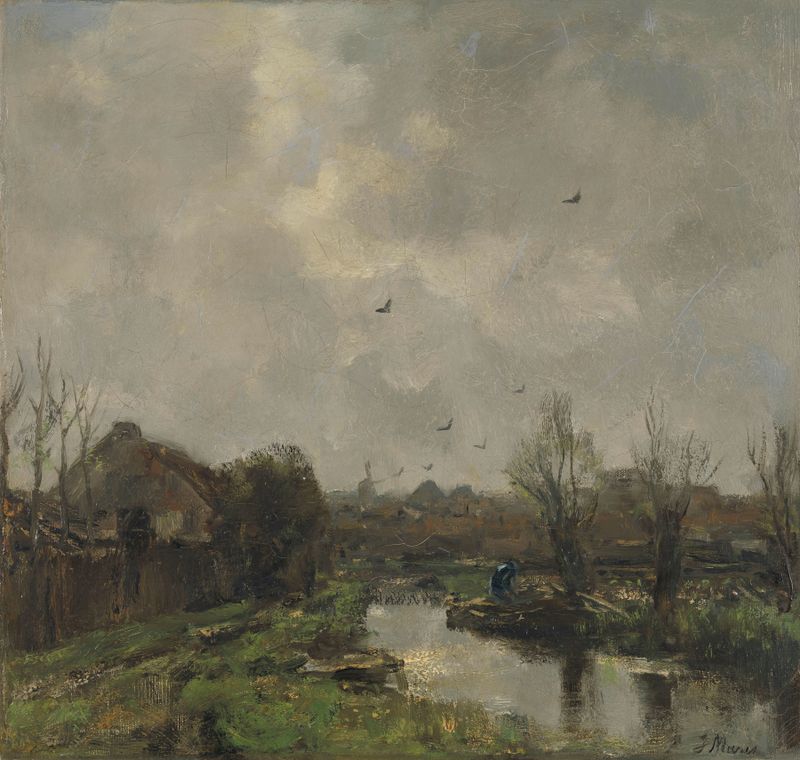
Landschap in de omgeving van Den Haag
Jacob Maris
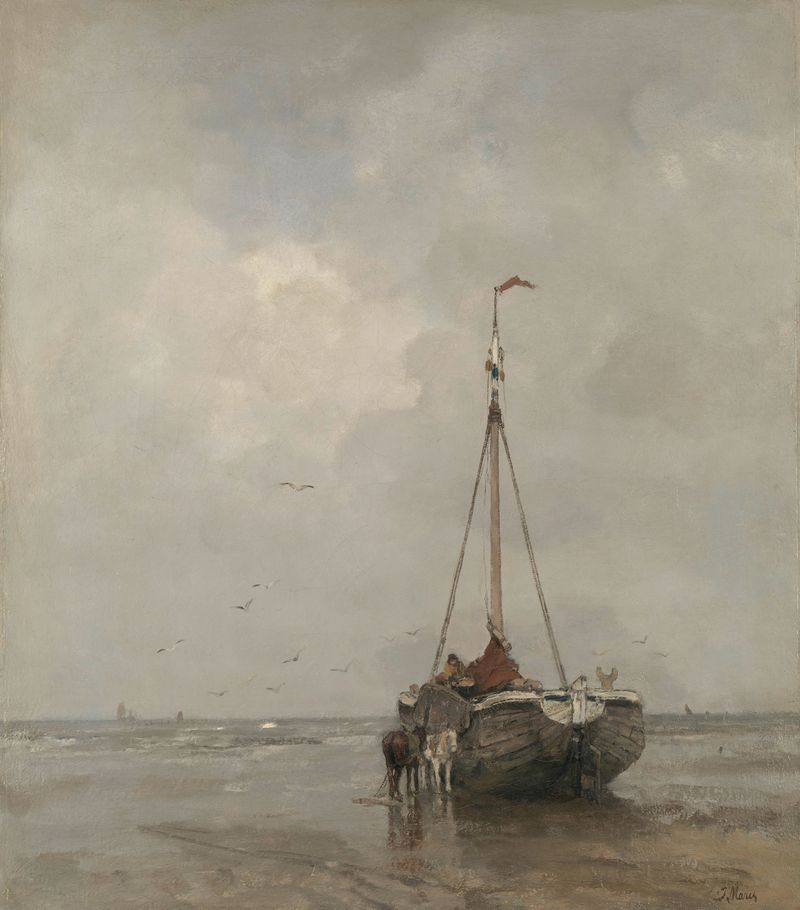
Bluff-bowed Fishing Boat on the Beach at Scheveningen
Jacob Maris
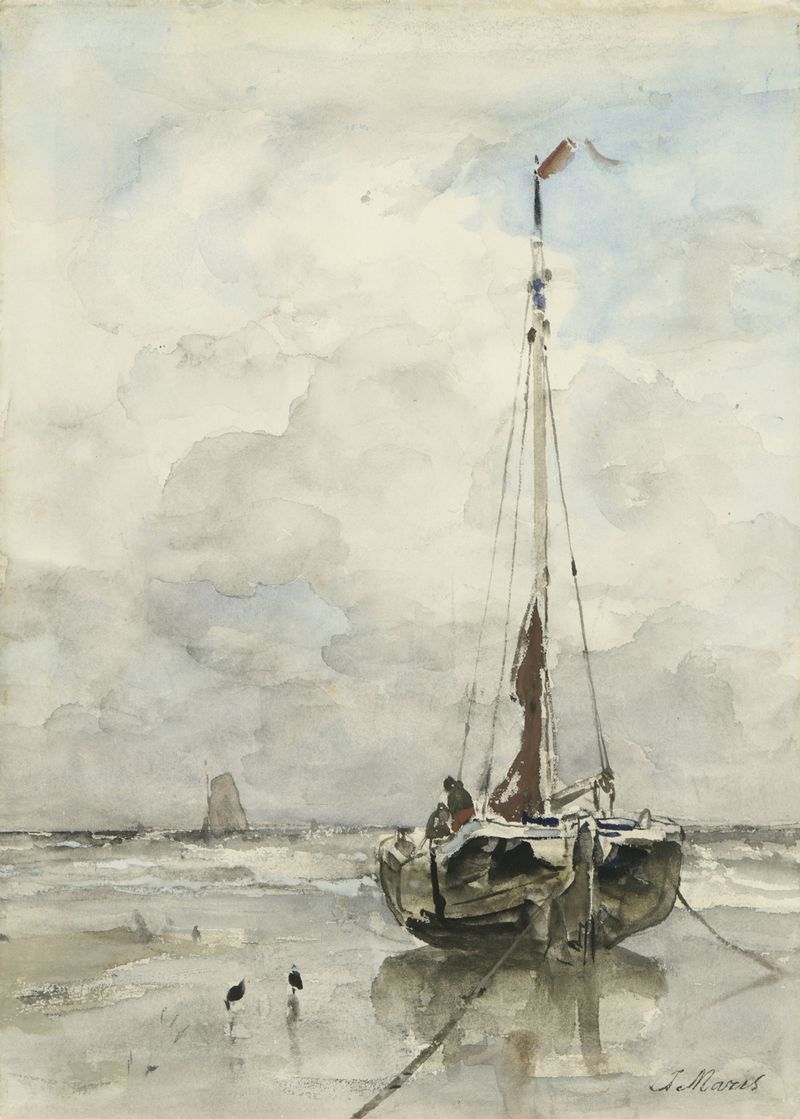
Visserspink aan het strand
Jacob Maris
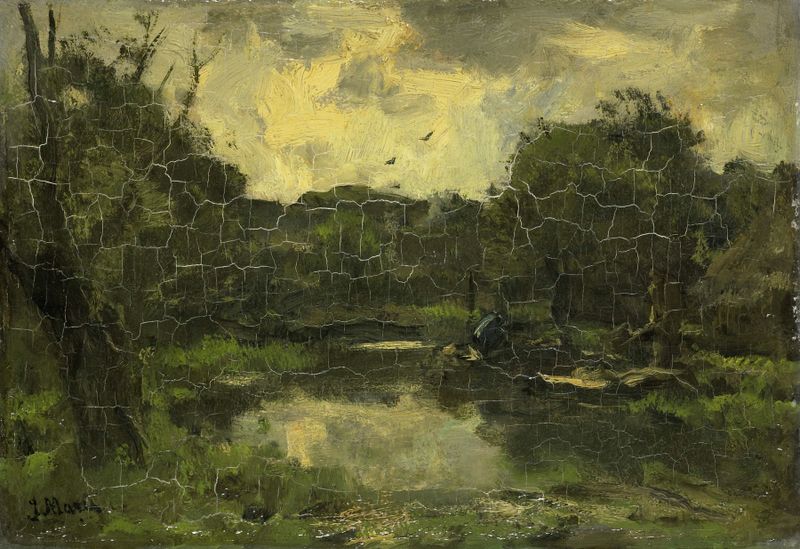
Landschap met schuit
Jacob Maris
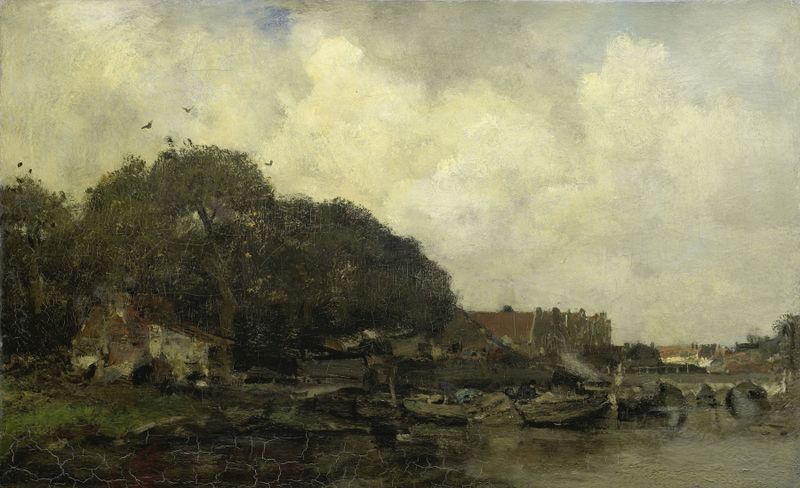
Havengezicht
Jacob Maris
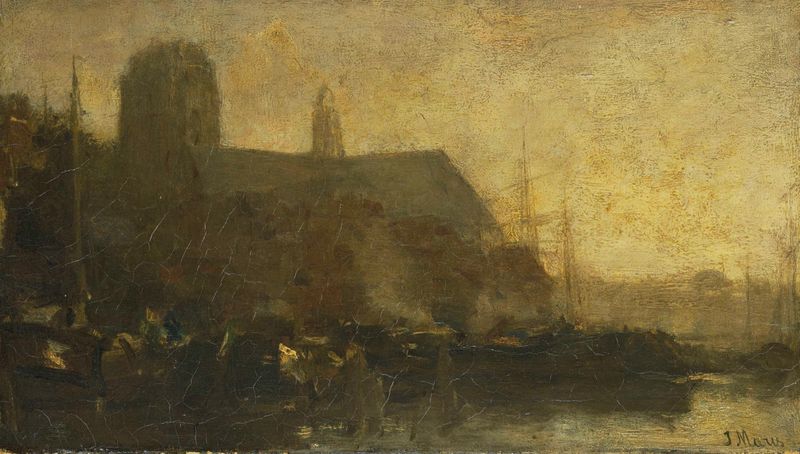
Schepen in de haven van Dordrecht
Jacob Maris





