
Sts Paul and Barnabas at Lystra — History & Facts
When Raphael took up the story of Paul and Barnabas at Lystra, he chose a moment rarely painted before the Renaissance: the instant when the apostles, mistaken for gods, are confronted by a crowd intent on sacrifice. The tale, from the Acts of the Apostles, had fascinated theologians for centuries, but it was Raphael’s interpretation that set a new standard for religious storytelling in paint. The composition’s influence echoed through later centuries, inspiring artists from Rubens to Poussin to grapple with the same dramatic confusion between the divine and the human.
No contemporary account records the exact commission or patron, and the painting’s original context remains a subject of scholarly debate. The scene unfolds at the city gates of Lystra, where Paul, having healed a cripple, is met with a surge of devotion so intense that the locals bring garlands and a bull, ready to offer sacrifice. Raphael freezes the moment as Paul, arms outstretched in protest, tries to halt the ritual, while Barnabas recoils in alarm. The bull, a symbol of pagan worship, stands at the center, its bulk anchoring the composition and highlighting the apostles’ refusal to accept divine honors.
The gestures—Paul’s commanding hand, Barnabas’s backward step, the priest’s knife poised above the animal—create a web of tension and misunderstanding. Unlike earlier medieval depictions, which often focused on the miracle itself, Raphael’s version dwells on the perils of mistaken identity and the fragility of faith. The exact provenance of Sts Paul and Barnabas at Lystra remains uncertain, as does its original medium—some scholars suggest it may have been a tapestry cartoon or an altarpiece, given Raphael’s frequent work in both forms. Over the centuries, the composition has been widely copied and adapted, and its influence can be traced in the grand narrative cycles of the High Renaissance.
Today, the painting is often discussed as part of Raphael’s mature period, when his interest in complex group dynamics and psychological drama reached its height. While the original may not survive, its legacy endures in the many versions and echoes found in collections across Europe.
More Artworks by Raphael

Madonna of the Goldfinch
Raphael

Madonna with the Fish
Raphael
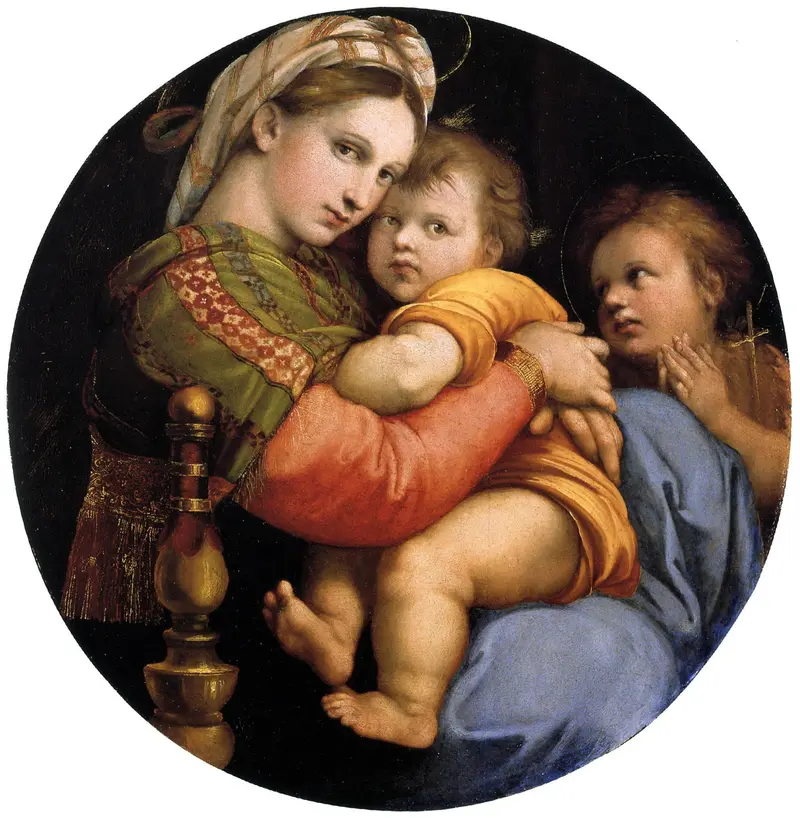
Madonna and Child (Madonna della Seggiola)
Raphael
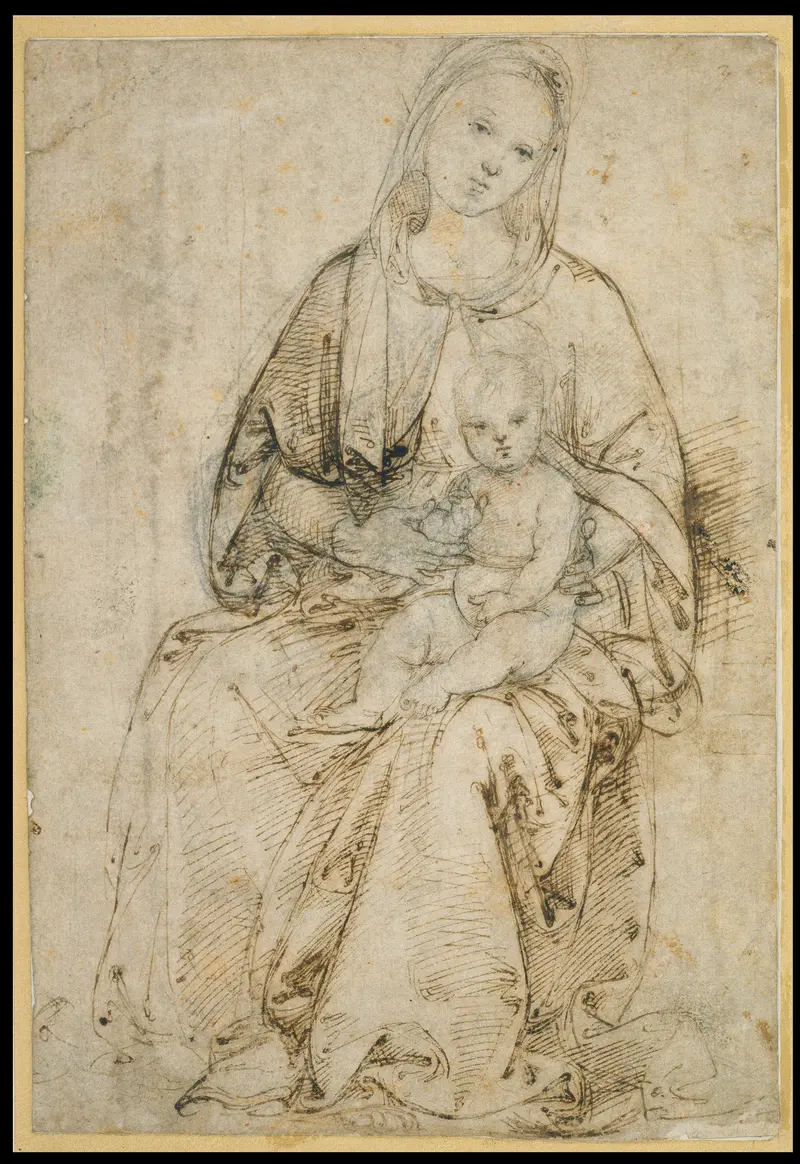
Seated Madonna and Child
Raphael
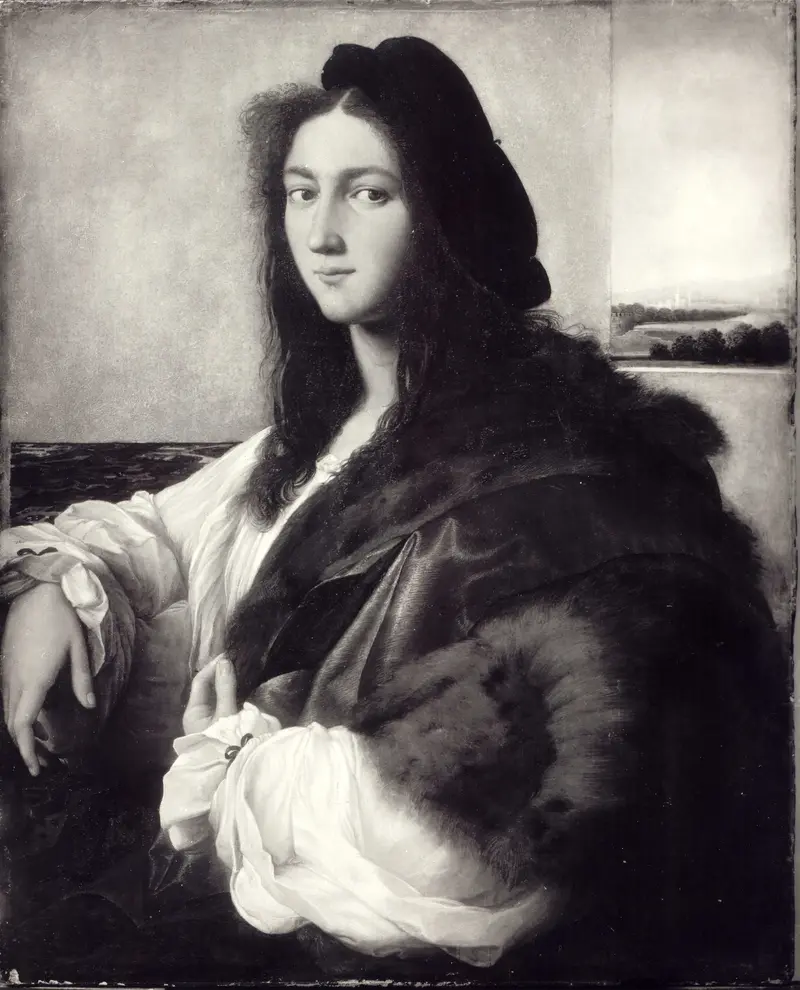
Portrait of a Young Man
Raphael
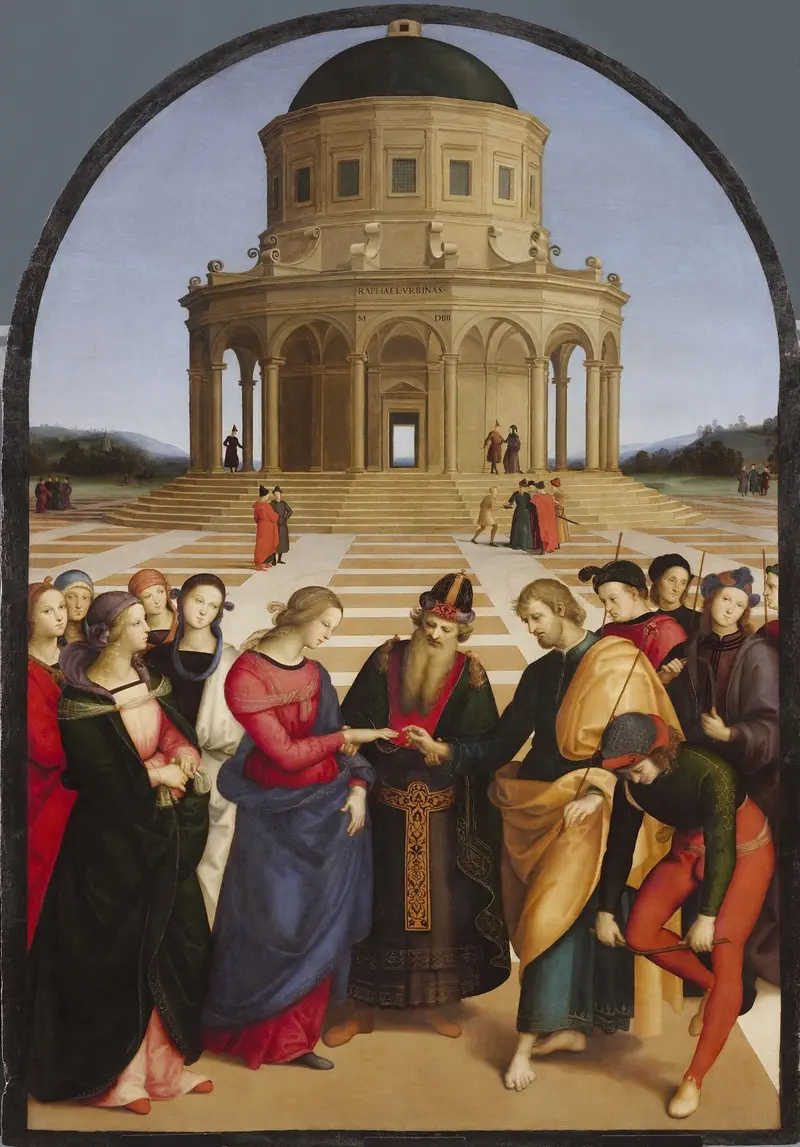
The Marriage of the Virgin
Raphael
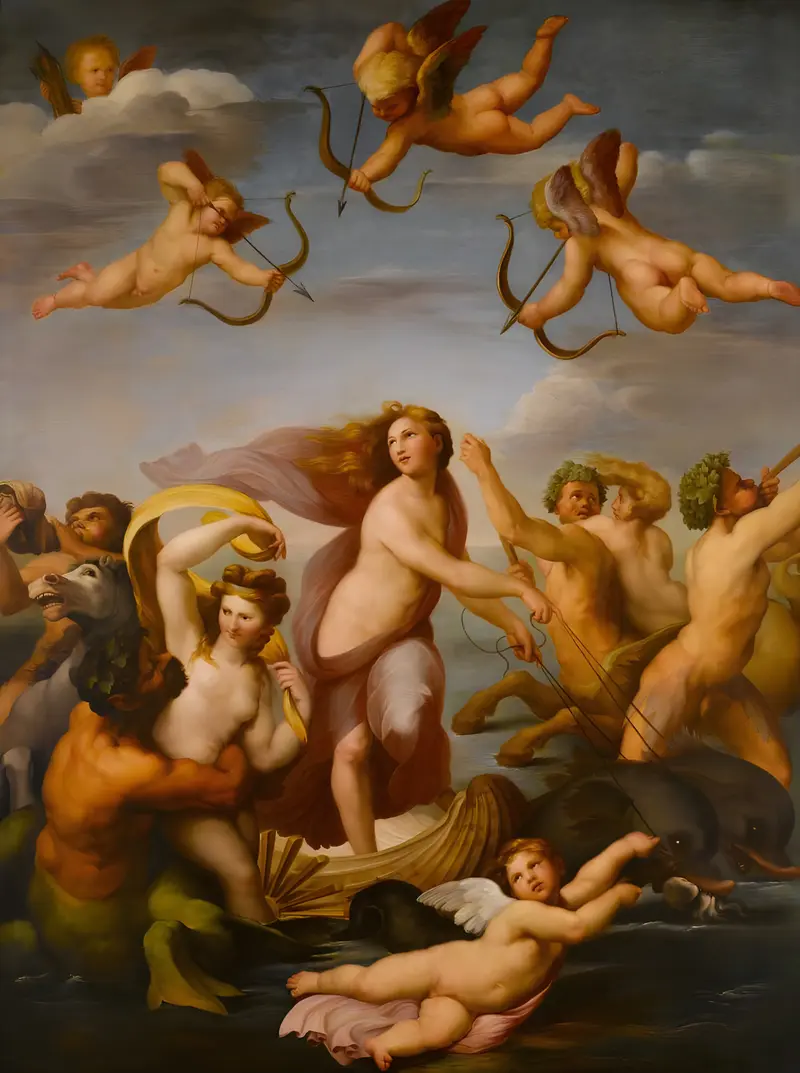
The Triumph of Galatea (copy after Raphael)
Raphael
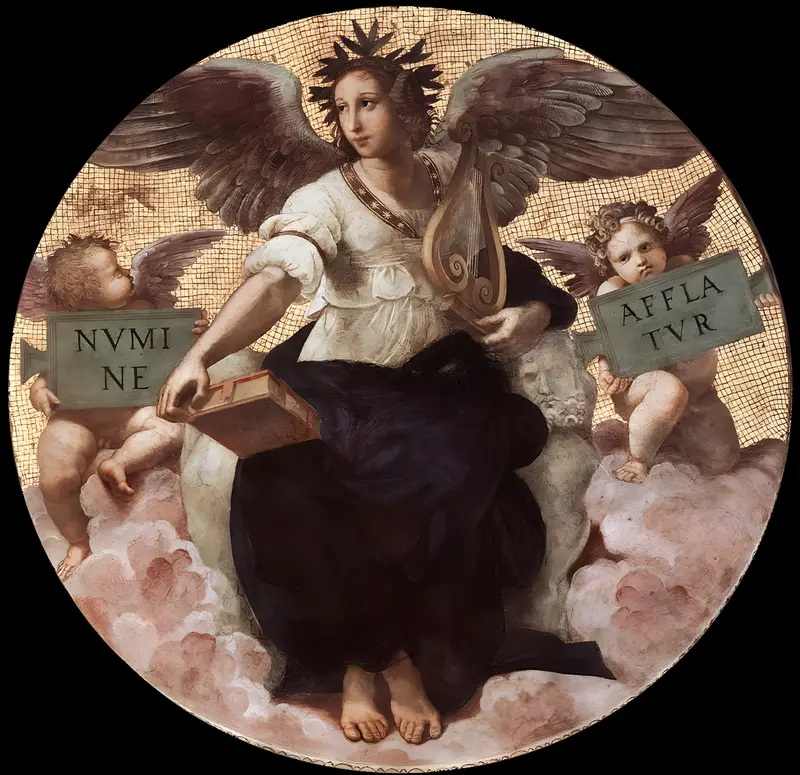
Poetry
Raphael
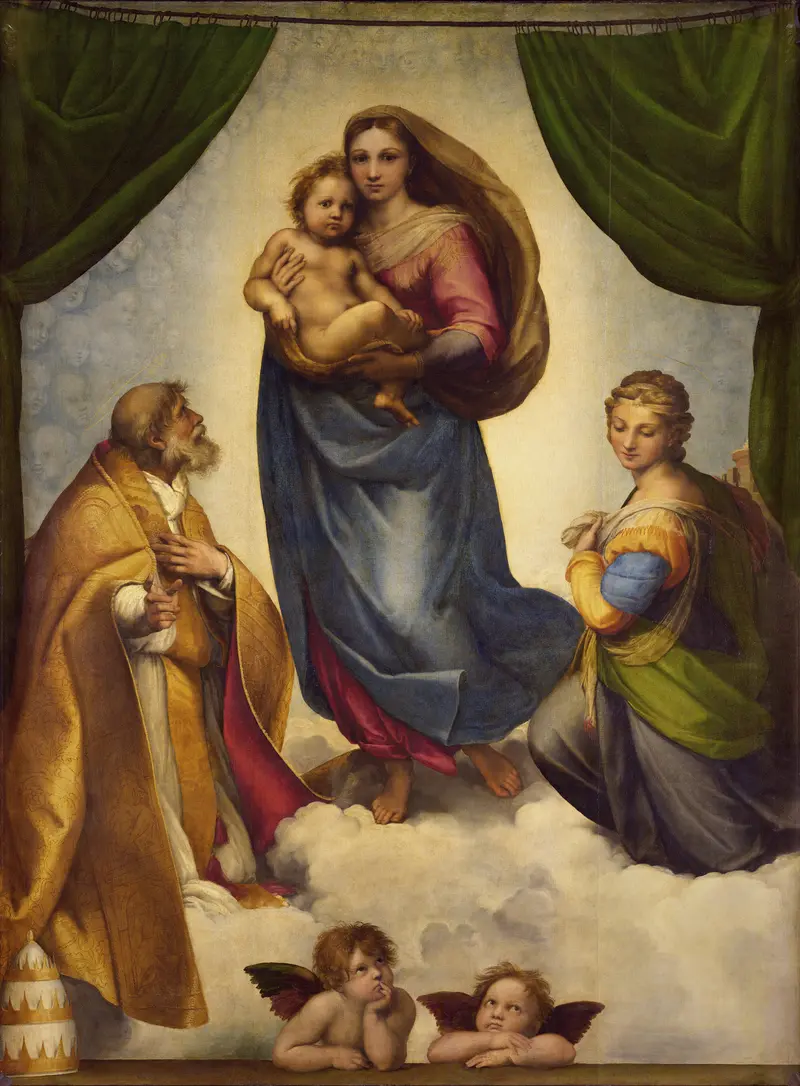
Sistine Madonna
Raphael
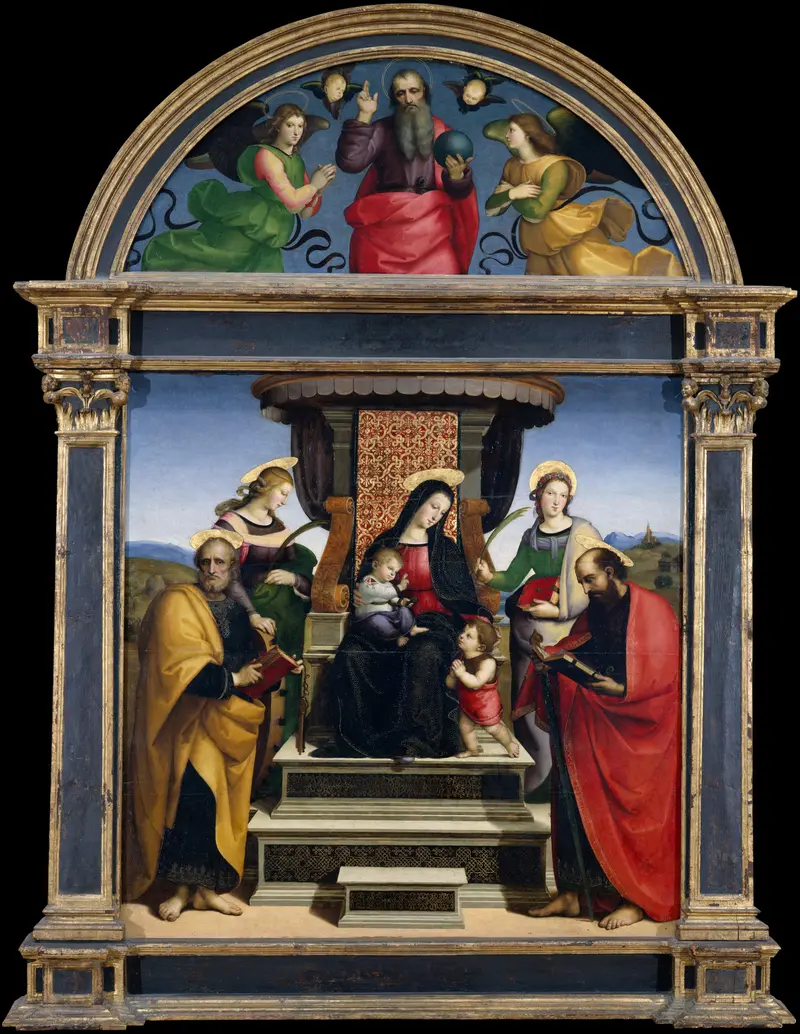
Madonna and Child Enthroned with Saints
Raphael




