Studies of the Mourning Magdalen and the Virgin — History & Facts
What draws the eye first in Studies of the Mourning Magdalen and the Virgin is the restless energy of searching: figures emerge and dissolve, some in sharp ink, others as ghostly sketches in red chalk. The page feels alive with possibility, as if Rembrandt van Rijn is working out a private choreography of grief. Each pose is a question—how should a mourner’s body carry sorrow, where does the gaze fall, how does a hand betray the heart? The overlapping studies guide us through a range of emotion, from the veiled, upright sorrow of the Virgin to the Magdalen’s compact, inward-turning grief.
The lines are swift but never careless, capturing both the heaviness of mourning and the flicker of life beneath. This drawing belongs to a world where such studies were the lifeblood of artistic invention. In the seventeenth century, artists like Rembrandt filled their portfolios with sheets like this, preparing for larger compositions or simply exploring the human condition. These sketches were rarely meant for public display; they were tools, sometimes traded among artists or kept in the studio as reference.
The date, 1635, places this work in the heart of the Dutch Golden Age, when the boundaries between religious tradition and personal observation were being redrawn. History has kept few traces of the immediate purpose of this sheet, but its survival invites us to linger over the gestures and imagine the paintings that might have grown from these searching lines.
More Artworks by Rembrandt van Rijn
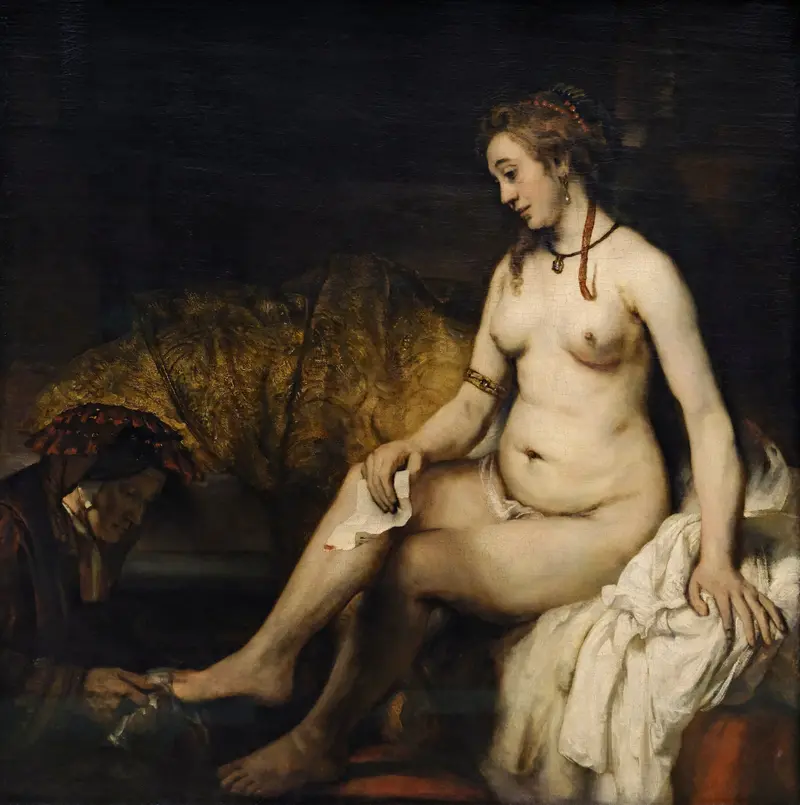
Bathsheba at Her Bath
Rembrandt van Rijn
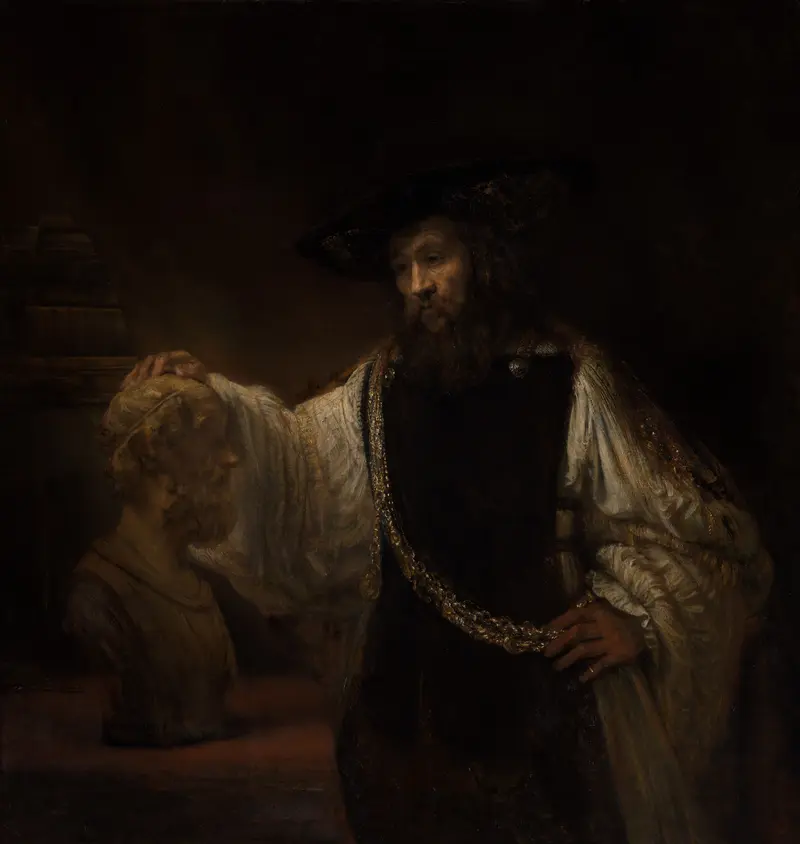
Aristotle with a Bust of Homer
Rembrandt van Rijn
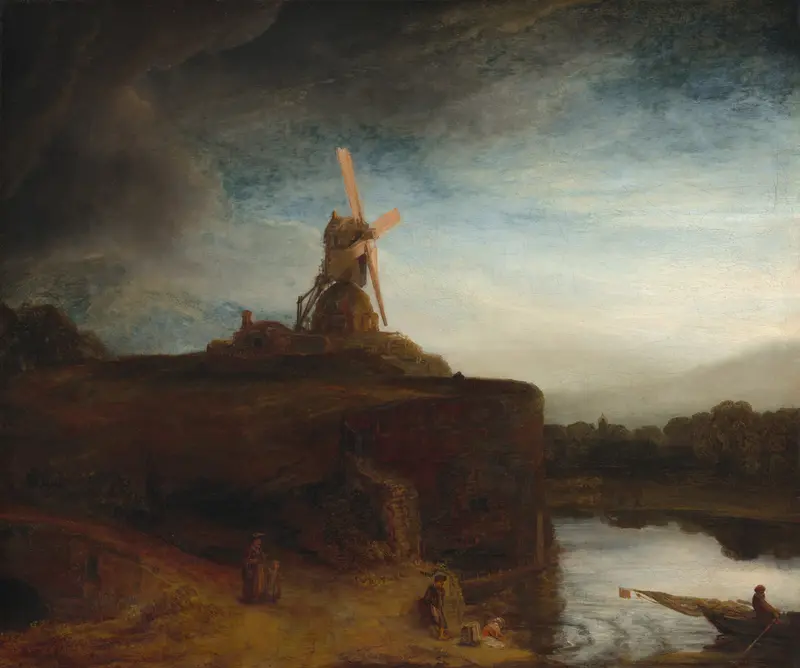
The Mill
Rembrandt van Rijn
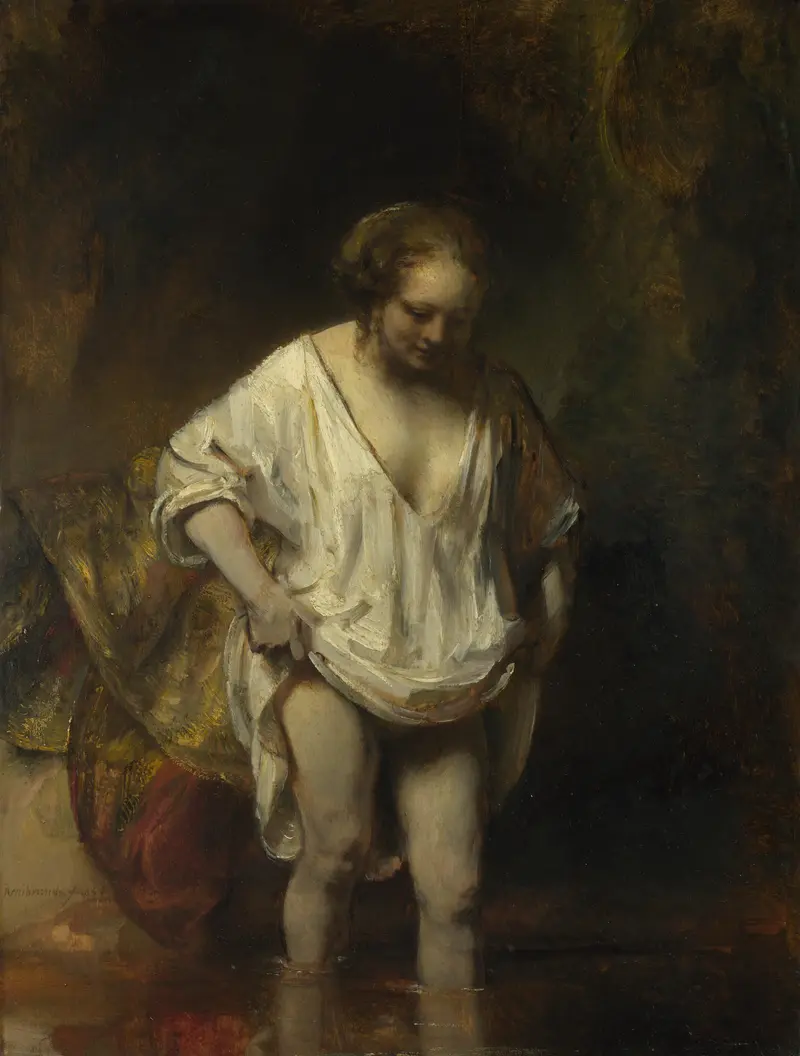
A Woman Bathing in a Stream
Rembrandt van Rijn
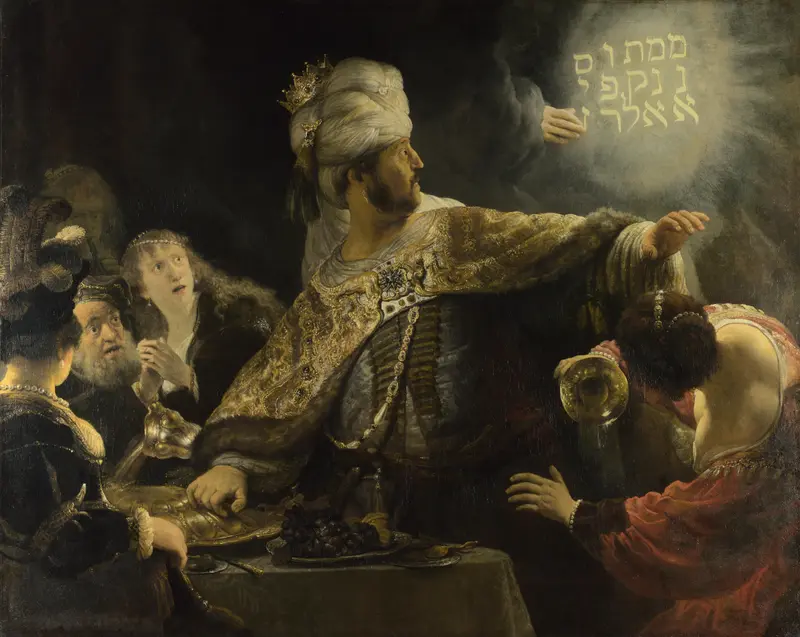
Belshazzar’s Feast
Rembrandt van Rijn
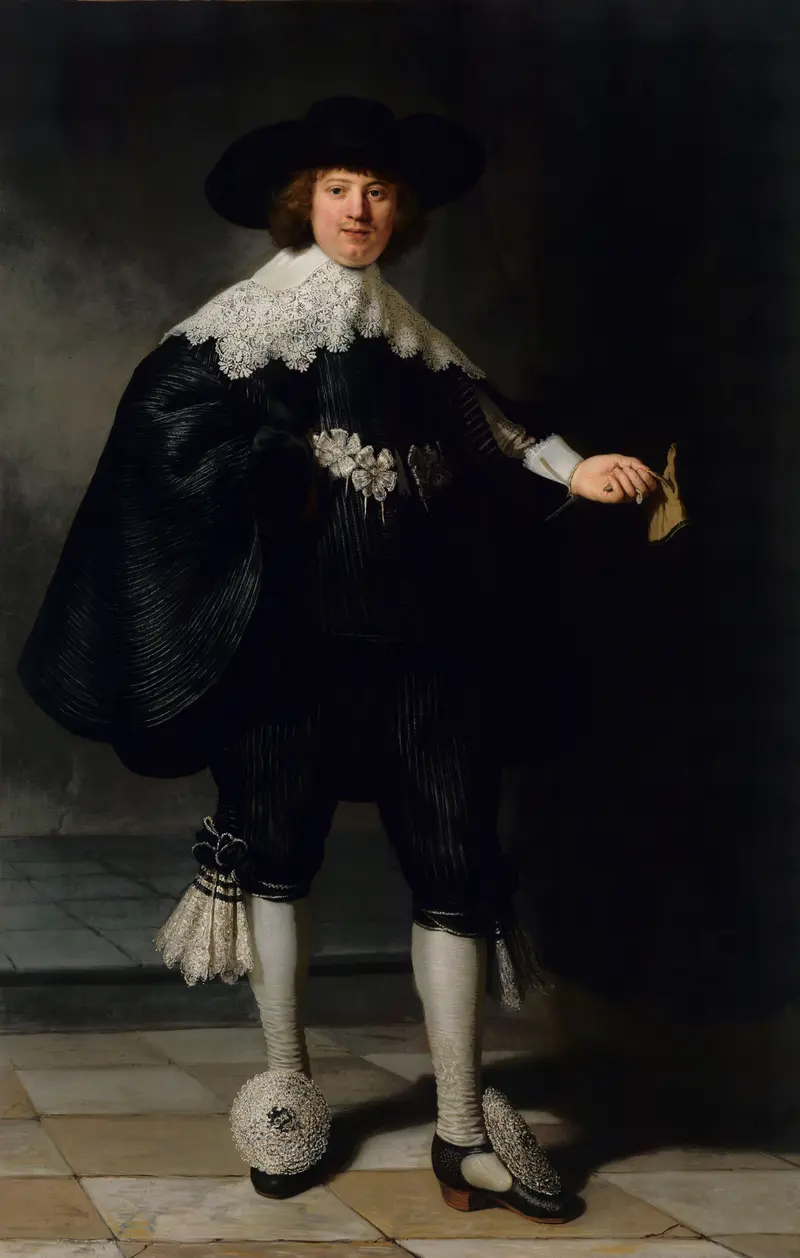
Portrait of Marten Soolmans
Rembrandt van Rijn
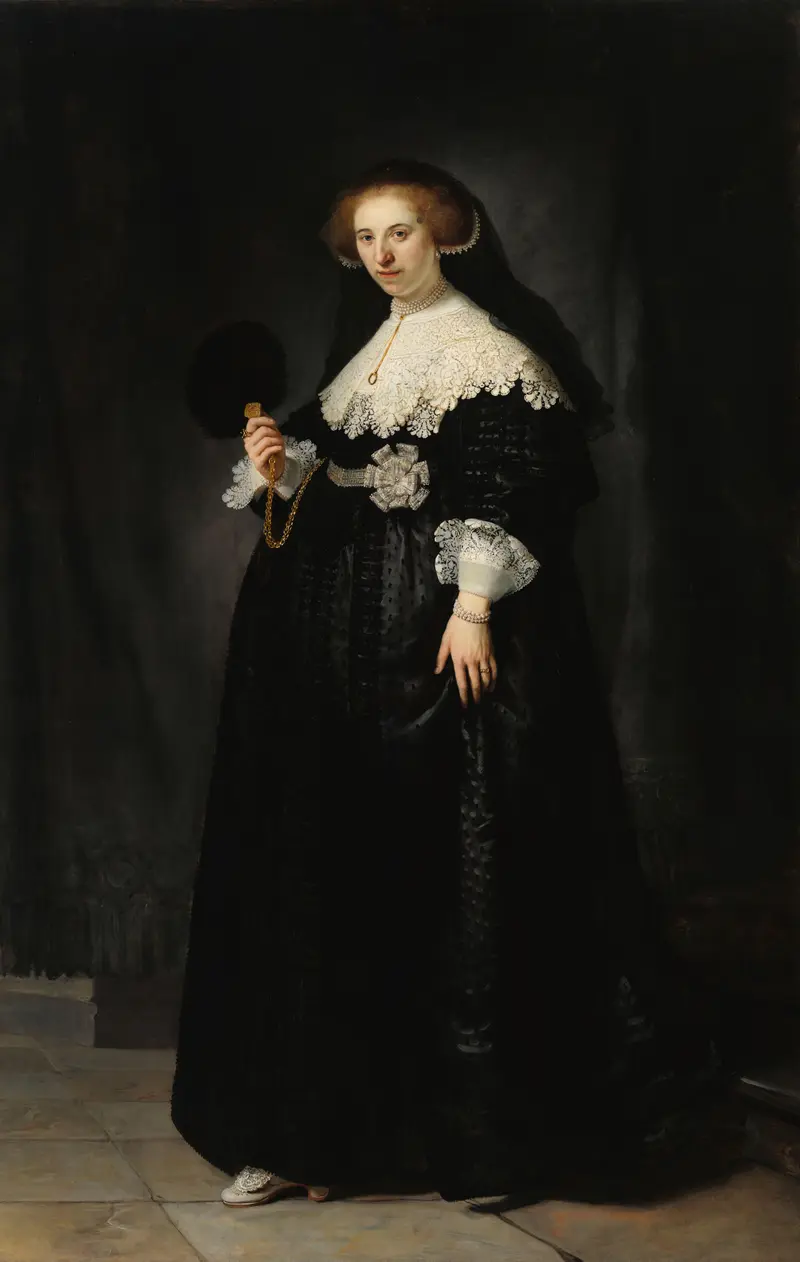
Portrait of Oopjen Coppit
Rembrandt van Rijn

The Prodigal Son in the Tavern
Rembrandt van Rijn
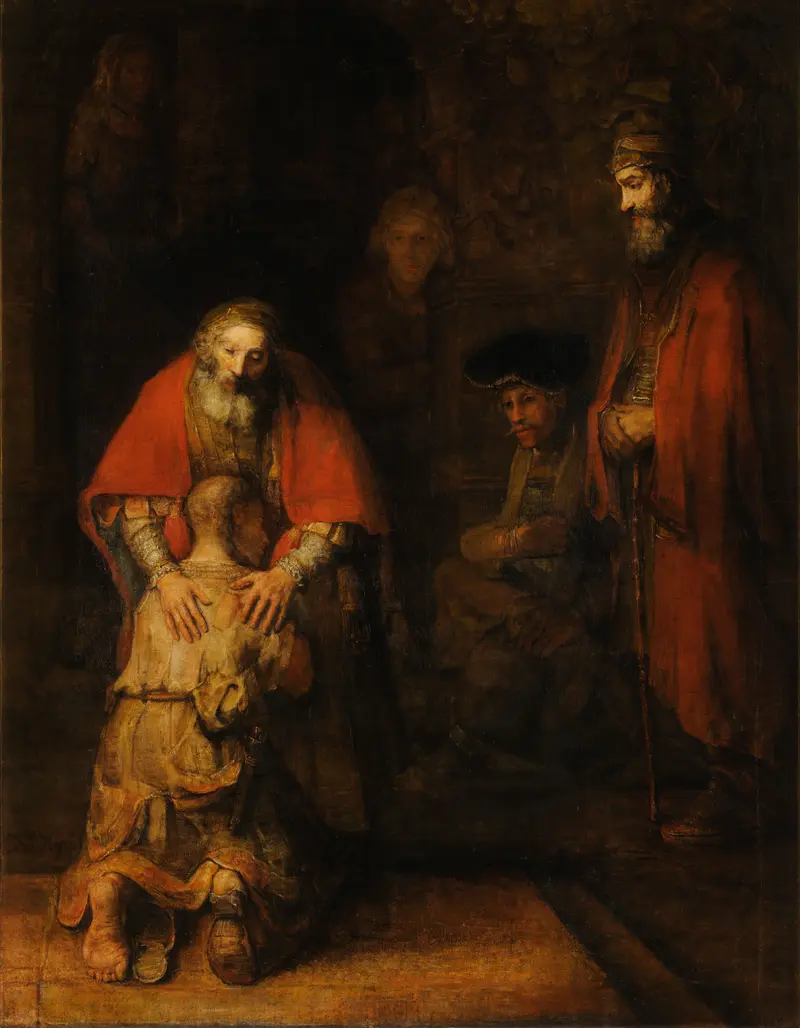
The Return of the Prodigal Son
Rembrandt van Rijn
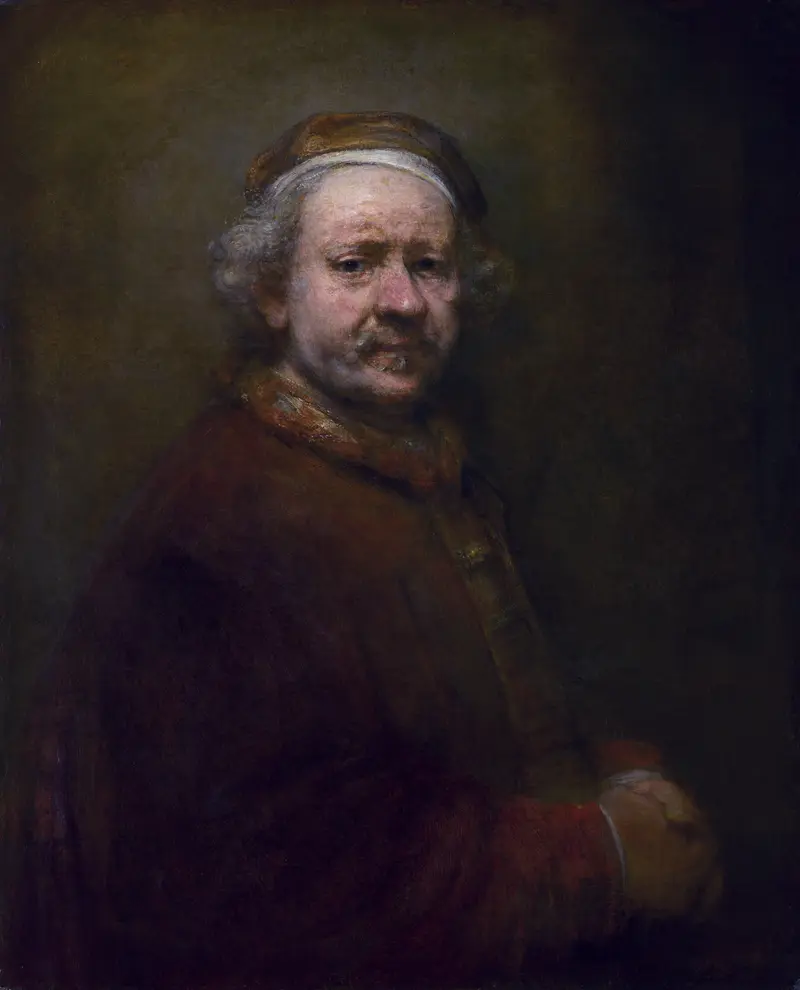
Self-Portrait at the Age of 63
Rembrandt van Rijn