Study for Eagle Head, Manchester, Massachusetts — History & Facts
What if silence could speak through light? In the hushed tones of nature, melancholy weaves an intricate narrative that beckons us to listen. Look to the center of the canvas, where the eagle’s head emerges, majestic yet somber, set against the muted backdrop of soft earth tones. Notice how the brushstrokes convey both strength and fragility; the feathers are detailed yet seem to dissolve into the surrounding shadows. The delicate interplay of light and dark encapsulates the bird's dignified solitude, imbuing each stroke with emotion and thought. In this piece, the eagle represents more than just a creature; it serves as a symbol of resilience amidst the solitude of its environment.
The soft highlights on its beak suggest an ethereal glow, revealing a deeper contemplation of existence. The contrast between the eagle's fierce gaze and the understated background evokes a poignant tension, inviting viewers to ponder the weight of isolation in the vastness of nature. Winslow Homer created Study for Eagle Head in 1869 while residing in a period of artistic exploration and personal transition. At this time, his focus was shifting toward a more intimate connection with his subjects, often reflecting the natural world’s rawness.
As the art world was evolving, he sought to capture the profound emotions that lay beneath the surface, marking a significant point in his artistic journey.
More Artworks by Winslow Homer
Browse all →
The Gulf Stream
Winslow Homer
Prout’s Neck, Breaking Wave
Winslow Homer
Breaking Storm, Coast of Maine
Winslow Homer
Summertime
Winslow Homer
Blue Spring, Florida
Winslow Homer
The Herring Net
Winslow Homer
Sunshine and Shadow, Prout’s Neck
Winslow Homer
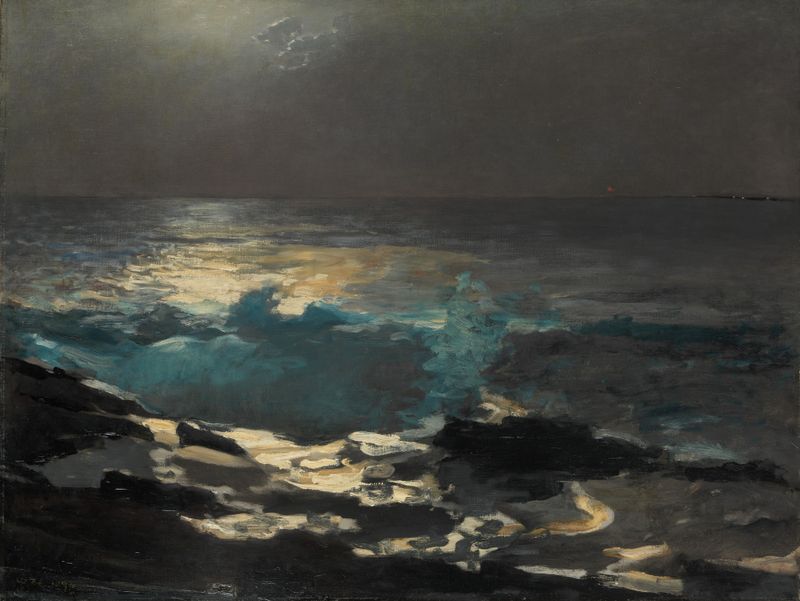
Moonlight, Wood Island Light
Winslow Homer
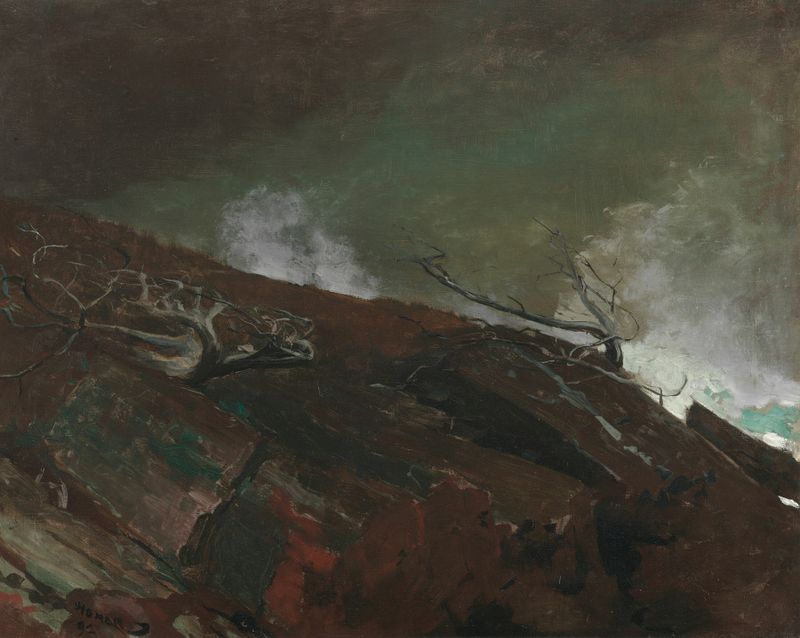
Coast of Maine
Winslow Homer
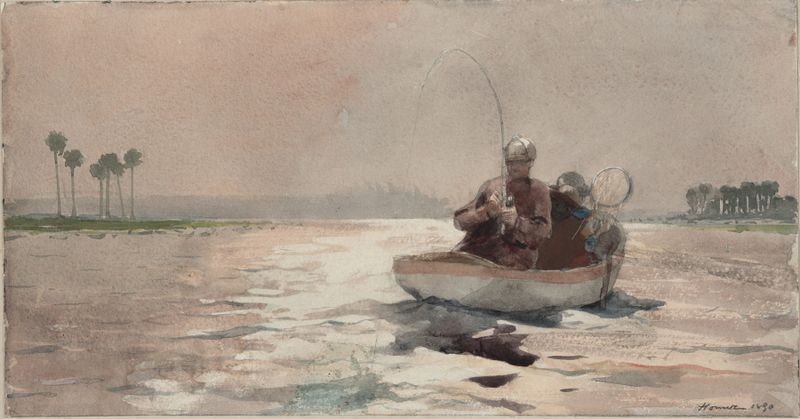
Bass Fishing – Florida
Winslow Homer