
Study For ‘the Gulf Stream’ — History & Facts
In the stillness of the sea, the weight of fragility permeates the air, casting a palpable tension that lingers in the heart. Look to the left at the solitary figure braving the vastness, a man in a small boat battling the tumultuous waves. The horizon, painted with a blend of stormy grays and deep blues, contrasts sharply with the flickering sunlight that dances across the water’s surface. Notice how the brushwork captures the churn of the sea, each stroke revealing the precariousness of the moment, as the figure is dwarfed by the elemental fury surrounding him. Hidden within this artwork are layers of meaning that speak to the human condition.
The man’s isolation against the backdrop of an indifferent sea symbolizes the fragility of life, while the tumultuous waves reflect the chaos of the world. The muted colors evoke a sense of foreboding; yet, the light filtering through hints at hope, capturing the duality of despair and resilience. Created between 1898 and 1899, this piece emerged during Winslow Homer's time in Maine, a period marked by personal reflection amidst the changing tides of American art. As the world grappled with modernity, he turned to nature, using its raw power to explore deeper truths about humanity.
This painting stands as a testament to his enduring fascination with man's struggle against nature and the quiet battles we face within ourselves.
More Artworks by Winslow Homer
Browse all →
The Gulf Stream
Winslow Homer
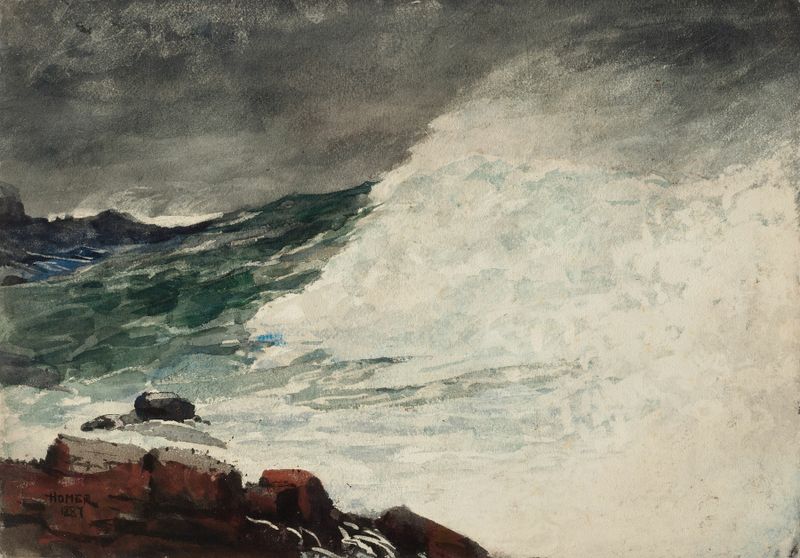
Prout’s Neck, Breaking Wave
Winslow Homer
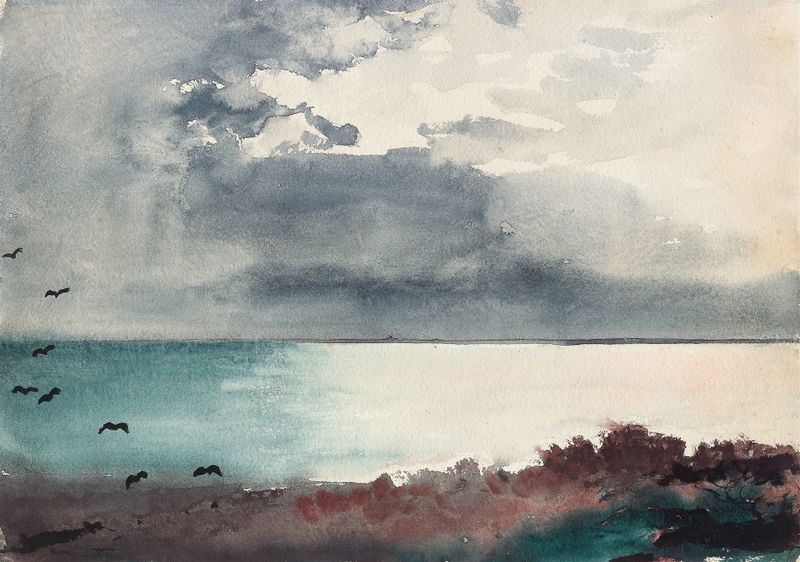
Breaking Storm, Coast of Maine
Winslow Homer
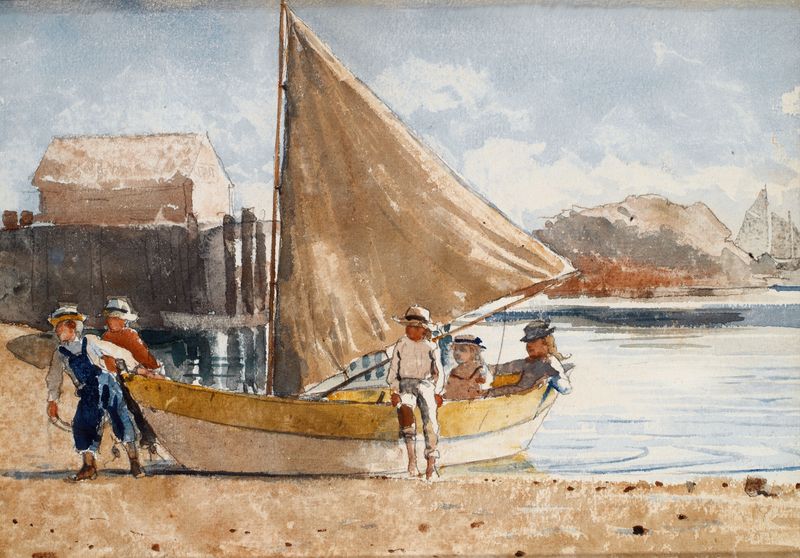
Summertime
Winslow Homer
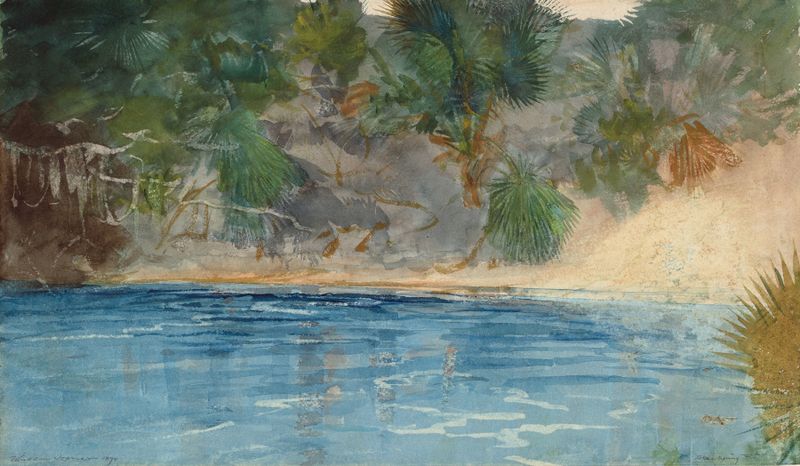
Blue Spring, Florida
Winslow Homer
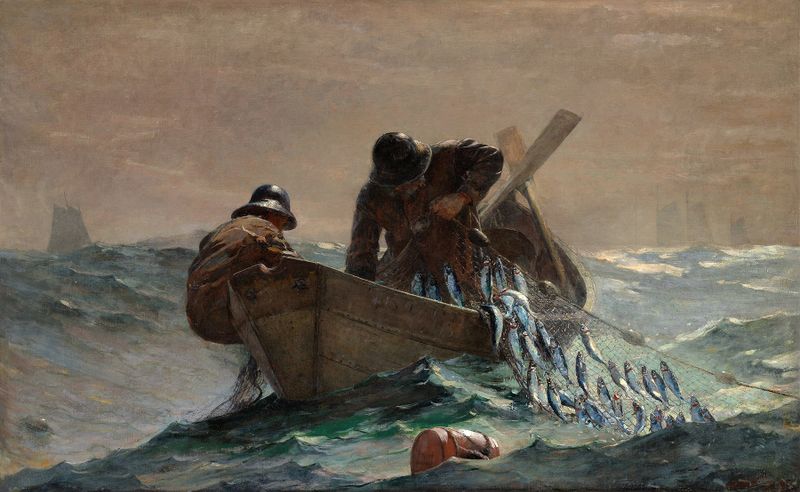
The Herring Net
Winslow Homer
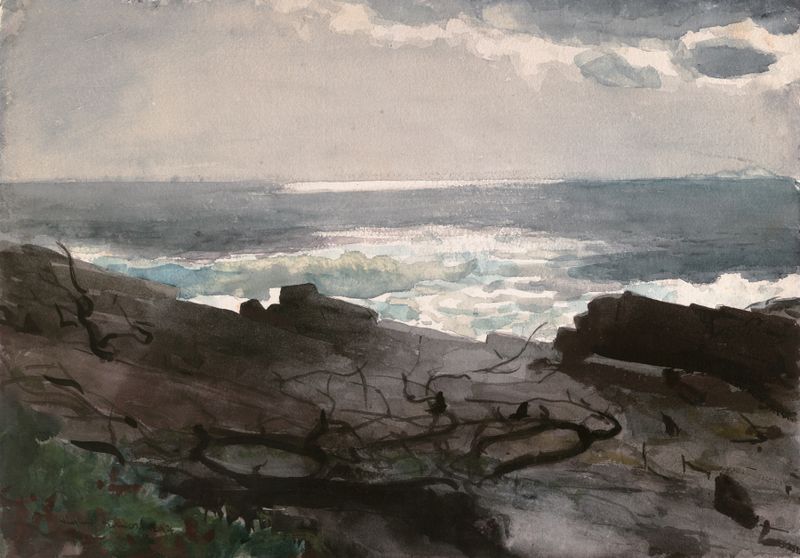
Sunshine and Shadow, Prout’s Neck
Winslow Homer
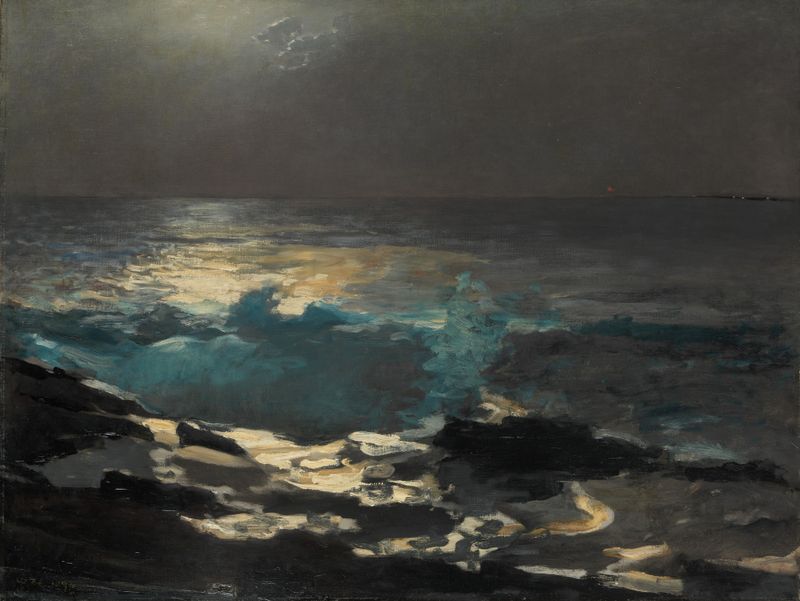
Moonlight, Wood Island Light
Winslow Homer
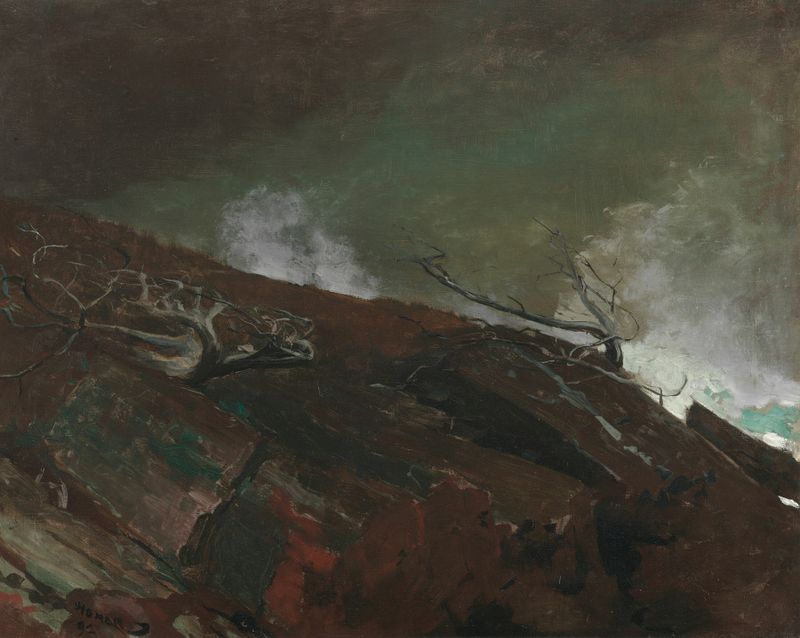
Coast of Maine
Winslow Homer
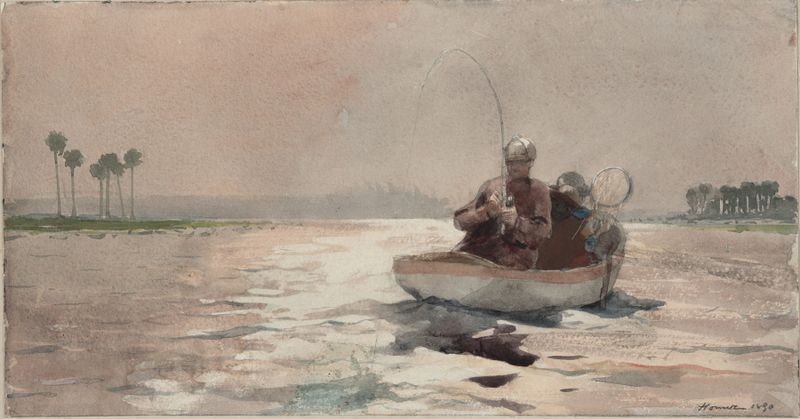
Bass Fishing – Florida
Winslow Homer




