
Study for ‘The Tenth of August 1792’ — History & Facts
Few moments in the French Revolution were as decisive—or as bloody—as the storming of the Tuileries Palace on 10 August 1792, the very event at the heart of Study for ‘The Tenth of August 1792’ by François Gérard. On that day, the Parisian mob, joined by National Guards and fédérés, surged into the royal residence, forcing King Louis XVI and his family to seek refuge with the Legislative Assembly before the monarchy itself collapsed. The violence was immediate and personal: Swiss Guards were massacred, and the fate of the monarchy was sealed in a single, chaotic afternoon.
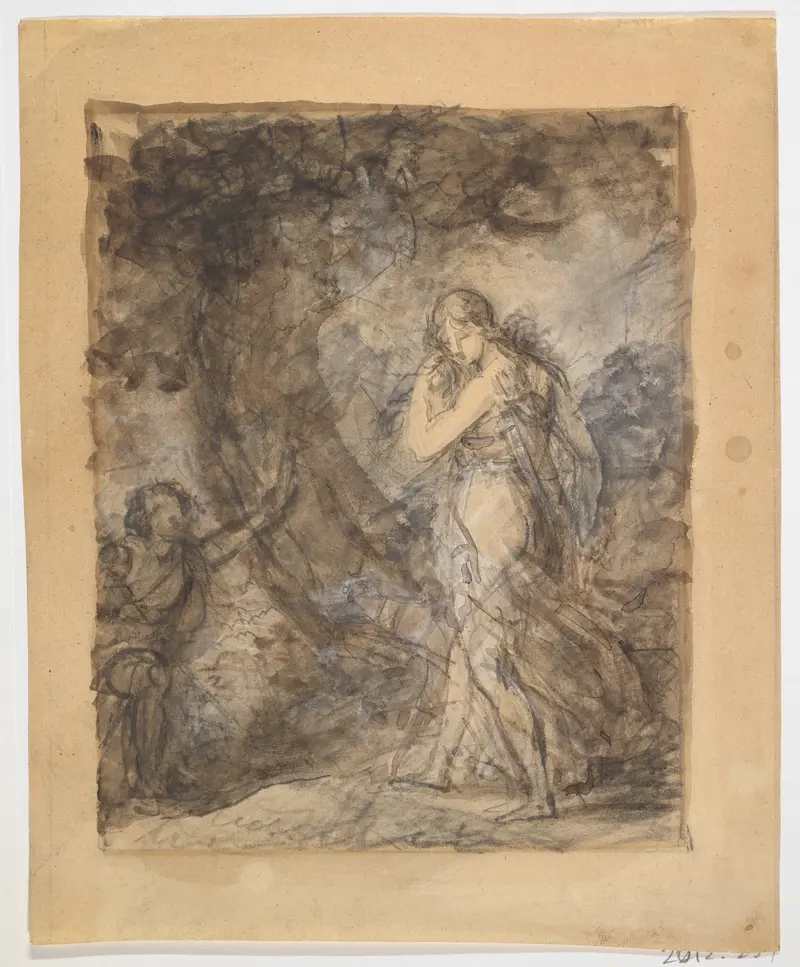
Gérard’s study, though preparatory, is a rare window into how artists of the period grappled with the raw immediacy of revolutionary history. In this study, Gérard halts the action at the very threshold of catastrophe: the defenders of the monarchy brace themselves as the insurgents press forward, weapons raised, faces contorted with fear and determination. The composition is dense with bodies, the air thick with tension—bayonets glint, flags wave, and the architecture of the palace looms over the fray. Gérard’s focus on individual faces, rather than a sweeping panorama, brings the viewer close to the human cost of revolution.
The dramatic lighting isolates key figures, casting the king’s loyalists in a stark, almost theatrical glow, reminiscent of Jacques-Louis David’s approach in The Death of Marat, where the fate of a single man stands for the fate of a nation. Every gesture, from the desperate clutch of a guard’s musket to the raised arm of a fédéré, is laden with the urgency of history in motion. The exact origins of Study for ‘The Tenth of August 1792’ remain uncertain: neither its commission nor its intended final form are fully documented, and the medium itself is not firmly established. What is clear is that Gérard, a pupil of David and a leading figure of the Neoclassical movement, was deeply engaged with the events of his own time, often returning to revolutionary themes in both sketches and finished canvases.
While this study may never have been realized as a completed painting, it stands as a testament to the artist’s ambition to memorialize contemporary history. Today, the work survives as a fragment of a larger vision, its journey through collections and exhibitions less known than its subject matter, but its immediacy and intensity continue to speak to viewers and scholars alike.
More Artworks by François Gérard

Portrait of Emperor Napoleon I
François Gérard
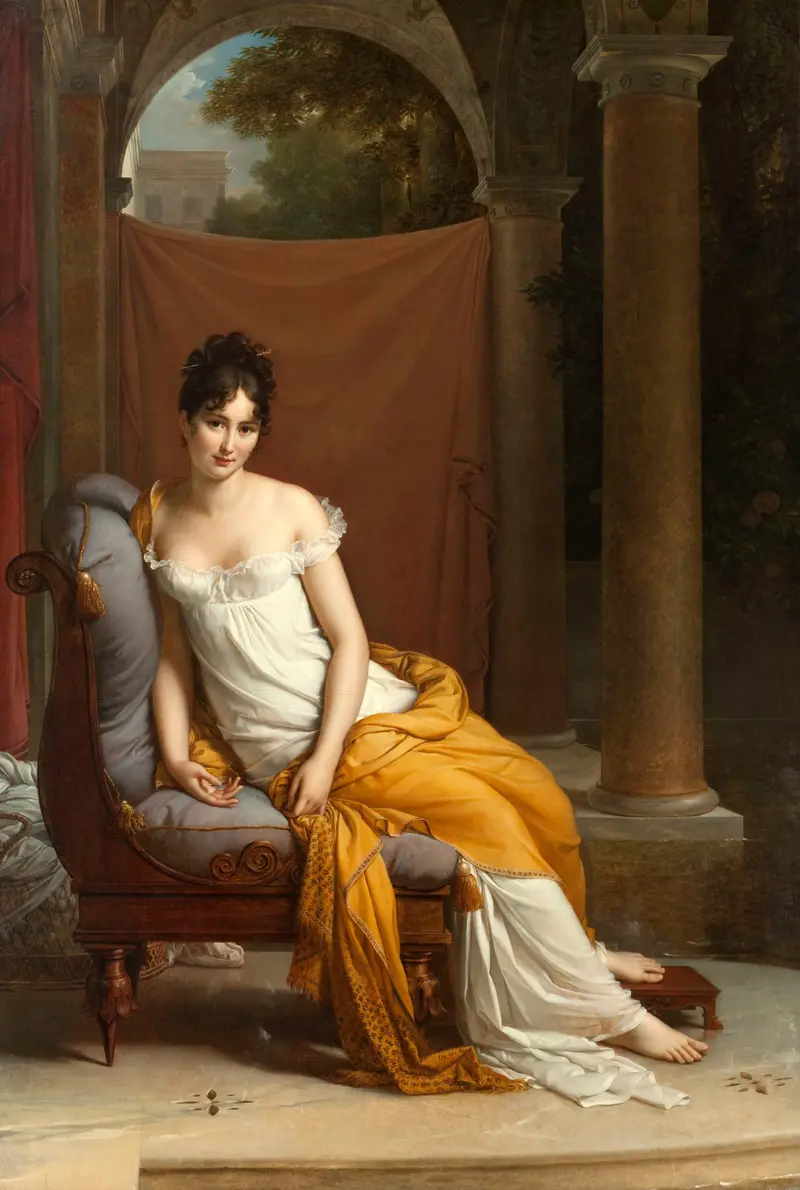
Portrait of Juliette Récamier, née Bernard
François Gérard
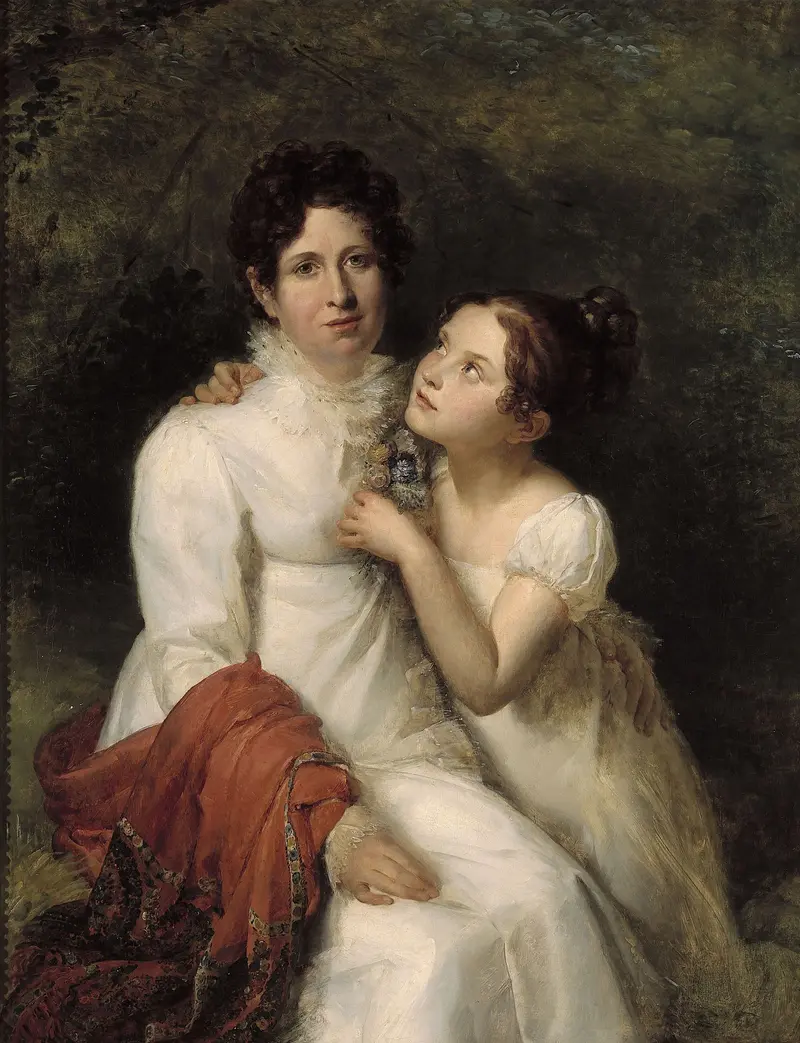
Portrait de Madame Bauquin Du Boulay et de sa nièce Mademoiselle Bauquin de La Souche
François Gérard
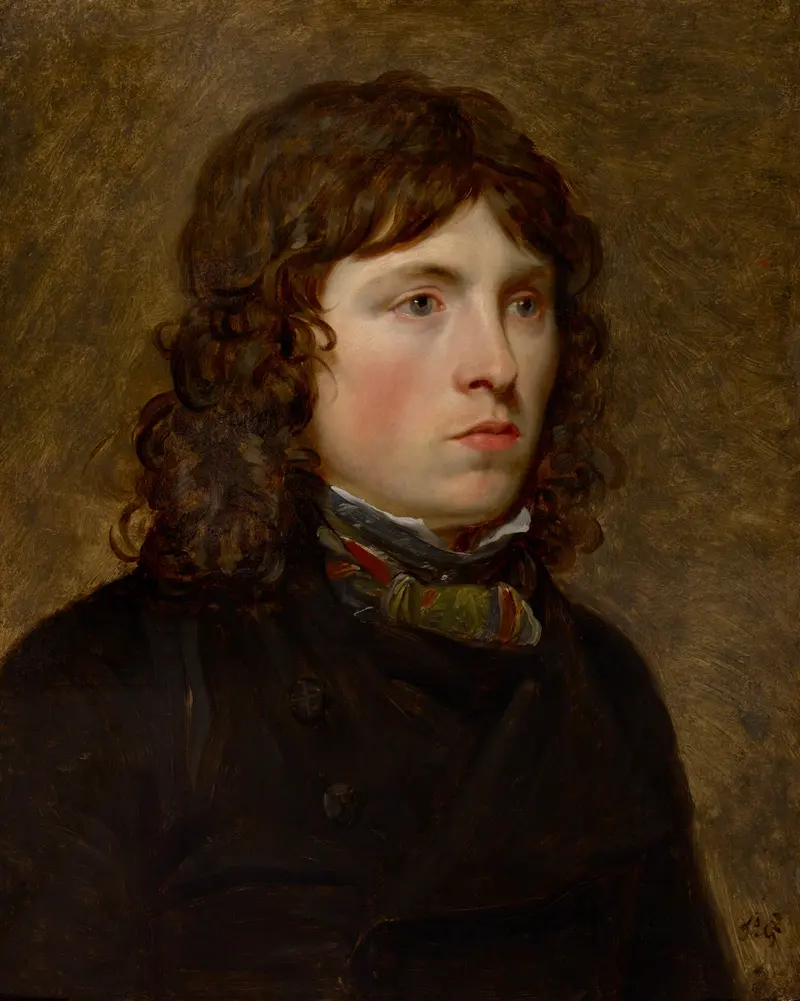
Portrait of G. F. Reverdin
François Gérard
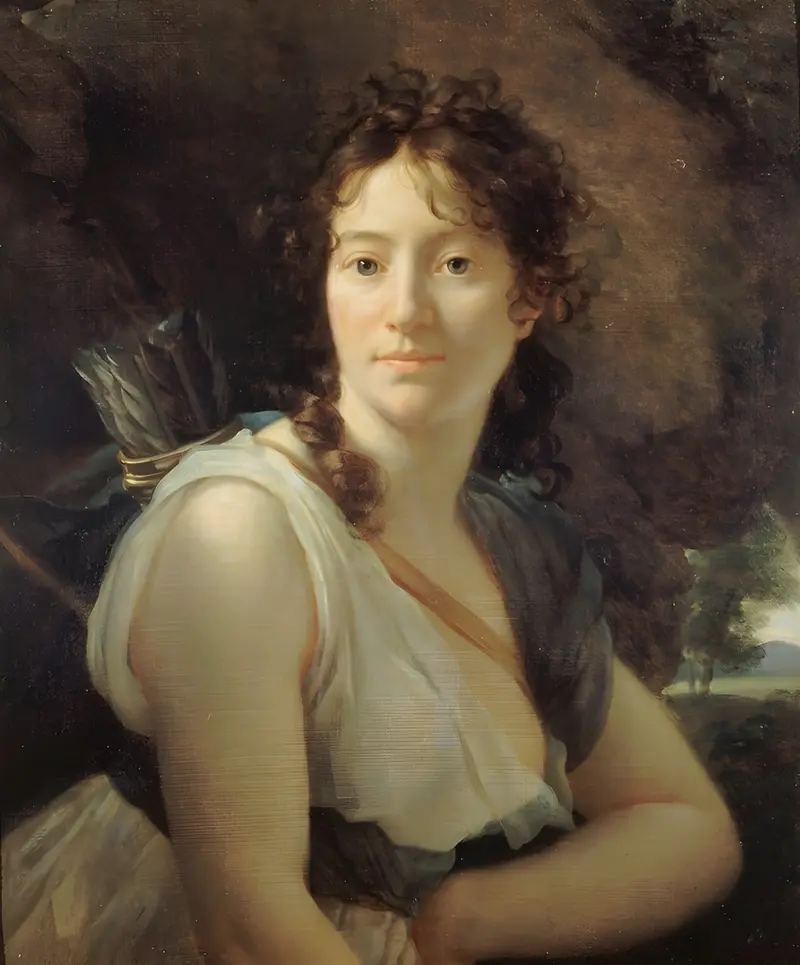
Portrait Of Mademoiselle Duchesnois (1777-1835), Member Of The Comédie-Française, In The Role Of Dido.
François Gérard
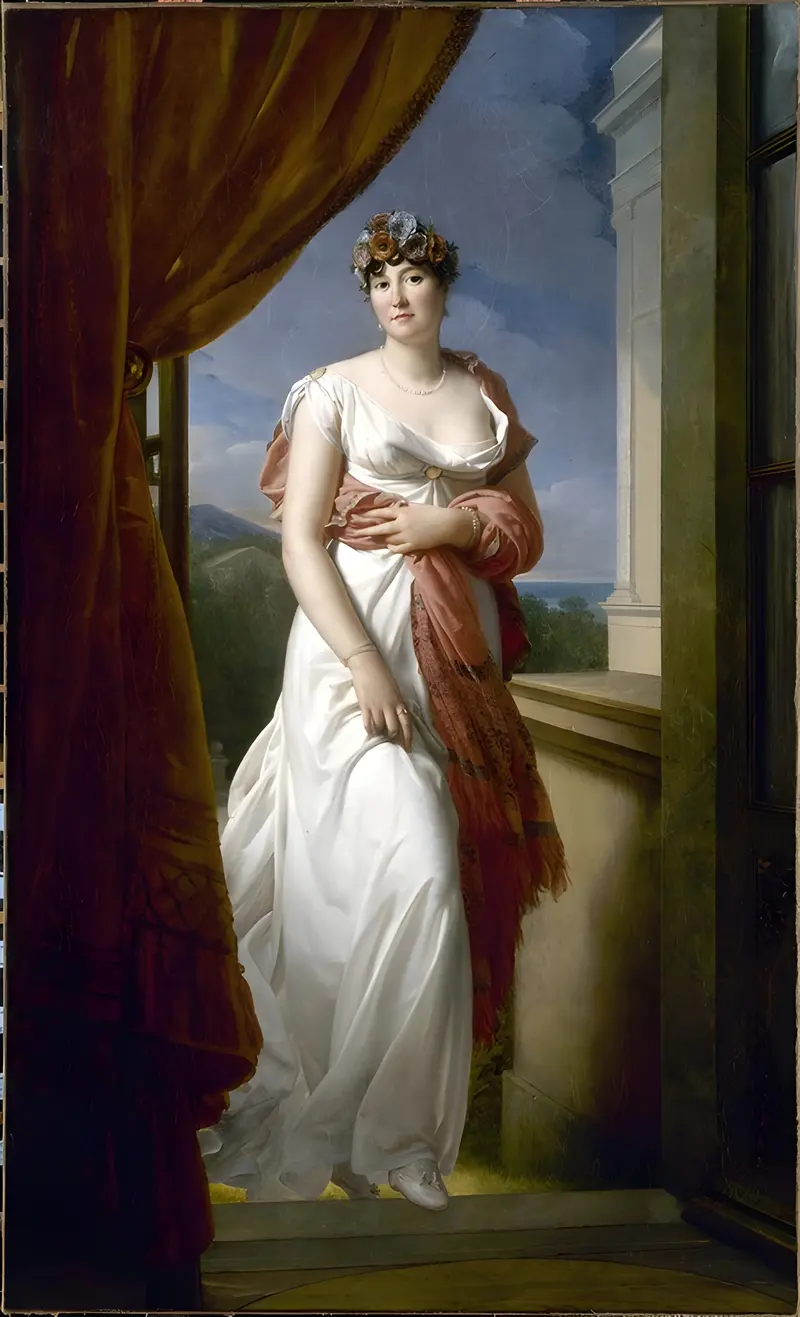
Portrait Of Theresia Cabarrus (1773-1835), Wife Tallien, Then Princess Of Caraman-Chimay
François Gérard
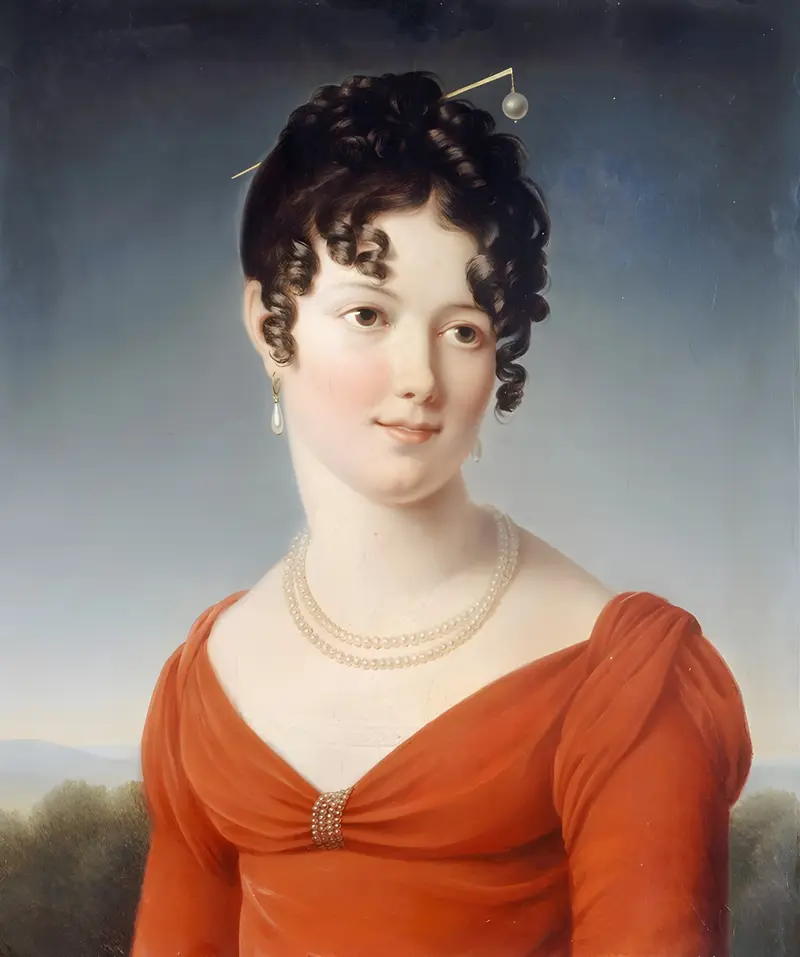
Bust Portrait Of Alexandrine-Anne De La Pallu, Marquise De Flers (1786-1832)
François Gérard
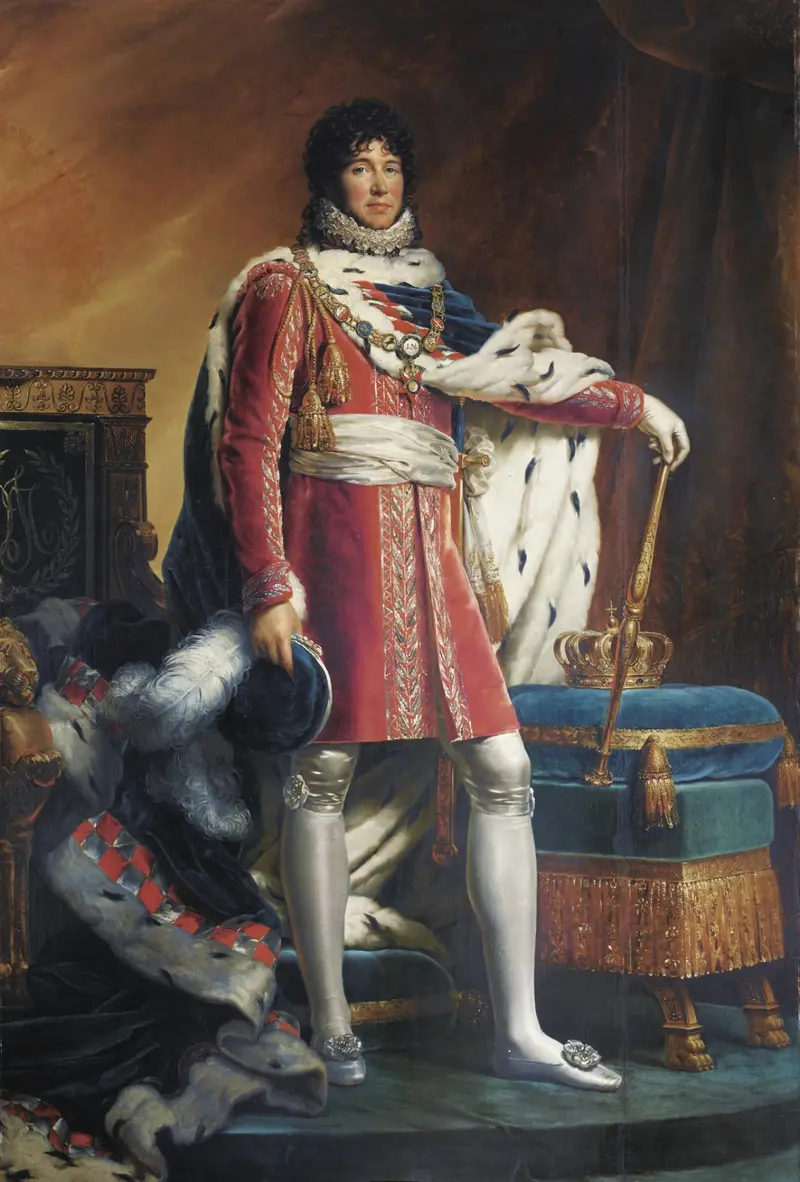
Portrait of Joachim Napoléon Murat, King of Naples and of the two Sicilies
François Gérard
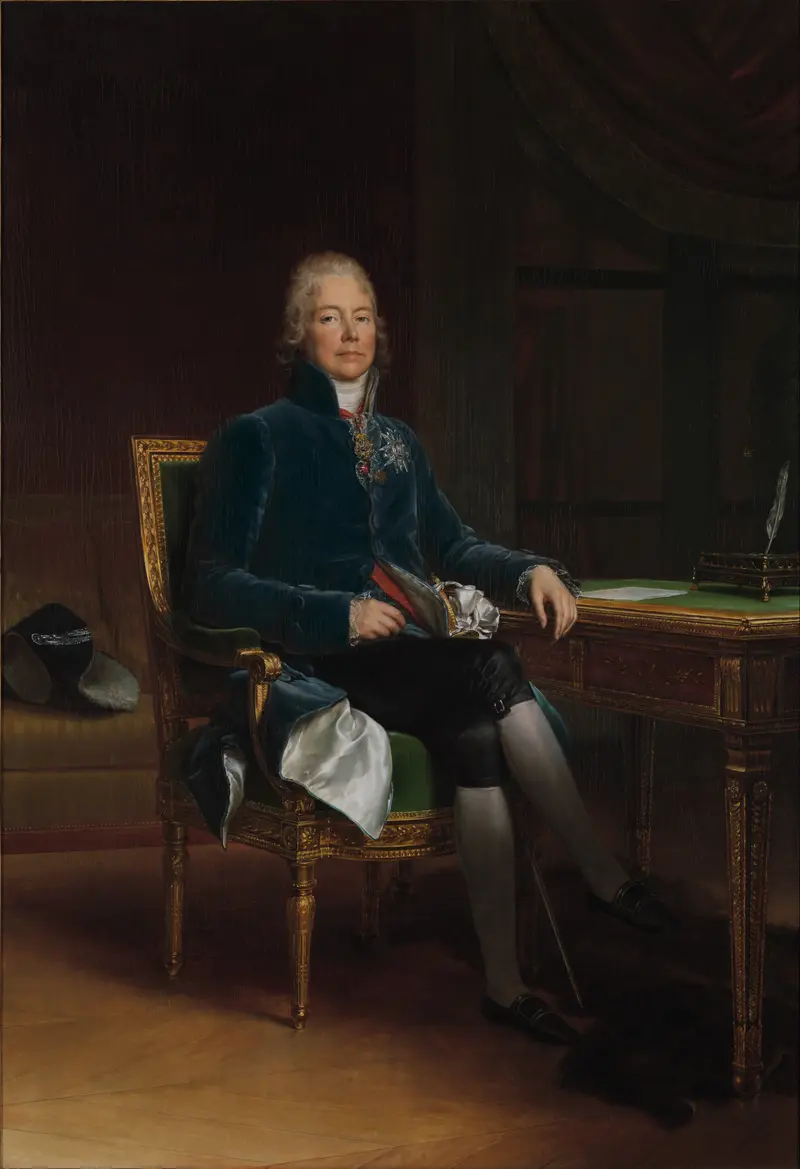
Charles Maurice de Talleyrand Périgord (1754–1838), Prince de Bénévent
François Gérard
Daphnis Running toward Chloe
François Gérard





