
Study of a Seated Man — History & Facts
No one knows for certain whom the young Pontormo was observing when he created Study of a Seated Man, but the drawing’s searching lines and restless energy have led scholars to see it as a window into the artist’s own working process. Unlike the finished altarpieces and portraits that made Pontormo famous in Florence, this sheet is a rare survival from the artist’s private world, a glimpse of how he thought through the human form. The anonymity of the sitter and the lack of a clear commission have fueled debate: was this a study for a now-lost painting, or simply an exercise in observation? The absence of a date or signature only deepens the mystery. The man sits, body turned three-quarters, head bowed as if lost in thought or prayer.
Pontormo’s quick, searching strokes capture not only the weight of the figure but also a sense of inner tension—shoulders hunched, hands perhaps clasped or resting in his lap. The play of light across the folds of the sitter’s garment suggests a real presence, while the unfinished quality leaves the viewer suspended in the moment of creation. Unlike the poised, idealized studies of Leonardo da Vinci, here the figure seems caught mid-breath, his humanity emphasized by the immediacy of the artist’s hand. As with many of Pontormo’s drawings, the precise purpose and provenance of Study of a Seated Man remain uncertain.
It likely dates from the early decades of the sixteenth century, a period when Florentine artists were increasingly using life studies to prepare for complex compositions. Surviving sheets like this one are treasured for the insight they offer into Pontormo’s restless creativity and his pivotal role in the transition from the High Renaissance to Mannerism. Today, the drawing is preserved in a museum collection, its fragile paper a reminder of the fleeting moments it captures—moments that, centuries later, still invite us to look and wonder.
More Artworks by Pontormo (Jacopo Carucci)
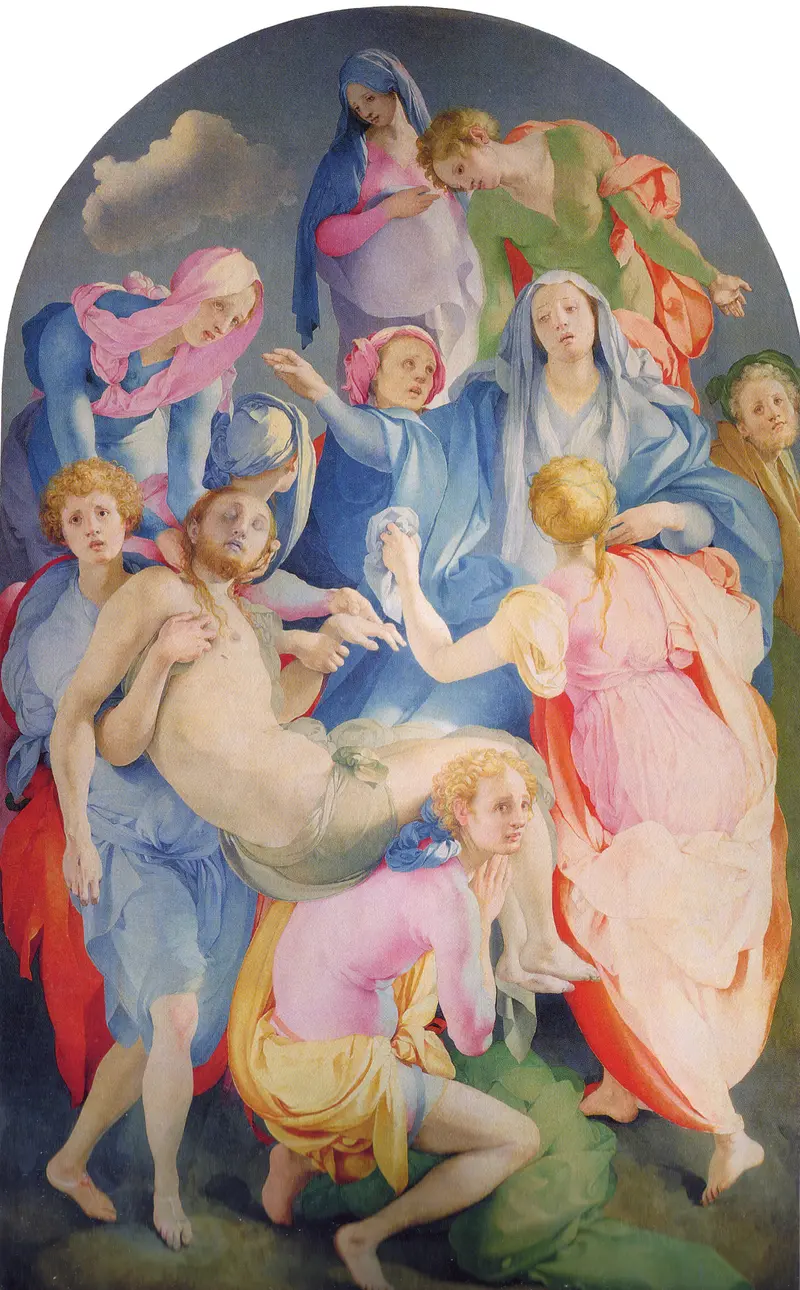
The Deposition from the Cross
Pontormo (Jacopo Carucci)
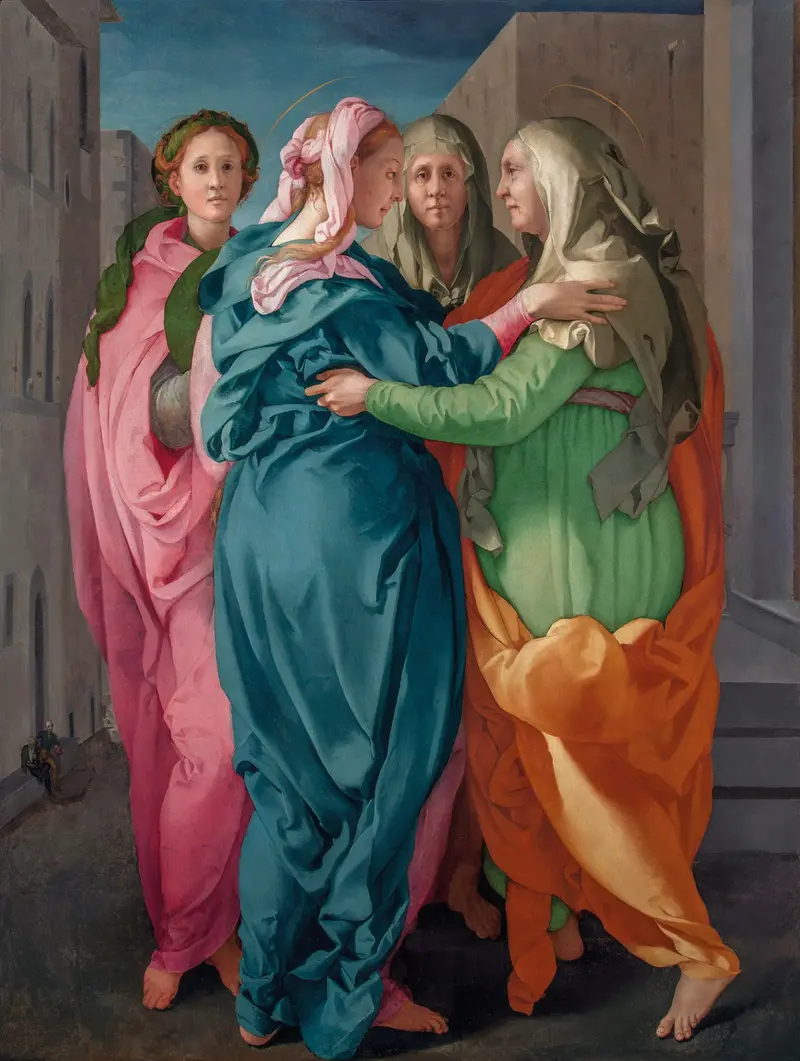
The Visitation (Carmignano)
Pontormo (Jacopo Carucci)
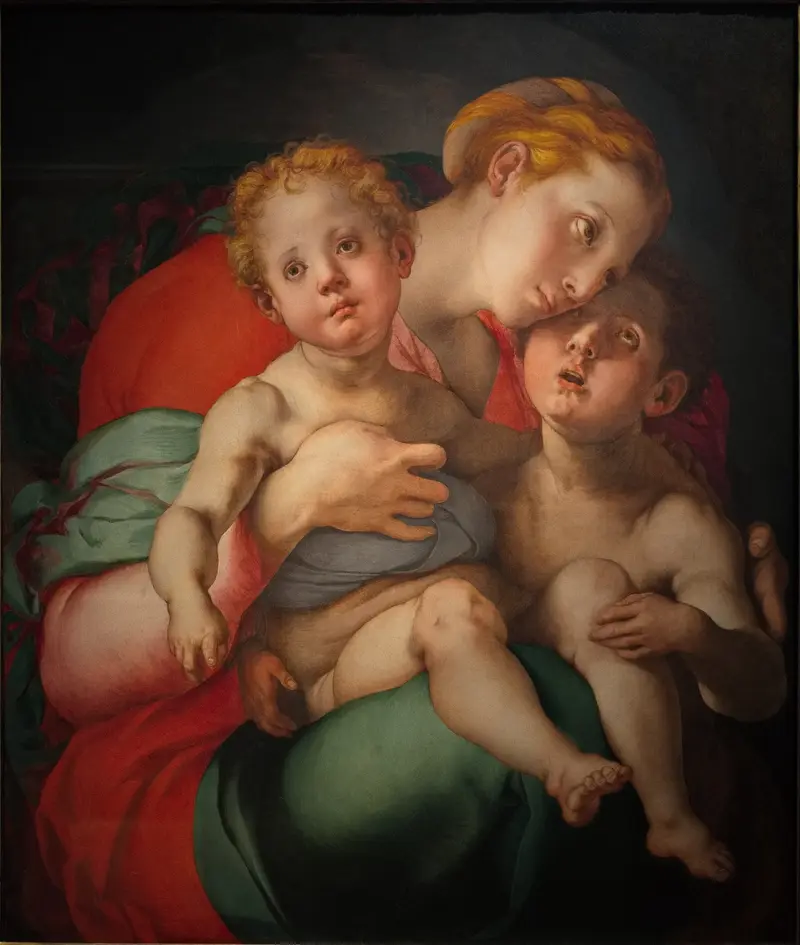
Madonna with Child and the young Saint John
Pontormo (Jacopo Carucci)
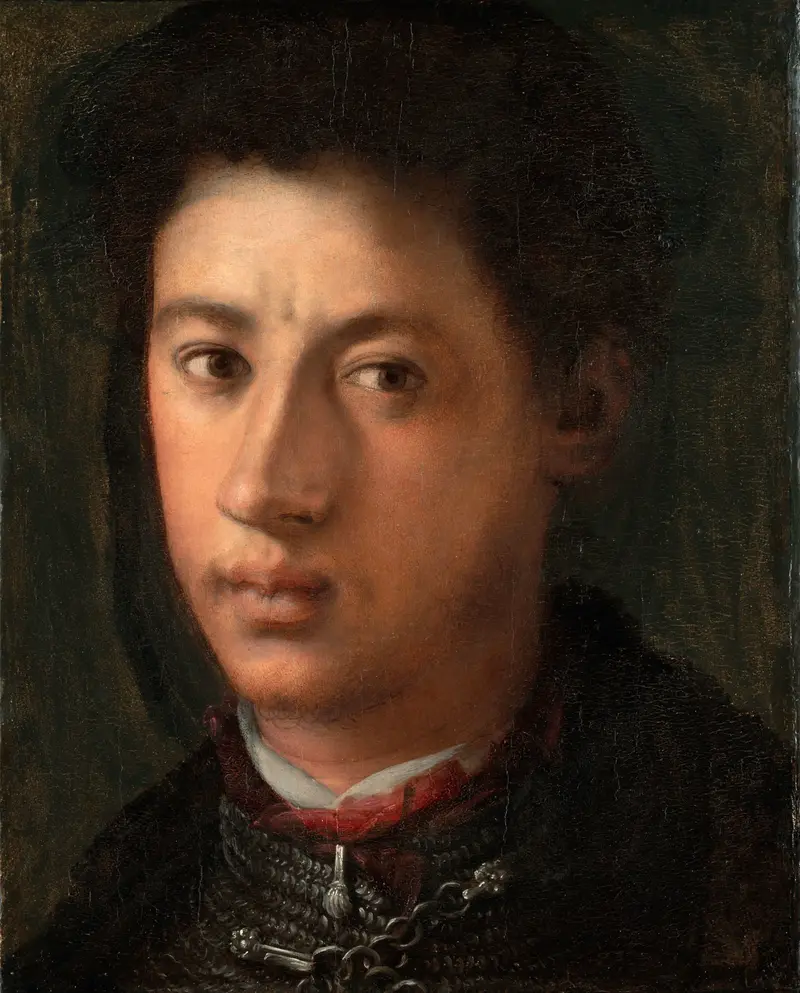
Alessandro de’ Medici
Pontormo (Jacopo Carucci)
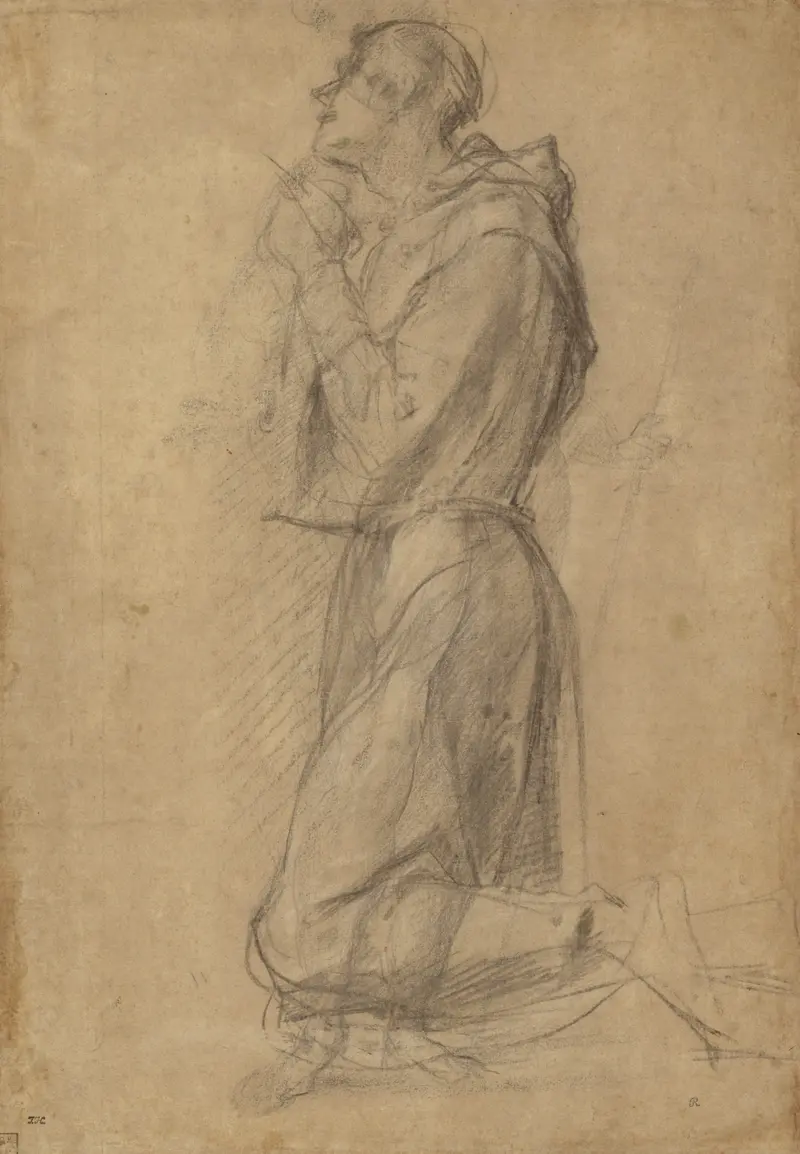
Saint Francis
Pontormo (Jacopo Carucci)
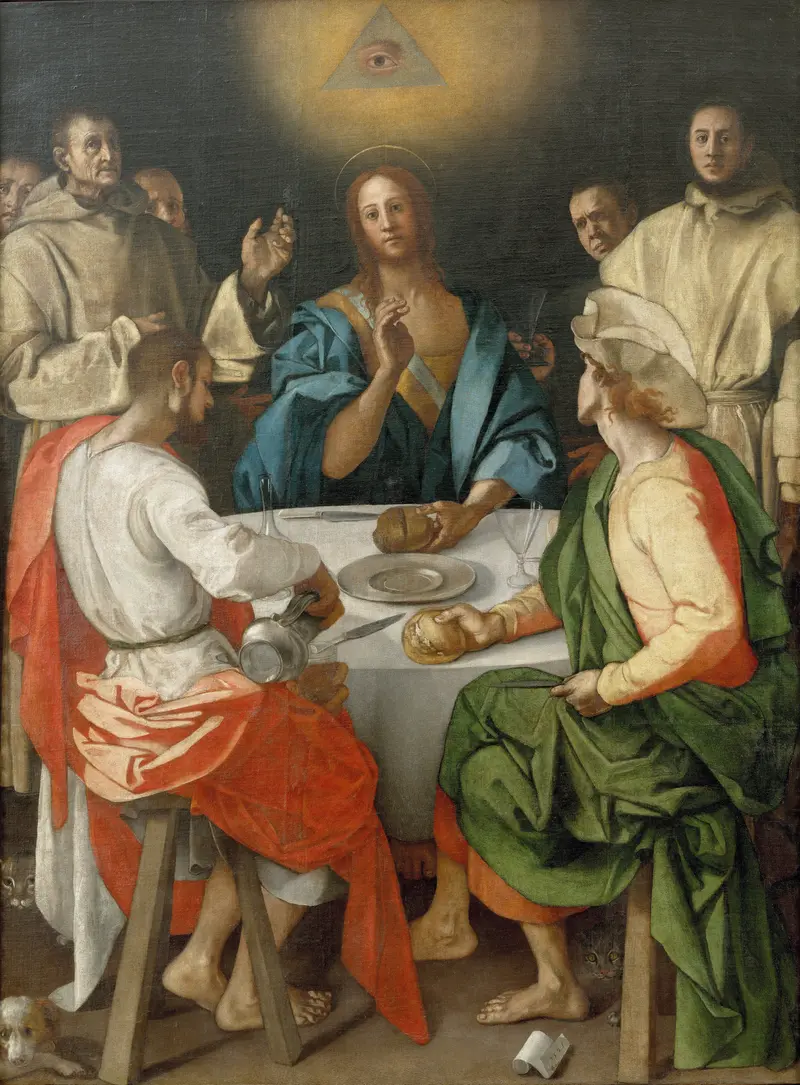
Supper at Emmaus
Pontormo (Jacopo Carucci)
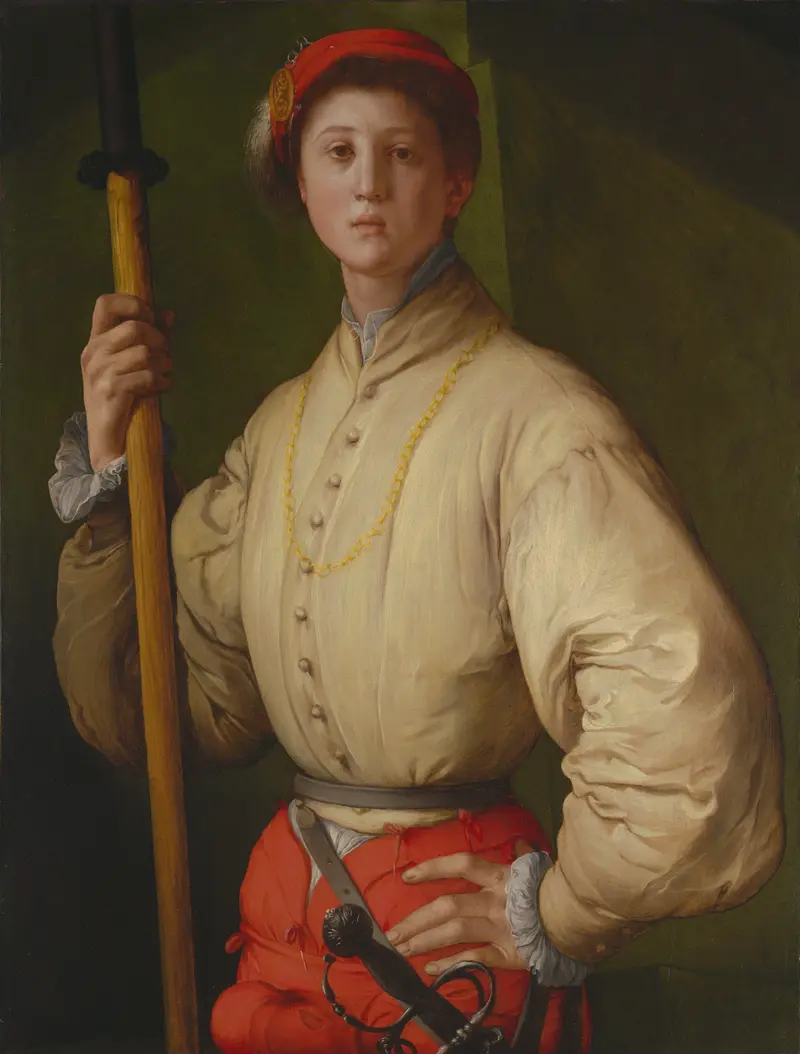
Portrait of a Halberdier
Pontormo (Jacopo Carucci)
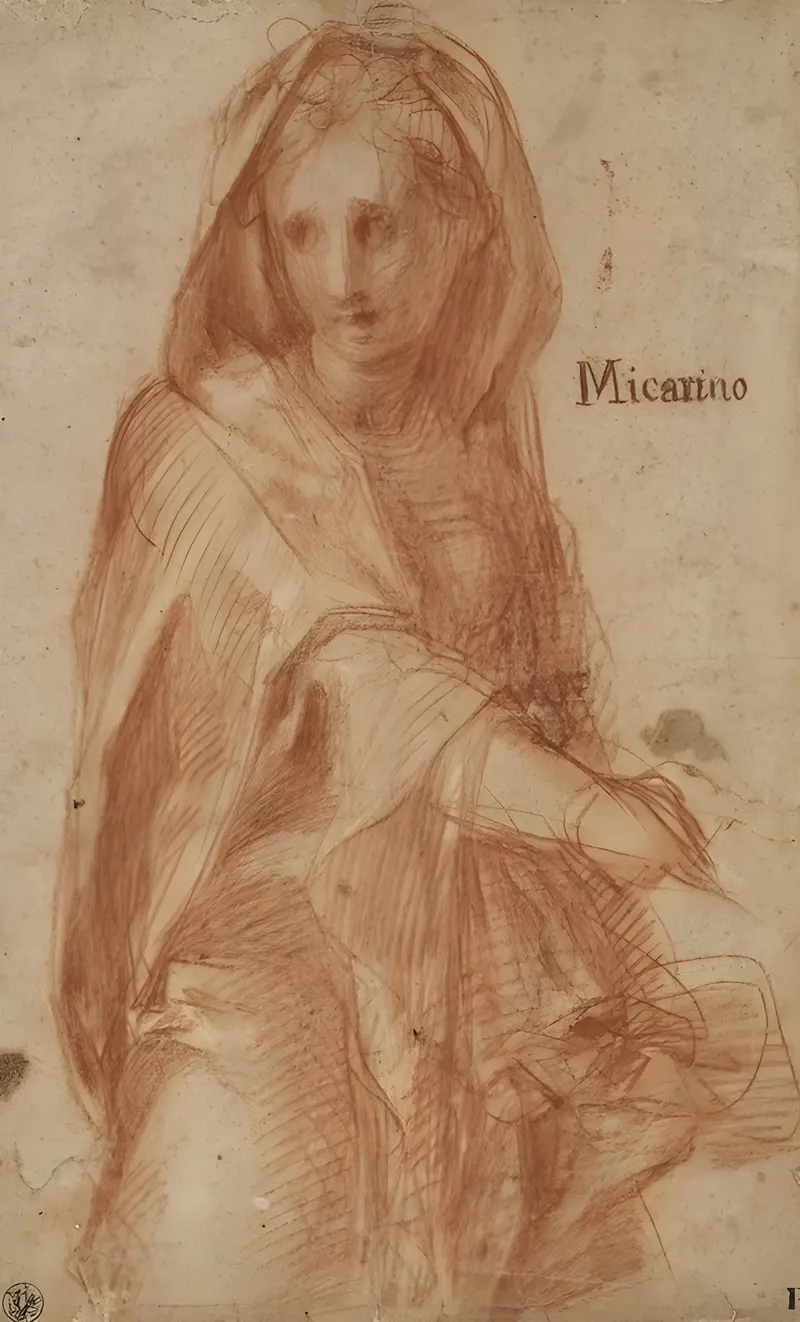
Female figure with covered head (study for a figure in the fresco of the Visitation in Santissima Annunziata)
Pontormo (Jacopo Carucci)
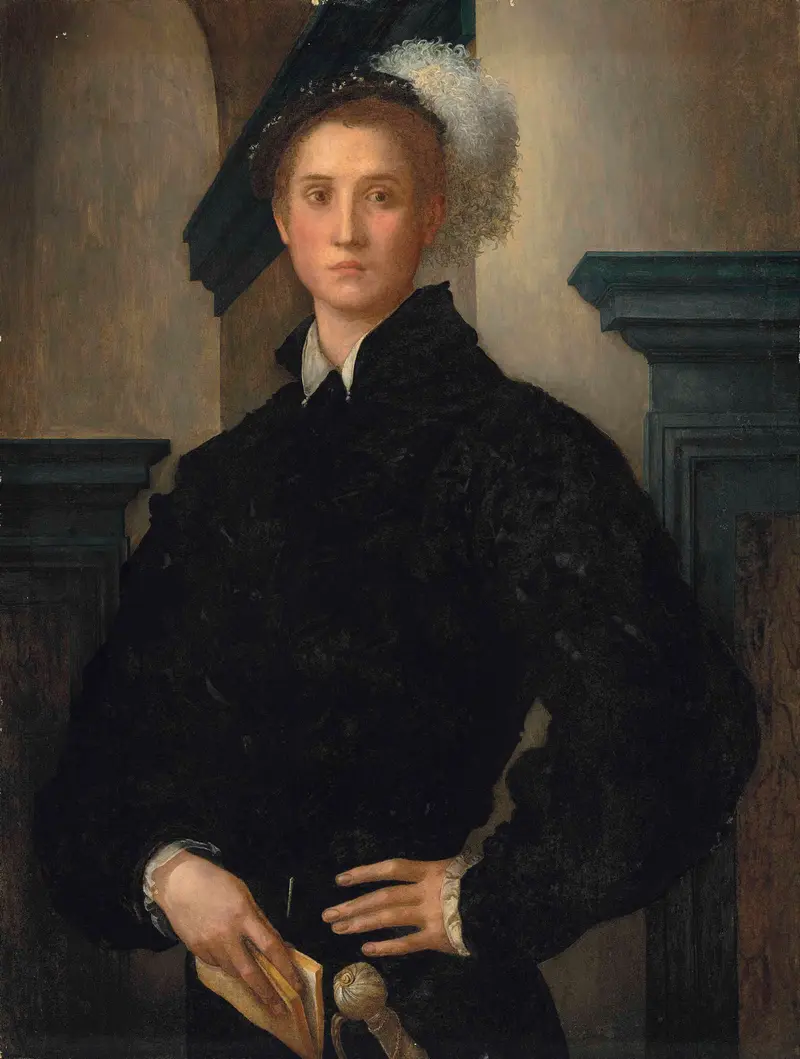
Portrait Of Cosimo I De Medici
Pontormo (Jacopo Carucci)
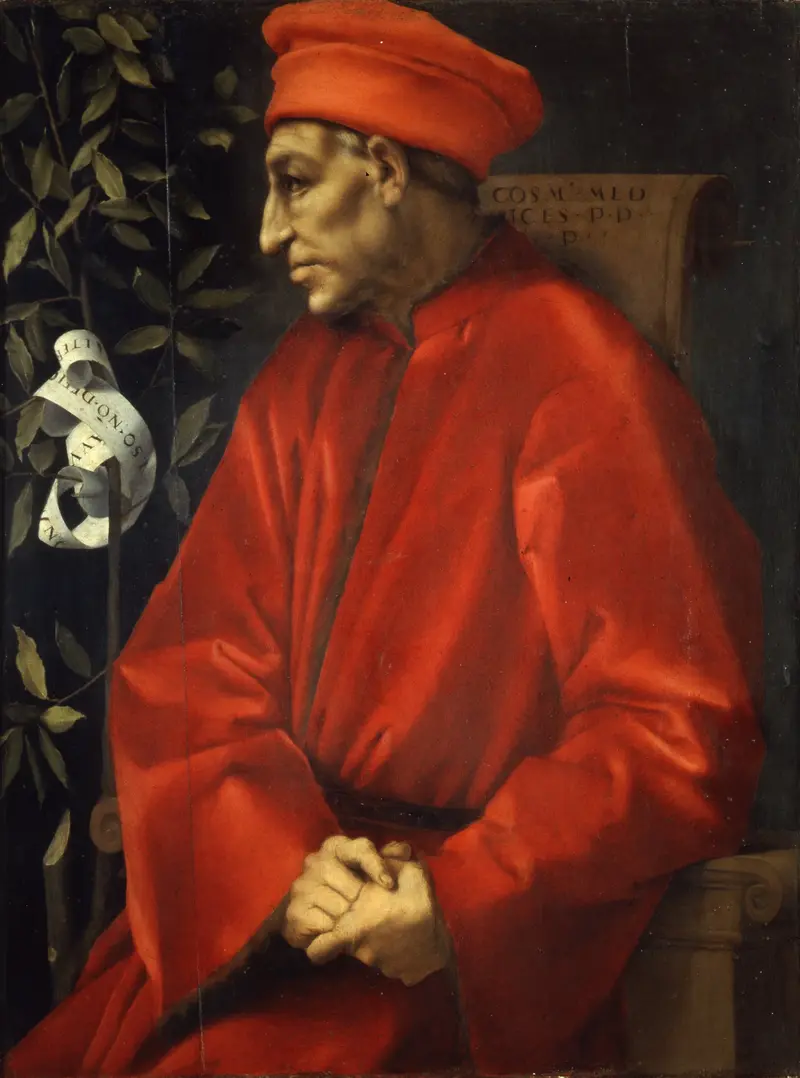
Portrait of Cosimo de’ Medici the Elder
Pontormo (Jacopo Carucci)




