Study of Water and Plants — History & Facts
Could a single brushstroke hold eternity? In Study of Water and Plants, nature unfolds like a poem, inviting us to contemplate the quiet dance of life and hope within its gentle embrace. Look to the center of the canvas where delicate, verdant plants emerge from the water, their leaves glistening with reflections that shimmer like memories. The artist employs a soft palette of greens and blues, invoking a serene atmosphere that envelops the viewer. Notice how the water’s surface mirrors the delicate foliage above, creating a harmony that blurs the boundaries between earth and sky.
Each brushstroke seems to weave stories of growth and resilience, inviting a sense of tranquility that is both profound and fleeting. Beneath its tranquil surface lies an emotional tension—a reminder of the impermanence of beauty and life itself. The juxtaposition of the vibrant plants against the still water suggests a fragile yet persistent existence, one that thrives despite uncertainty. There’s an undercurrent of hope inherent in the work, as if each reflection speaks of dreams yet to be realized, capturing the essence of life's transient moments. Thomas Fearnley created this piece in 1837, amidst a flourishing period of Romanticism, while he was living in Norway.
His exploration of landscape painting was marked by a deep appreciation for nature, reflecting the broader themes of the era that sought to evoke emotion and reverence for the natural world. During this time, Fearnley was influenced by the picturesque beauty surrounding him, crafting works that blend observation with an inherent sense of longing.
More Artworks by Thomas Fearnley
Browse all →
Norwegian Landscape, Marumfoss
Thomas Fearnley

View of the Oslofjord
Thomas Fearnley

Gudvangen
Thomas Fearnley

Stormy Landscape with a Rider
Thomas Fearnley
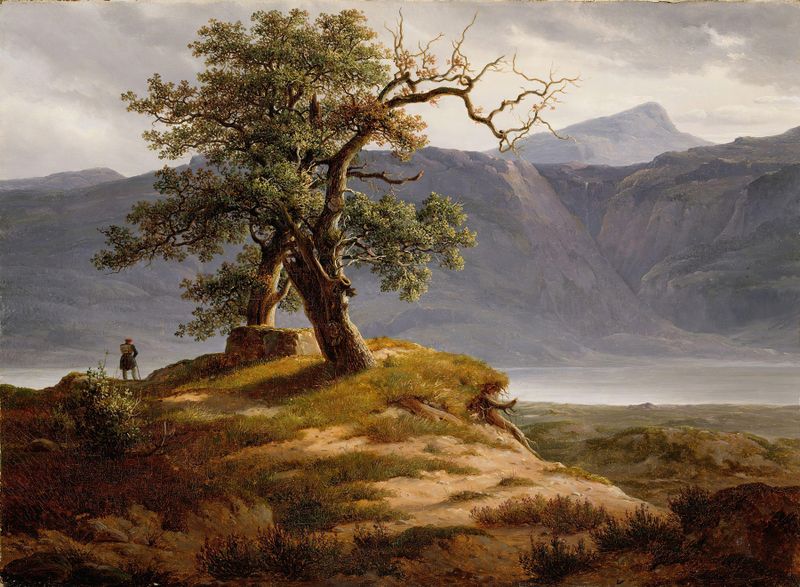
Landscape with a Wanderer
Thomas Fearnley
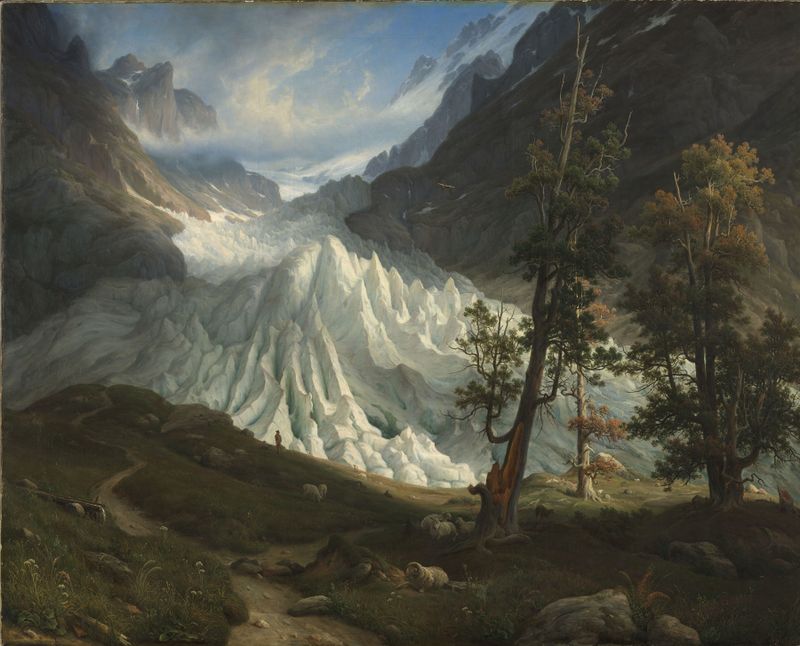
The Grindelwaldgletscher
Thomas Fearnley

Clouds over the Fjord
Thomas Fearnley
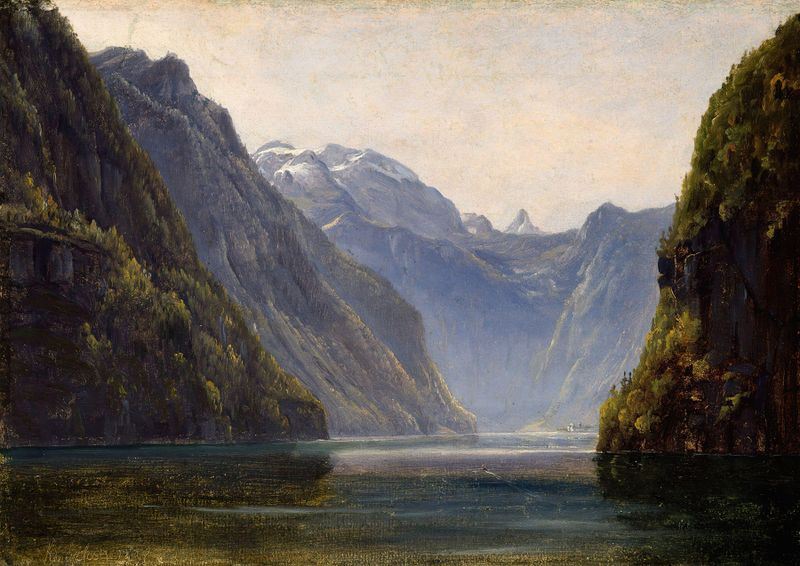
From Königssee
Thomas Fearnley

The Bridge of Hauge outside Arendal
Thomas Fearnley

King Vilhelm II’s ceremonial Processsion in Amsterdam in 1840
Thomas Fearnley