Summer Evening, Landscape in Italy — History & Analysis
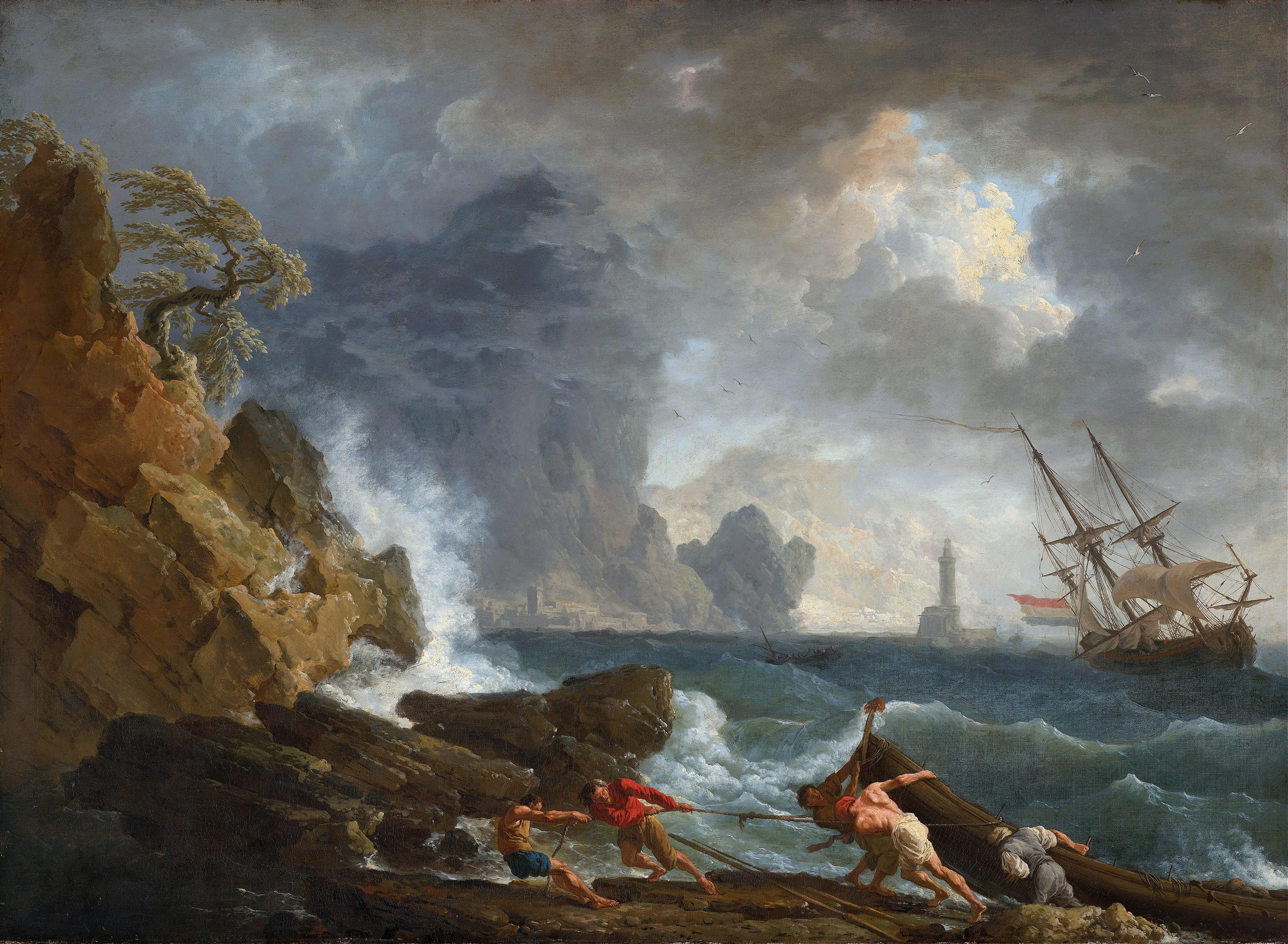
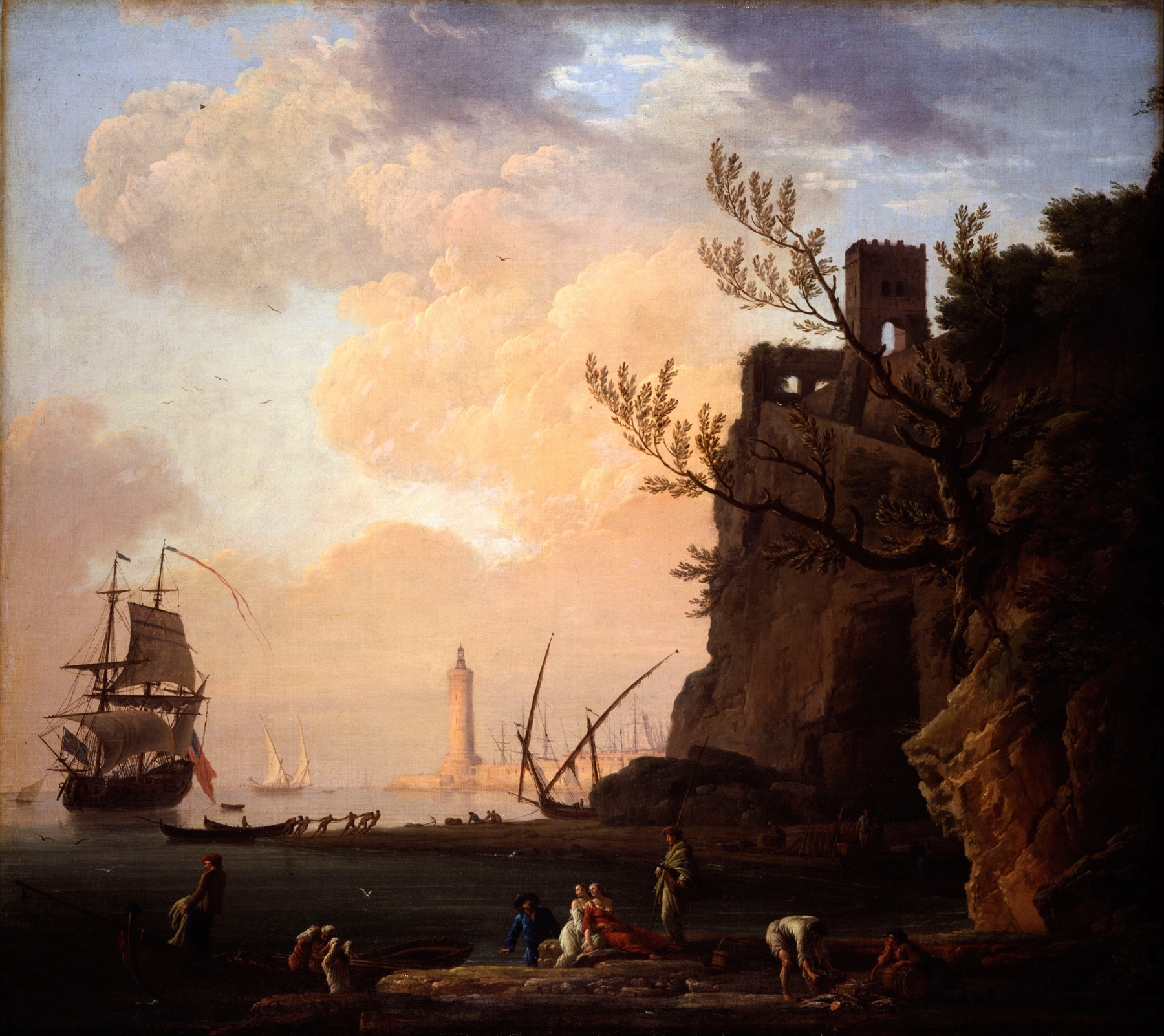
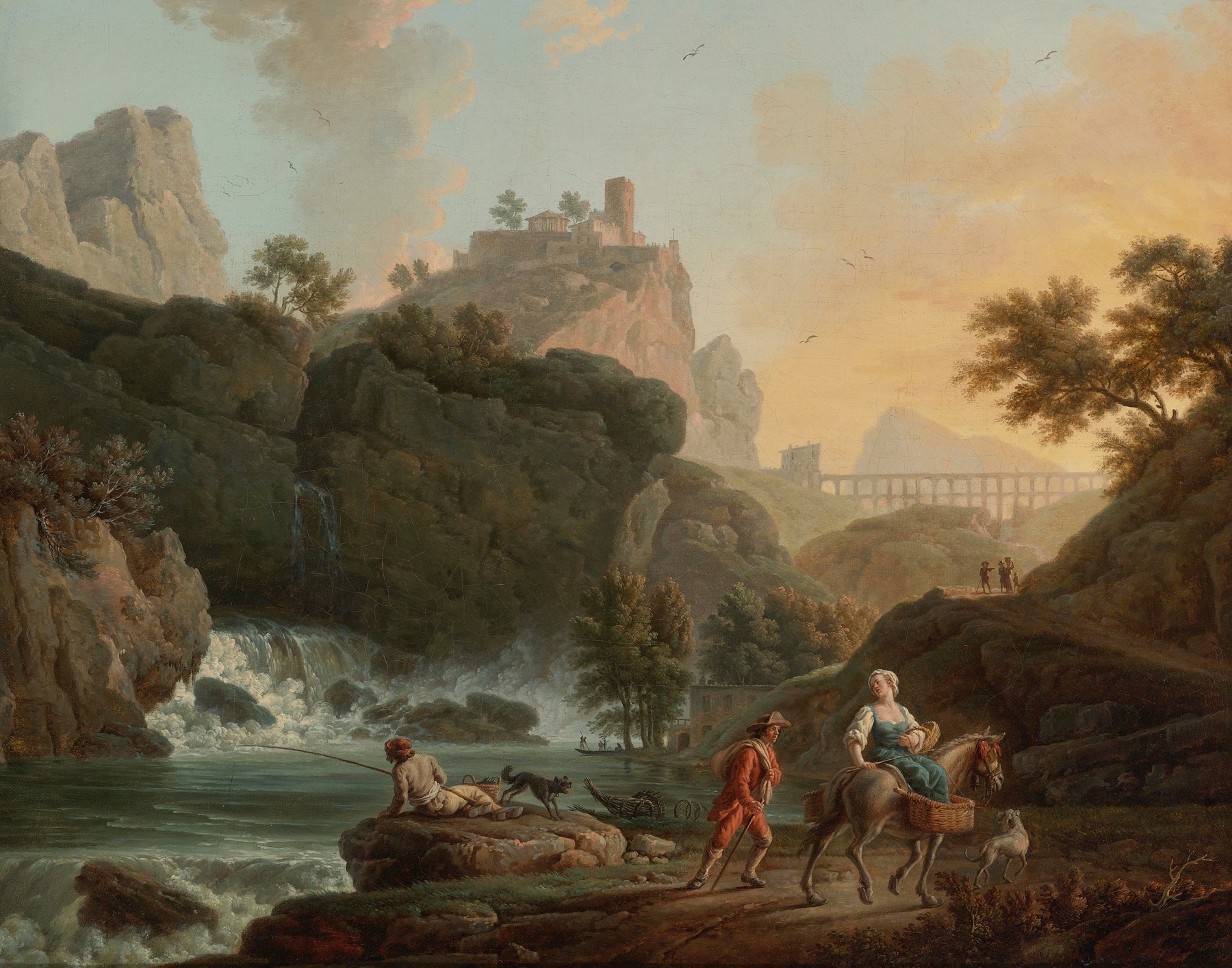
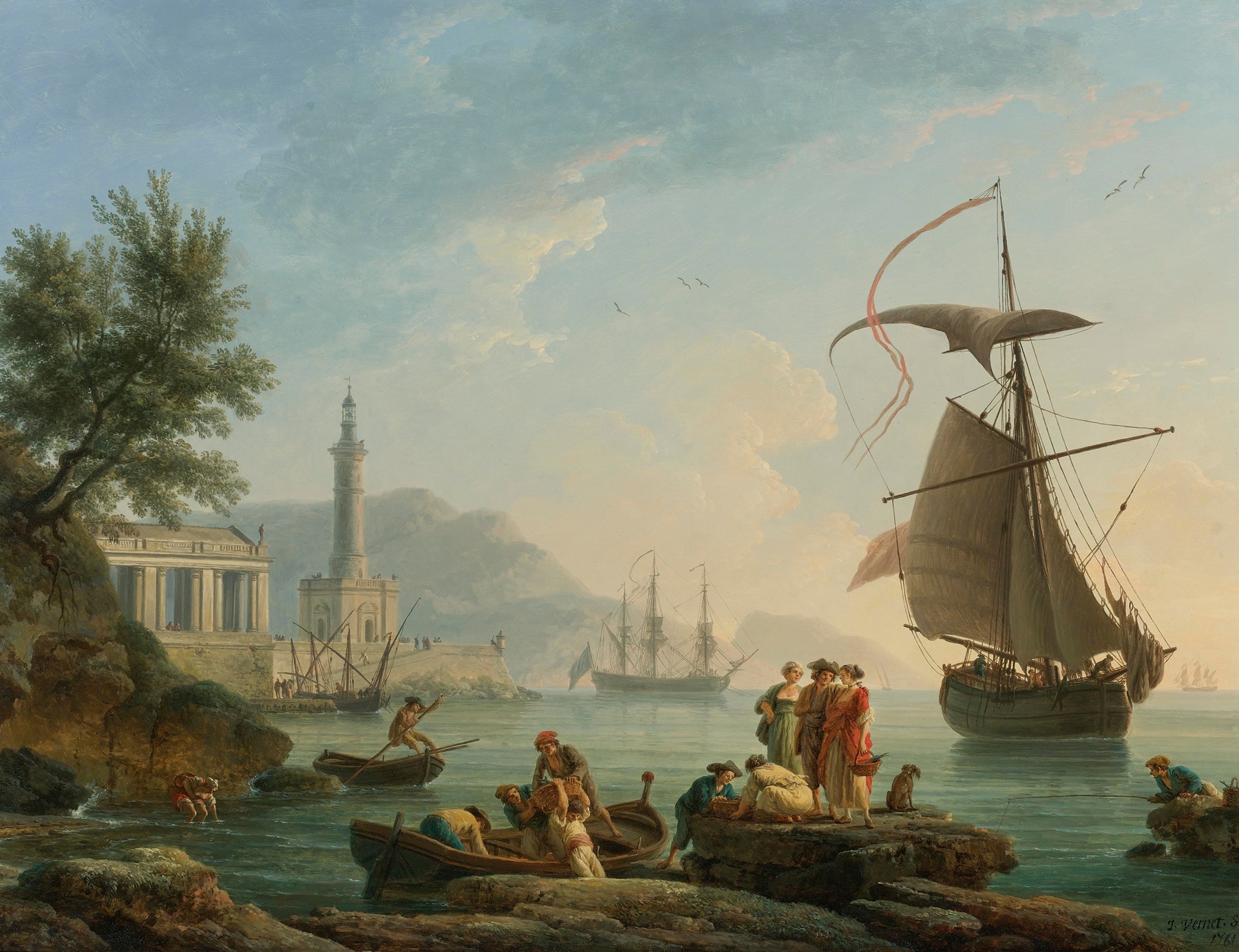
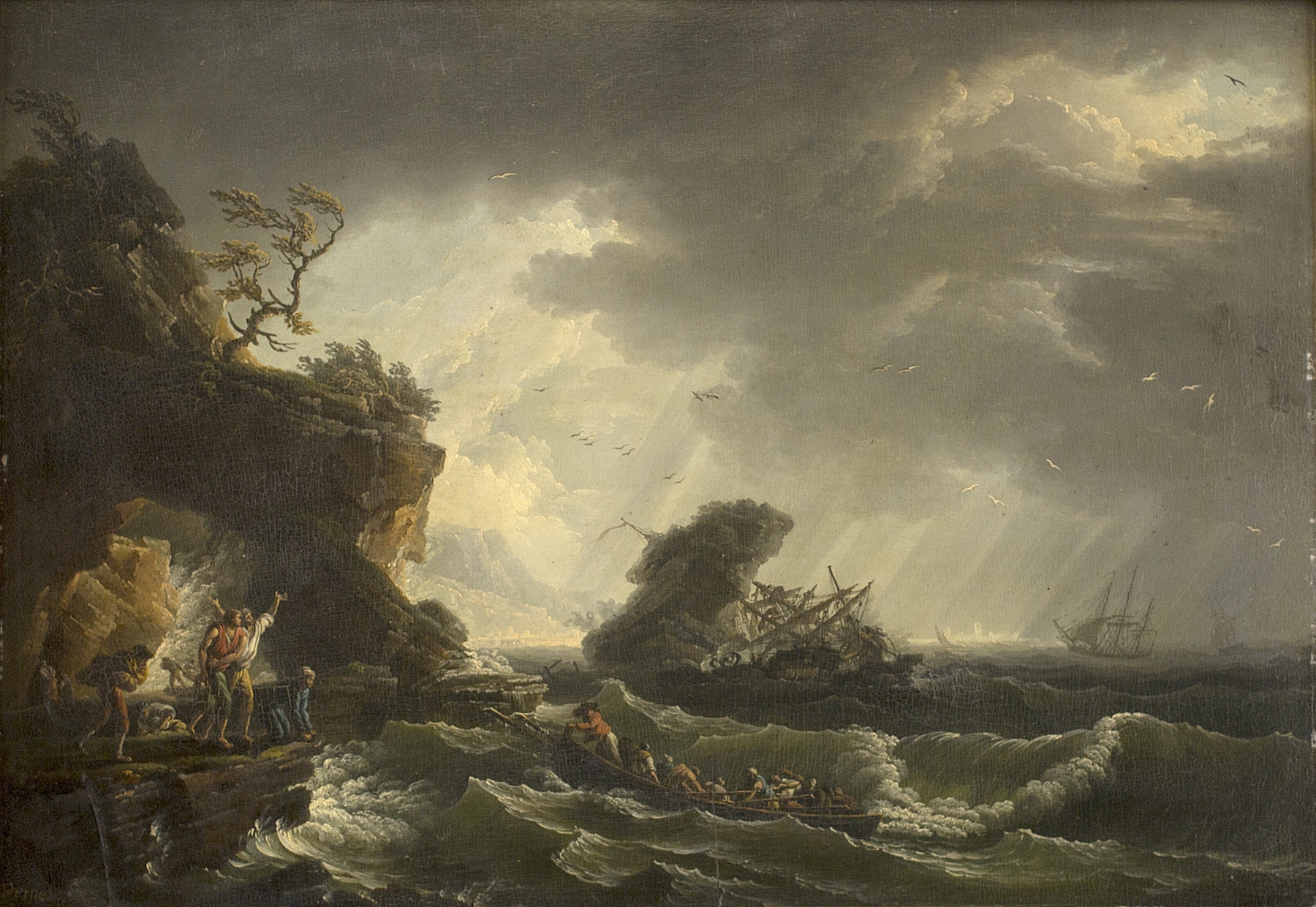
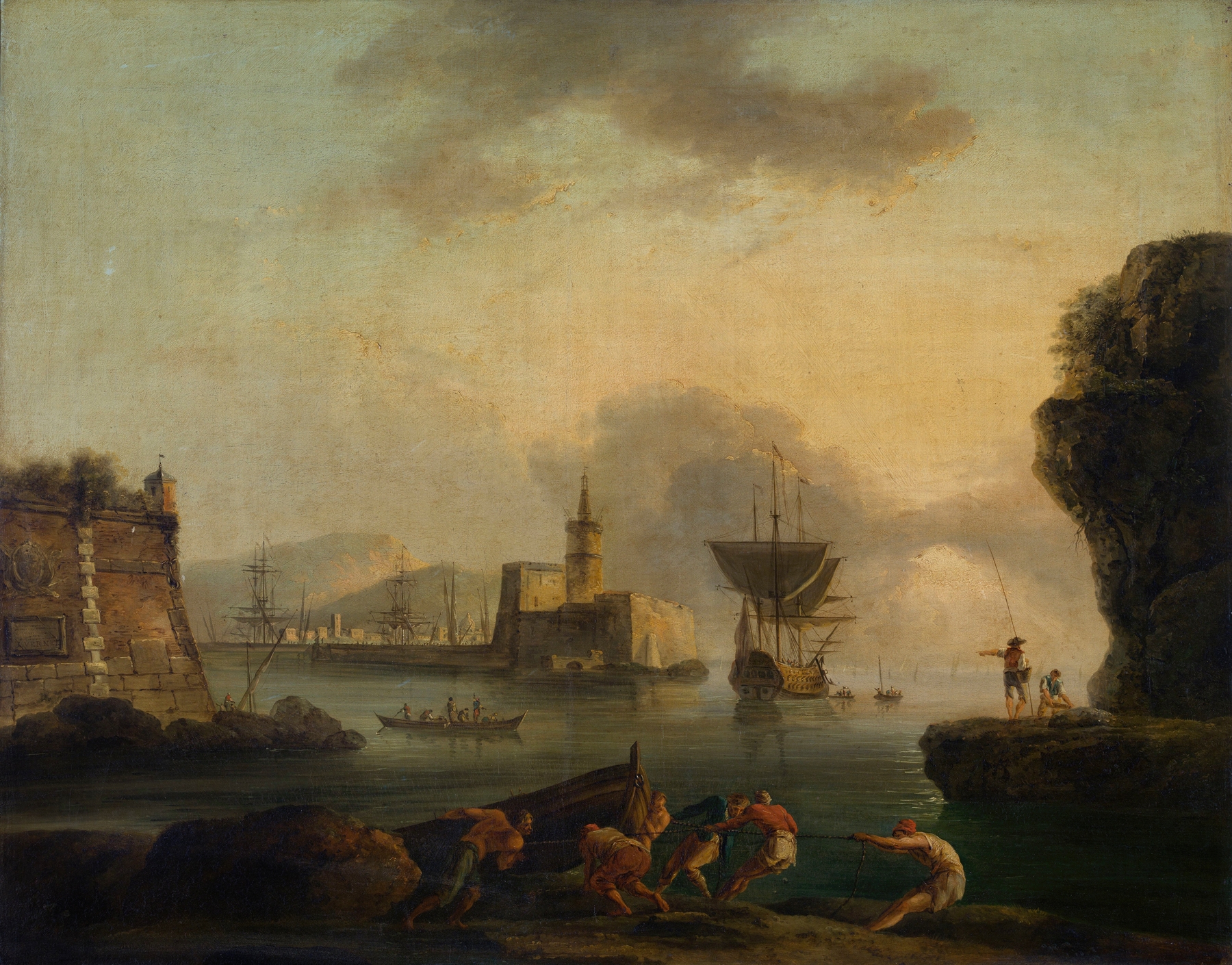
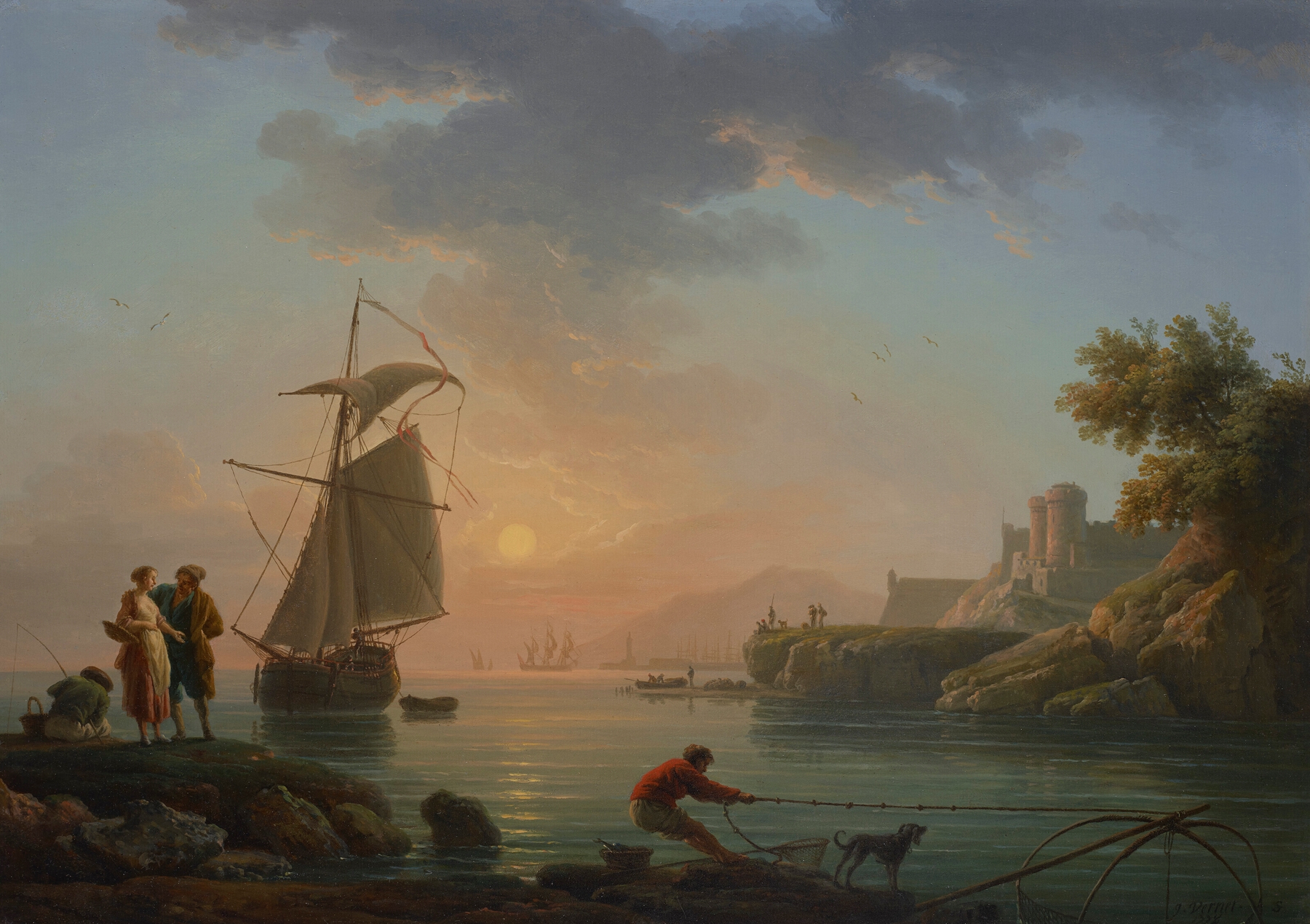
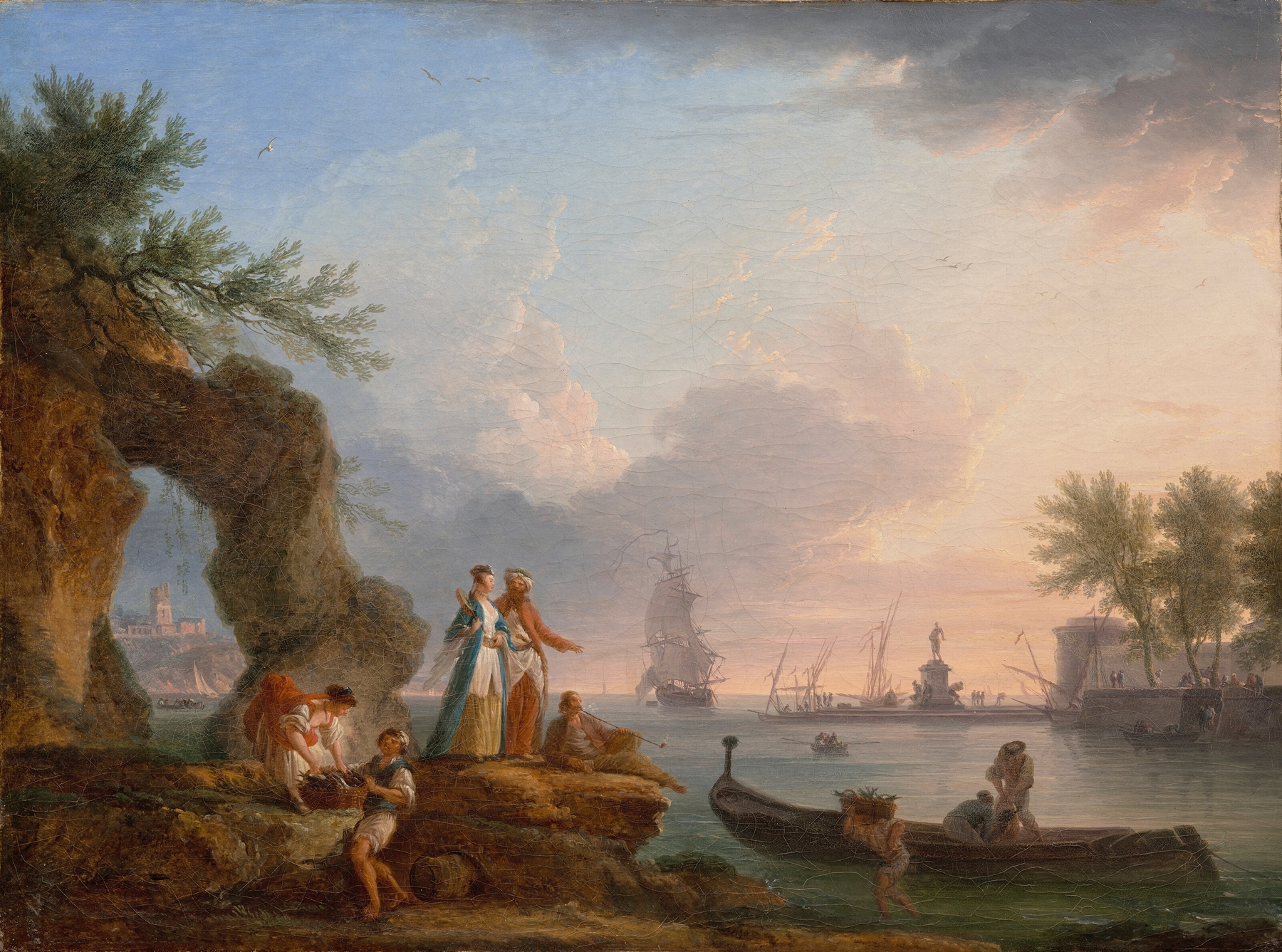
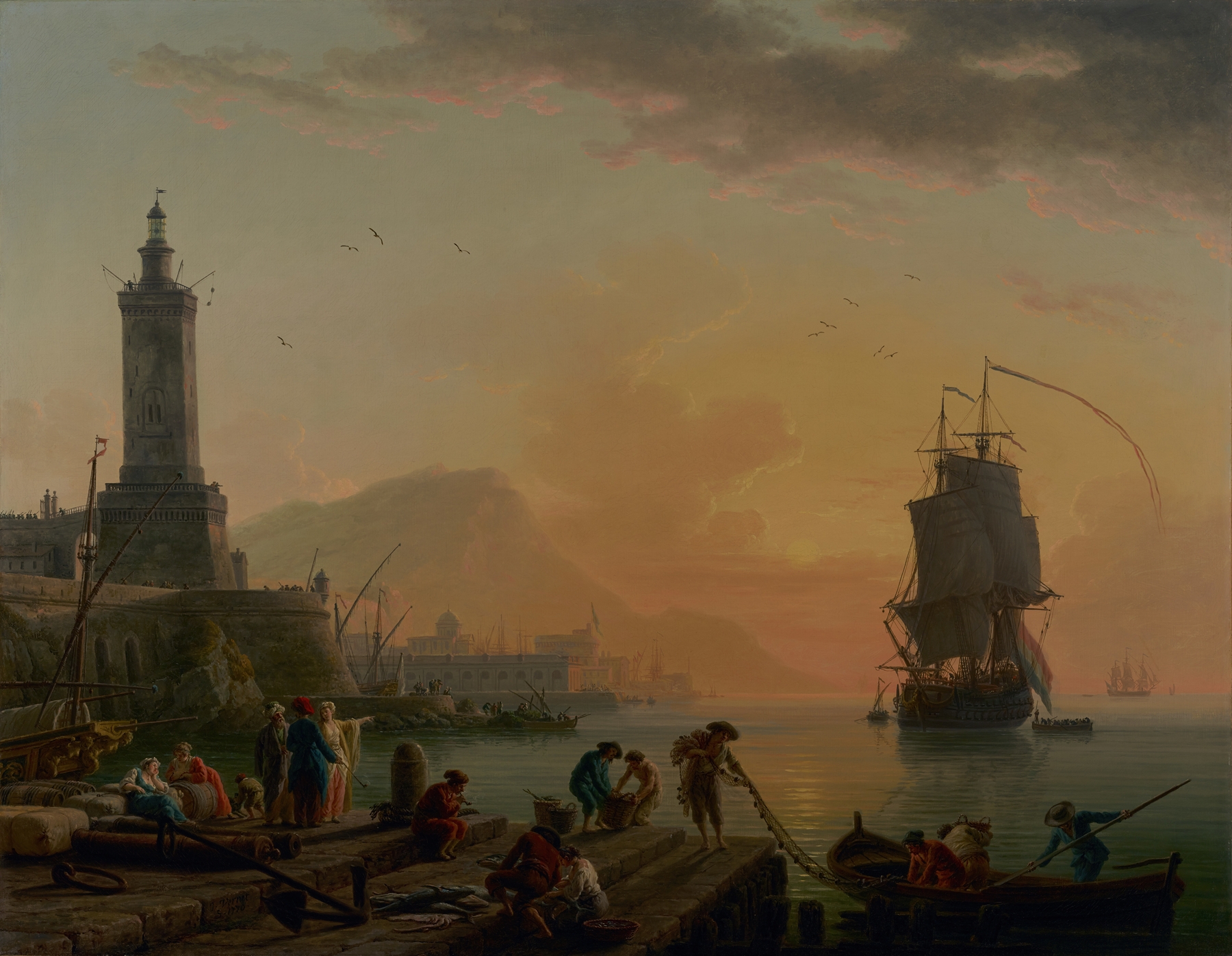
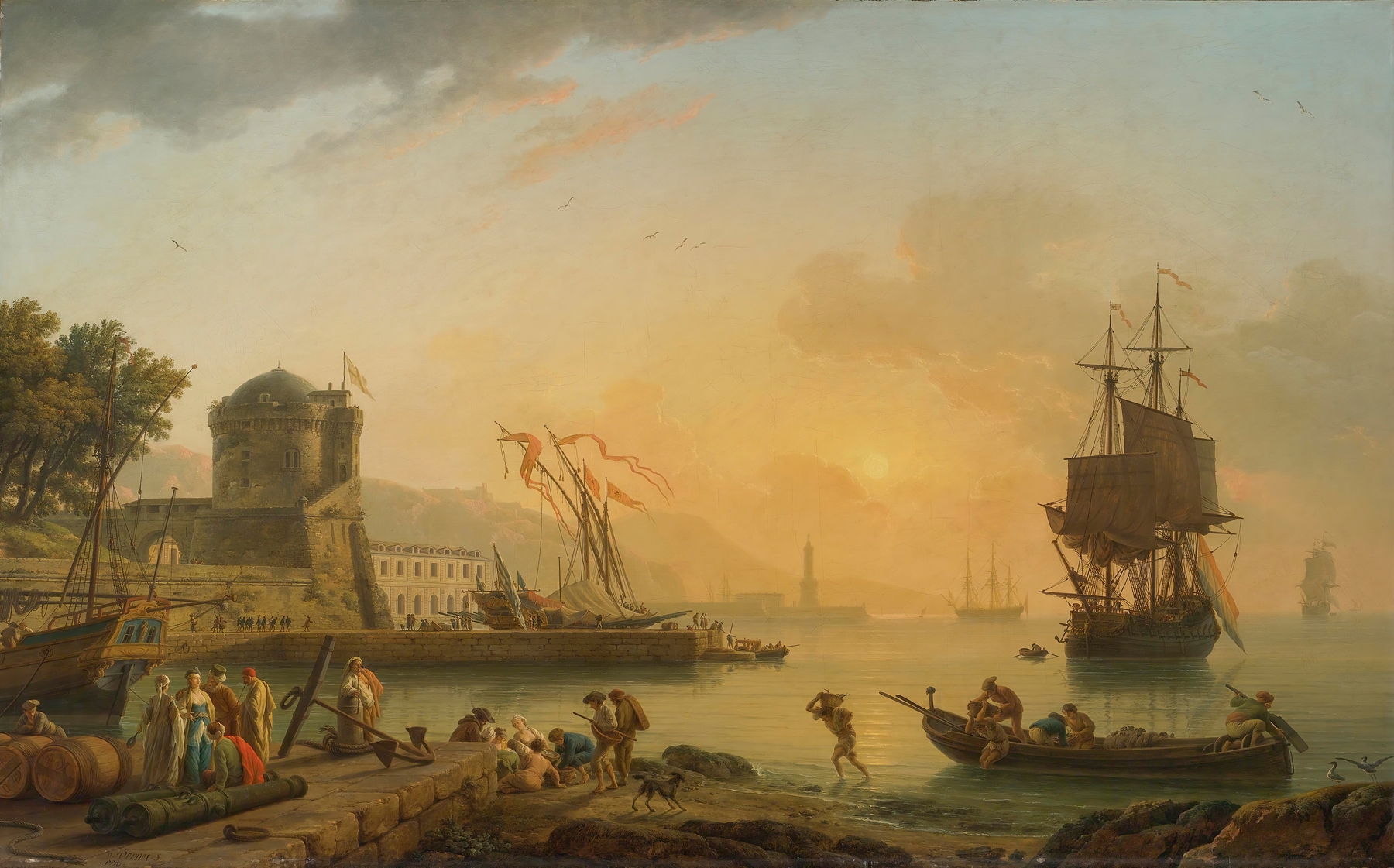
Could beauty survive in a century of chaos? As the sun dips beneath the horizon, its golden rays spill across a tranquil Italian landscape, evoking a sense of fleeting serenity amid an ever-changing world. Look to the left, where the distant hills rise softly against the fading sky. The brushstrokes blend hues of orange and lavender, while the gentle flow of a nearby river leads the eye toward the horizon. The composition invites you to linger, revealing a meticulous balance between the stillness of nature and the dynamic sky above.
Shadows and light dance in harmony, suggesting a moment suspended in time. Yet, within this idyllic scene lies an undertow of loss. The serene tranquility masks an inevitable transition, as day gives way to night—a symbol of beauty fading. The untouched landscape, while captivating, hints at the fragility of peace; the viewer senses a history layered beneath the surface.
Each element whispers of moments past, reminding us that even the most picturesque vistas are not immune to the passage of time. Vernet painted this work during a period of profound change in 18th century Europe, where the Age of Enlightenment was giving way to revolutionary tensions. His landscapes reflect a quest for beauty amidst the societal upheavals of his time. As he sought to capture the essence of nature, the artist formulated a language of light and shadow that echoed both hope and melancholy, revealing the duality of existence.