
Summer landscape — History & Facts
What secret hides in the quiet of the canvas? In Summer Landscape, an idyllic scene unfolds, inviting us to explore themes of innocence and nature's embrace. The peacefulness of the setting suggests a world untainted, where every blade of grass and every sunbeam speaks to the purity of life. Look to the foreground, where lush green fields stretch effortlessly under a cerulean sky. Notice how the light falls upon the texture of the leaves, creating an emerald tapestry that dances with the gentle breeze.
The artist’s meticulous brushwork lends a vibrant pulse to the landscape, while wisps of clouds drift lazily overhead, framing the tranquil scene. The colors harmonize beautifully, evoking a sense of serenity that invites deeper contemplation of the environment. As you delve further into the composition, consider the interplay between the bright, inviting landscape and the shadowy edges of the forest. This contrast hints at the balance between light and dark, innocence and experience.
The distant mountains, shrouded in soft mist, speak of the limits of human understanding, while the inviting fields draw you closer, echoing the simple joys of existence. Each element whispers of a world untouched by the complexities of modernity, offering a glimpse into a simpler, more innocent time. Frederic Edwin Church created Summer Landscape during a period of personal reflection and artistic evolution, between 1870 and 1880. At this time, he was deeply influenced by his travels and the Romantic movement's emphasis on the sublime aspects of nature.
Church's works often contrast the majestic and serene qualities of the American landscape, reflecting both his personal experiences and the broader cultural fascination with the natural world during this era.
More Artworks by Frederic Edwin Church
Browse all →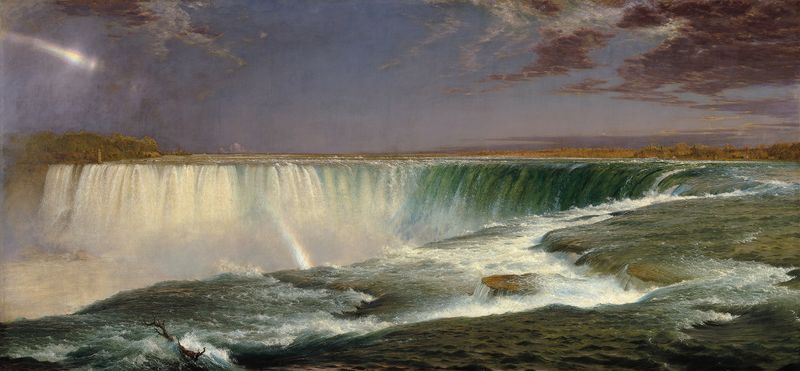
Niagara
Frederic Edwin Church
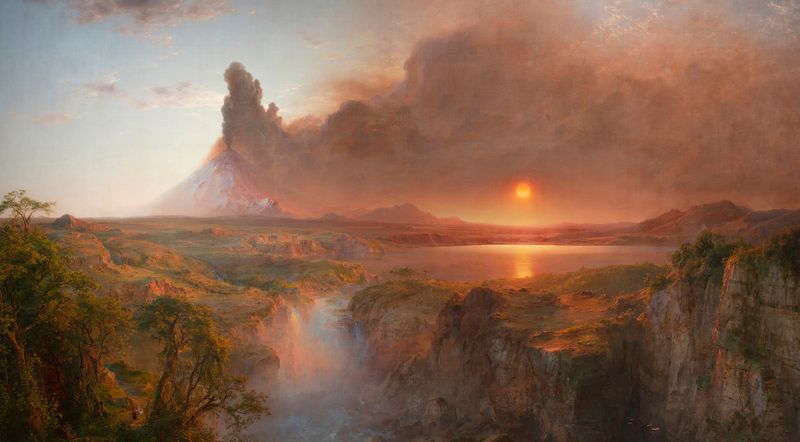
Cotopaxi
Frederic Edwin Church
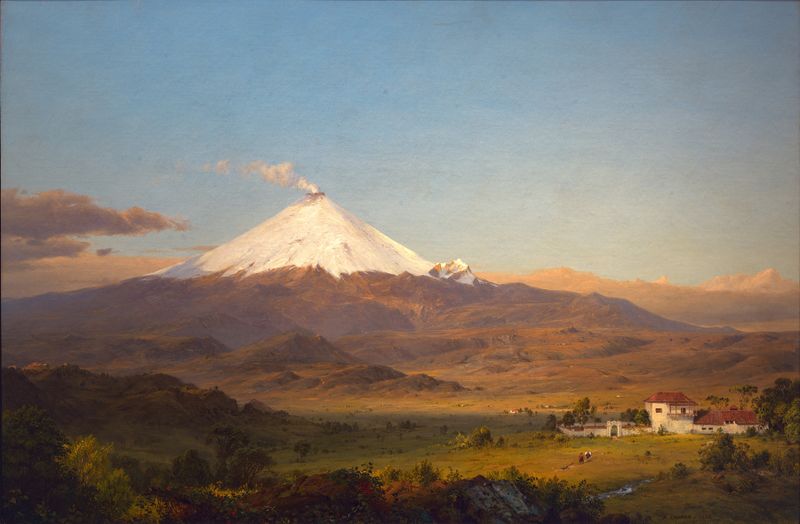
Cotopaxi
Frederic Edwin Church
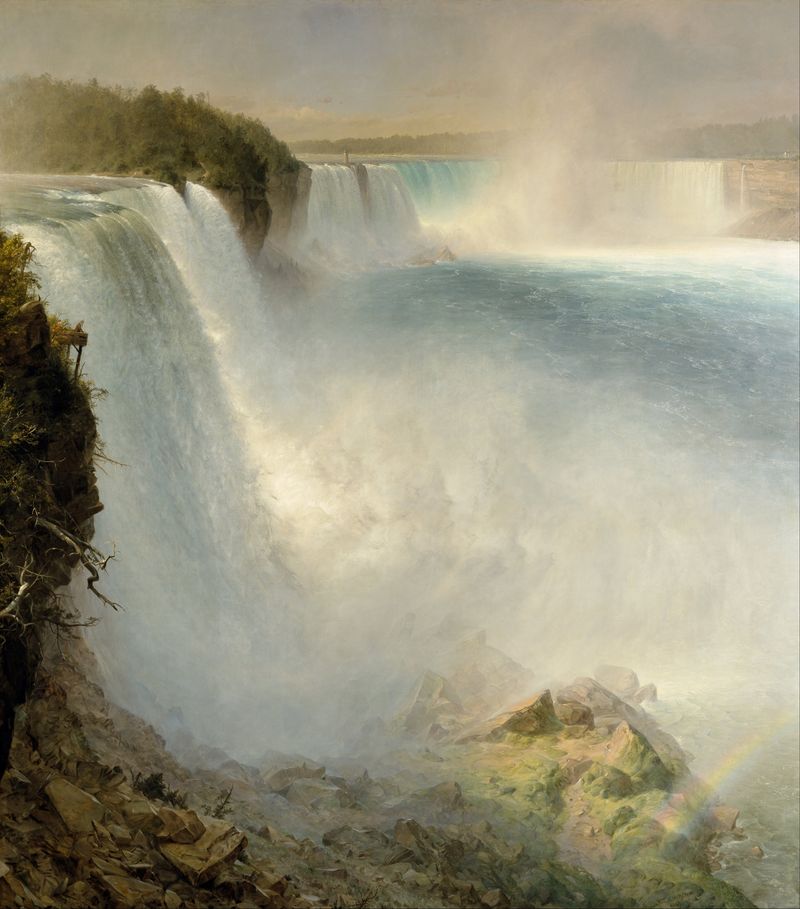
Niagara Falls, from the American Side
Frederic Edwin Church
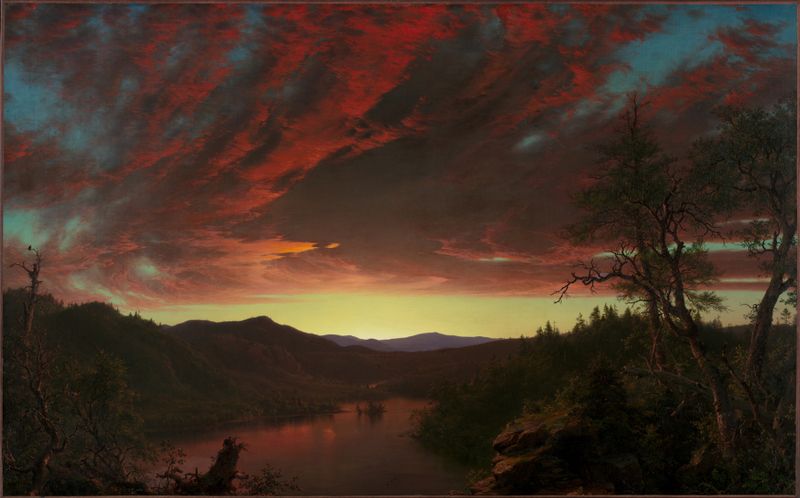
Twilight in the Wilderness
Frederic Edwin Church
Hudson Valley at Sunset
Frederic Edwin Church
The Hintersee, near Berchtesgaden, Bavaria
Frederic Edwin Church
Mountains near Baalbec
Frederic Edwin Church
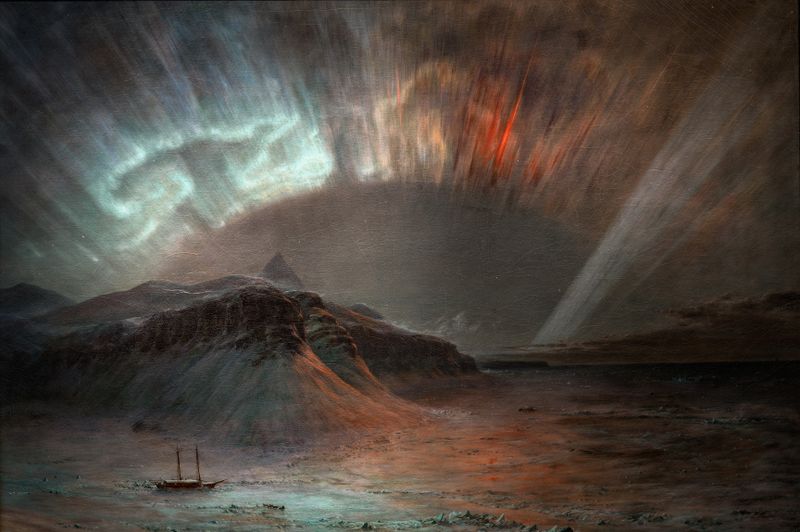
Aurora Borealis
Frederic Edwin Church
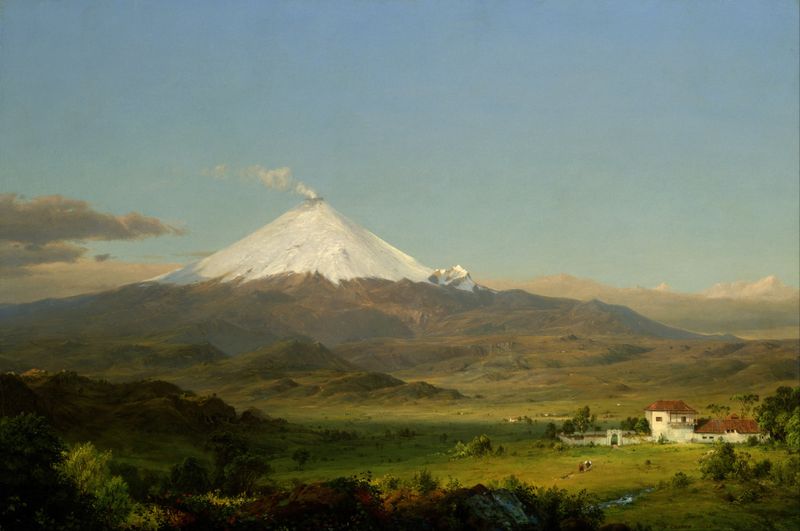
Cotopaxi
Frederic Edwin Church





