
Summer landscape — History & Facts
In Summer Landscape, Frederic Edwin Church captures a lush and vibrant scene filled with rich greens and bright blues. The painting depicts a serene landscape, likely in a rural setting, with rolling hills and a clear sky. Sunlight bathes the scene, highlighting the natural beauty of the environment.
There are no figures present, allowing the viewer to immerse themselves in the tranquility of nature. The painting is executed in oil on canvas, a medium that allows for deep color saturation and fine detail. Church's technique includes layering and glazing, which enhances the luminosity of the colors. The dimensions of the work are approximately 100 x 150 cm, making it a significant piece that commands attention.
The composition is balanced, with a harmonious arrangement of elements that draw the eye across the landscape. Frederic Edwin Church was a central figure in the Hudson River School, known for his detailed and dramatic landscapes. This painting, created in the 1860s, reflects the Romantic ideals of nature's beauty and the sublime. An interesting fact about this work is that it showcases Church's ability to convey the essence of summer, inviting viewers to experience the warmth and vibrancy of the season.
His landscapes often served as a commentary on the American experience and the relationship between humanity and nature.
More Artworks by Frederic Edwin Church

The Icebergs
Frederic Edwin Church
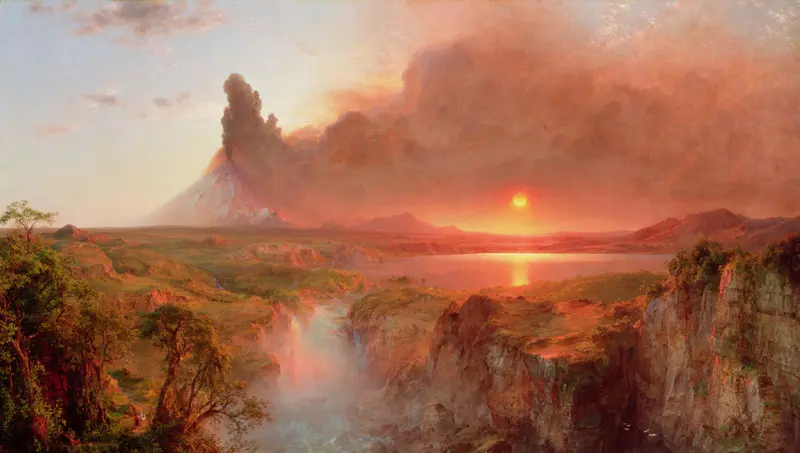
Cotopaxi
Frederic Edwin Church

Niagara
Frederic Edwin Church
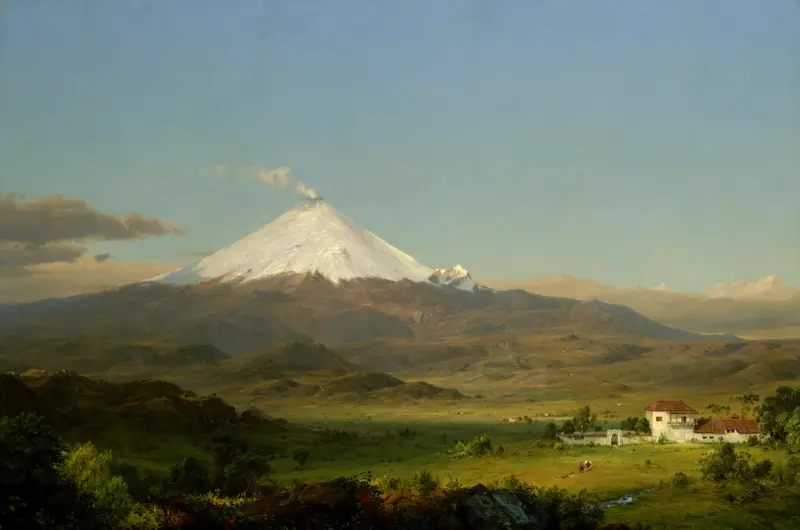
Cotopaxi
Frederic Edwin Church
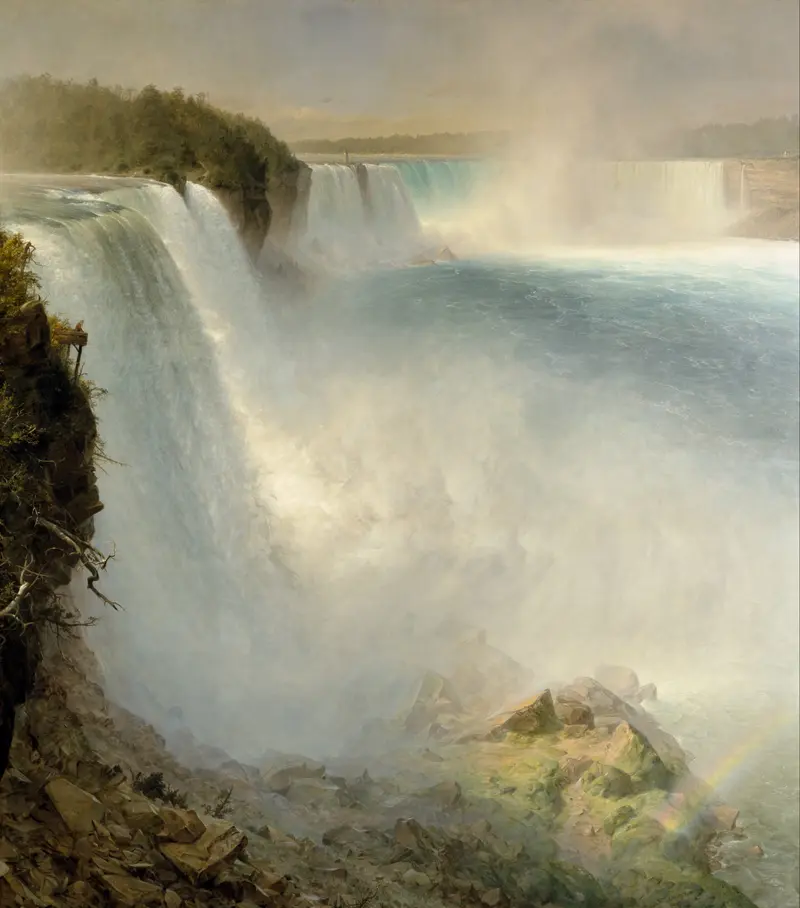
Niagara Falls, from the American Side
Frederic Edwin Church
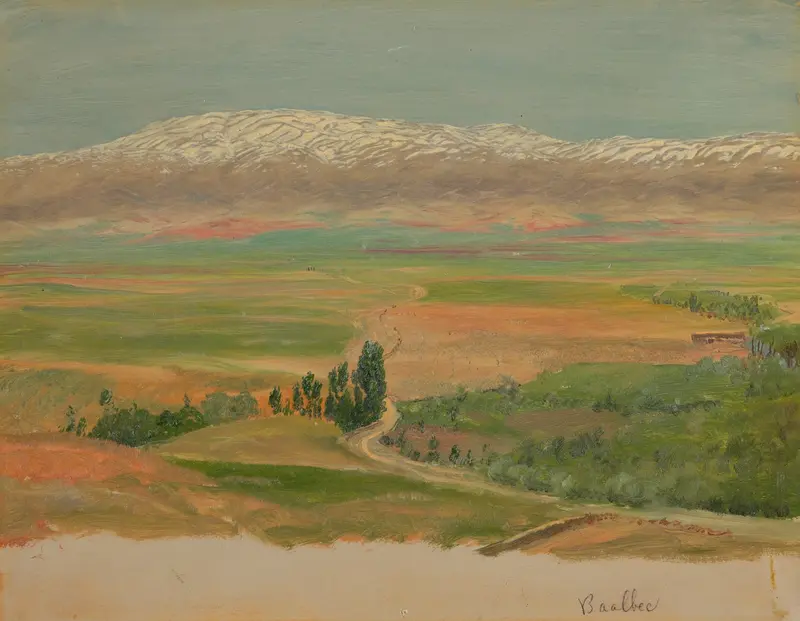
Mountains near Baalbec
Frederic Edwin Church
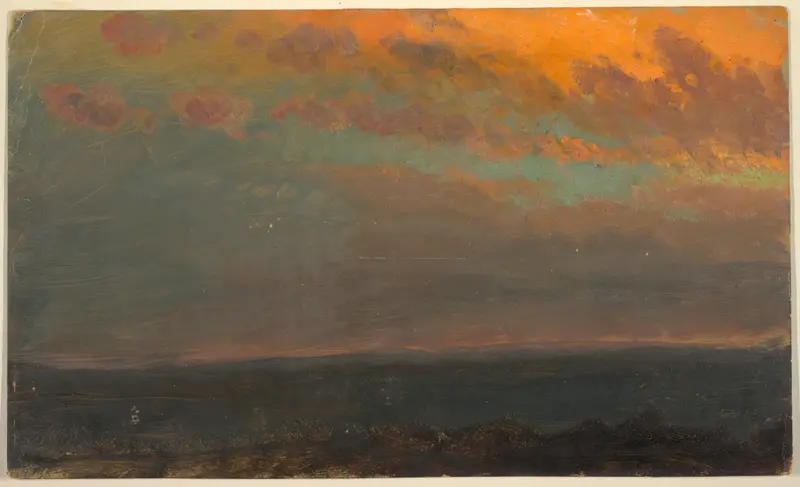
Hudson Valley at Sunset
Frederic Edwin Church

The Hintersee, near Berchtesgaden, Bavaria
Frederic Edwin Church
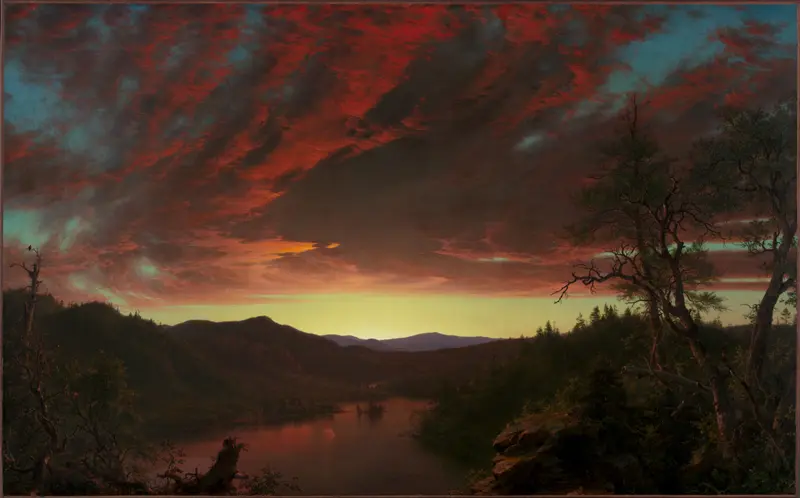
Twilight in the Wilderness
Frederic Edwin Church
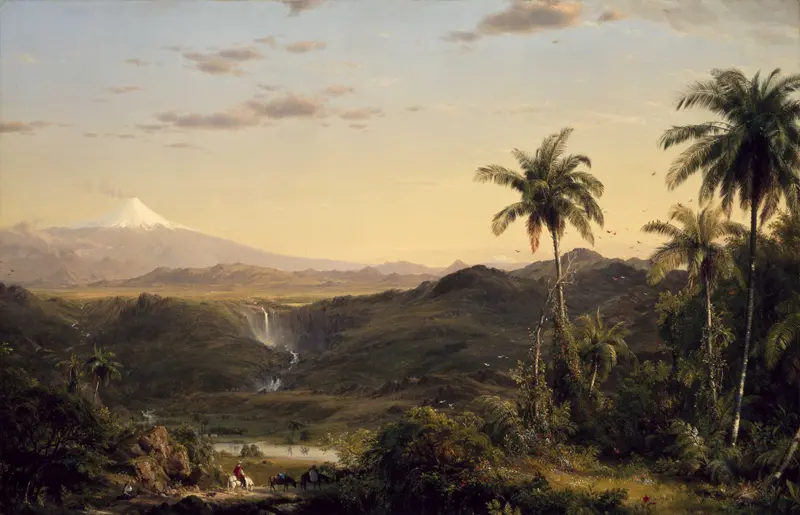
Cotopaxi
Frederic Edwin Church
More Landscape Art

Starry Night
Vincent van Gogh

View of Delft
Johannes Vermeer

Water Lilies
Claude Monet

The Grand Canal, Venice, looking north-west from the Ca' Corner to the Ca' Contarini degli Scrigni, with the campanile of Santa Maria della Carità
Canaletto

Windsor Castle
Canaletto

The Grand Canal looking North-East from the Palazzo Dolfin-Manin to the Rialto Bridge
Canaletto