
Sundown on the Lake — History & Facts
A hush settles over the water in Sundown on the Lake, as if the entire landscape is holding its breath. The viewer’s gaze is drawn first to the gentle shimmer on the lake’s surface, where the last traces of daylight ripple across the water. Above, the rolling hills and distant mountains recede into soft, atmospheric layers, each ridge painted with a careful gradation that suggests both distance and the cooling air of evening.
The low horizon grants the sky a commanding presence, its muted, streaked clouds hinting at the day’s end and the onset of night. Every brushstroke seems to slow time, inviting the eye to linger on the subtle transitions of color and shadow, the quiet drama of land meeting sky. Painted in the 19th century and thought to depict Lake Tahoe, this work belongs to the era when American artists like Albert Bierstadt sought to capture the vastness and promise of the western landscape. Such paintings were often created for audiences hungry for visions of untouched nature and the grandeur of the frontier, sometimes commissioned by collectors or shown in exhibitions that fueled national pride and curiosity.
While history has kept few traces of this particular painting’s journey—apart from its appearance at Heritage Auctions in Dallas in 2012—its mood and palette speak to a moment when artists and viewers alike were captivated by the possibilities of the American West. The painting asks us to pause, just as the light pauses on the lake, and look again.
More Artworks by Albert Bierstadt

A Storm in the Rocky Mountains, Mt. Rosalie
Albert Bierstadt
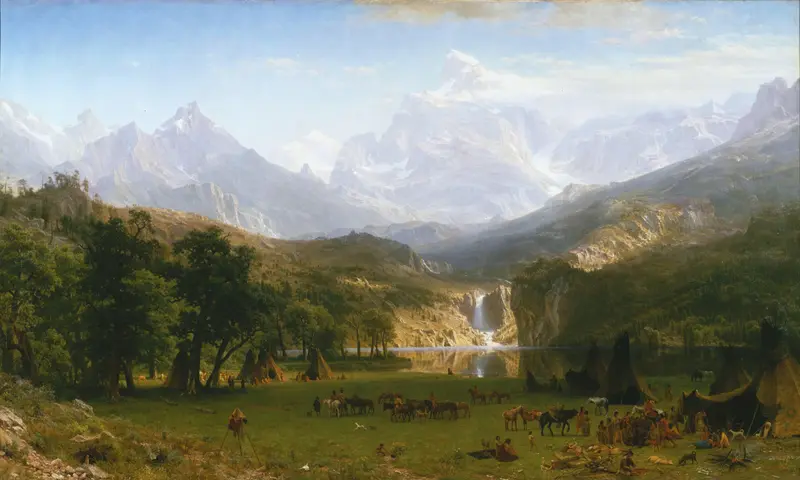
The Rocky Mountains, Lander's Peak
Albert Bierstadt
Niagara from the American Side
Albert Bierstadt
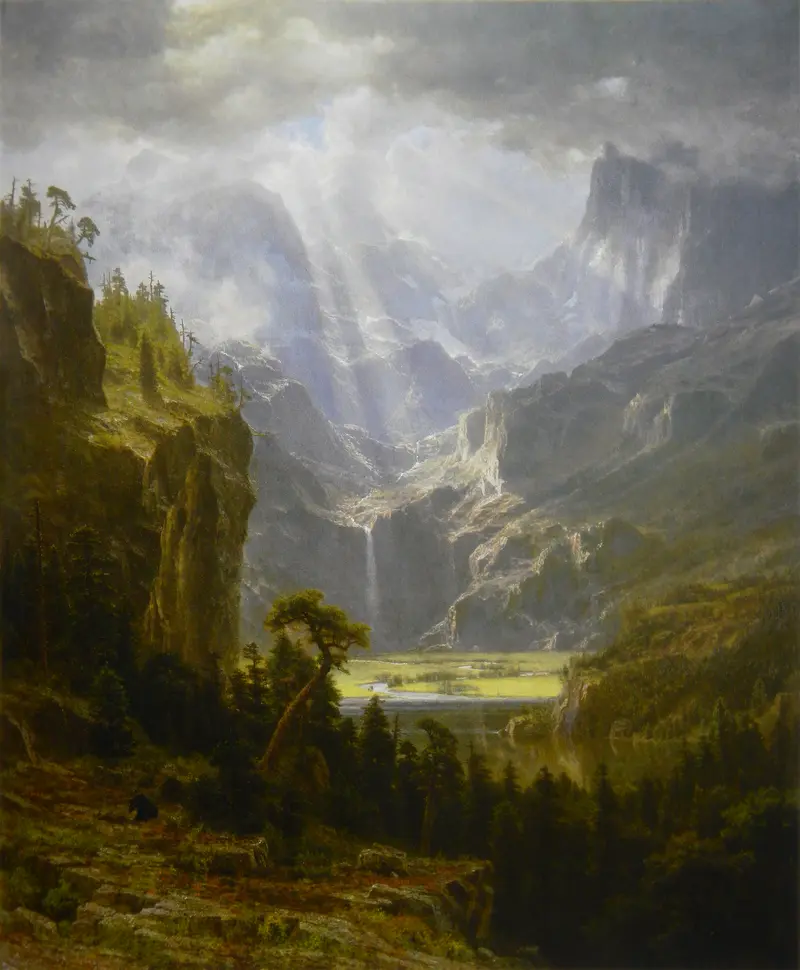
Rocky Mountains, Lander’s Peak
Albert Bierstadt

Valley of the Yosemite
Albert Bierstadt
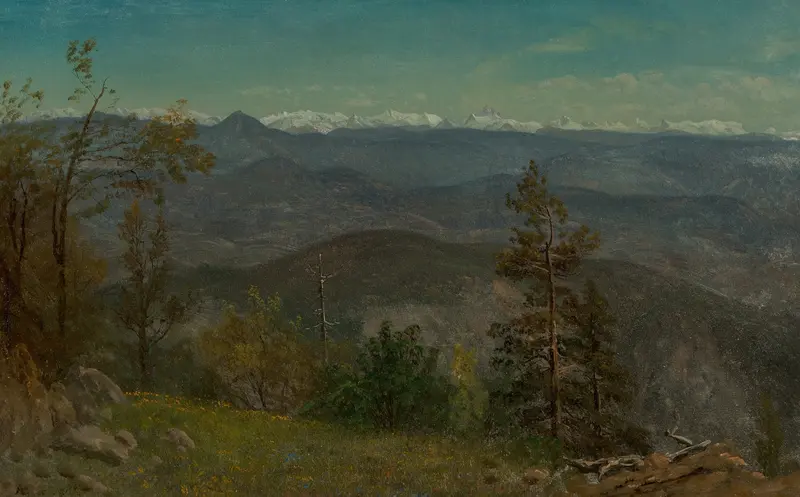
Yosemite Valley, California
Albert Bierstadt
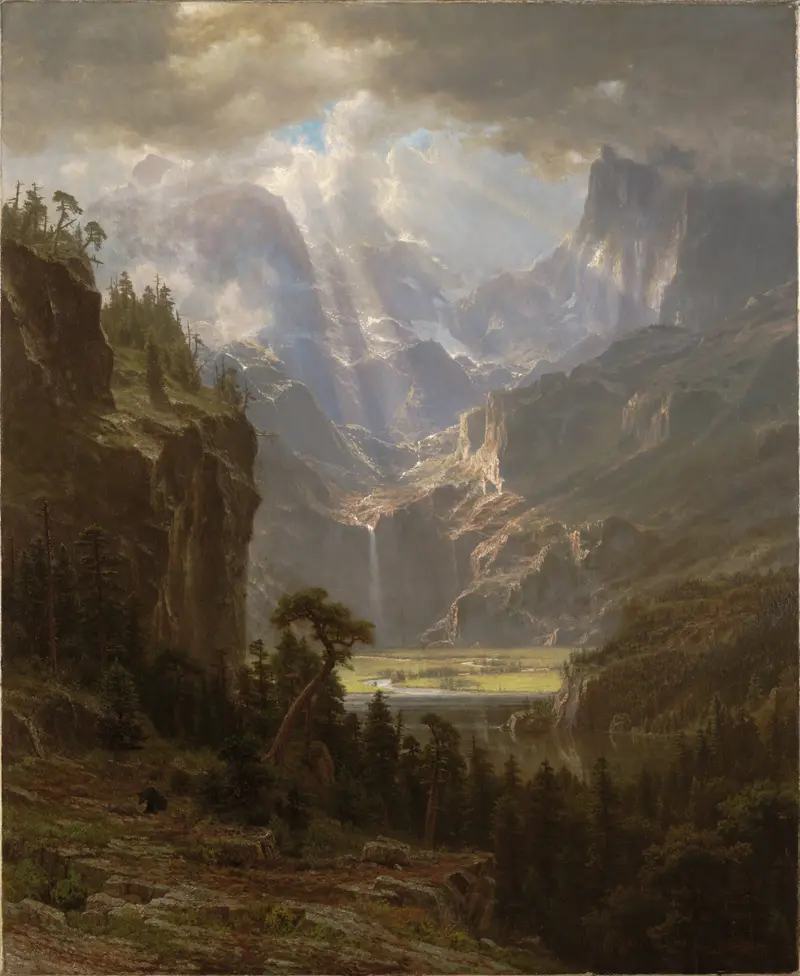
Rocky Mountains, "Lander's Peak"
Albert Bierstadt

Laramie Peak
Albert Bierstadt
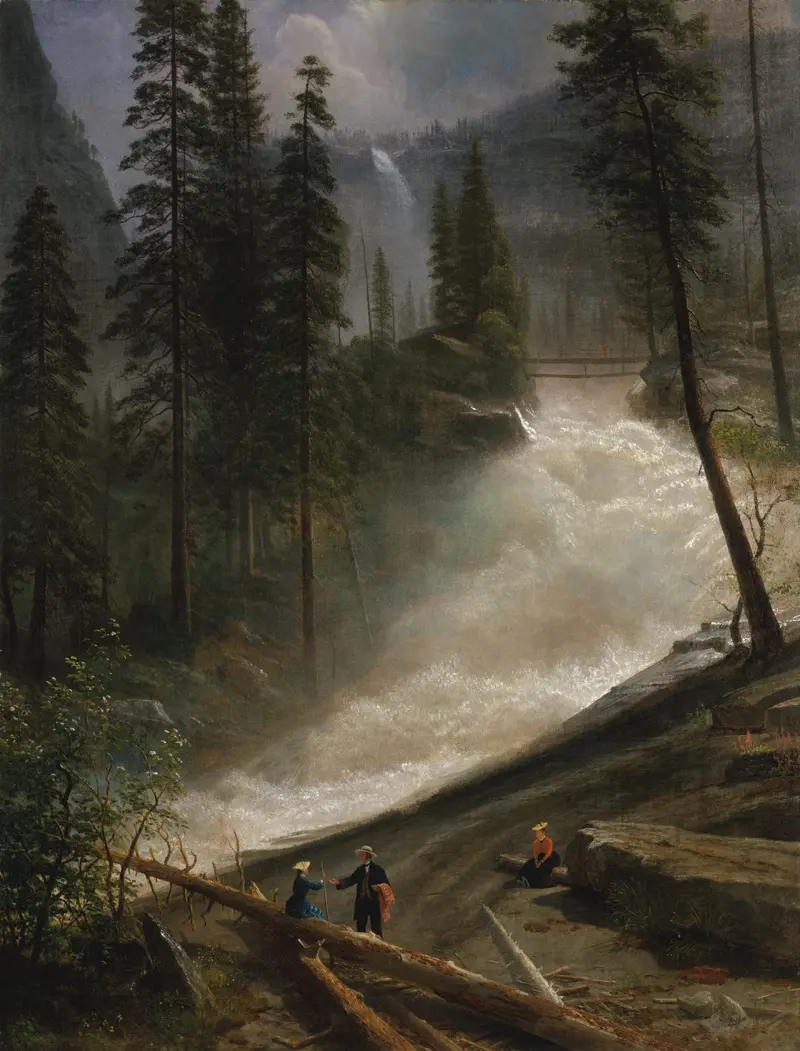
Nevada Falls, Yosemite
Albert Bierstadt
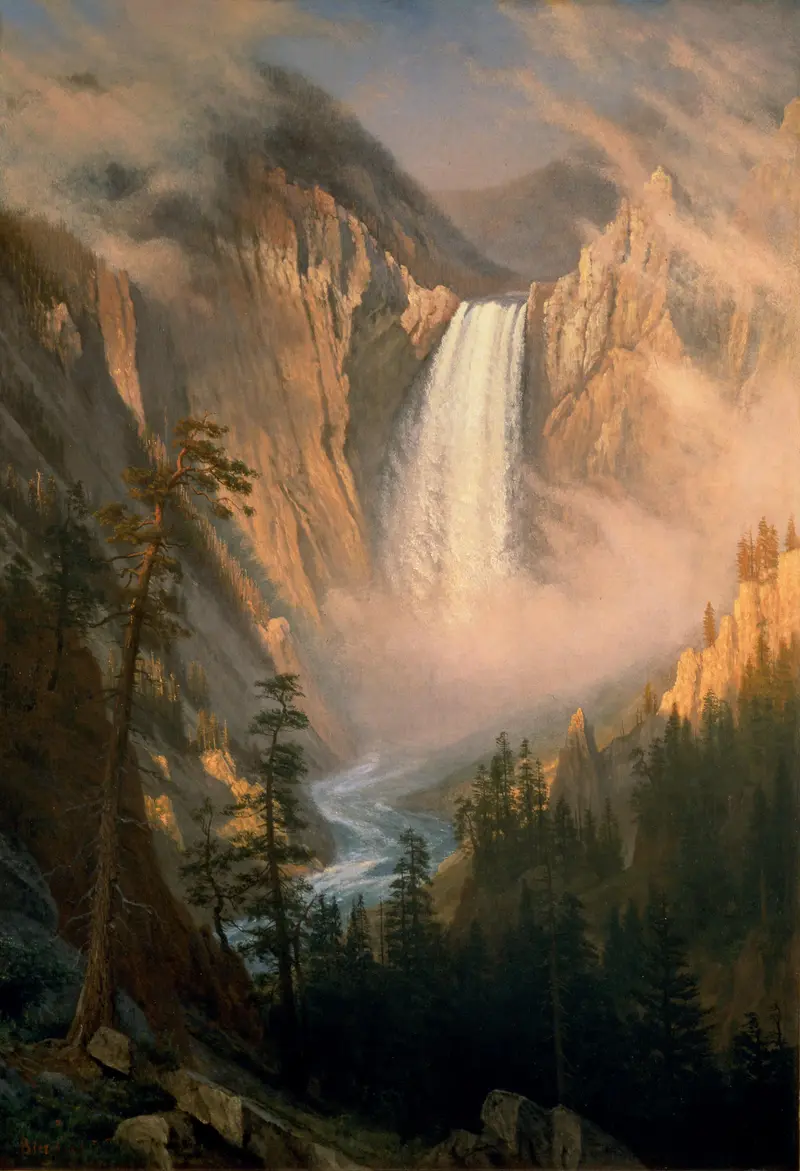
Yellowstone Falls
Albert Bierstadt
More Landscape Art

The Starry Night
Vincent van Gogh

View of Delft
Johannes Vermeer

Water Lilies
Claude Monet

The Grand Canal, Venice, looking north-west from the Ca' Corner to the Ca' Contarini degli Scrigni, with the campanile of Santa Maria della Carità
Canaletto

Windsor Castle
Canaletto

The Grand Canal looking North-East from the Palazzo Dolfin-Manin to the Rialto Bridge
Canaletto