
Sunset — History & Facts
In the fading light of day, the divine subtly unveils itself, inviting us to explore the intimate moments that linger in the twilight. Look to the sweeping horizon where vibrant hues of orange and purple blend seamlessly into the dimming blue of the sky. Jansson’s masterful brushstrokes create a sense of movement, as if the very air is alive with the promise of night. Notice how the light dances upon the water’s surface, reflecting an otherworldly glow that draws our gaze deeper into the composition, inviting contemplation of what lies beyond the earthly realm. Yet, amid the beauty, there’s a poignant contrast: the calm serenity of the water juxtaposed with the encroaching darkness of night.
This duality evokes feelings of both peace and impending loss, reminding us that even in moments of tranquility, time relentlessly moves forward. The delicate silhouettes of distant trees frame the sunset, hinting at nature’s omnipresent divinity while echoing the fleeting nature of existence. Painted in 1895, during a period of artistic exploration and spiritual questioning, Jansson found himself at the intersection of Impressionism and Symbolism in Sweden. The world was in flux, as artists sought new means of expression amidst shifting societal attitudes.
In this context, Sunset stands as a testament to the search for transcendence in art, capturing both the ephemeral beauty of the moment and the enduring human longing for connection with the divine.
More Artworks by Eugène Jansson
Browse all →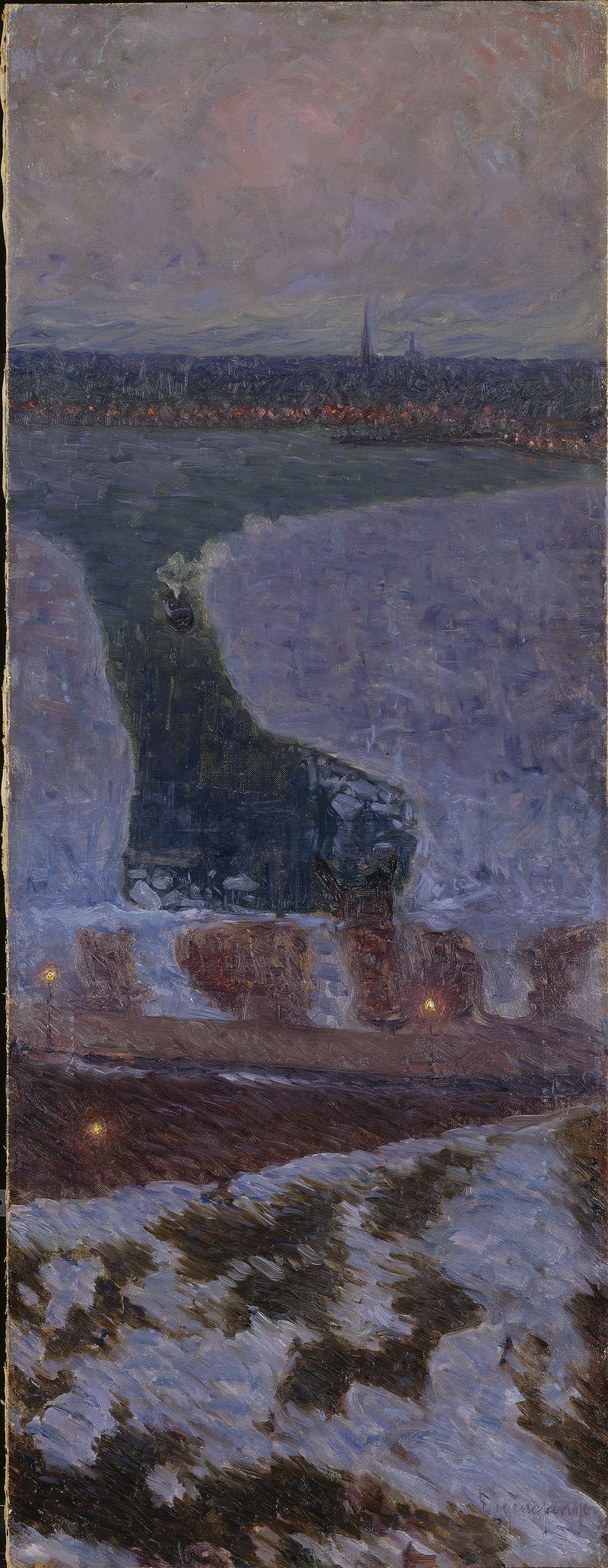
Riddarfjärden. A Stockholm
Eugène Jansson
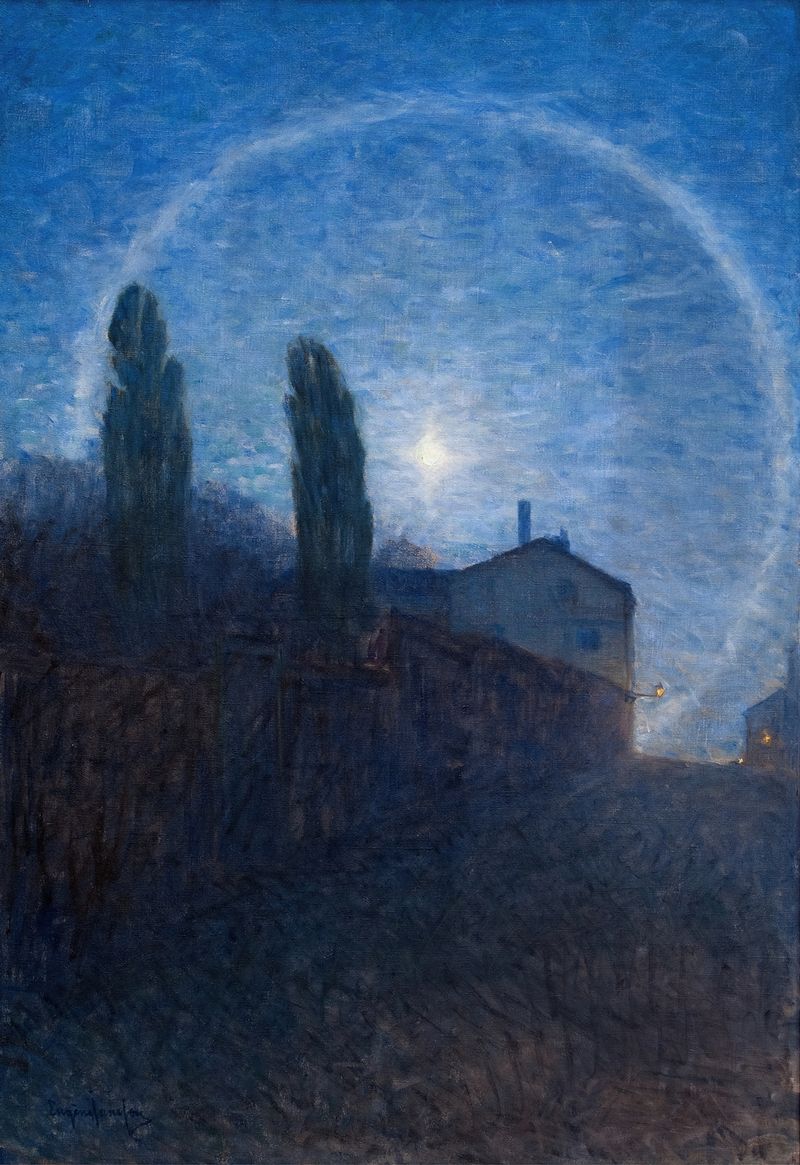
Lunar Halo
Eugène Jansson
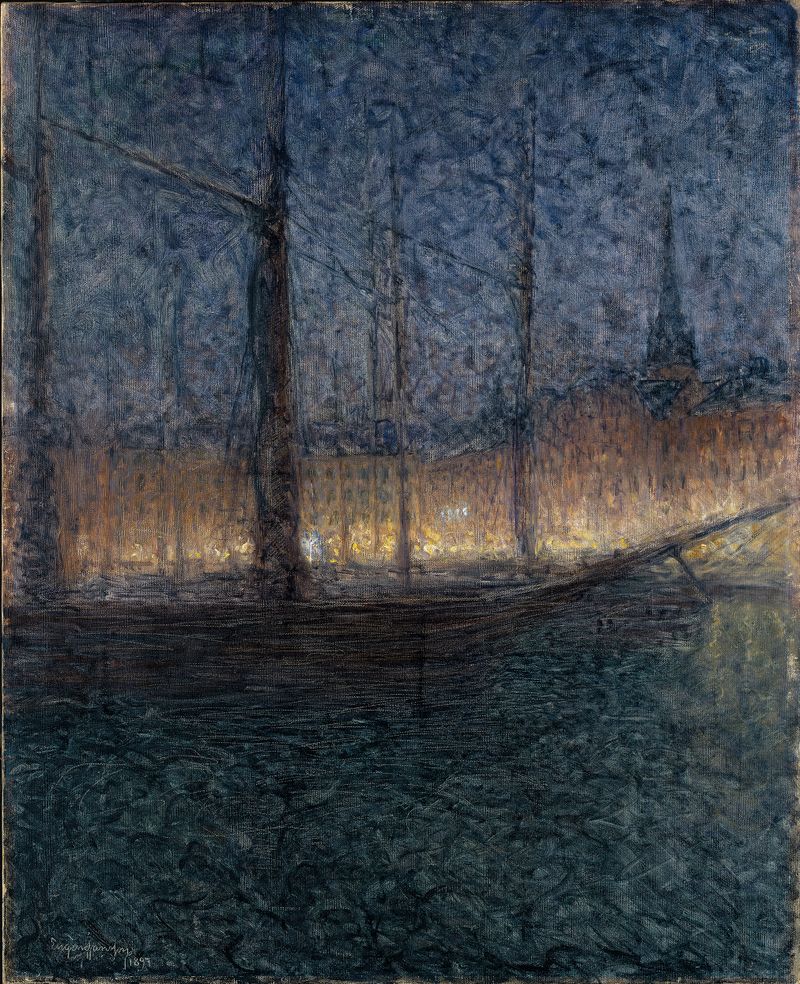
Evening in Kornhamnstorg, Stockholm
Eugène Jansson
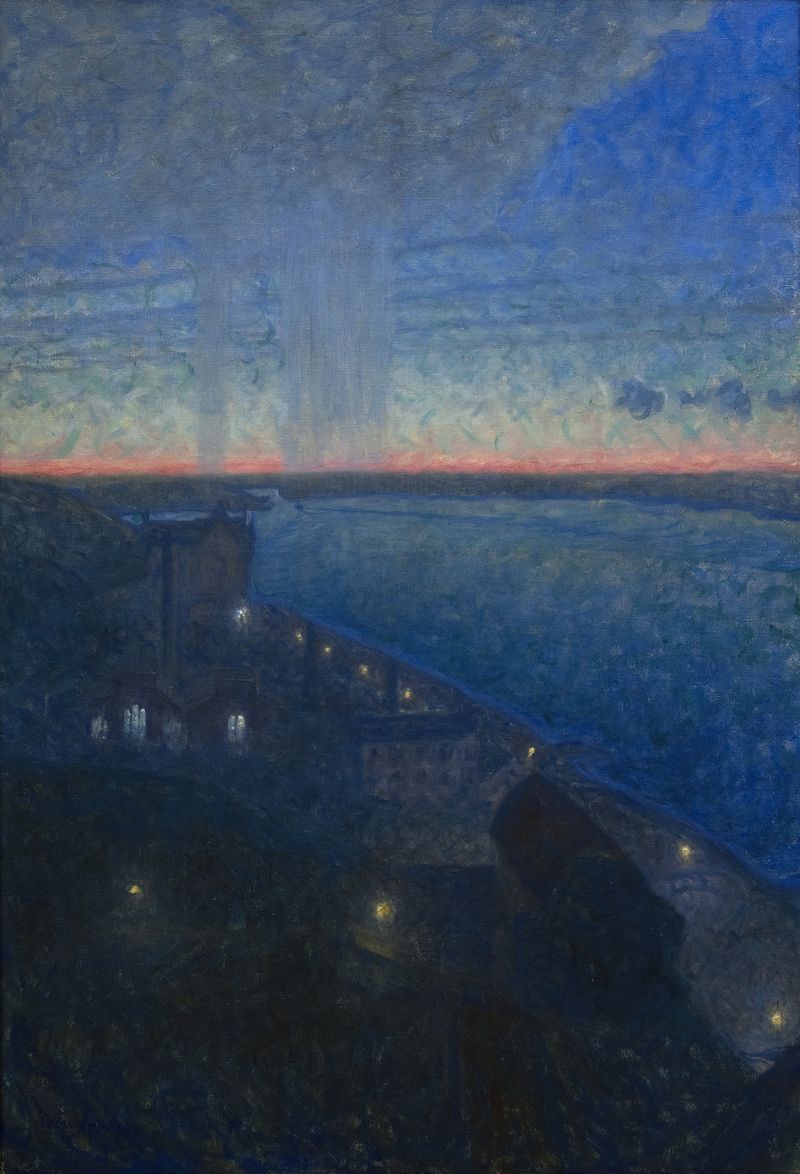
Söder Mälarstrand
Eugène Jansson
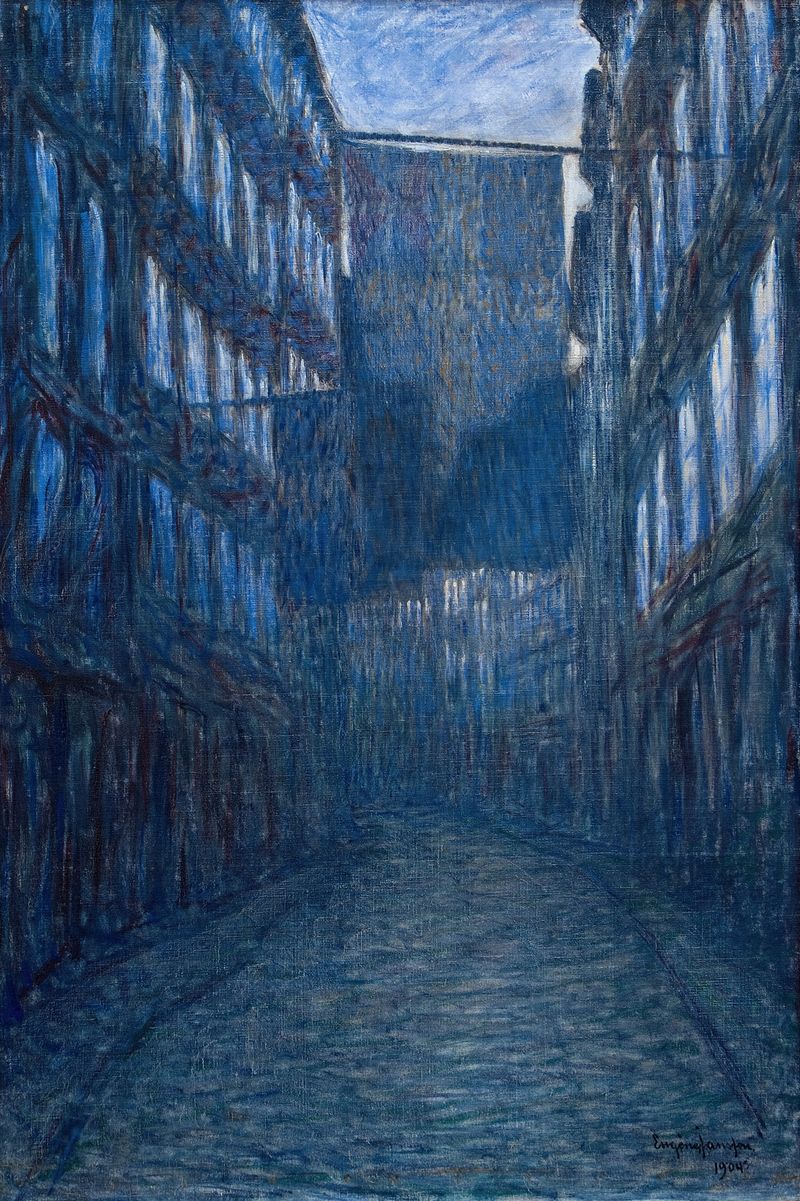
Österlånggatan
Eugène Jansson
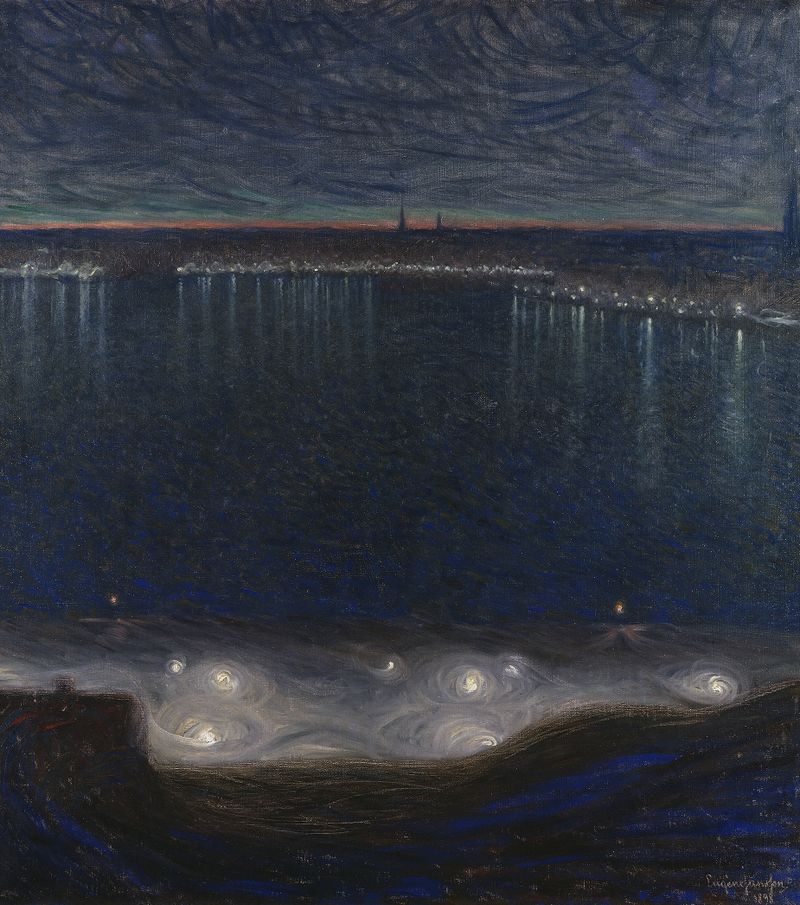
Riddarfjärden, Stockholm
Eugène Jansson
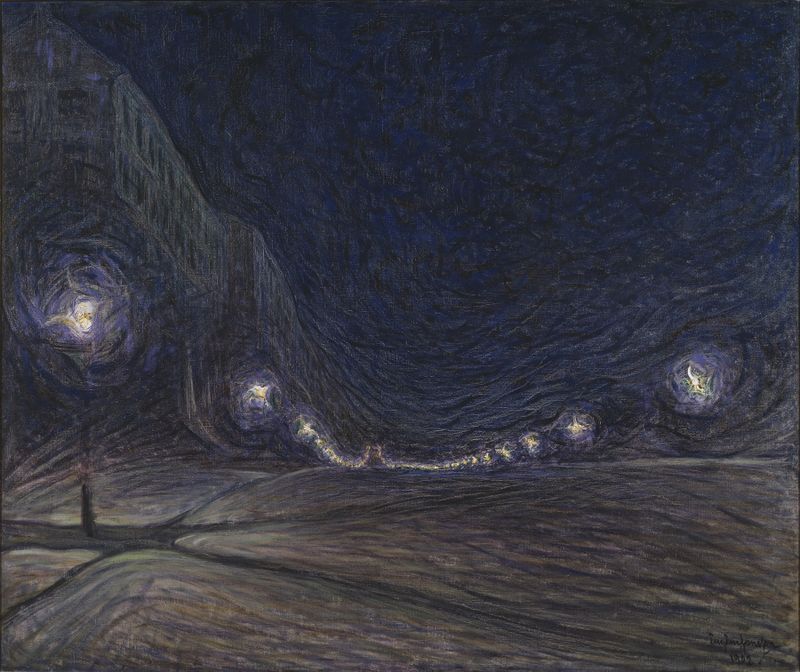
Hornsgatan by Night
Eugène Jansson
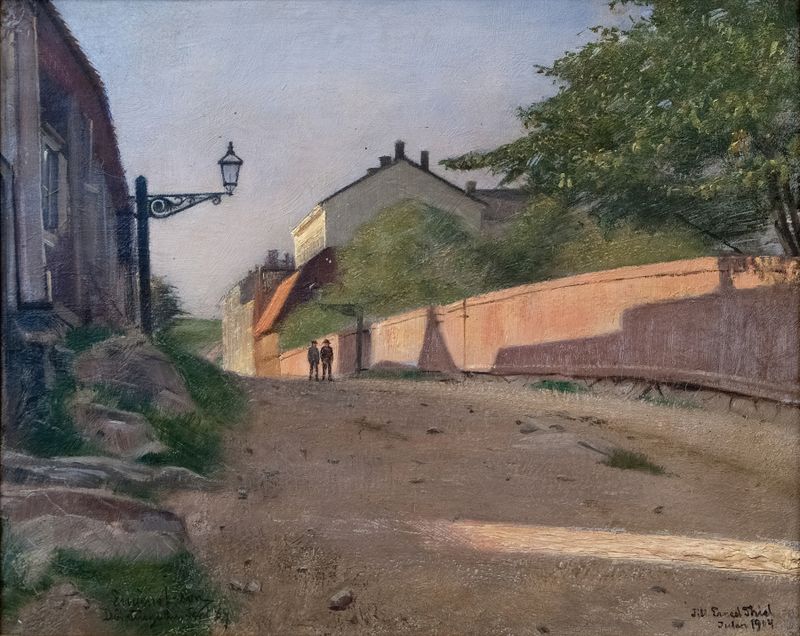
Döbelnsgatan
Eugène Jansson
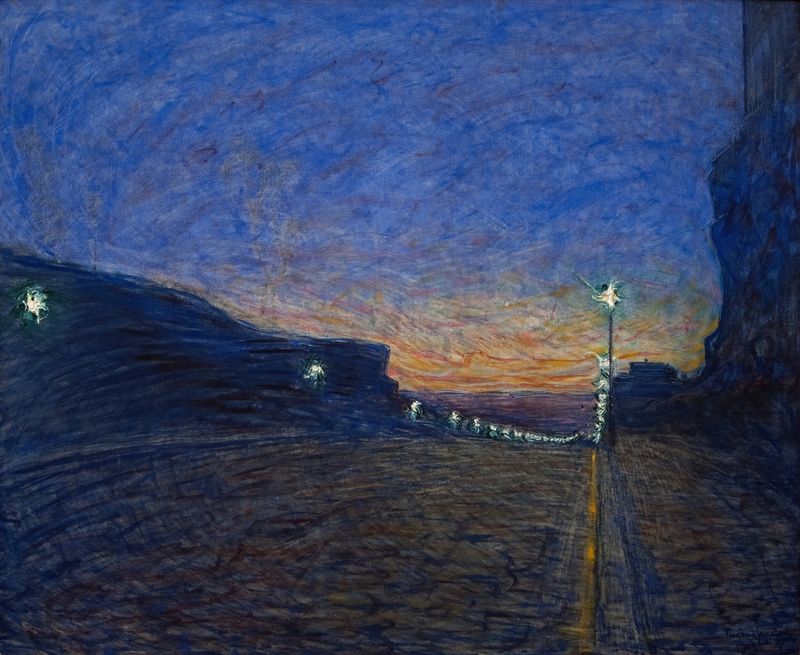
Hornsgatan
Eugène Jansson
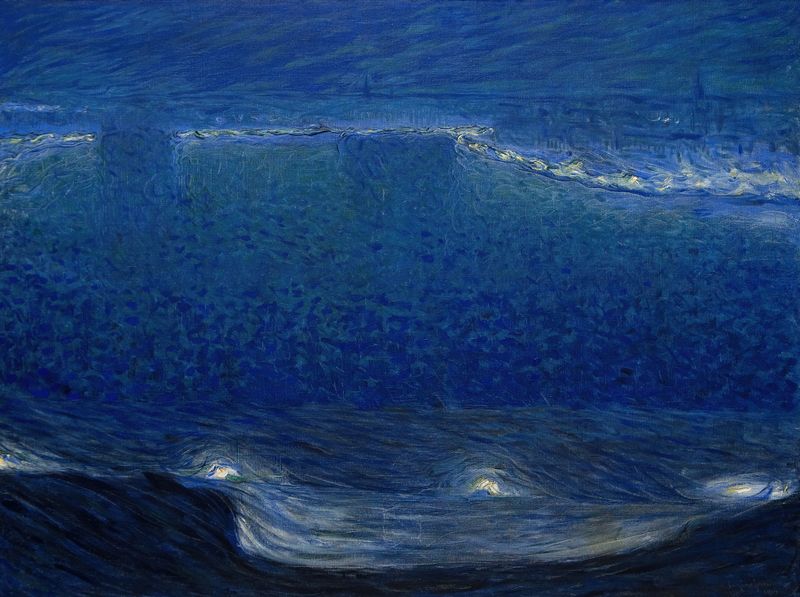
Nocturne
Eugène Jansson





