
Suzanna en de ouderlingen — History & Facts
Can beauty exist without sorrow? The portrayal of a moment heavy with both grace and despair invites us to explore the depths of human experience. Look closely at the figure of Suzanna, her serene yet troubled expression drawing your gaze first. The delicate interplay of light and shadow plays across her features, accentuating the tension between her vulnerability and her composure. Notice how the rich colors of her flowing gown contrast against the dark, oppressive presence of the elders, embodying the conflict between youthful innocence and corrupt desire.
The meticulous detail in the foliage surrounding her creates a sense of entrapment, framing her within a world that feels both beautiful and foreboding. Delve deeper into the narrative unfolding within the painting. The contrasting postures of the elders, one leaning in with a predatory intent while the other stands with arms crossed, reflect not just their moral decay but also the societal pressures that threaten to suffocate innocence. The surrounding environment, lush yet stifling, hints at the duality of nature—its ability to nurture beauty while concealing darkness.
This tension resonates, inviting contemplation on the nature of desire, power, and the often unseen burdens of beauty. Lucas van Leyden painted this work between 1506 and 1510, during a time when Northern Renaissance art was flourishing, marked by an interest in humanism and complex narratives. Emerging as a master at a young age, he was influenced by both the technical innovations in printmaking and the thematic depth found in the works of his contemporaries. This period was pivotal, as artists began to explore more intricate emotional landscapes, reflecting the societal changes and moral questions of their time.
More Artworks by Lucas van Leyden
Browse all →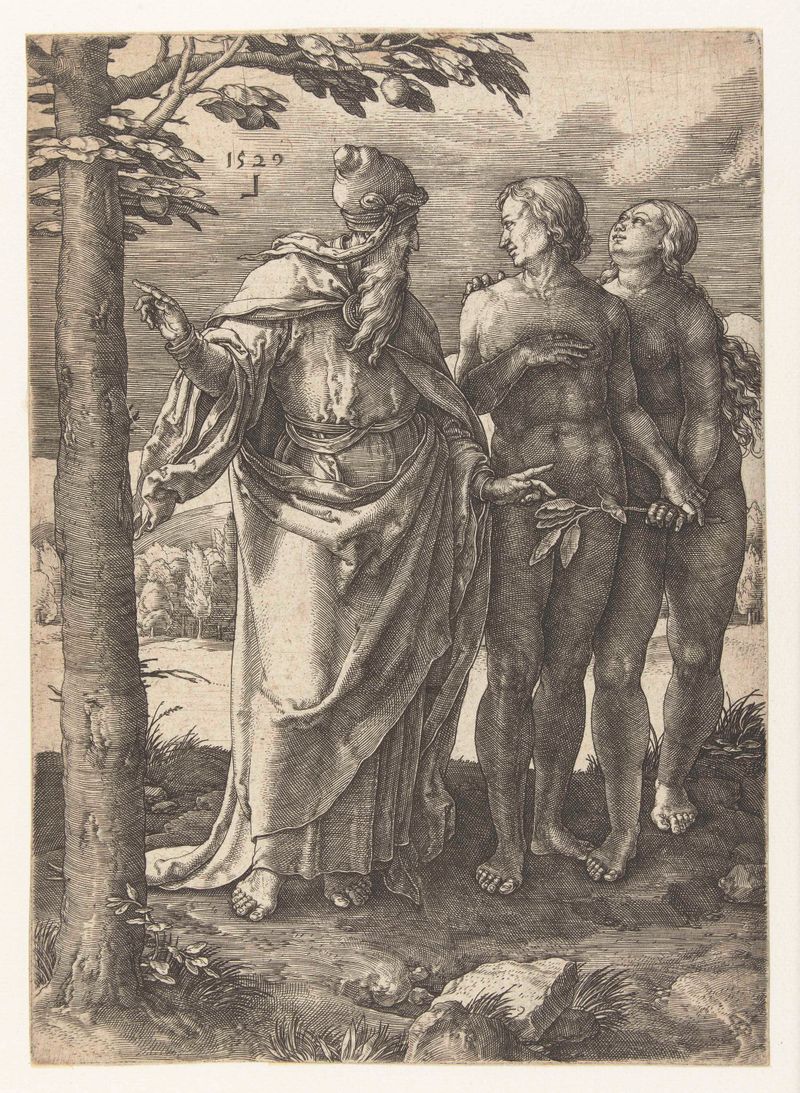
Het eerste verbod
Lucas van Leyden
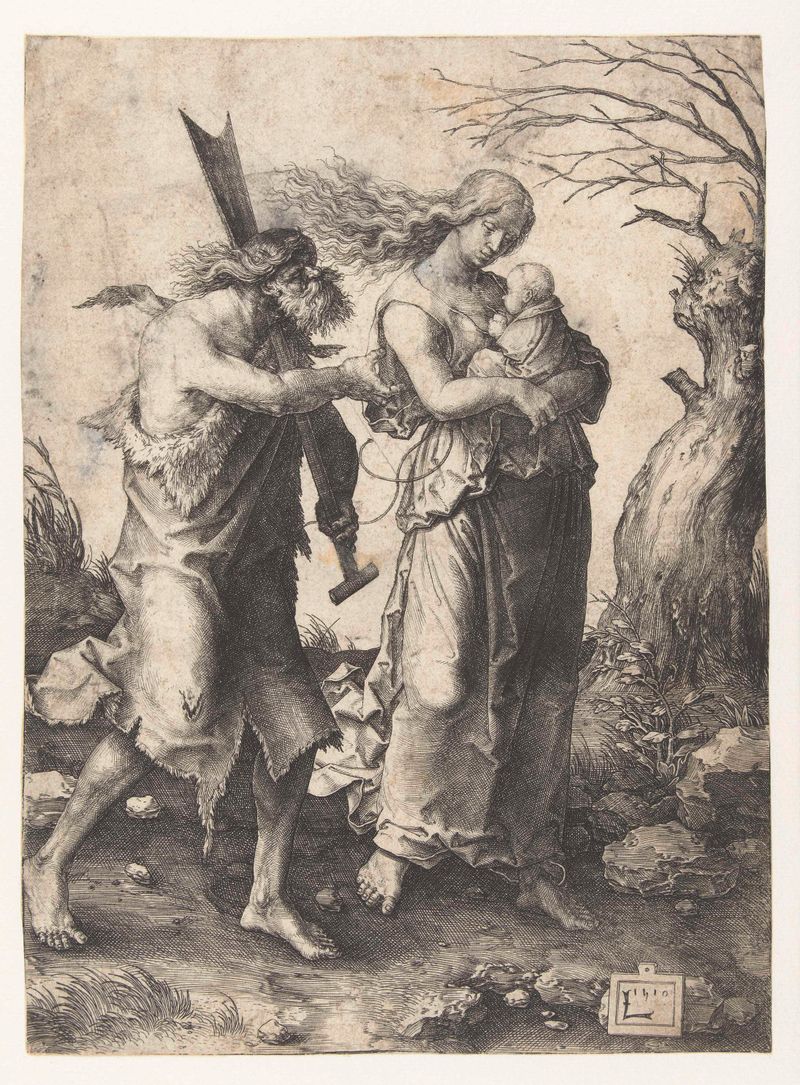
Adam en Eva na de verdrijving uit het paradijs
Lucas van Leyden
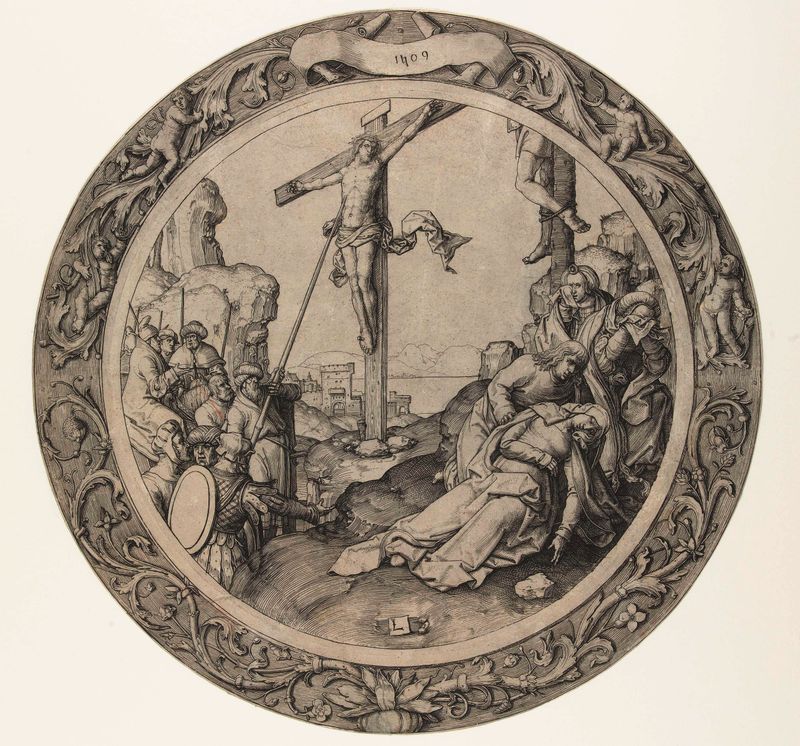
De kruisiging
Lucas van Leyden
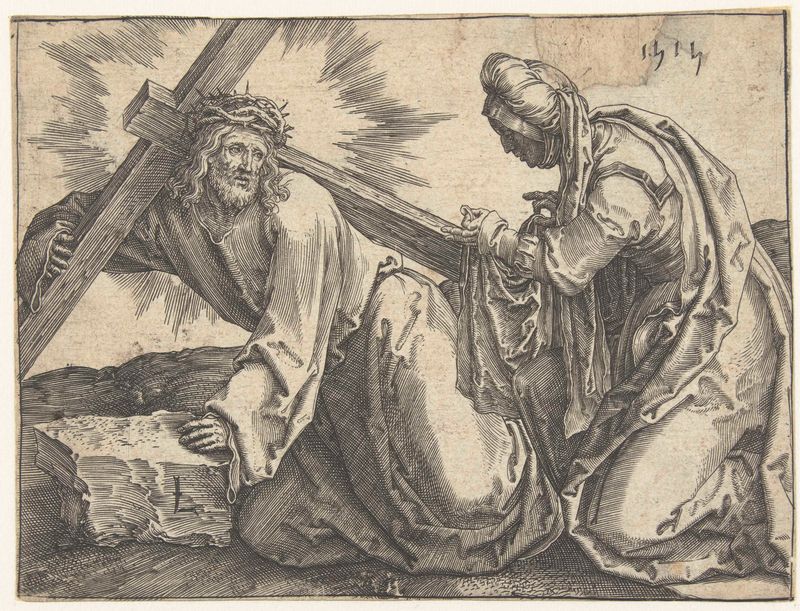
Kruisdraging
Lucas van Leyden
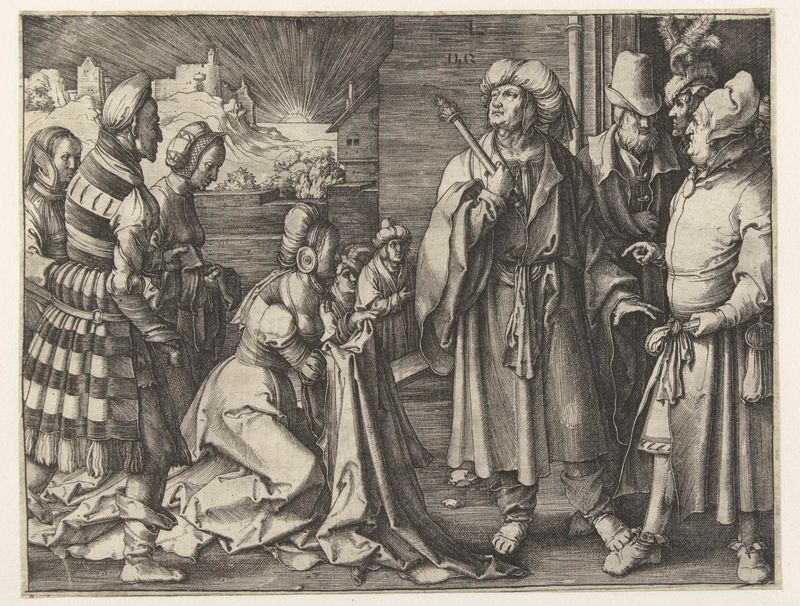
De vrouw van Potifar beschuldigt Jozef
Lucas van Leyden
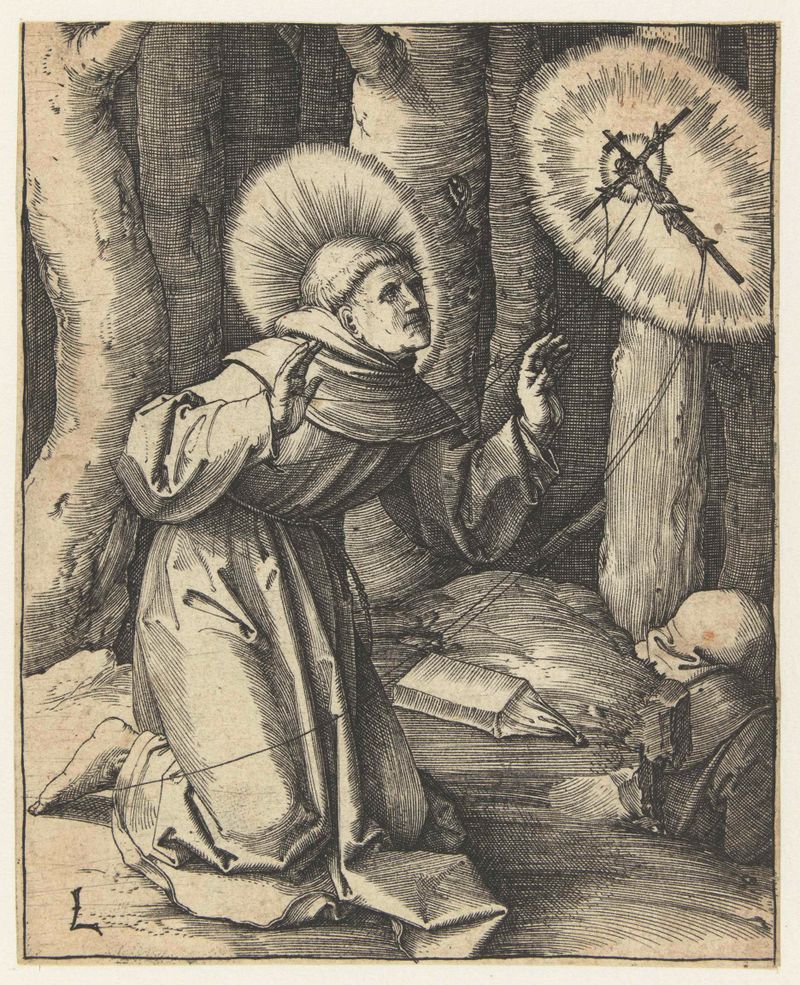
De stigmatisatie van de heilige Franciscus
Lucas van Leyden
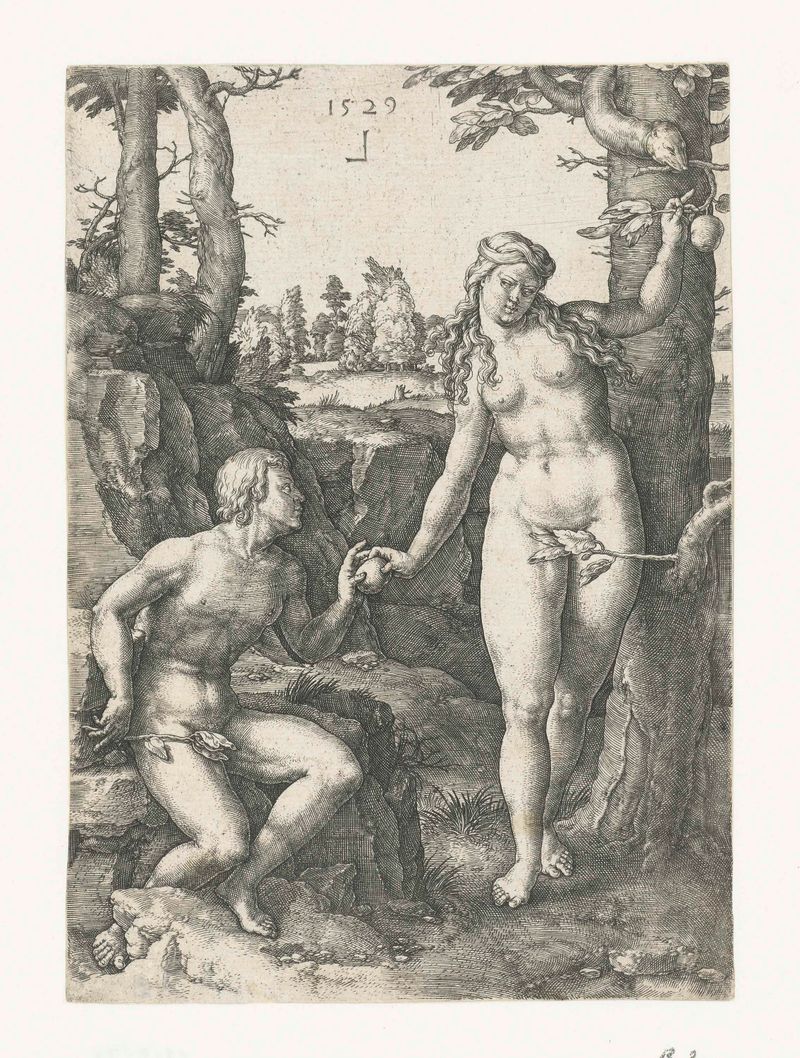
De zondeval
Lucas van Leyden
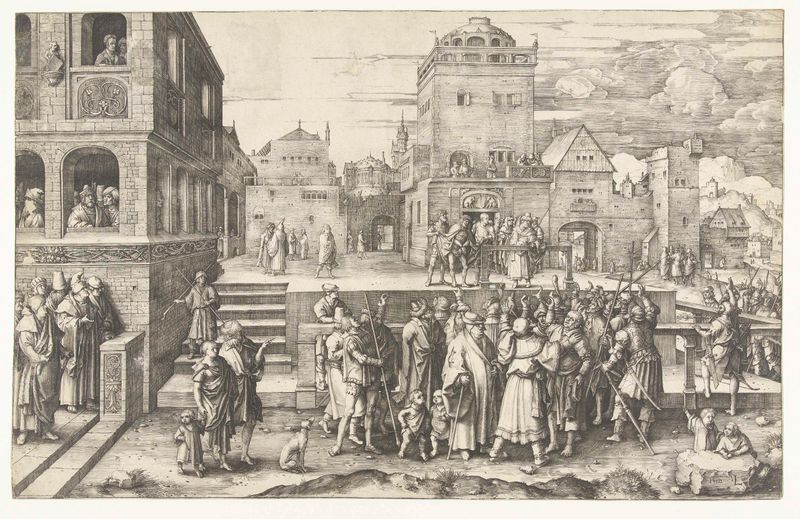
De grote Ecce Homo
Lucas van Leyden
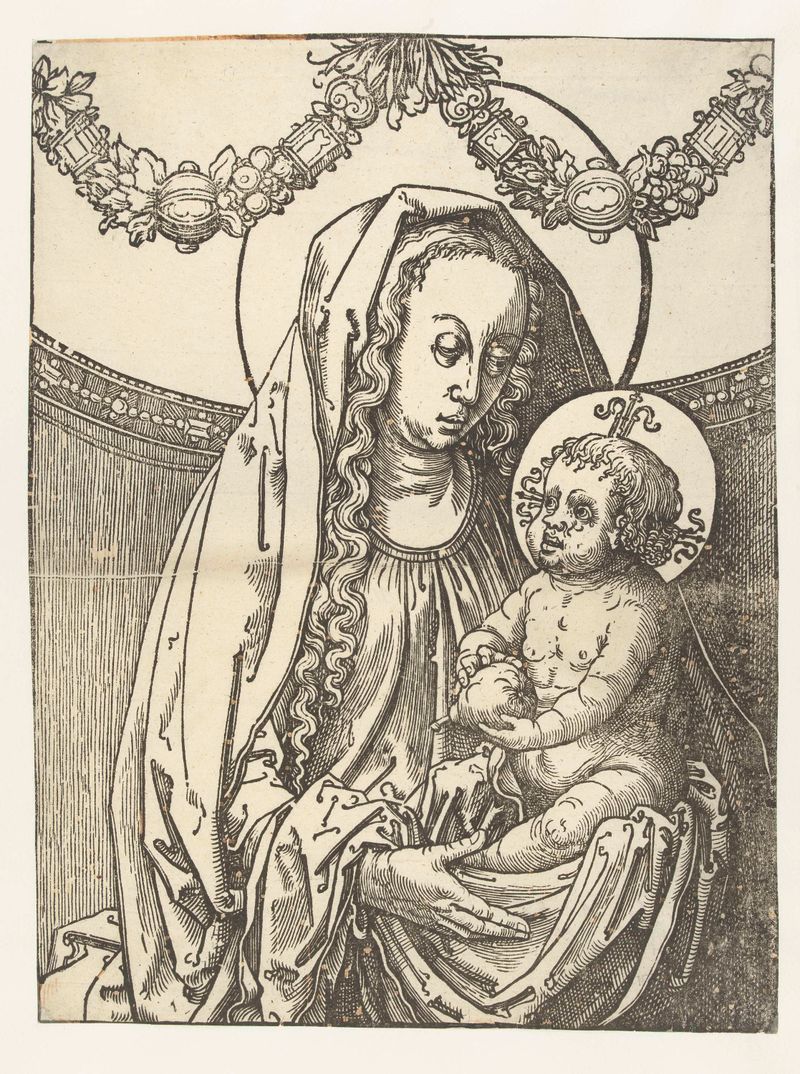
Maria met kind
Lucas van Leyden

Doornenkroning
Lucas van Leyden
More Religious Art
Browse all →
The Return of the Prodigal Son
Rembrandt van Rijn

The Garden of Earthly Delights
El Bosco

Count Orgaz’ funeral
El Greco

The Hundred Guilder Print: the central piece with Christ preaching, the plate arched
Rembrandt van Rijn

The Descent from the Cross
Rogier van der Weyden

The return of the prodigal son
Rembrandt van Rijn