
Syrinx, Par Maziere, 1689; Bassin d’Apollon — History & Facts
In the delicate interplay of color and form, we glimpse a world where the tumult of existence dissolves into serene transcendence. Look to the center of the canvas, where vibrant hues converge, drawing your eye to an ethereal figure draped in flowing garments, embodying both beauty and melancholy. Notice how the artist employs soft brushwork to create a sense of movement, as colors blend harmoniously—each stroke a testament to the fluidity of life. The luminous background, awash in warm golds and cool blues, encapsulates a dreamlike quality that invites reflection. Yet, amidst this tranquil scene, there's an undercurrent of tension.
The contrast between the figure’s serene expression and the swirling chaos surrounding her speaks to the struggle between the ephemeral and the eternal. Look closely, and you might see elements of nature intertwined in the fabric of the figure’s attire; they symbolize the intricate connection between humanity and the natural world, suggesting that tranquility often emerges from turmoil. In 1913, during a period of significant artistic exploration in America, the artist was navigating his own journey through the evolving landscape of art. Beckwith was captivated by the principles of Impressionism yet sought to infuse his works with deeper emotional resonance.
His engagement with themes of transcendence in Syrinx reflects not only his personal reflections but also the broader cultural currents of his time—an era grappling with its place amidst rapid change.
More Artworks by James Carroll Beckwith
Browse all →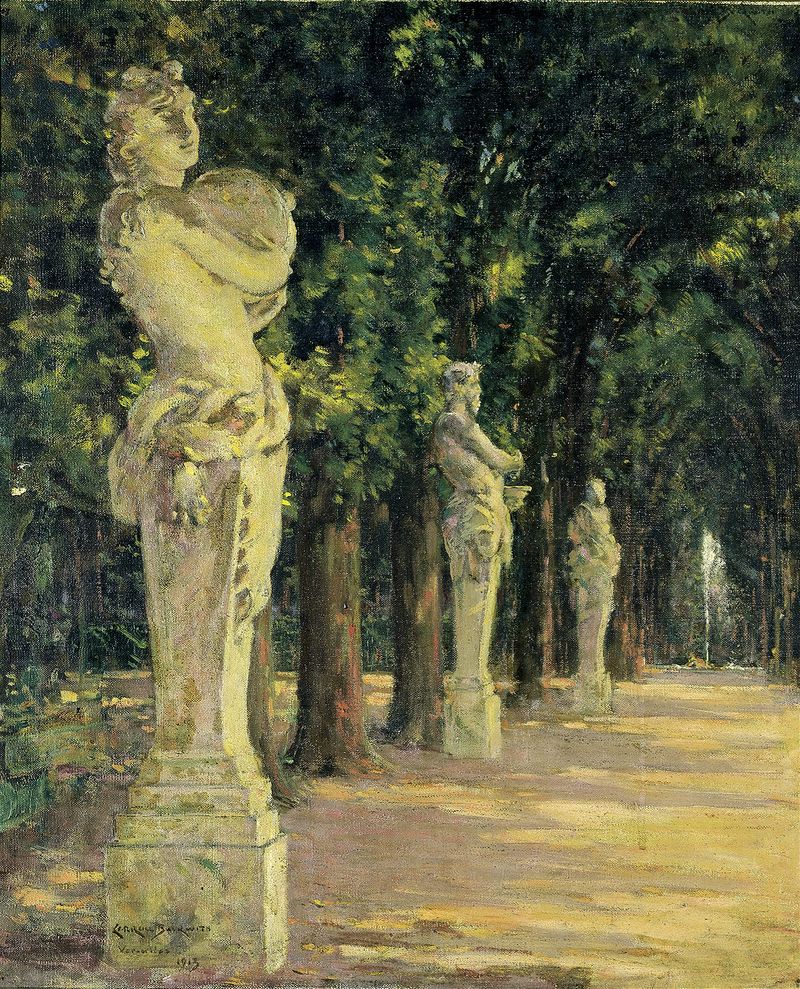
Allee de l’Ete, Versailles
James Carroll Beckwith

Carrefour at the End of the Tapis Vert, Versailles
James Carroll Beckwith

Bassin de Neptune, Versailles
James Carroll Beckwith

Nymph and Cupid
James Carroll Beckwith

George Martin Lane (1823-1897)
James Carroll Beckwith
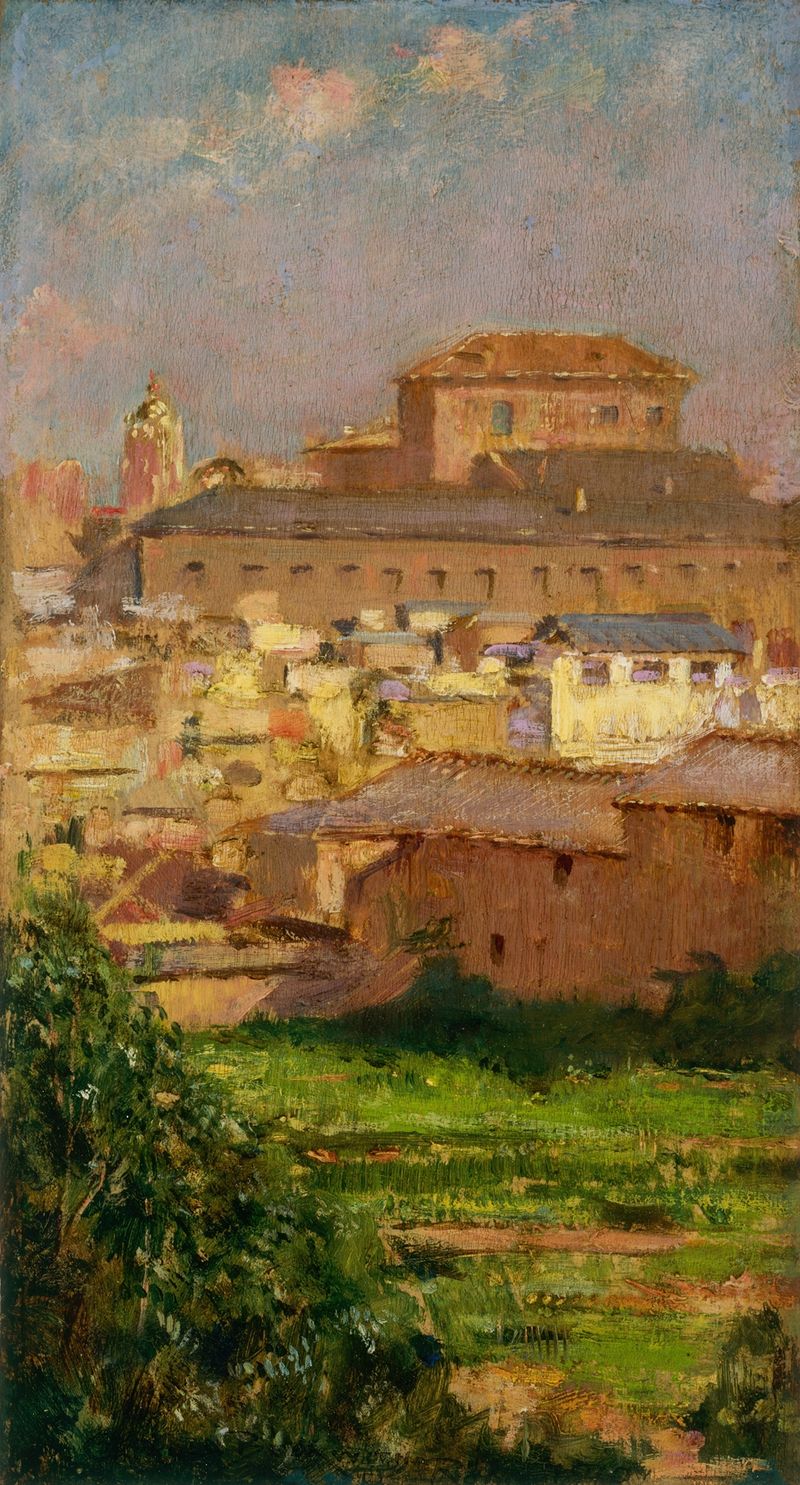
Palazzo Barberini, Rome
James Carroll Beckwith
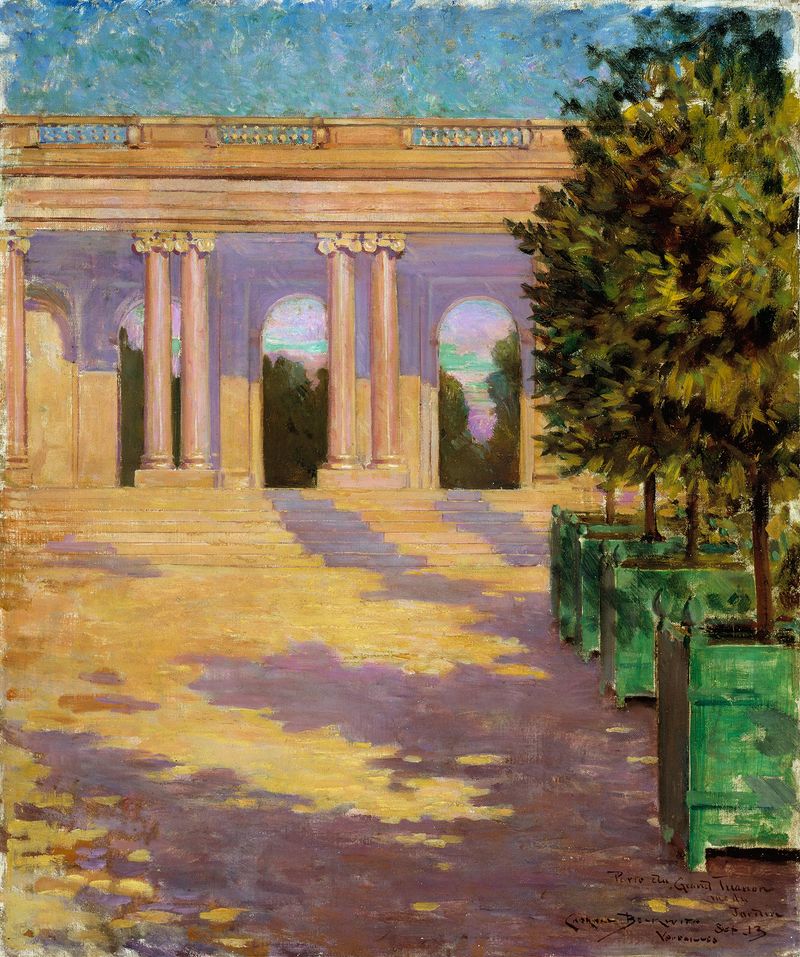
Arcade of the Grand Trianon, Versailles
James Carroll Beckwith

Cathedral at le Puy
James Carroll Beckwith

The Palace of the Popes and Pont d’Avignon
James Carroll Beckwith
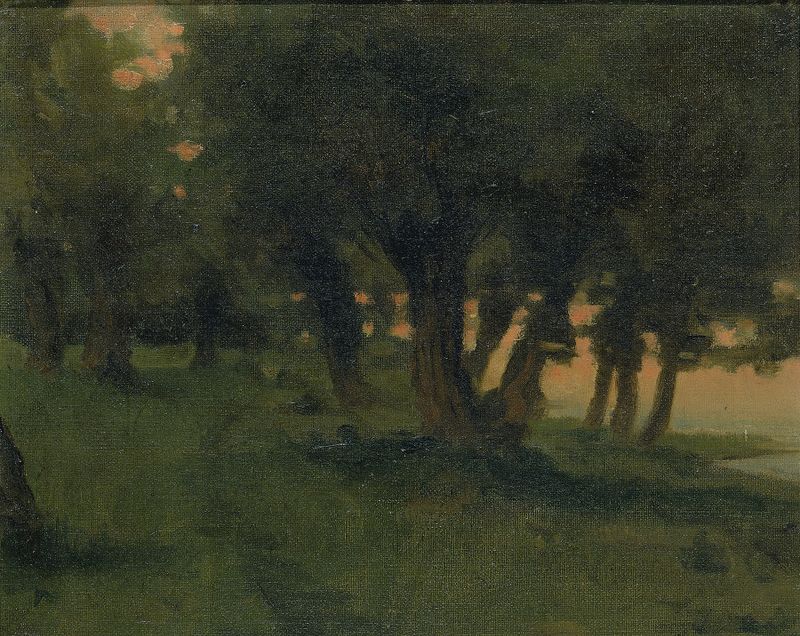
On the Banks of the Rhine, near St. Germain at Mont d’Or
James Carroll Beckwith





