
Taking on Wet Provisions (Schooner Marked Newport, K. W.) — History & Facts
In the stillness of a moment, a deep silence envelops the scene of the sea, where the rhythmic sound of waves is the only witness to the laboring hands aboard a schooner. Here, in the embrace of the ocean, one can feel the weight of nature’s majesty and the burden of human endeavor, quietly intertwined. Focus on the left side of the canvas, where the weathered textures of the boat’s wood contrast starkly with the fluid, churning blues of the water. Notice how the light catches the sail, illuminating its billow with a soft glow that draws the eye upward, inviting contemplation of the horizon.
The palette of muted earth tones and vibrant blues creates a dynamic interplay, while the meticulous brushwork reveals the artist’s dedication to capturing both the power of the sea and the quiet resolve of those who navigate it. Yet, within this tranquil scene lies tension—a juxtaposition of serenity and toil. The fishermen, absorbed in their work, embody resilience, a stark reminder of the harsh realities of life at sea. The vastness of the ocean, both beautiful and perilous, reflects the inner struggles of humanity, inviting viewers to ponder the sacrifices made in pursuit of sustenance and survival. In 1903, the artist found himself in a period of reflection, deeply influenced by the changing tides of American society and art.
Living in Maine, a state imbued with maritime life, he painted Taking on Wet Provisions (Schooner Marked Newport, K. W.) during a time when the Impressionist movement was flourishing, yet he chose to remain rooted in realism—capturing the essence of human existence against nature’s backdrop without succumbing to fleeting trends.
More Artworks by Winslow Homer
Browse all →
The Gulf Stream
Winslow Homer
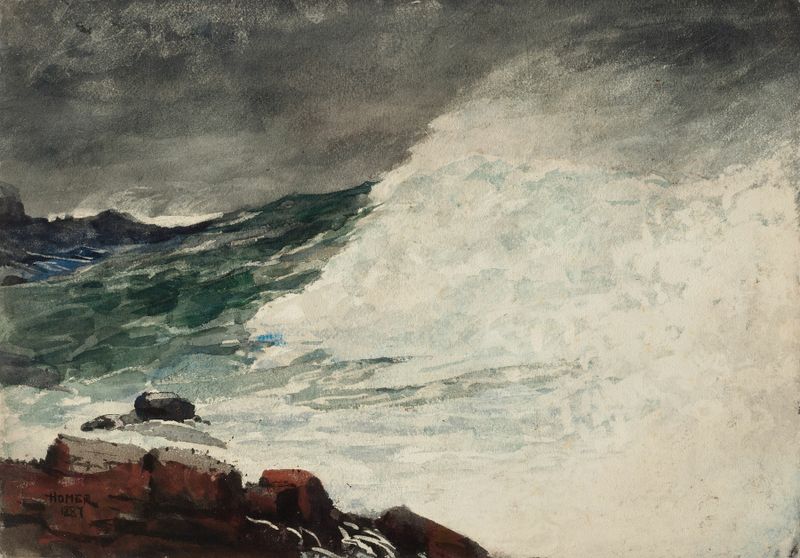
Prout’s Neck, Breaking Wave
Winslow Homer
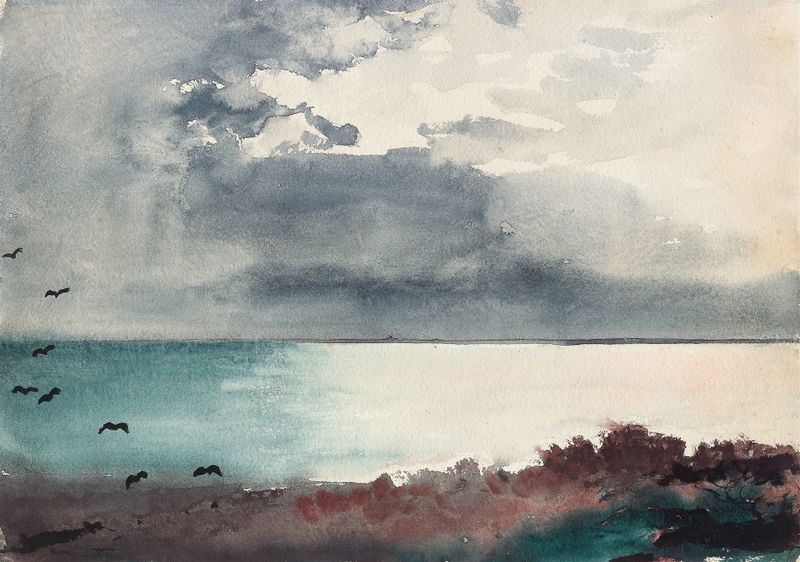
Breaking Storm, Coast of Maine
Winslow Homer
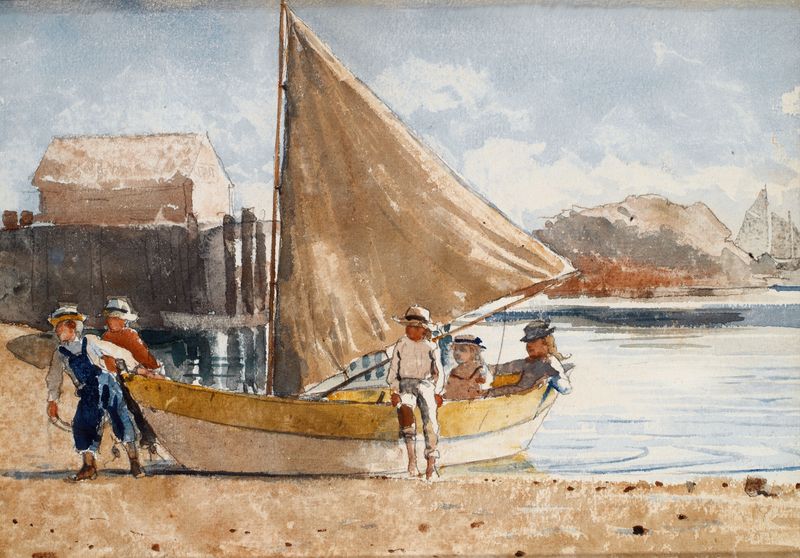
Summertime
Winslow Homer
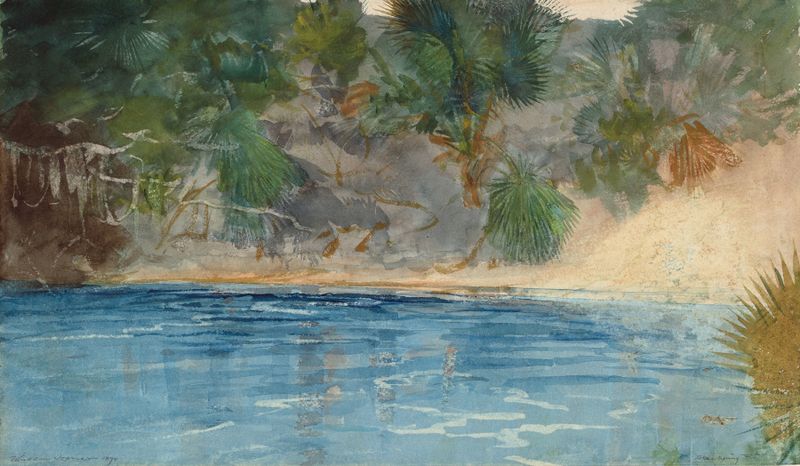
Blue Spring, Florida
Winslow Homer
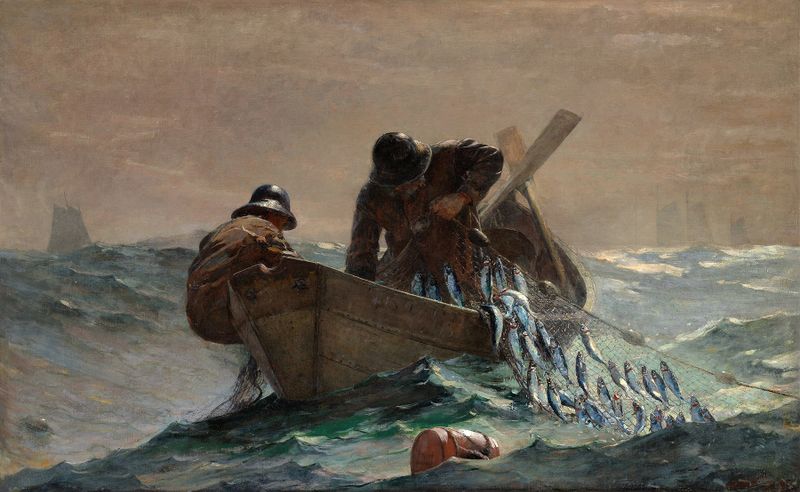
The Herring Net
Winslow Homer
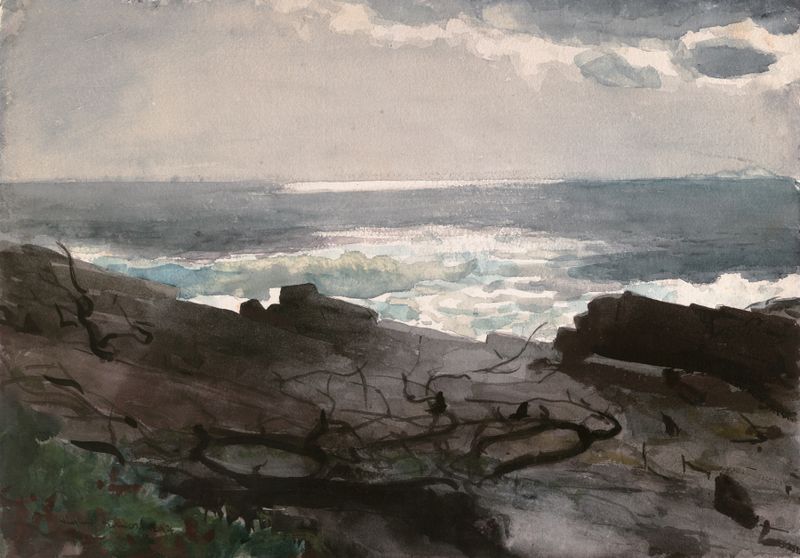
Sunshine and Shadow, Prout’s Neck
Winslow Homer
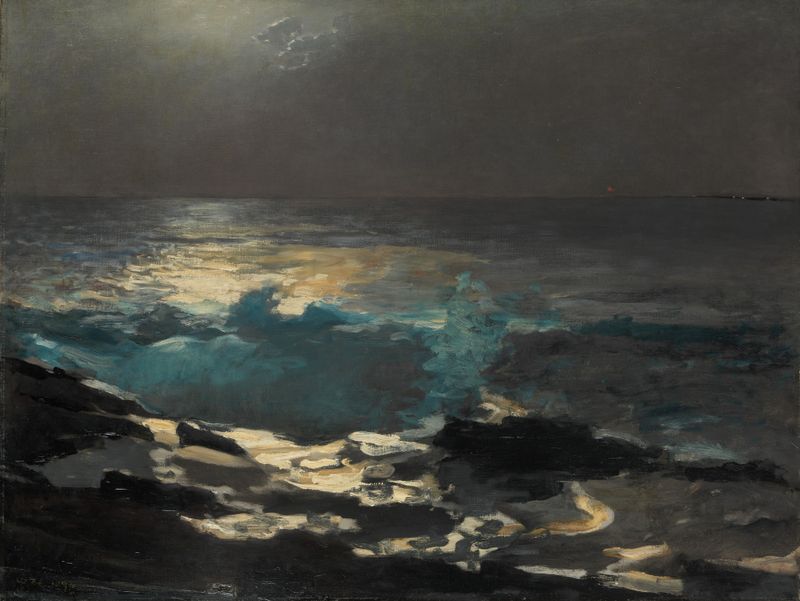
Moonlight, Wood Island Light
Winslow Homer
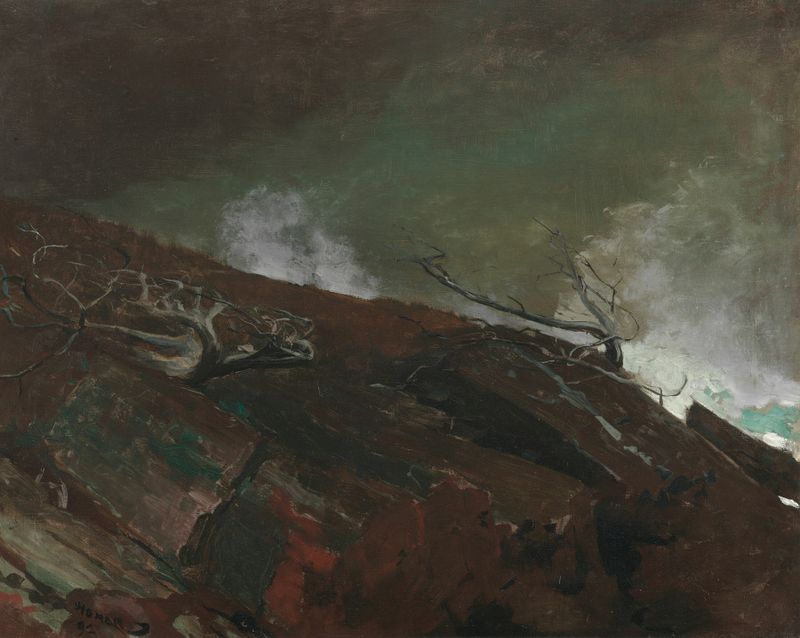
Coast of Maine
Winslow Homer
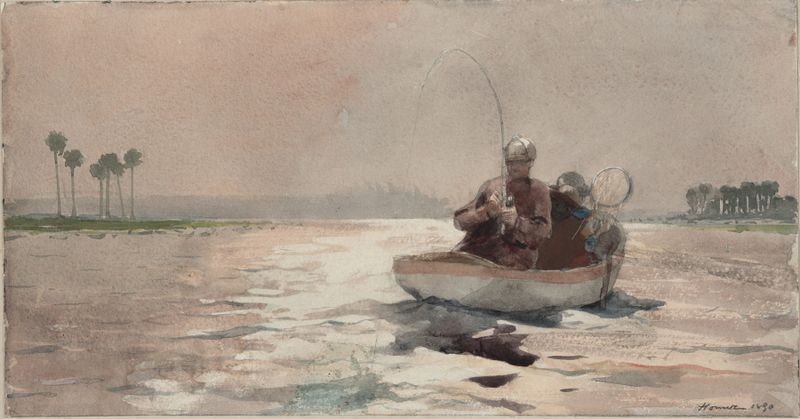
Bass Fishing – Florida
Winslow Homer




