Tempio di Giove Tonante — History & Analysis
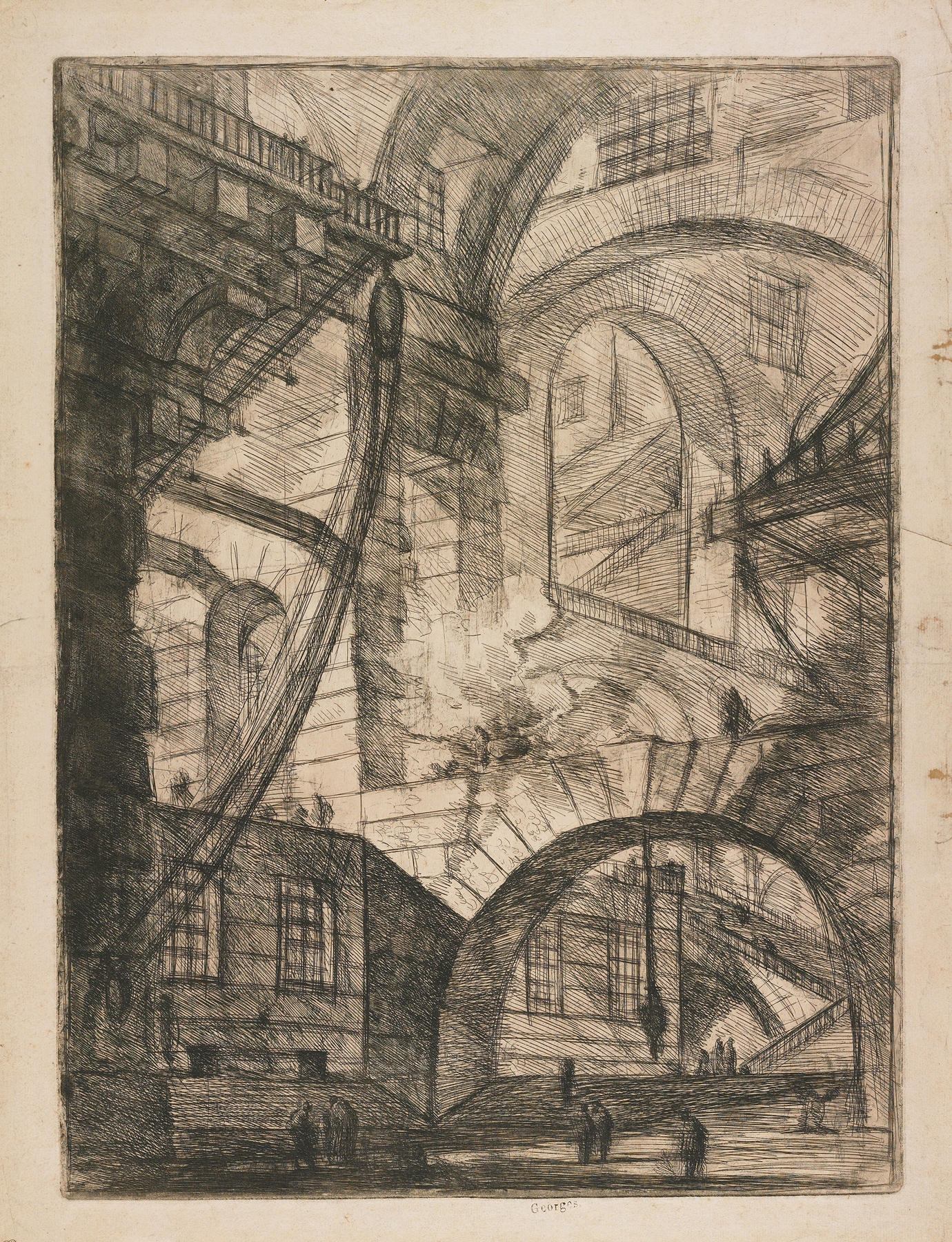
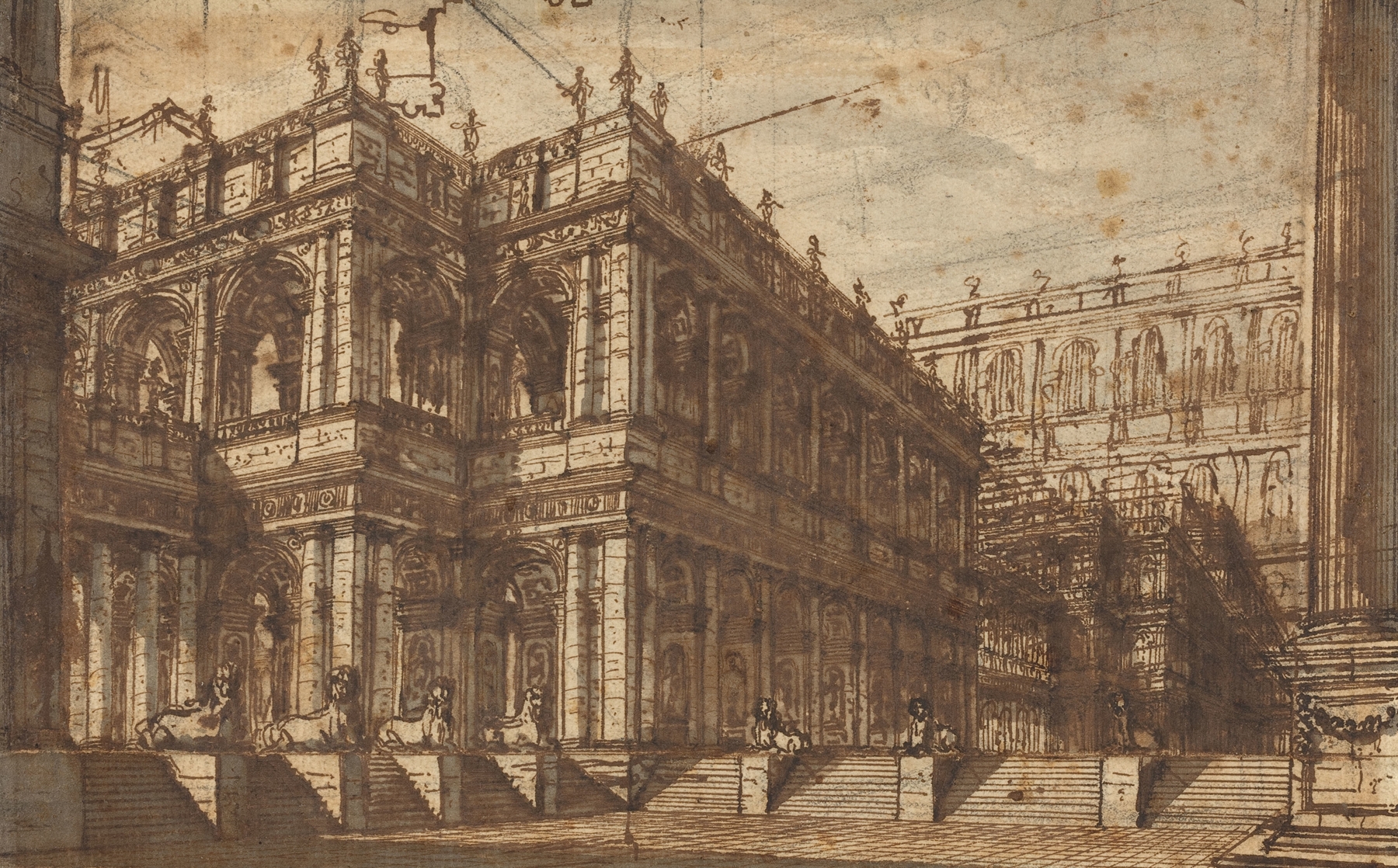
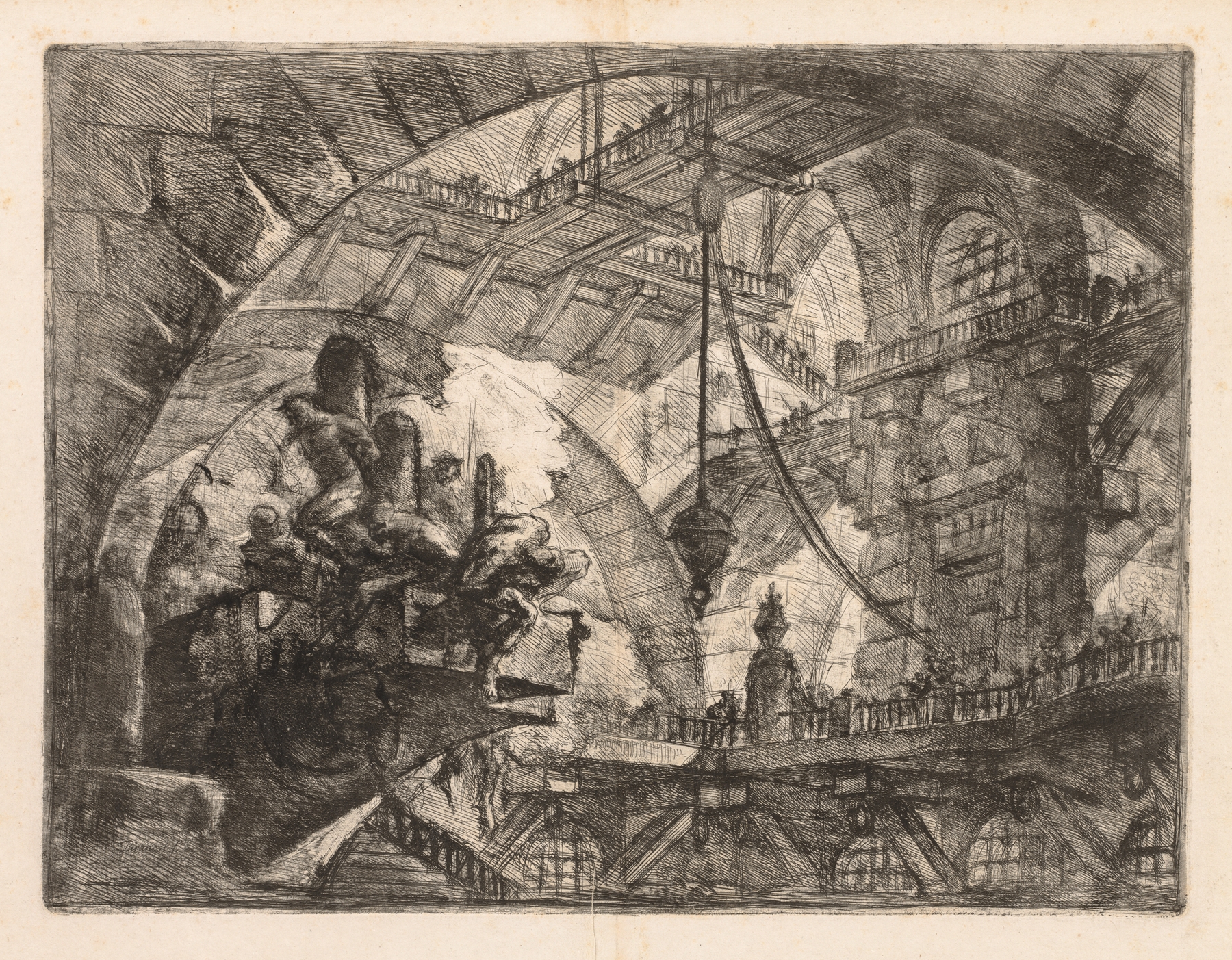
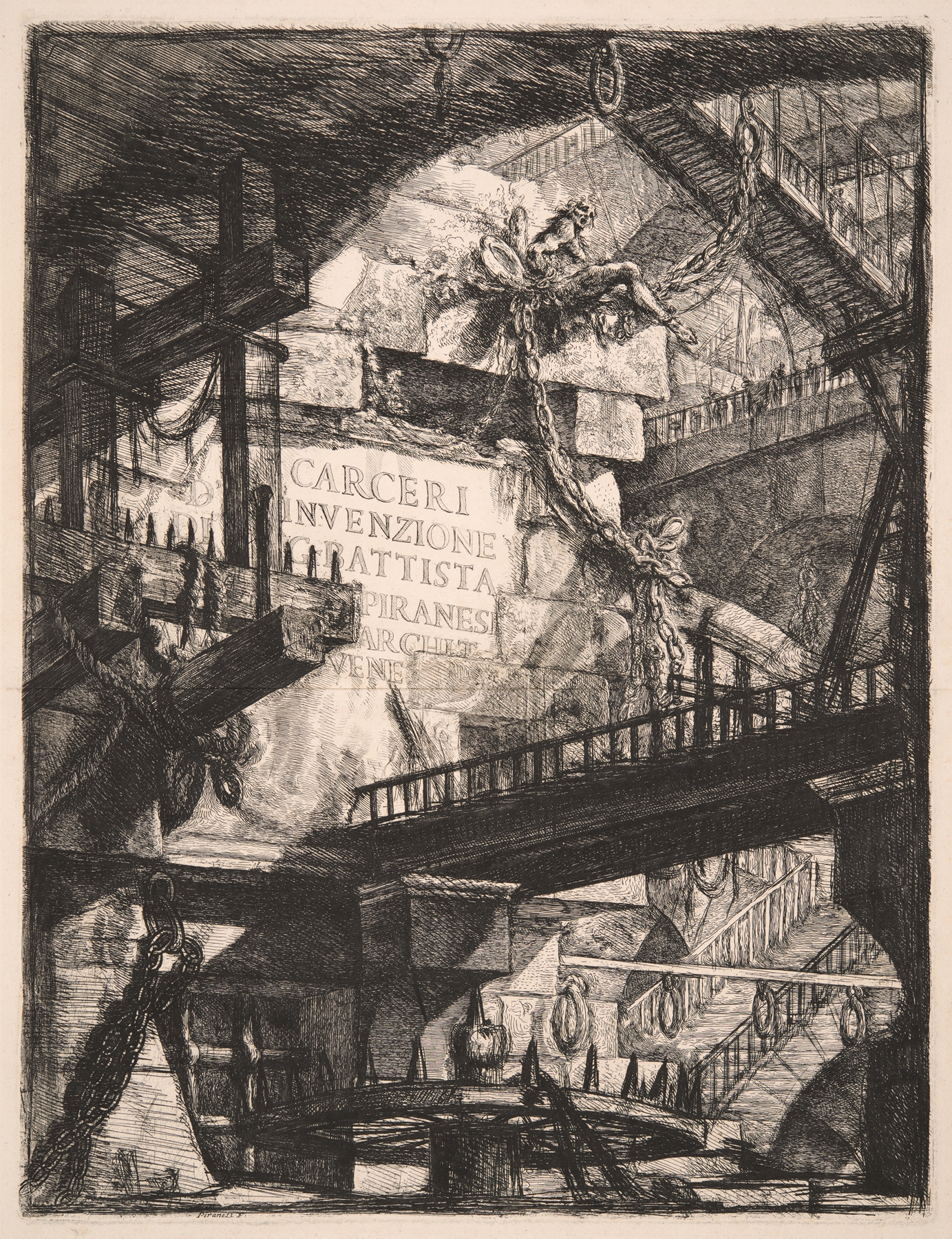
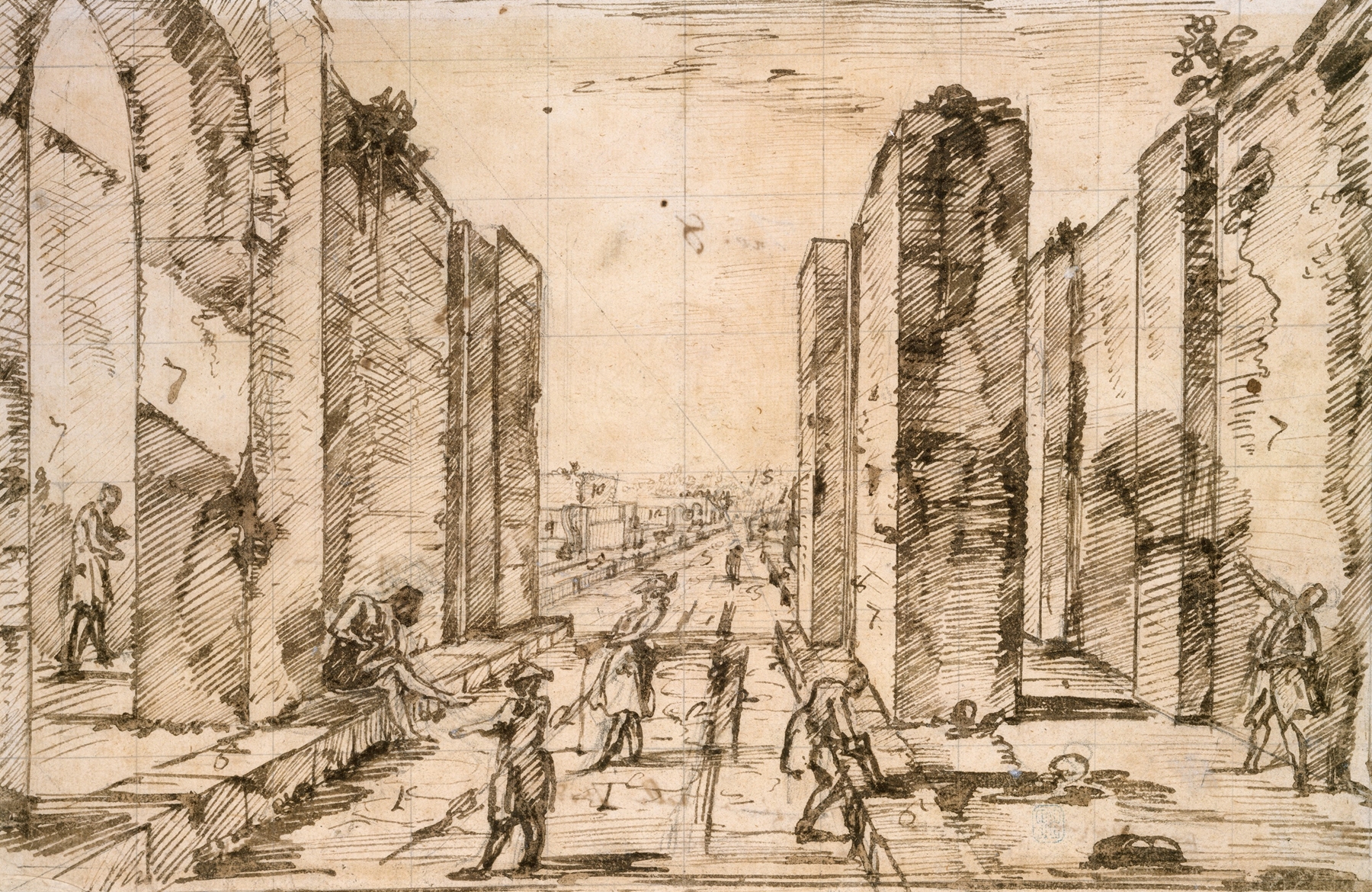
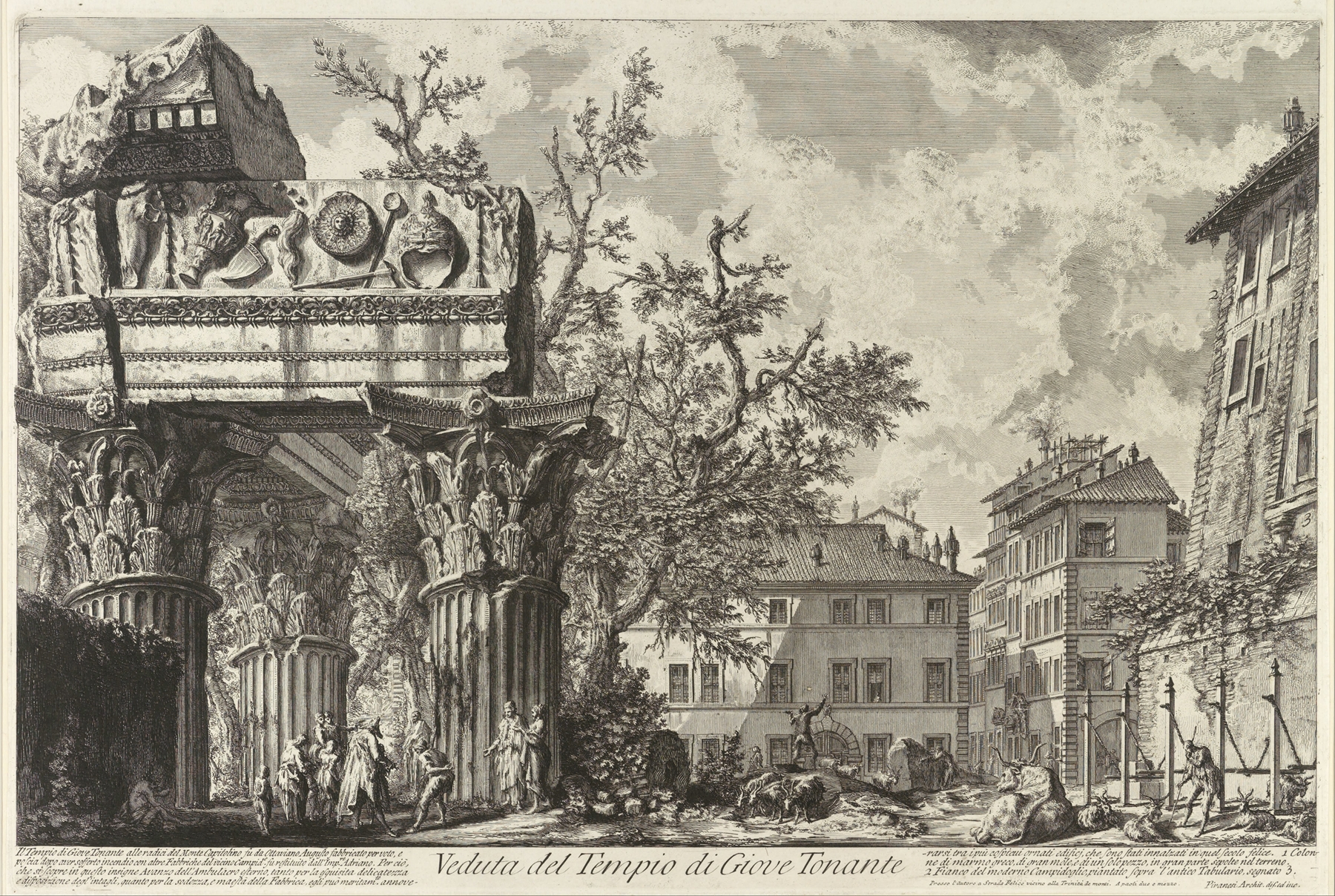
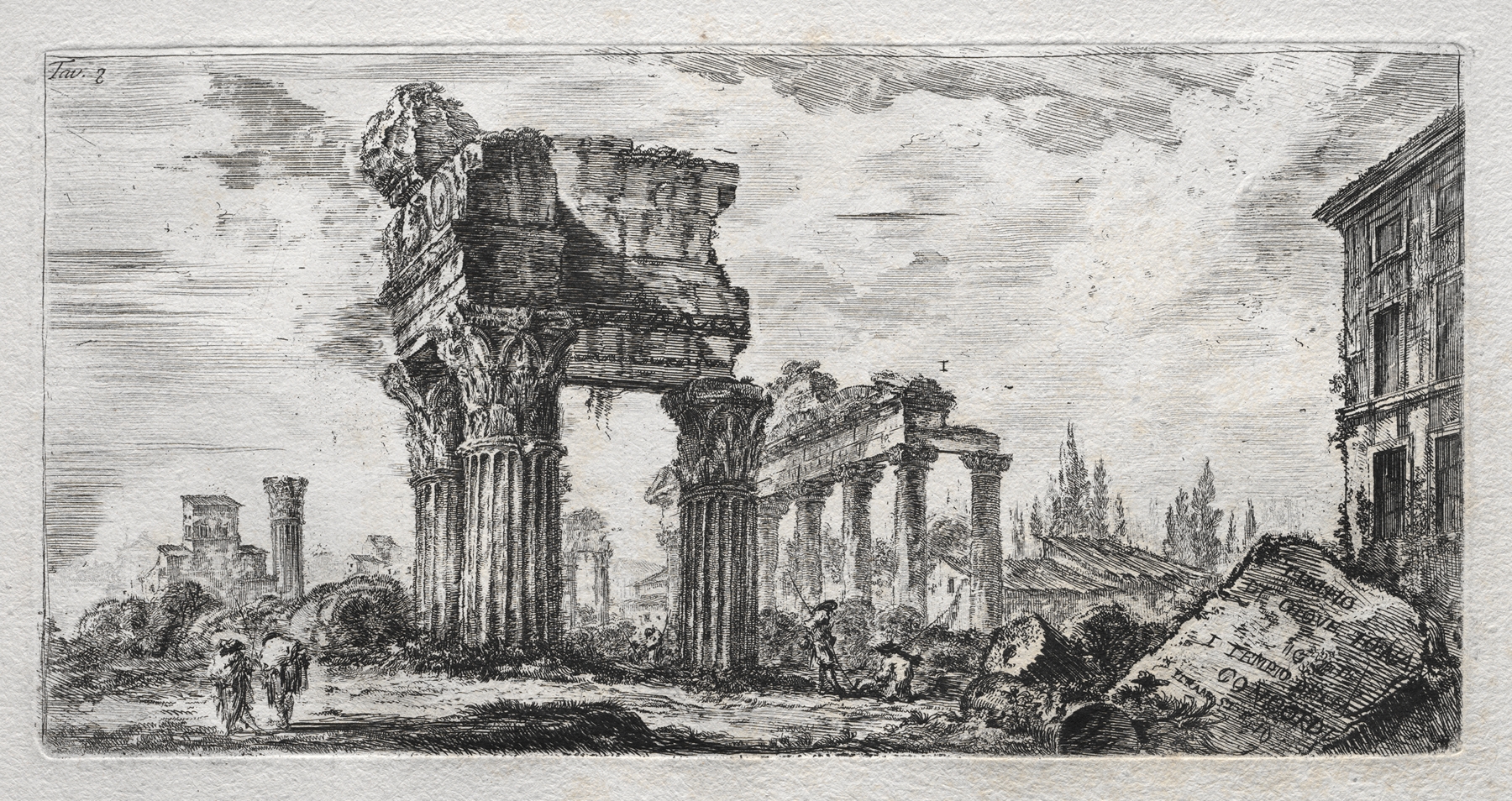
“Between color and silence, truth hides.” In the faded ruins of a magnificent temple, the remnants of grandeur whisper stories of loss and longing, echoing through time. Here, architecture speaks not just of its past glory, but of the fleeting nature of existence itself. Look to the left, where crumbling columns stand defiantly against the sky, their shadows stretching across the weathered ground. The chiaroscuro technique brings a stark contrast of light and dark, illuminating the delicate textures of stone while cloaking deeper recesses in shadow.
Notice how the muted palette enhances the solemnity, drawing your gaze to each intricate detail, inviting contemplation about what once reigned here. Beneath the surface, the painting evokes a profound sense of absence. The temple, though grand in its remains, symbolizes the inevitable decay of all things. The fragmented architecture serves as a poignant reminder of humanity’s pursuit of permanence amidst the ever-ticking clock of time.
Each crack holds a memory, while the emptiness speaks volumes about the inevitability of loss, both personal and collective. Created around 1748, this work emerged from Piranesi's fascination with the ancient world, reflecting a moment when Europe was enamored with the ruins of Rome. Living in a time marked by artistic revival and exploration, he sought to capture the remnants of history, revealing not only their beauty but also their fragility. Amidst a burgeoning interest in antiquity, his exploration of these themes would lay the groundwork for future generations of artists.