
Tengu — History & Facts
No one knows exactly when Katsushika Hokusai created Tengu, nor for what purpose, but this enigmatic work continues to intrigue both scholars and admirers of Japanese art. The tengu—mischievous, bird-like spirits from Japanese folklore—were a recurring fascination in Edo-period prints and paintings, yet Hokusai’s interpretation stands out for its ambiguity and wit. Unlike many of his more famous series, such as Thirty-six Views of Mount Fuji, this piece exists outside a clear chronology or commission, leaving its origins shrouded in mystery.
Some suggest it was a private work, perhaps a study or playful experiment, rather than a formal print intended for wide distribution. The scene captures the tengu in mid-transformation, caught between human and avian form, its elongated nose and feathered limbs rendered with Hokusai’s characteristic energy. The creature’s posture—half-crouched, half-ready to leap—invites the viewer into a moment of mischief or revelation. Around it, swirling lines evoke both wind and movement, a technique Hokusai often used to animate his subjects with a sense of restless spirit.
Unlike the fearsome tengu of earlier artists such as Toriyama Sekien, Hokusai’s interpretation balances humor and menace, perhaps reflecting the shifting attitudes toward these creatures in late Edo culture. The use of exaggerated features and lively brushwork invites us to question whether the tengu is a threat, a trickster, or something in between. As with many of Hokusai’s lesser-known works, the physical history of Tengu is uncertain; its medium and original format remain undocumented, and it is not part of any well-known series. It survives today primarily in reproductions and references within collections of Hokusai’s sketches and drawings, such as the famed Hokusai Manga.
This ambiguity has only added to its allure, drawing the attention of collectors and researchers eager to trace its provenance. While it does not hang in a major museum under glass, Tengu is often included in exhibitions exploring the breadth of Hokusai’s imagination and his deep engagement with Japanese folklore. Its survival, despite the lack of clear documentation, testifies to the enduring fascination with both the artist and the supernatural world he so vividly conjured.
More Artworks by Katsushika Hokusai

The Great Wave off Kanagawa
Katsushika Hokusai
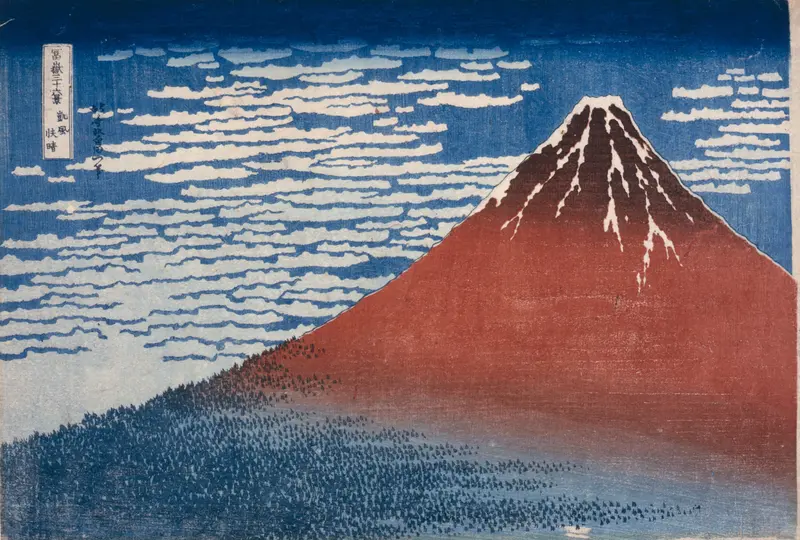
Fine Wind, Clear Morning (Red Fuji)
Katsushika Hokusai
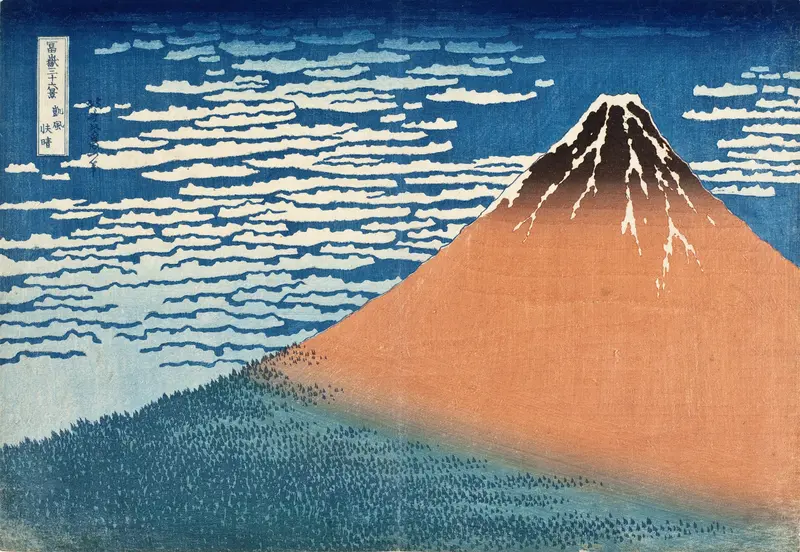
South Wind, Clear Dawn
Katsushika Hokusai
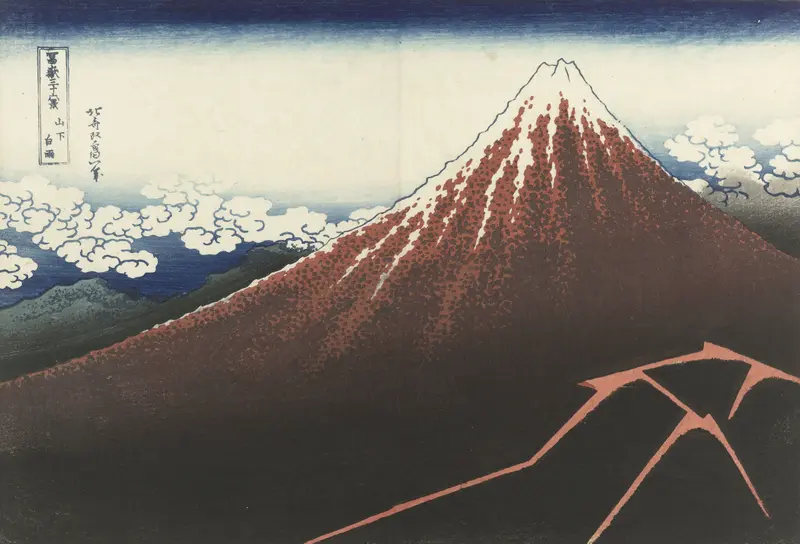
Rainstorm Beneath the Summit
Katsushika Hokusai
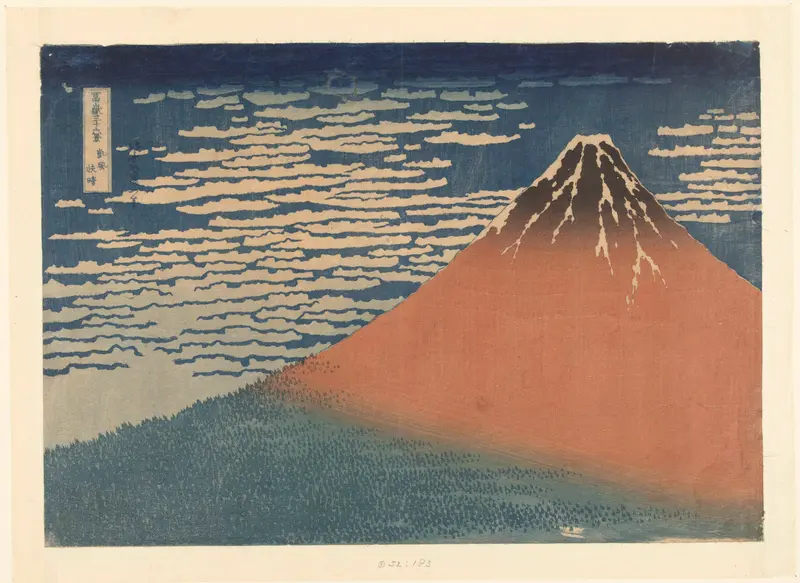
Clear Weather with a Southerly Wind
Katsushika Hokusai
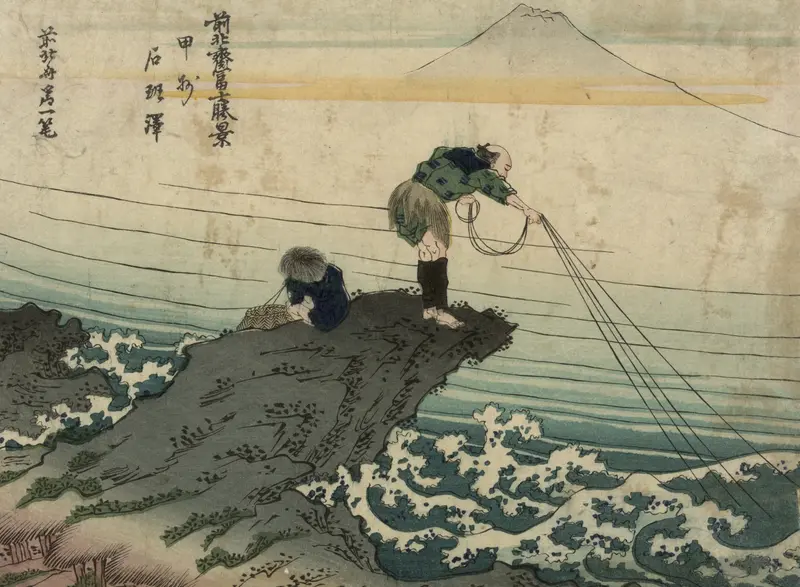
Kōshū kajikazawa
Katsushika Hokusai
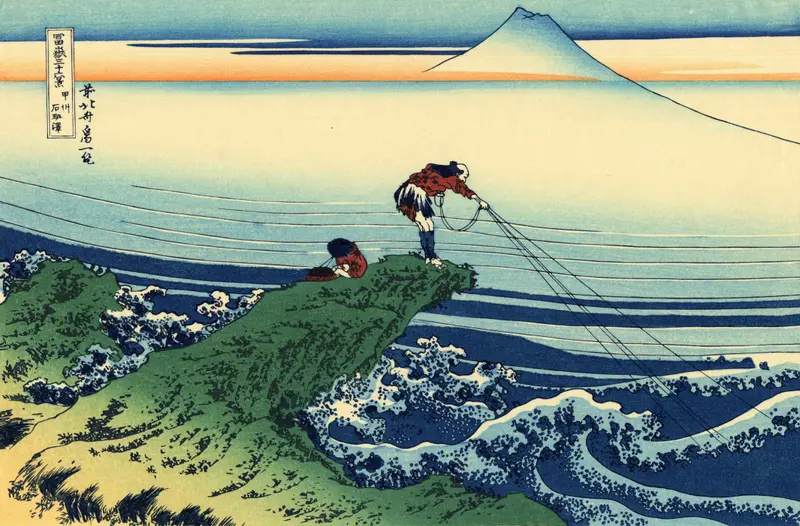
Kōshū kajikazawa 2
Katsushika Hokusai
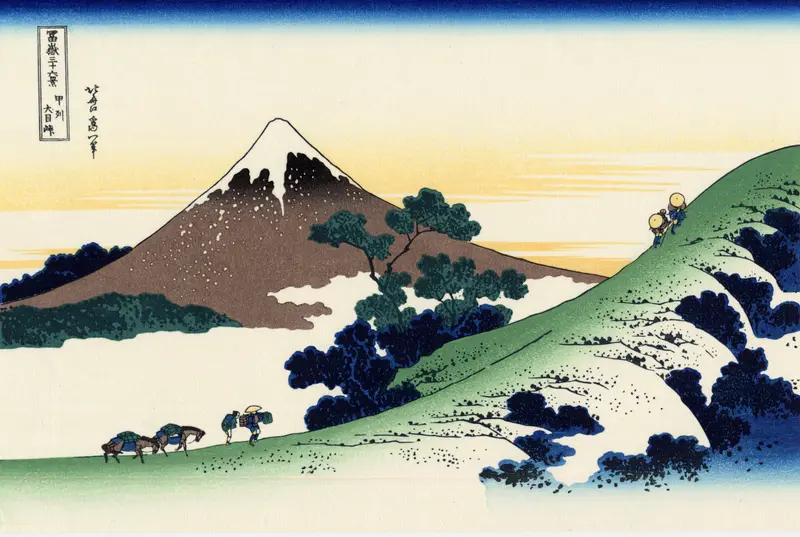
Inume Pass in Kai Province (Kôshû inume-tôge)
Katsushika Hokusai

Yoro Falls in Mino Province (Mino no Yoro no taki), from the series "A Tour of Waterfalls in Various Provinces (Shokoku taki meguri)"
Katsushika Hokusai
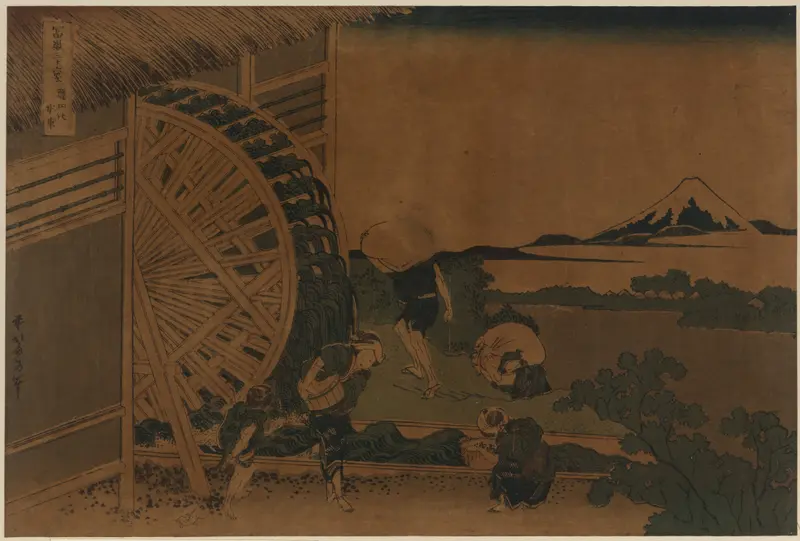
Onden no suisha
Katsushika Hokusai





