
Termonde — History & Facts
What if beauty was never meant to be finished? In the delicate strokes of the landscape, we are invited to ponder the faith that sustains our pursuit of perfection. Focus first on the horizon, where the gentle interplay of light and shadow unfolds, wrapping the scene in a soft embrace. Notice how the muted pastel palette captures a fleeting moment, imbuing the atmosphere with a sense of tranquility. The trees stand sentinel in the foreground, their silhouettes framing the distant structures, inviting the viewer's gaze to wander deeper into the serene expanse of the painted world. Hidden within the simplicity of this landscape lies a profound contrast: the calmness of nature juxtaposed with the distant hints of human presence.
Each brushstroke whispers stories of quiet resilience, hinting at life’s impermanence. The soft blending of colors evokes a dreamlike quality, suggesting that beauty exists in its unfinished form, ever-evolving and always beckoning. This speaks to a deep-seated faith in nature's ability to endure despite the passage of time. Auguste Louis Lepère created Termonde in 1914, during a tumultuous period just before the world plunged into war.
Living in France, he was influenced by the shift in artistic movements, embracing Impressionism while also reflecting a burgeoning modernity. This painting captures not only the essence of a landscape but also the optimism and uncertainty of an era on the brink of change, inviting viewers to hold onto their faith in beauty amidst the chaos.
More Artworks by Auguste Louis Lepère
Browse all →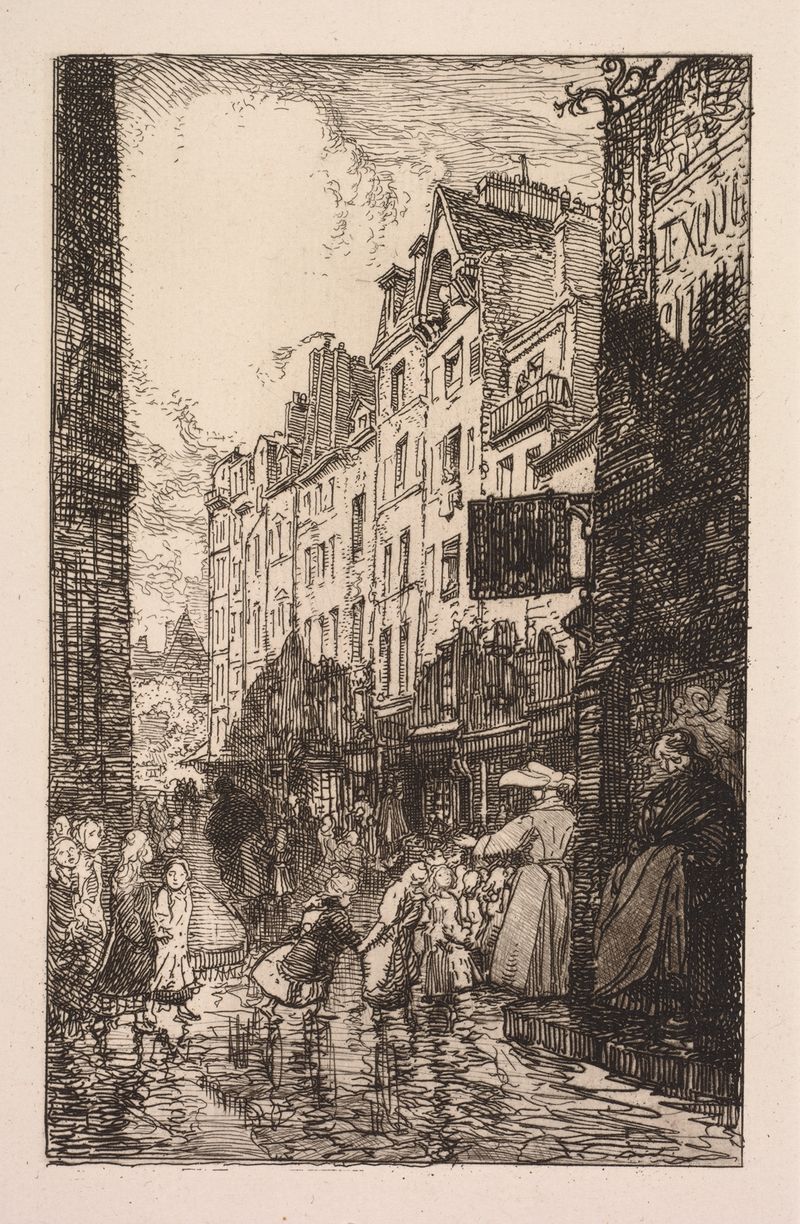
La Rue des Prêtres Saint-Séverin
Auguste Louis Lepère
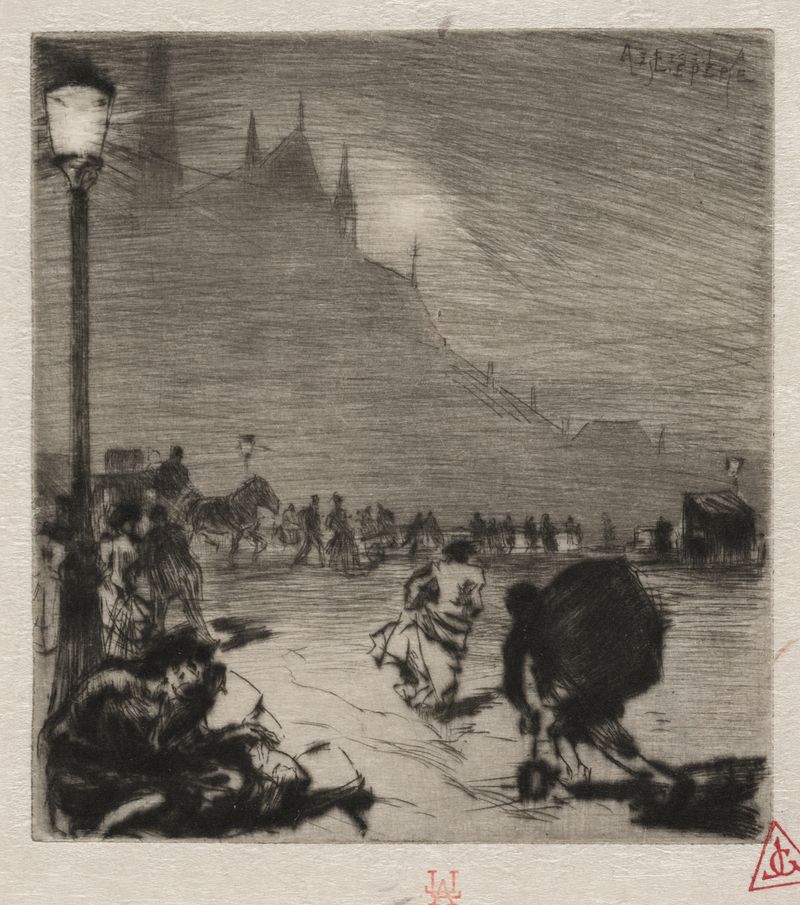
Au Coin du Pont-aux-Doubles
Auguste Louis Lepère
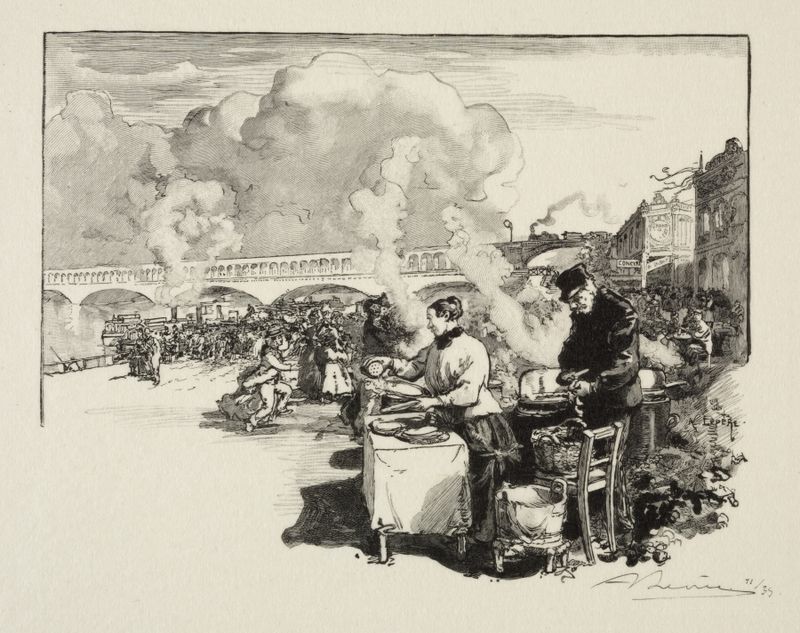
Debarcadère des bateaux-omnibus
Auguste Louis Lepère

La Seine, au quai de la Rapée
Auguste Louis Lepère
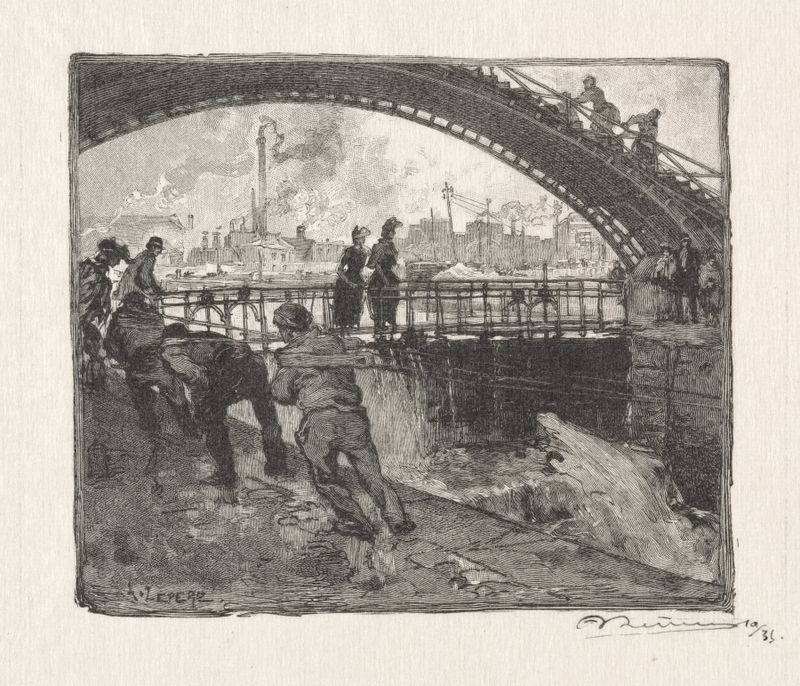
L’Ecluse du Canal St. Martin
Auguste Louis Lepère

Le Boulevard Montmartre, le Soir
Auguste Louis Lepère

Une Chasse au Mont Gérard
Auguste Louis Lepère
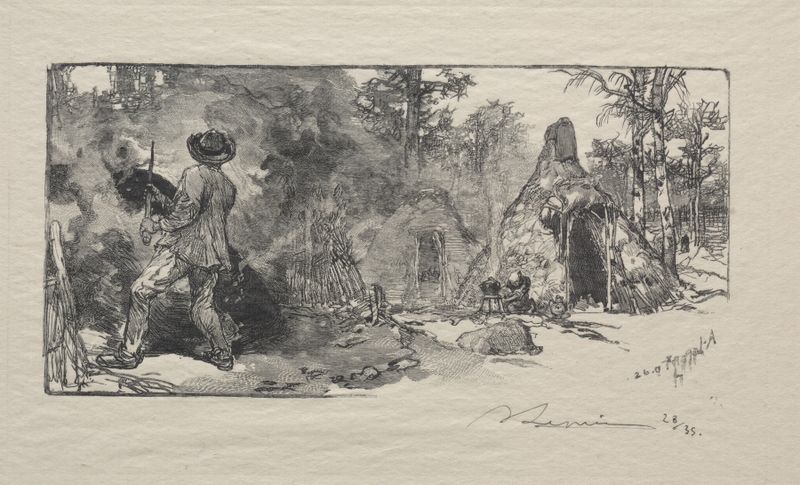
Les Charbonniere
Auguste Louis Lepère
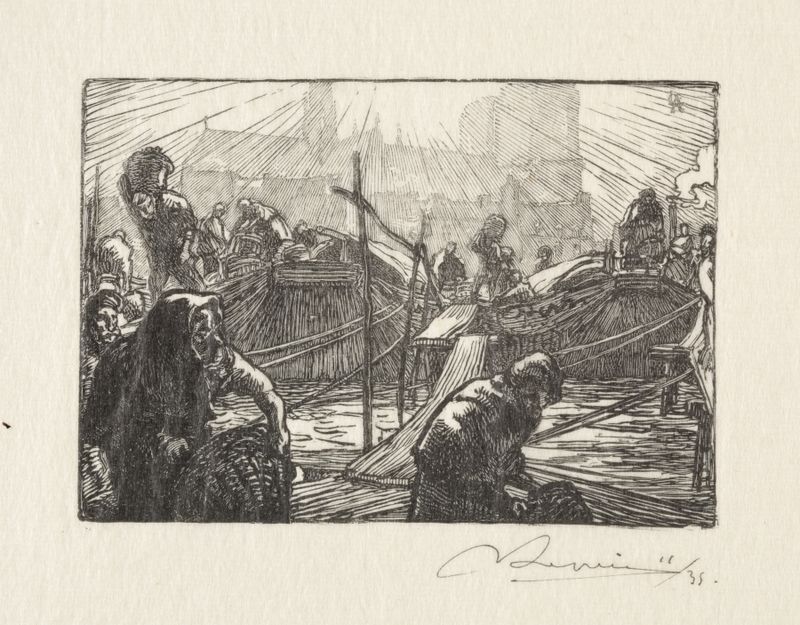
Notre Dame vue du Marché aux pommes
Auguste Louis Lepère

Le Palais des Arts Liberaux, Intèrieur
Auguste Louis Lepère





