
Terre antique, le temple — History & Facts
When did color learn to lie? In the haunting stillness of Terre antique, le temple, emptiness speaks volumes, inviting us to probe its depths. Look to the left at the deep ochre and muted earth tones, where they coalesce to create the ancient temple’s weathered facade. The interplay of light and shadow reveals not only the structure's texture but also its solitude, as if the building itself mourns lost stories. The delicate brushstrokes evoke a sense of decay, each layer of paint narrating the passage of time, while the sparse color palette underscores the overall feeling of abandonment. As you gaze deeper, notice the contrasting vibrancy of the surrounding landscape, hinting at life thriving just beyond the boundaries of this forsaken monument.
This juxtaposition between the lively greenery and the lifeless stone amplifies a poignant contrast—the temple, once a hub of activity, now stands as a silent witness to the passage of ages. The emptiness is not just physical; it permeates the air, inviting reflection on what once was, and what has been left behind, evoking both nostalgia and melancholy. In 1901, Émile-René Ménard painted this piece during a period of artistic transition in France, where Symbolism was on the rise. He was immersed in themes of memory and the ephemeral nature of existence amidst a shifting cultural landscape.
This work encapsulates his exploration of historical resonance, reflecting a personal and collective sense of loss during a time when the world was grappling with the remnants of its past.
More Artworks by Émile-René Ménard
Browse all →
Les Dryades
Émile-René Ménard
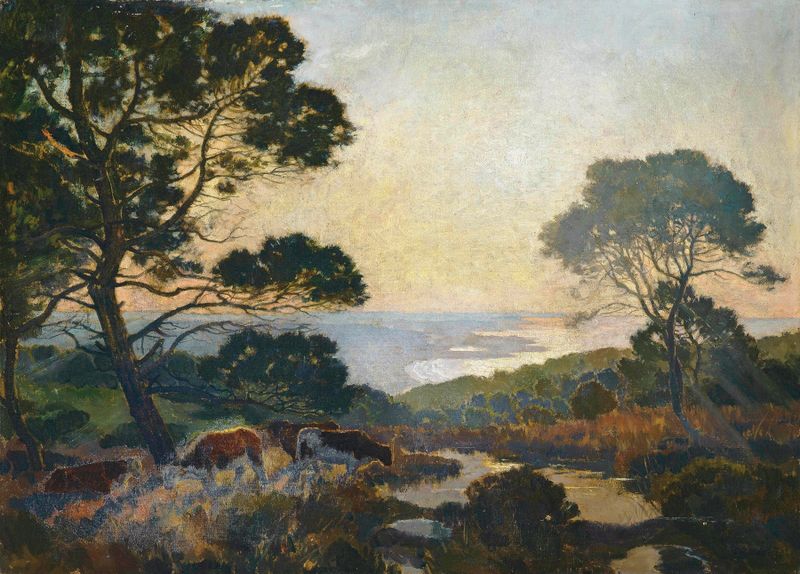
Cattle grazing above a bay at dusk
Émile-René Ménard

Solitude
Émile-René Ménard

Pastoral Scene
Émile-René Ménard
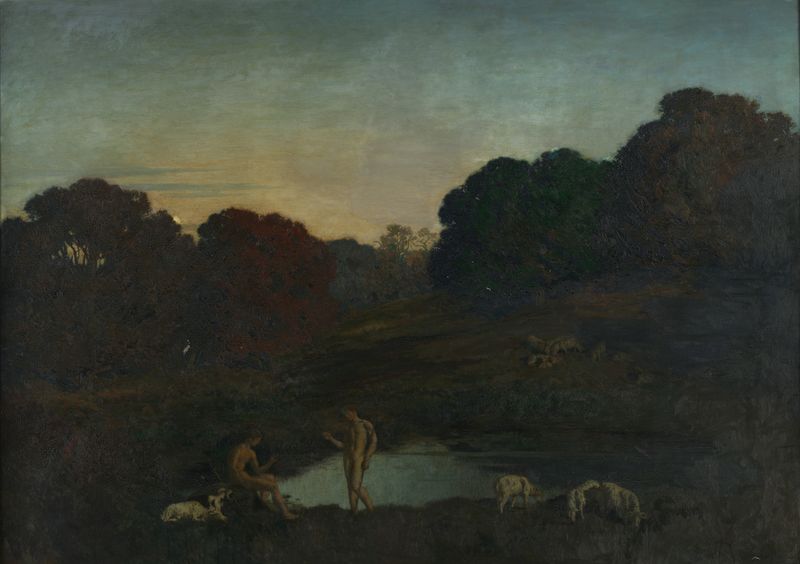
Pastoral Scene
Émile-René Ménard

Cavaliers antiques dans un paysage de montagne
Émile-René Ménard
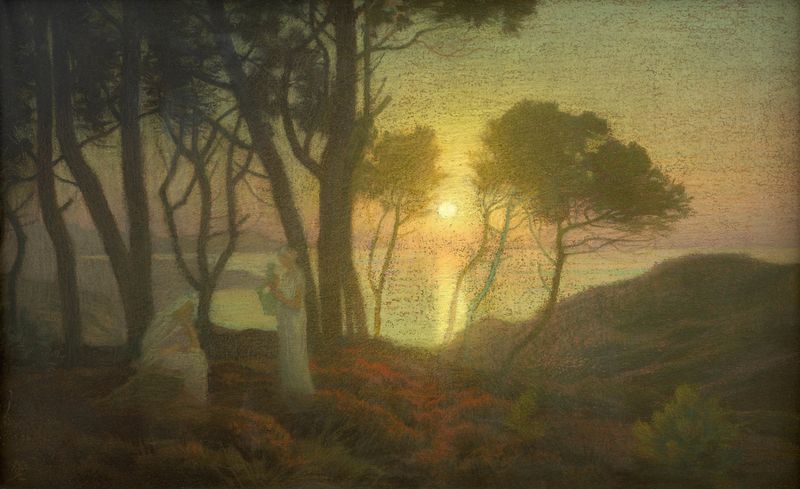
The lute player at dusk
Émile-René Ménard

L’Estuaire
Émile-René Ménard
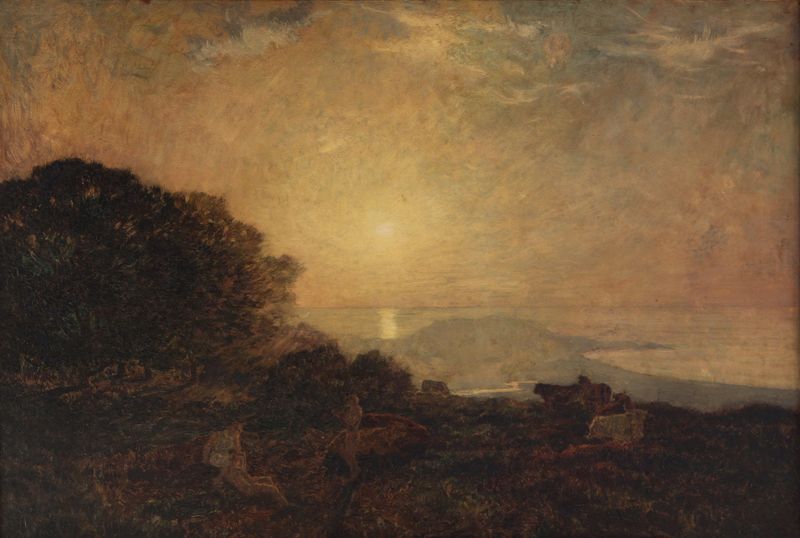
Landscape
Émile-René Ménard
Arco Iris
Émile-René Ménard
More Architecture Art
Browse all →
The statue of Liberty
Frédéric Auguste Bartholdi

View of Houses in Delft, Known as ‘The Little Street’
Johannes Vermeer

View of Houses in Delft, Known as ‘The Little Street’
Johannes Vermeer

The Cathedral in Rouen. The portal, Grey Weather
Claude Monet

The yellow house
Vincent van Gogh

The Church in Auvers-sur-Oise, View from the Chevet
Vincent van Gogh