
The lute player at dusk — History & Facts
Did the painter know this moment would outlive them? The vibrant, melancholic echoes of a lone lute player at dusk beckon us into a world where solitude dances with music, leaving a haunting trace in the air. Focus on the solitary figure nestled within a softly fading landscape. The warm hues of orange and purple envelop the scene, casting shadows that stretch across the canvas like memories fading into twilight. Notice how the gentle light highlights the curves of the lute, its polished wood glistening, inviting the viewer to feel the resonance of each plucked string.
The juxtaposition of the musician’s deep focus against the vastness of the dusk invites contemplation, drawing you into their intimate realm while simultaneously reminding you of the isolation inherent in the experience. As you delve deeper, observe the contrasting elements of presence and absence. The lute player, lost in their artistry, seems both a part of the landscape and utterly apart from it. The background, a blur of indistinct shapes and fading colors, enhances the emotional tension, suggesting unspoken stories waiting to be told.
Here, loneliness is not a burden but an integral part of the creative process, where silence amplifies the music and the heart's longing resonates through the strings. Émile-René Ménard, a pivotal figure in the Symbolist movement, painted this piece during a period when artists were increasingly drawn to themes of introspection and emotional depth. While the exact date remains unknown, it reflects the transitional phase of late 19th-century art, where the exploration of individual experience began to overshadow traditional narratives. His work encapsulates this yearning for connection, intertwining personal solitude with the universal language of music.
More Artworks by Émile-René Ménard
Browse all →
Les Dryades
Émile-René Ménard
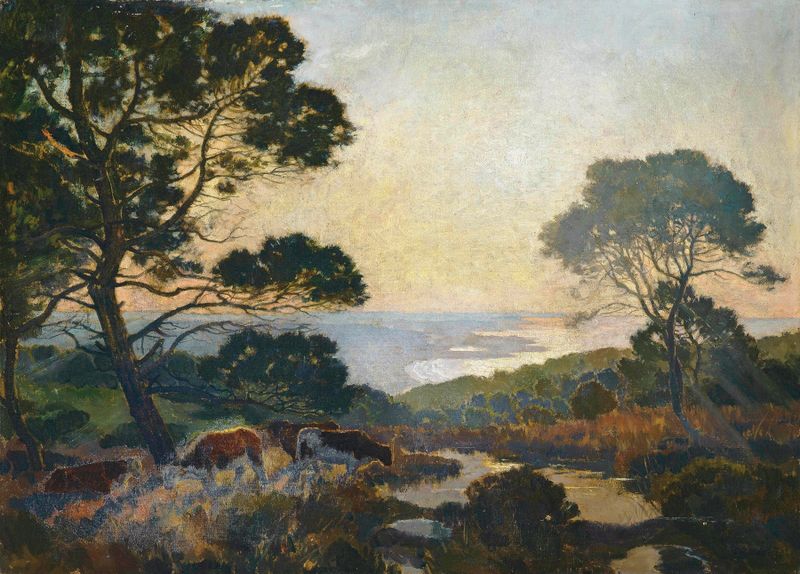
Cattle grazing above a bay at dusk
Émile-René Ménard

Solitude
Émile-René Ménard

Pastoral Scene
Émile-René Ménard

Terre antique, le temple
Émile-René Ménard
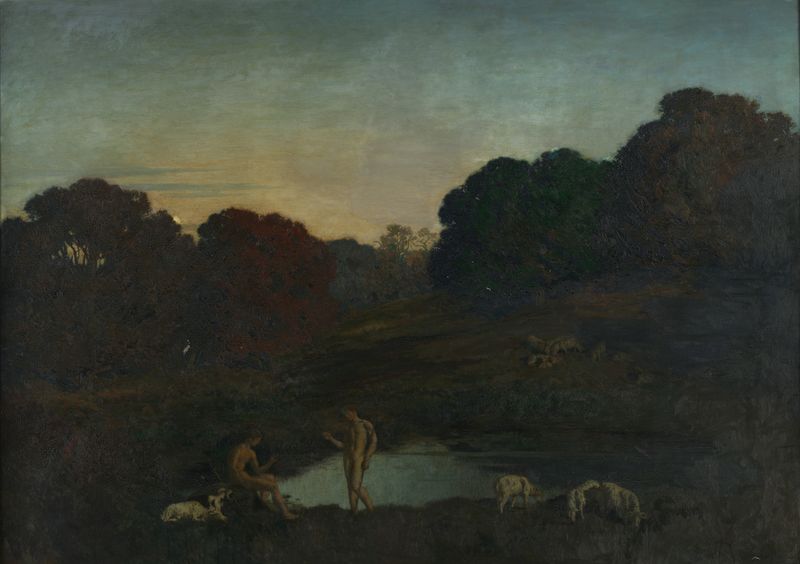
Pastoral Scene
Émile-René Ménard

Cavaliers antiques dans un paysage de montagne
Émile-René Ménard

L’Estuaire
Émile-René Ménard
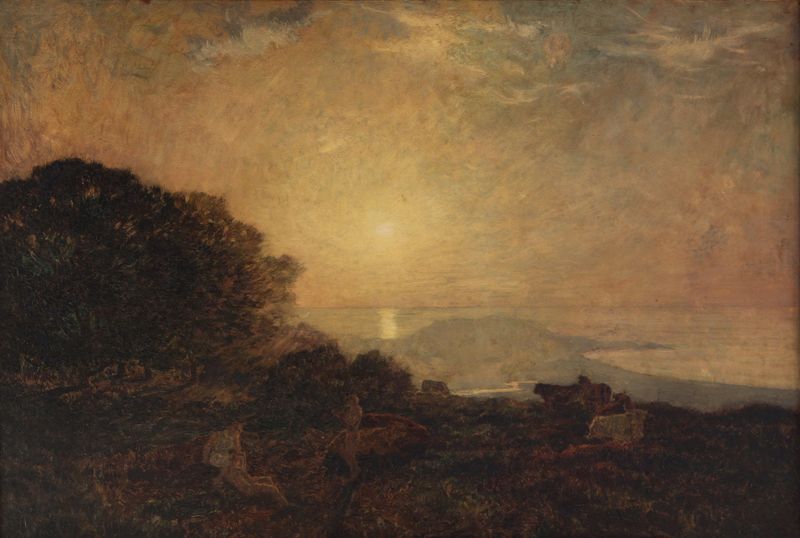
Landscape
Émile-René Ménard
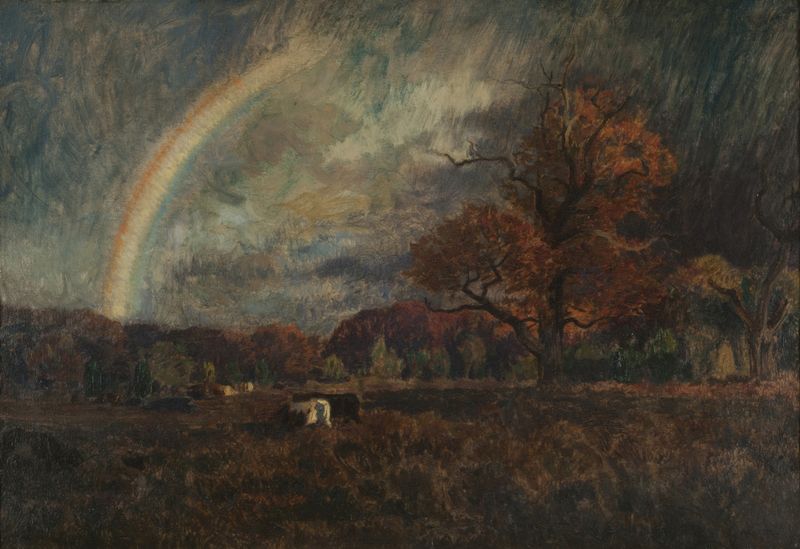
Arco Iris
Émile-René Ménard





