
Tête de Jupiter — History & Facts
In 1810, the young Jean Auguste Dominique Ingres submitted Tête de Jupiter as part of his efforts to win the prestigious Prix de Rome, a competition that launched many careers in French art. The work stands out because it is not a finished painting but a highly finished study, focusing solely on the head of Jupiter, king of the gods. This choice was both bold and telling: Ingres was fascinated by the classical ideal, and here he set out to capture divinity itself, stripped of narrative distraction.
The work’s severe profile and monumental calm were so admired that it circulated as an example of the neoclassical ideal for decades. Ingres selects the instant when Jupiter, seated in silent authority, surveys the world of gods and men. The god’s massive brow, curling beard, and unyielding gaze are rendered with almost sculptural clarity, recalling ancient Roman busts. Light falls across the forehead and nose, emphasizing intellect and power, while the shadowed eyes suggest inscrutable judgment.
Unlike Rubens’s energetic, fleshly Jupiters, Ingres offers a cold, remote presence: all intellect, all command. The laurel wreath, barely suggested, hints at victory and immortality, anchoring Jupiter’s status not just as a ruler, but as a symbol of order and reason. The precise history of this particular Tête de Jupiter is somewhat obscure, as Ingres produced several studies and variants around this time, some in pencil, others in oil. It is likely that this work was created in Paris, before Ingres departed for Rome in 1811, and it may have been shown to the Académie or circulated among his patrons as a demonstration of his classical skill.
Today, versions of this head are held in several collections, attesting to its influence and popularity. For Ingres, the image became a touchstone: he would return to the theme of the antique god repeatedly, refining his vision of ideal beauty and authority throughout his long career.
More Artworks by Jean Auguste Dominique Ingres
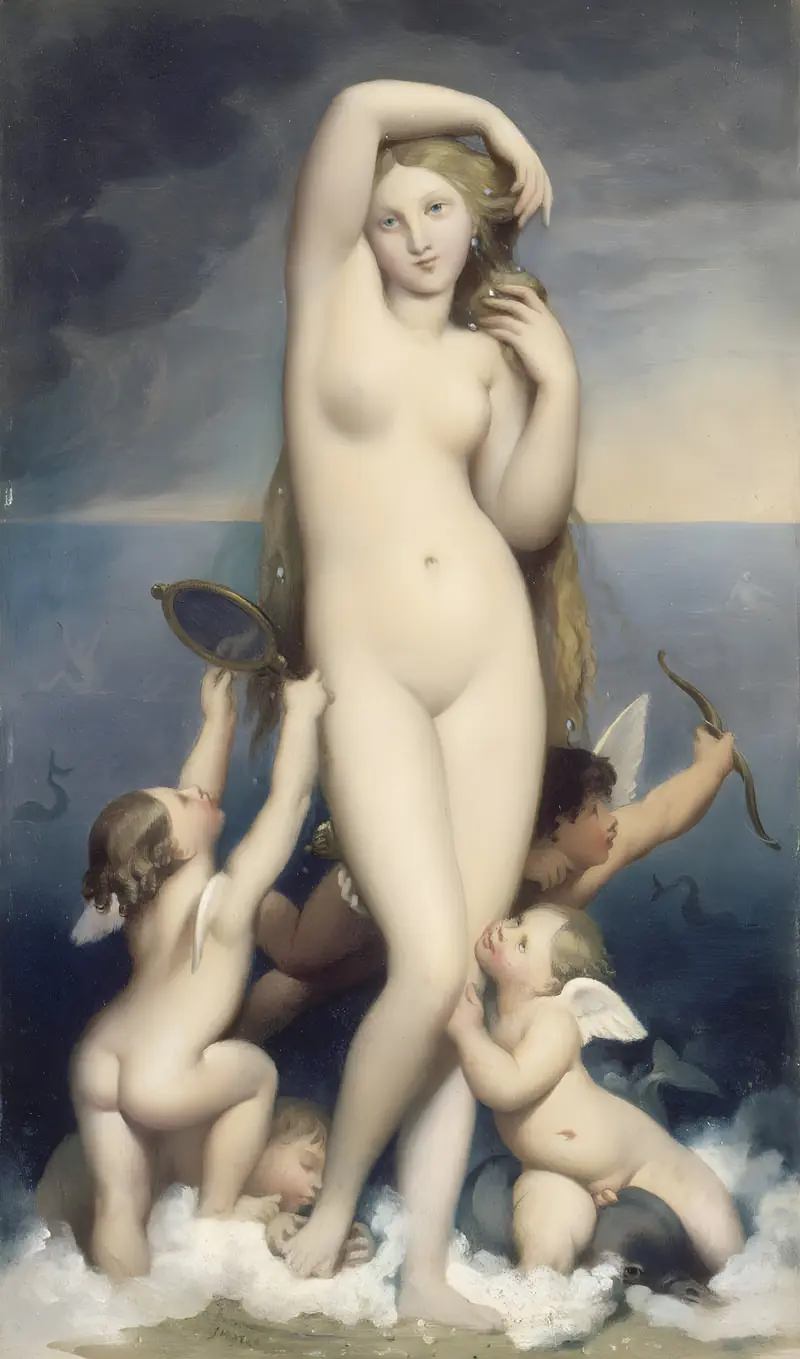
Vénus anadyomène
Jean Auguste Dominique Ingres
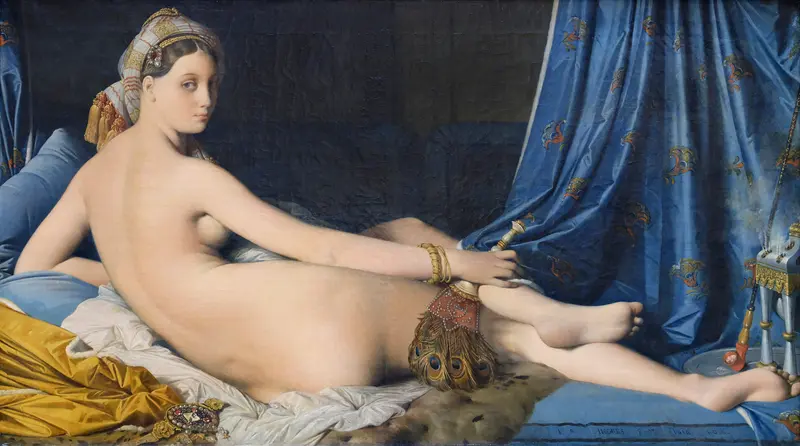
Grande Odalisque
Jean Auguste Dominique Ingres
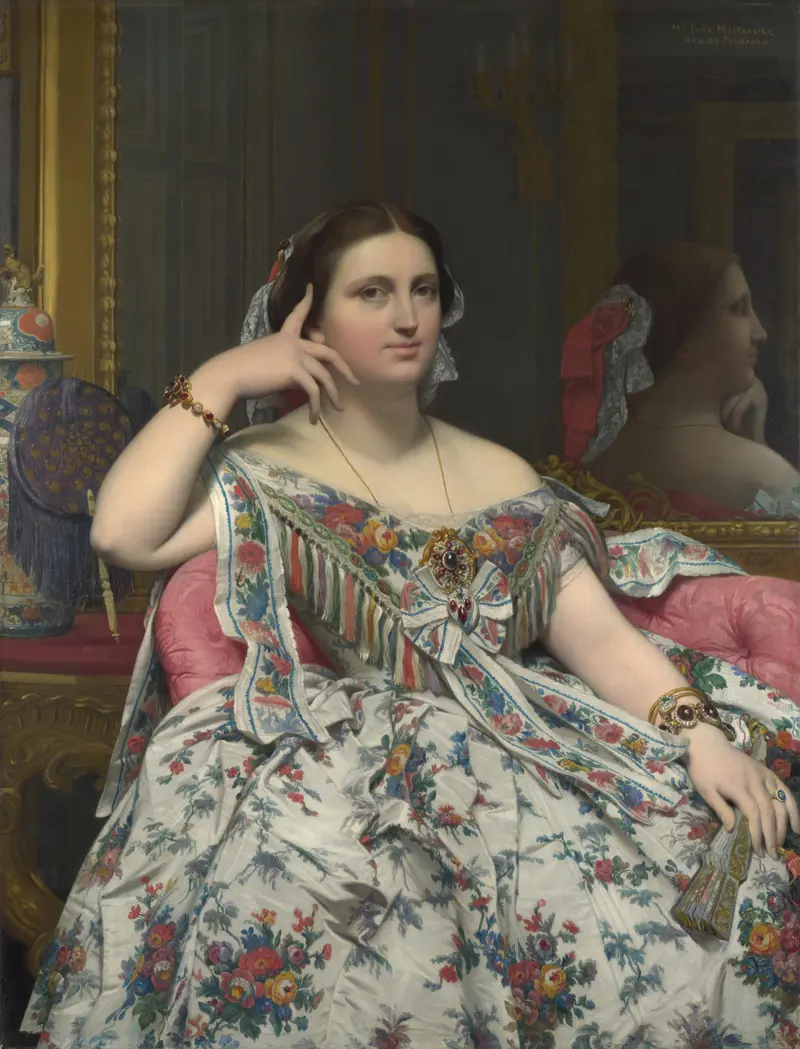
Madame Moitessier (seated)
Jean Auguste Dominique Ingres
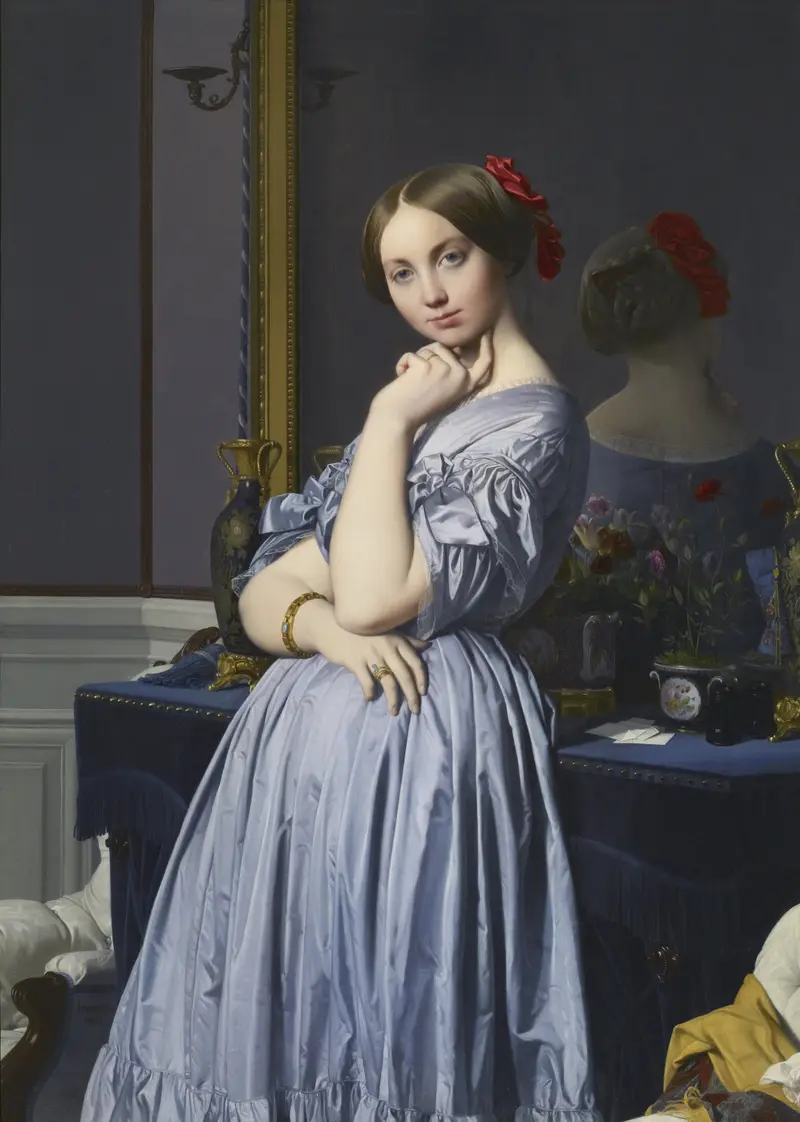
Portrait of Comtesse d’Haussonville
Jean Auguste Dominique Ingres
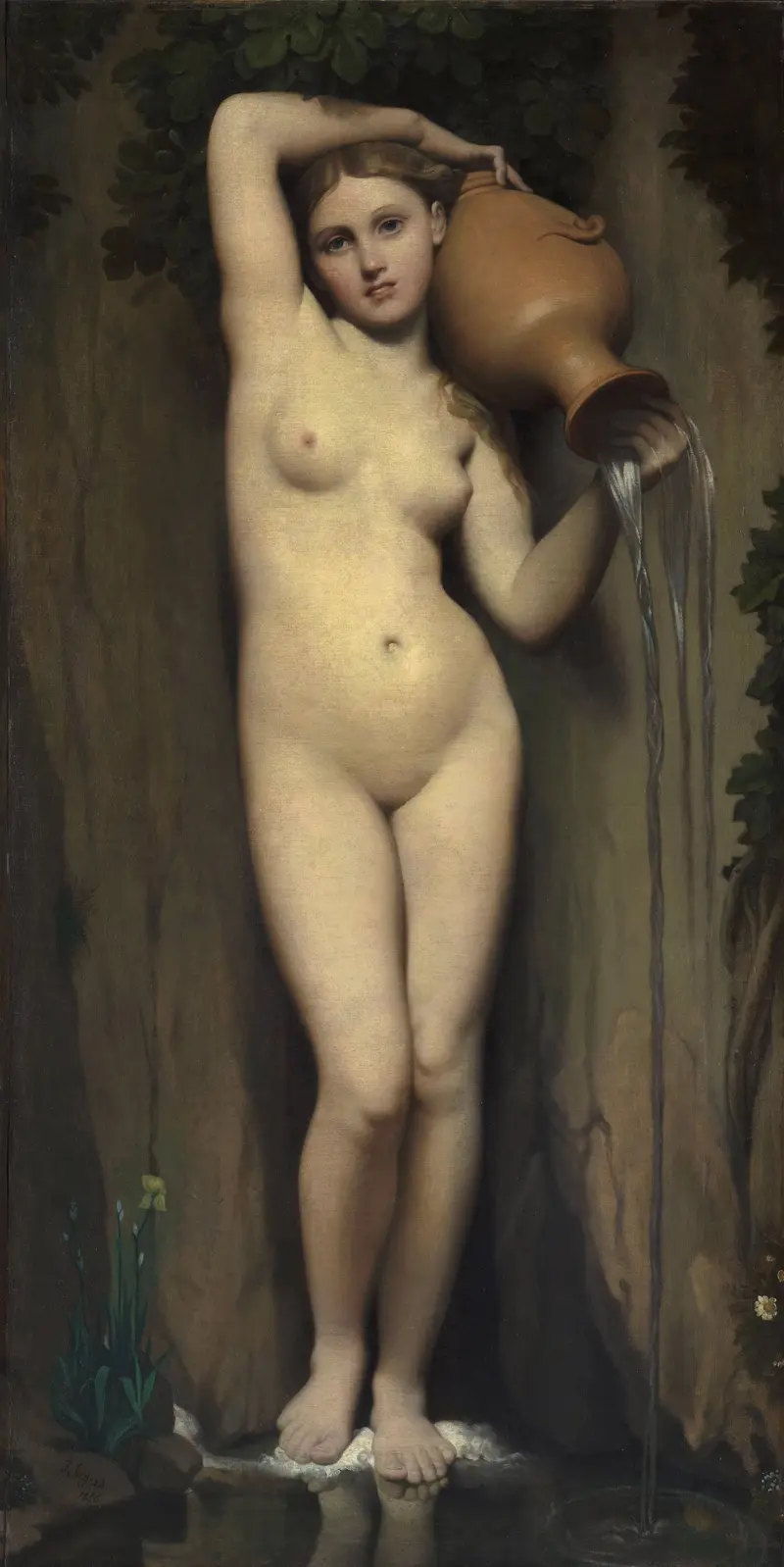
The Source
Jean Auguste Dominique Ingres
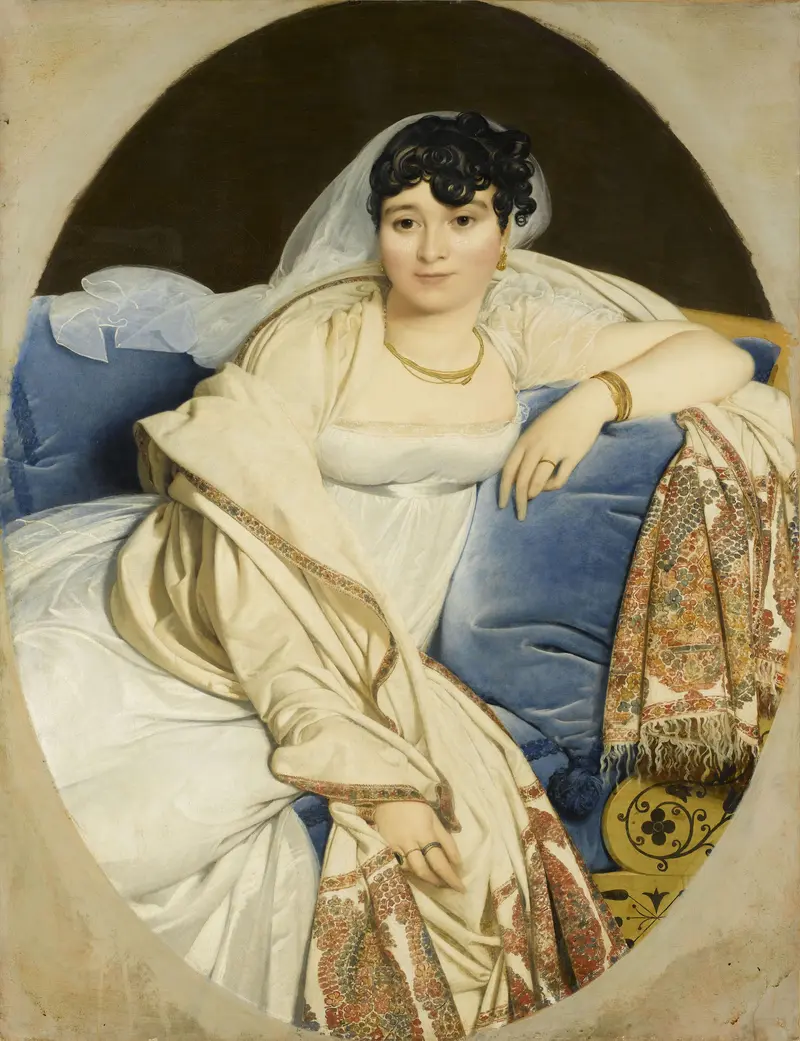
Madame Rivière
Jean Auguste Dominique Ingres

Madame Jean-Auguste-Dominique Ingres, née Madeleine Chapelle
Jean Auguste Dominique Ingres

Portrait of a Lady
Jean Auguste Dominique Ingres
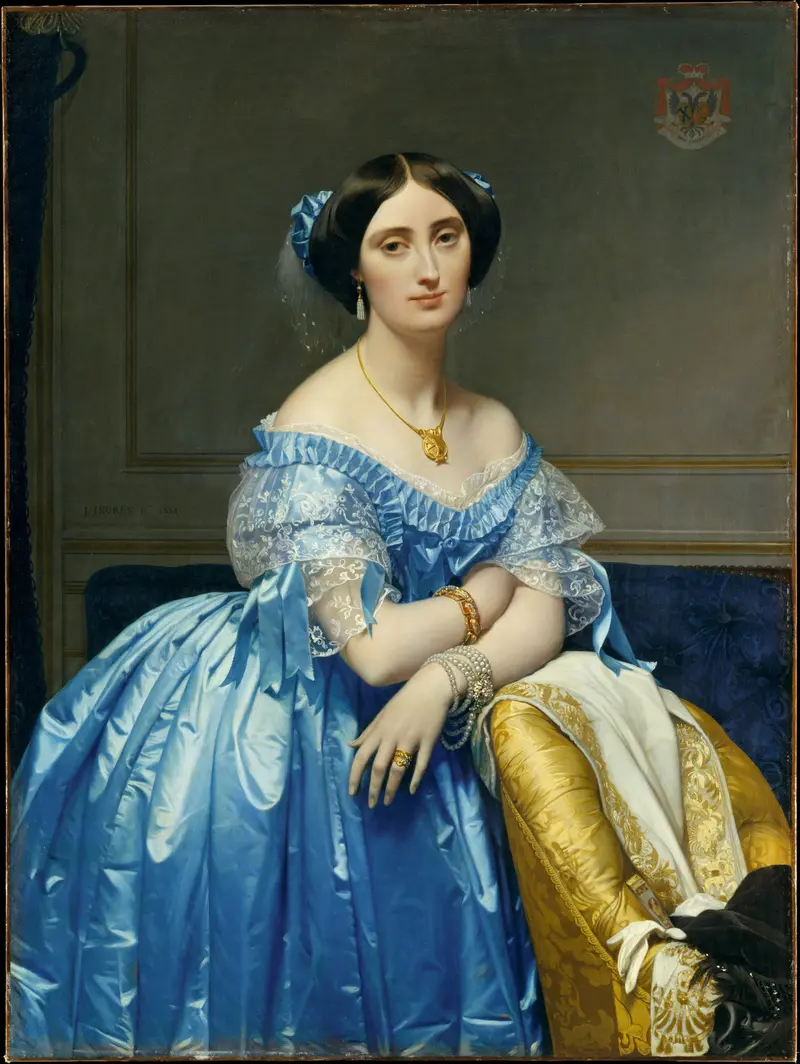
Joséphine-Éléonore-Marie-Pauline de Galard de Brassac de Béarn (1825–1860), Princesse de Broglie
Jean Auguste Dominique Ingres
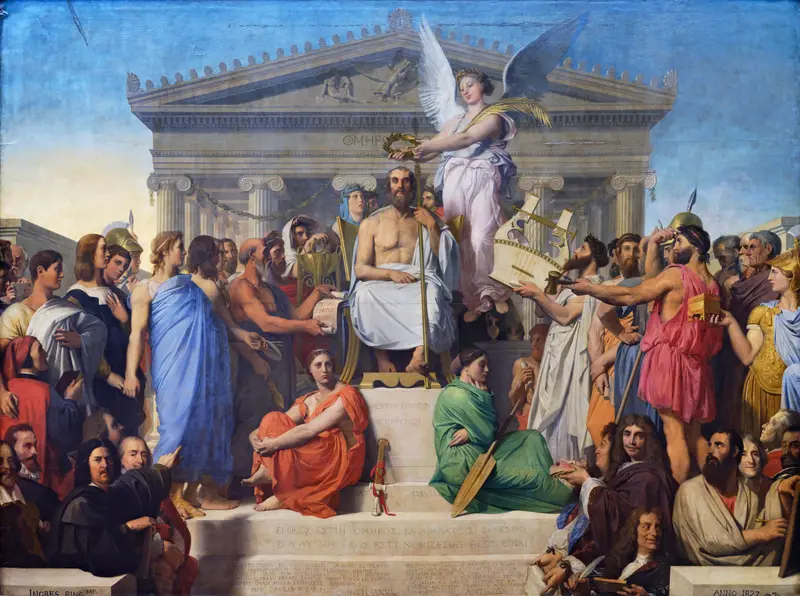
The Apotheosis of Homer
Jean Auguste Dominique Ingres



