
Thalia, Muse of Comedy — History & Facts
A burst of theatrical energy greets the viewer as the muse herself seems to part the heavy blue curtain, inviting us into her world. The figure—half draped in luminous white, half revealed—locks eyes with the audience, her smile conspiratorial, her gesture bold. In her hand, she brandishes a comic mask, the essential emblem of her domain, while the other arm lifts the drapery as if unveiling a stage.
The light falls directly on her face and torso, drawing attention to her playful expression and the mask, while the background recedes into shadow, save for a glimpse of an architectural setting where actors perform. Every fold of fabric, every glint of skin and silk, seems chosen to heighten the sense of spectacle and invitation. Painted in 1739, Thalia, Muse of Comedy by Jean-Marc Nattier belongs to a world where allegory and portraiture often mingled, especially in the glittering courts of eighteenth-century France. Such images were not merely decorations but statements of wit, learning, and taste—commissioned by patrons eager to align themselves with the arts and the muses.
Theatrical subjects like this one flourished in an era when the stage was both a literal and metaphorical arena for social play, and artists like Nattier responded with works that shimmered with artifice and delight. History has kept few traces of this particular painting's early journey, but its lively spirit remains undimmed—inviting us, centuries later, to step behind the curtain and join the performance.
More Artworks by Jean-Marc Nattier

Madame Crozat de Thiers and Her Daughter
Jean-Marc Nattier
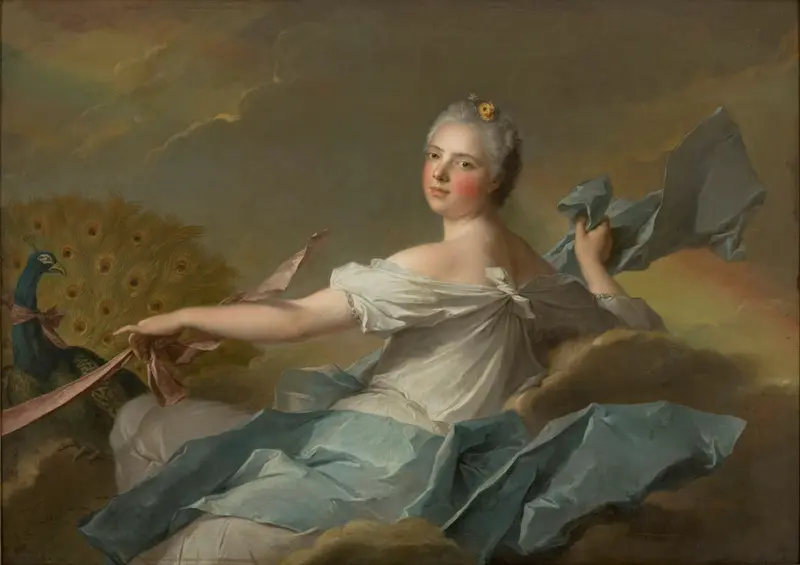
Princess Marie Adélaïde of France - The Air
Jean-Marc Nattier
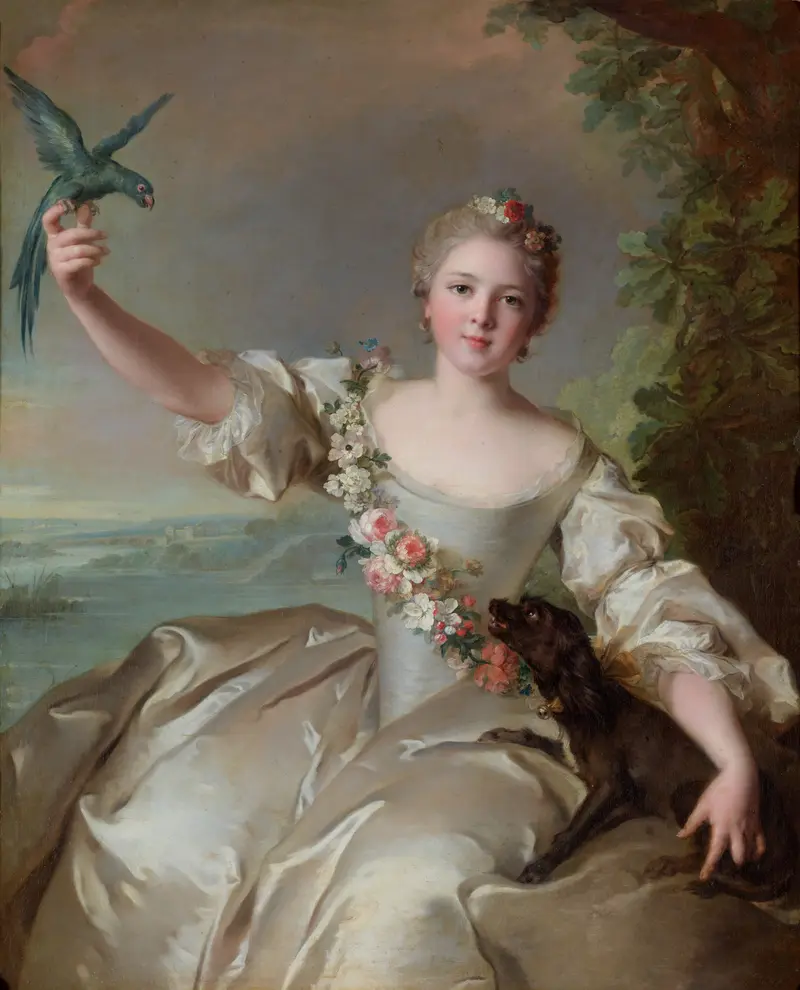
Portrait de Mathilde de Canisy, marquise d'Antin
Jean-Marc Nattier
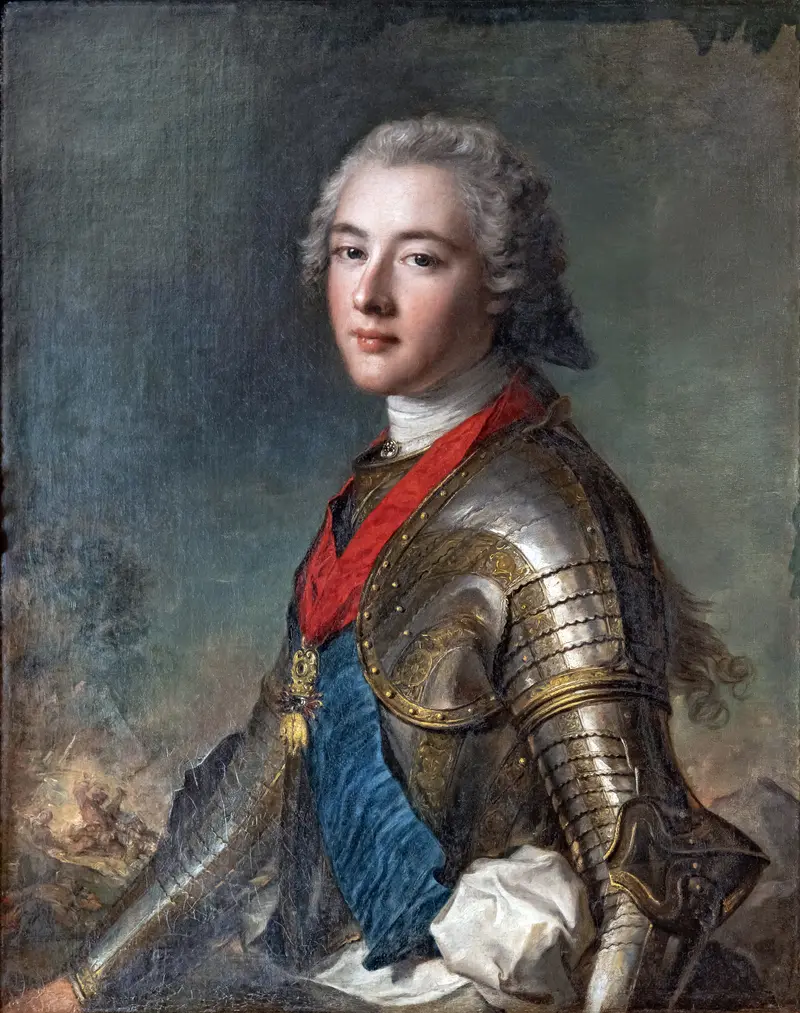
Bemberg Fondation Toulouse - Portrait de Louis Jean Marie de Bourbon, Duc de Penthièvre - Jean Marc Nattier inv.1158 82x65.4
Jean-Marc Nattier
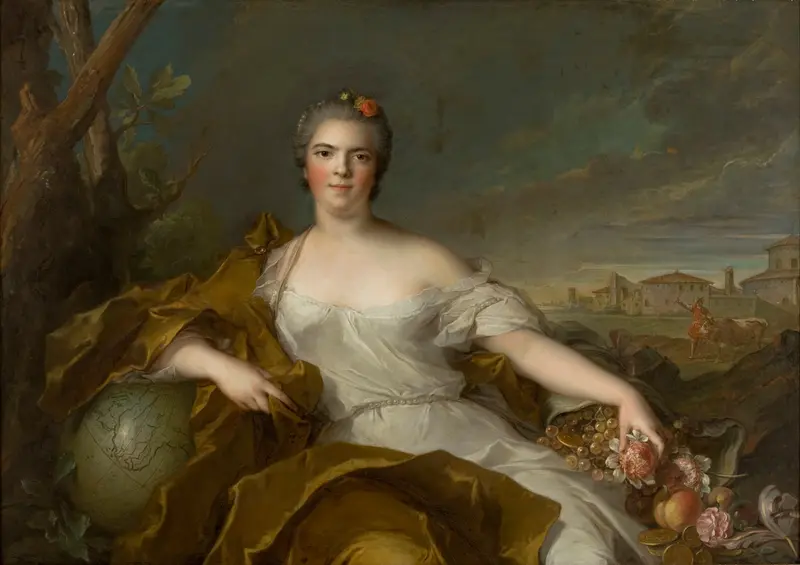
Princess Louise-Élisabeth of France - The Earth
Jean-Marc Nattier
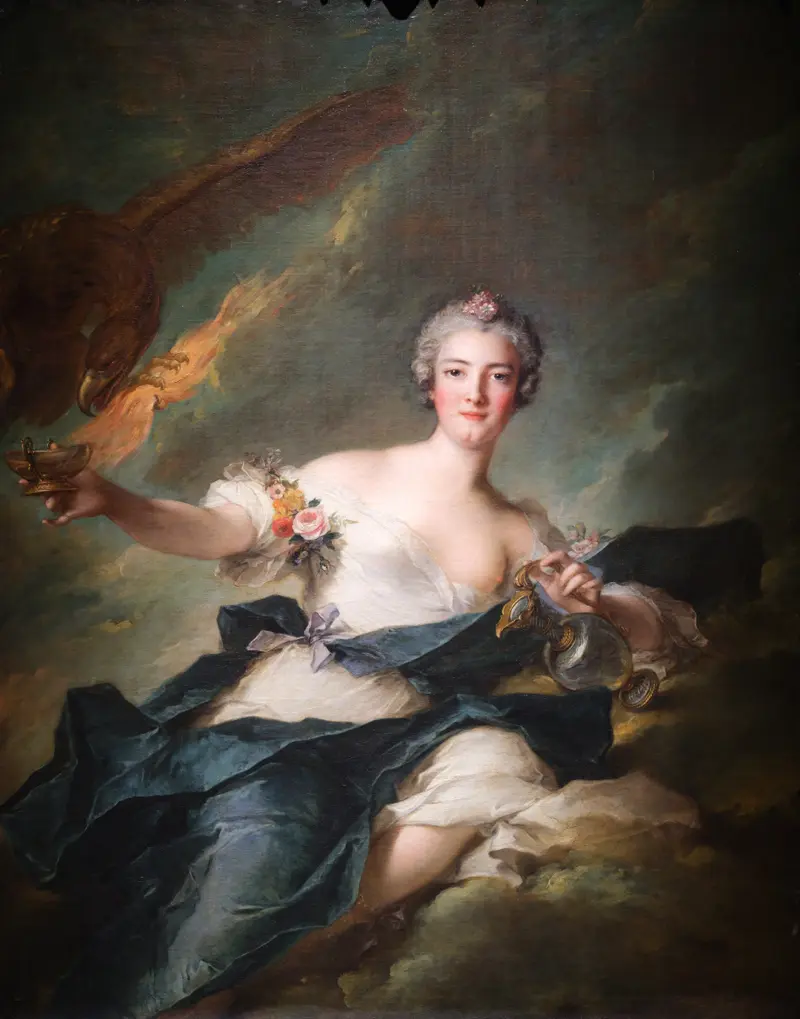
The Duchess of Chaulnes Represented as Hebe
Jean-Marc Nattier
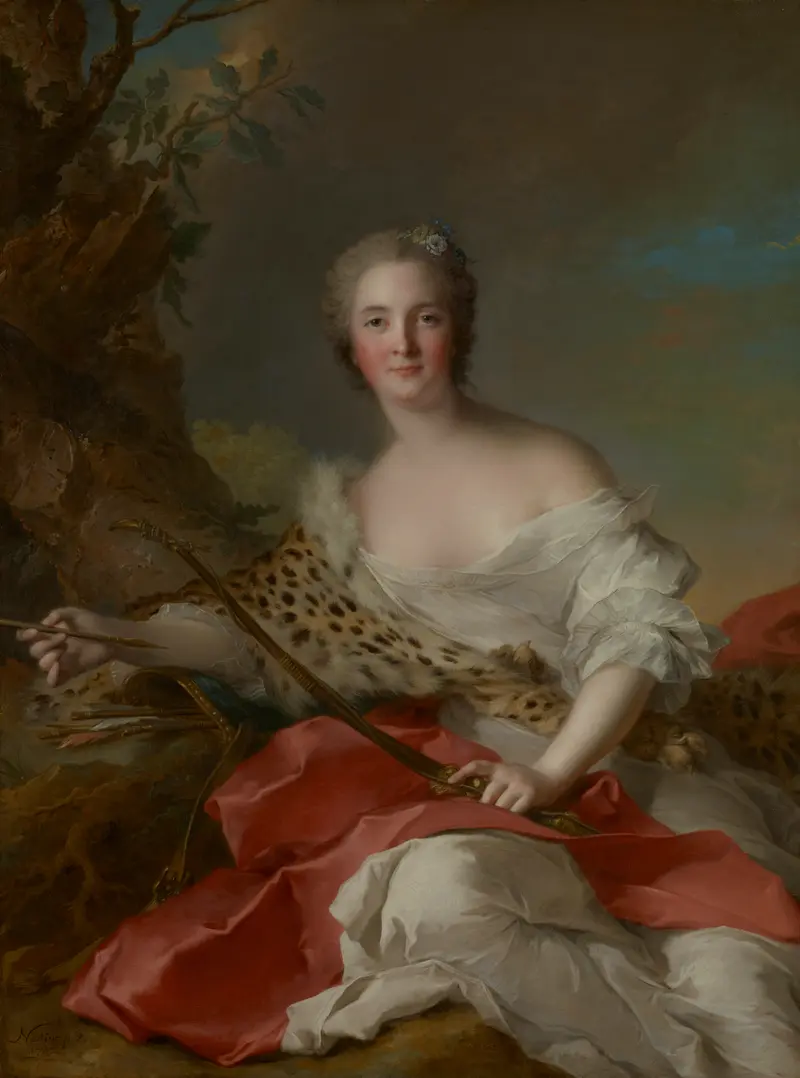
Portrait of Madame Bonnier de la Mosson as Diana (Constance-Gabrielle-Magdeleine du Monciel de Lauraille
Jean-Marc Nattier
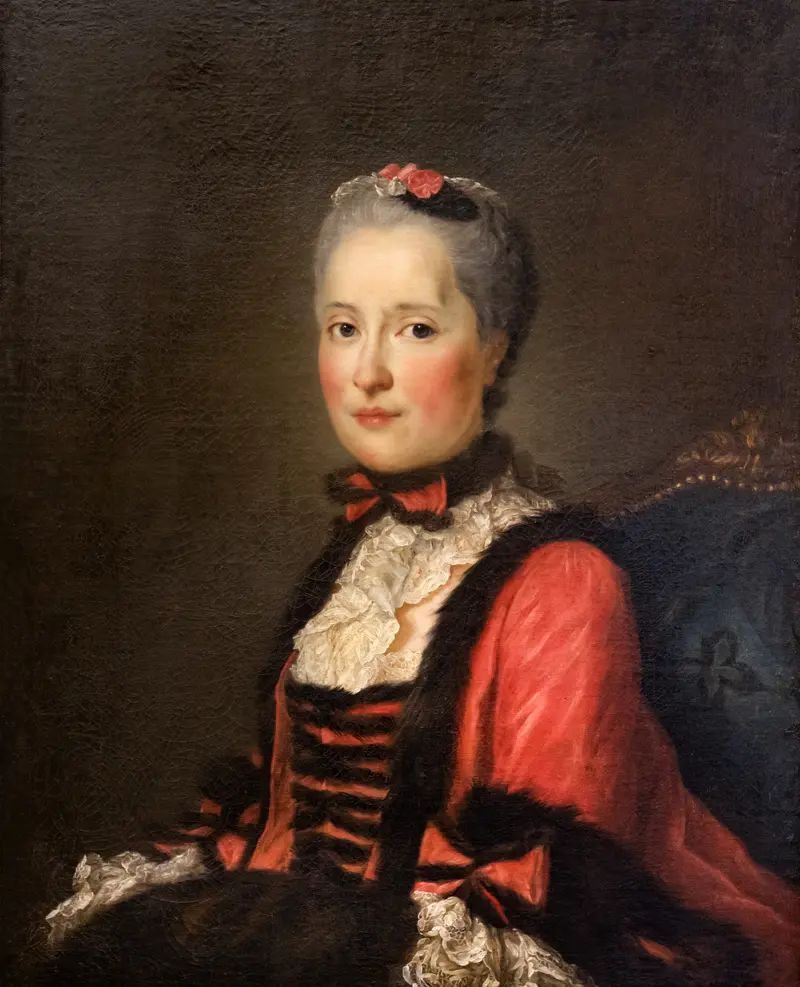
Portrait of Marie-Josephe of Saxony, Dauphine of France
Jean-Marc Nattier
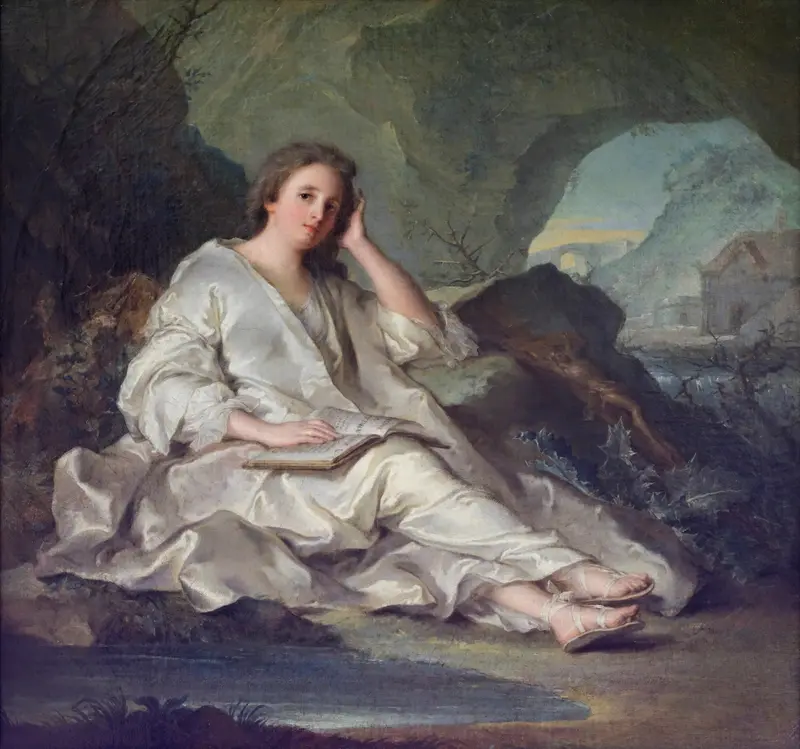
La Madeleine, ou Une Pénitente dans le désert Musée du Louvre Peintures INV 6880 ; MR
Jean-Marc Nattier
Princess Anne-Henriette of France - The Fire
Jean-Marc Nattier





