
The Actor Danjuro as Shibaraku — History & Facts
Few images from late 18th-century Japan capture the electric atmosphere of Edo’s kabuki theatres quite like The Actor Danjuro as Shibaraku by Katsushika Hokusai. This print immortalizes a specific moment in the kabuki calendar: the performance of the play Shibaraku, a spectacular highlight of the annual kaomise (face-showing) celebrations, where star actors would debut their new roles. The character of Shibaraku, always portrayed by the celebrated Ichikawa Danjuro lineage, was so popular that his dramatic entrance—accompanied by the actor’s booming cry of “Shibaraku!” (“Wait a moment!”)—became a sensation in its own right, drawing crowds eager for the bravura display. Hokusai captures the instant when the hero bursts onto the stage, arm outstretched in a commanding gesture, his costume ablaze with the bold red and white patterns of the Danjuro family crest.
The immense sleeves, exaggerated makeup, and fierce glare all signal the aragoto (“rough style”) tradition of kabuki, where heroes are larger than life and justice is delivered with thunderous energy. The print’s composition thrusts the actor forward, making the viewer feel the force of his presence—much like Sharaku’s famous actor portraits, but with Hokusai’s own dynamic flair. Every detail, from the elaborate wig to the sword’s hilt, is a coded reference for kabuki fans, who would have recognized the visual shorthand for heroism and spectacle. The precise medium of this 1799 work remains uncertain, though it is likely a woodblock print, the dominant method for ukiyo-e artists like Hokusai.
While the full provenance of this particular impression is not documented, prints of kabuki actors were widely collected by townspeople and merchants, and many have survived in both Japanese and international collections. The Actor Danjuro as Shibaraku stands at the dawn of Hokusai’s long career, before his later fame with The Great Wave off Kanagawa, and shows his early fascination with popular culture and theatricality—a foundation for the innovations that would follow. Today, such prints are prized not only as artworks but as vivid records of Edo’s vibrant entertainment world.
More Artworks by Katsushika Hokusai

The Great Wave off Kanagawa
Katsushika Hokusai
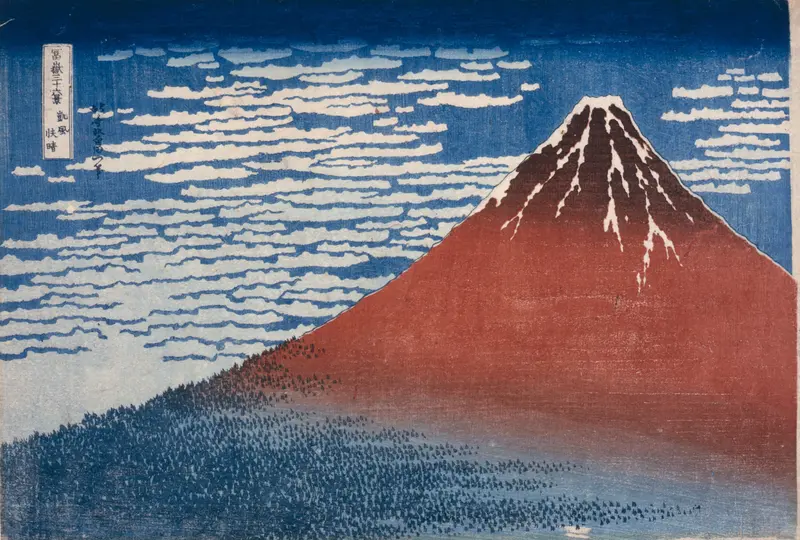
Fine Wind, Clear Morning (Red Fuji)
Katsushika Hokusai
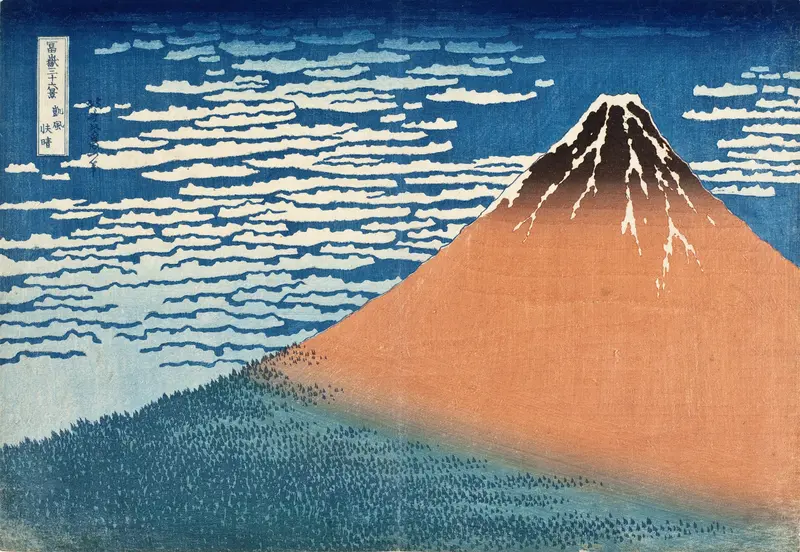
South Wind, Clear Dawn
Katsushika Hokusai
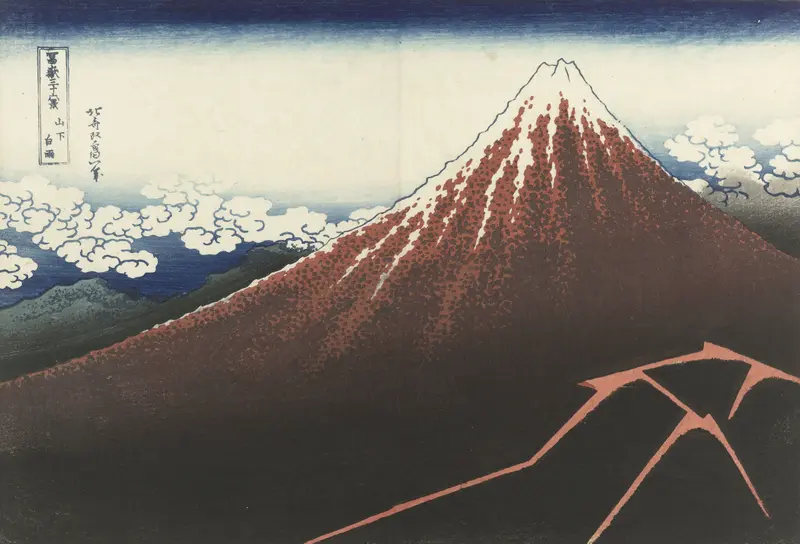
Rainstorm Beneath the Summit
Katsushika Hokusai
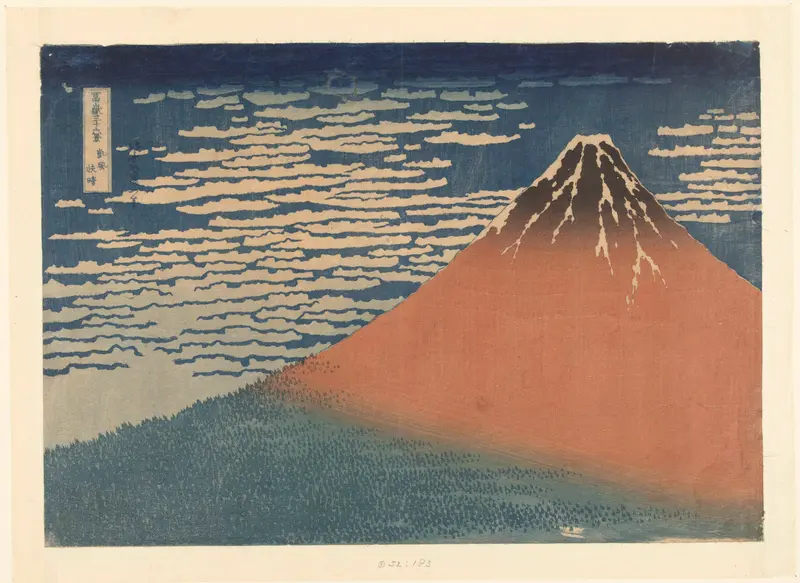
Clear Weather with a Southerly Wind
Katsushika Hokusai
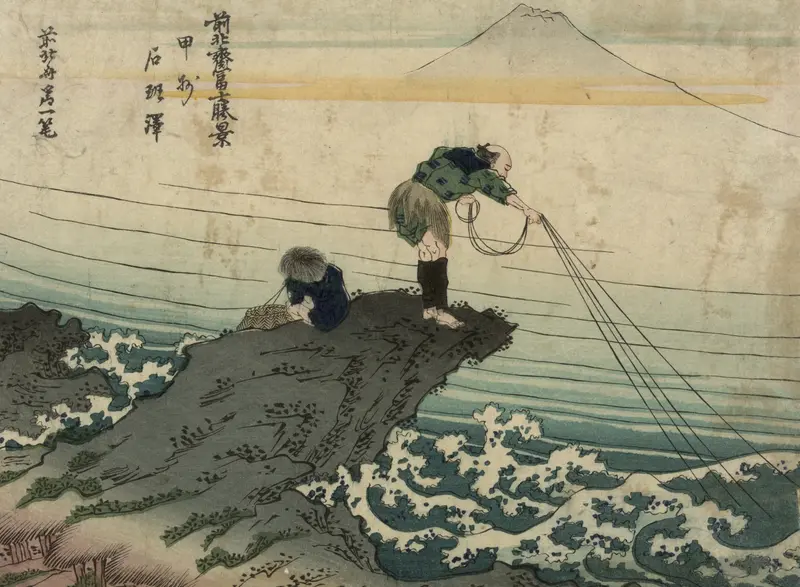
Kōshū kajikazawa
Katsushika Hokusai
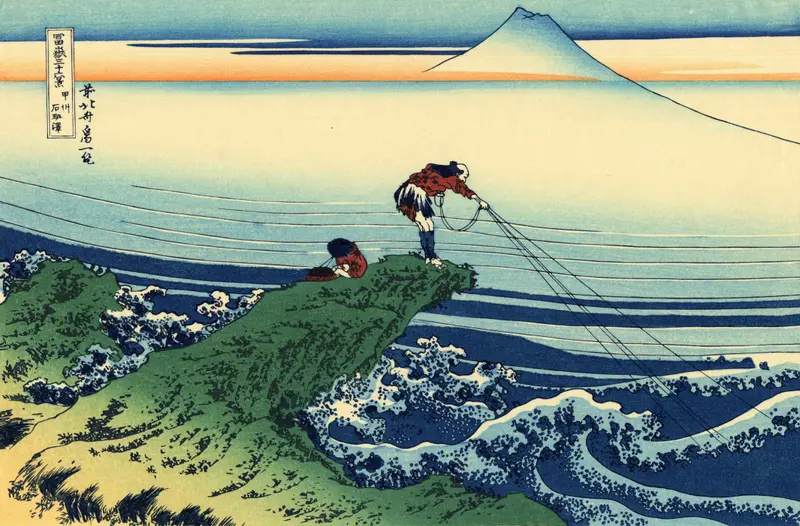
Kōshū kajikazawa 2
Katsushika Hokusai
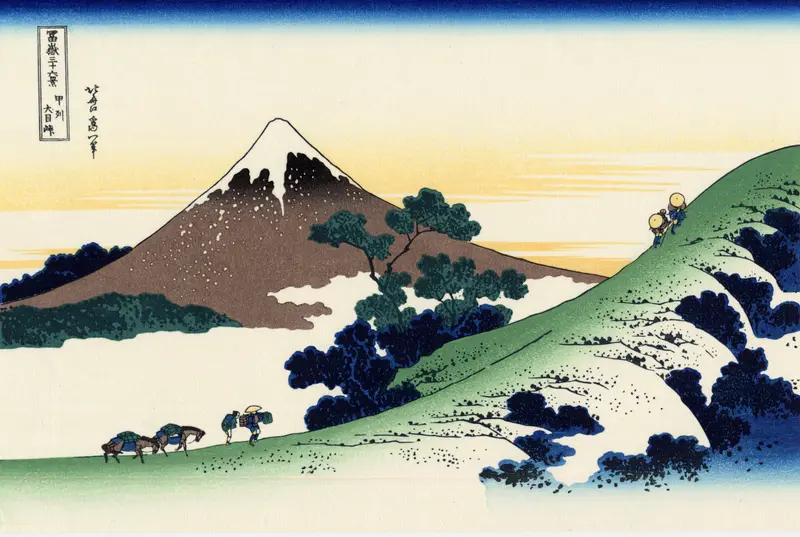
Inume Pass in Kai Province (Kôshû inume-tôge)
Katsushika Hokusai

Yoro Falls in Mino Province (Mino no Yoro no taki), from the series "A Tour of Waterfalls in Various Provinces (Shokoku taki meguri)"
Katsushika Hokusai
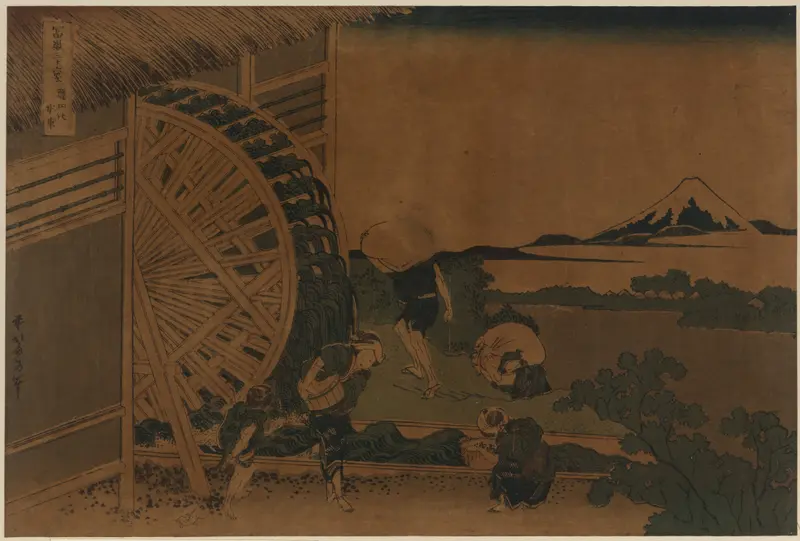
Onden no suisha
Katsushika Hokusai



