
The Aiguilles Verte and du Dru, from near Chamouni — History & Facts
In the vast embrace of nature, loneliness finds its echo among the towering peaks and the lingering shadows of ancient rocks, where the heart speaks through the silence of the landscape. Focus on the majestic summits that dominate the canvas, their jagged edges etched against a tumultuous sky. The interplay of light and shadow is masterfully rendered, with soft hues cascading over the mountains, imbuing them with a sense of ethereal presence. The foreground is a quiet study of delicate grasses that sway in the wind, drawing the eye into the depth of the composition, while the looming peaks, painted with a palpable weight, stand as silent witnesses to the solitude of existence. Within the seemingly serene depiction lies a profound tension; the mountains, both beautiful and intimidating, symbolize the struggle between aspiration and isolation.
The muted palette evokes a sense of melancholic grandeur, suggesting a dialogue between the viewer and the vast wilderness. Each brushstroke resonates with the quietude of nature, urging contemplation on the human experience within such an expansive yet lonely world. Painted in 1867, this work emerged during a period when Elijah Walton was deeply influenced by the Romantic movement, exploring the sublime in nature. This was a time when the exploration of alpine landscapes became increasingly popular among artists, reflecting both the awe and trepidation felt in the face of nature's might.
Walton's decision to encapsulate the stark beauty of the Aiguilles Verte and du Dru speaks to his own artistic journey, merging personal introspection with the grandeur of the natural world.
More Artworks by Elijah Walton
Browse all →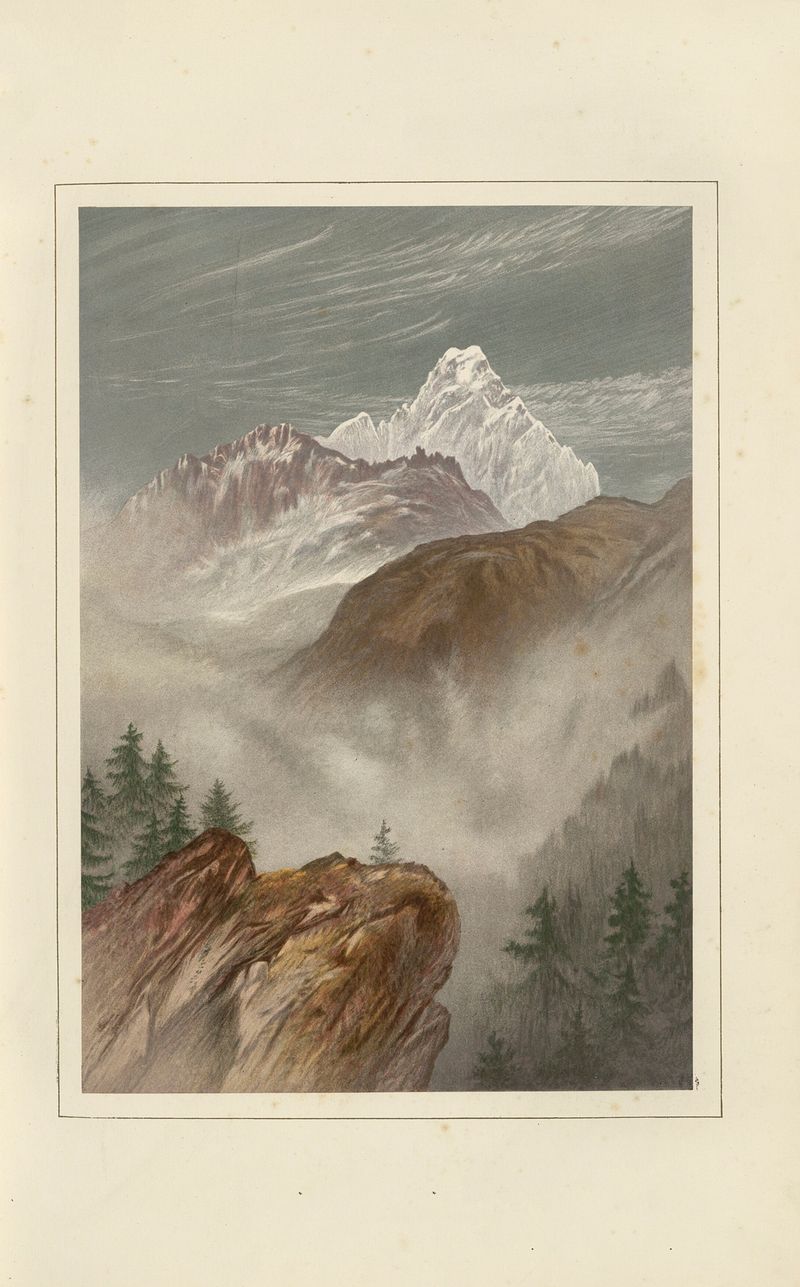
Monte Viso, from the south
Elijah Walton

The Matterhorn
Elijah Walton

The Gorner glacier
Elijah Walton

The Cascade de Roget and the Pointe de Salles
Elijah Walton
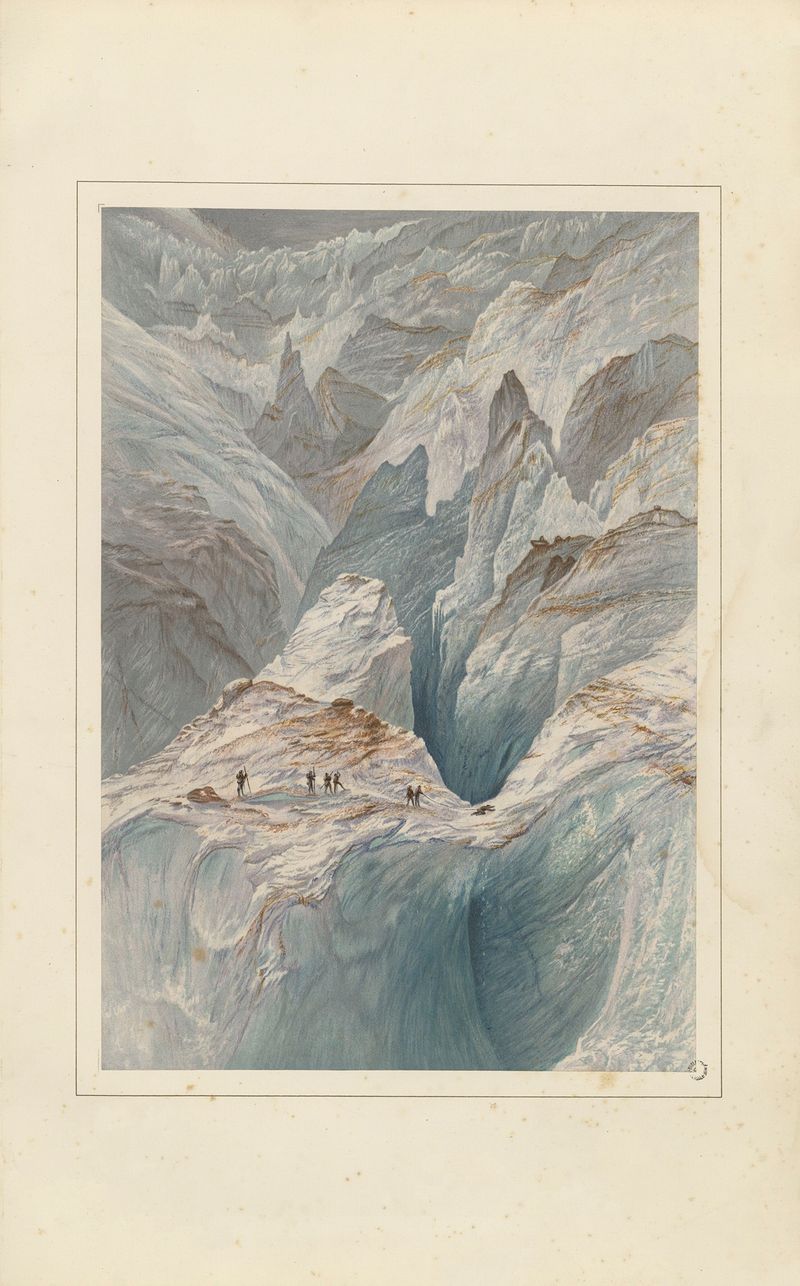
Crevasses on the Mer de Glace
Elijah Walton
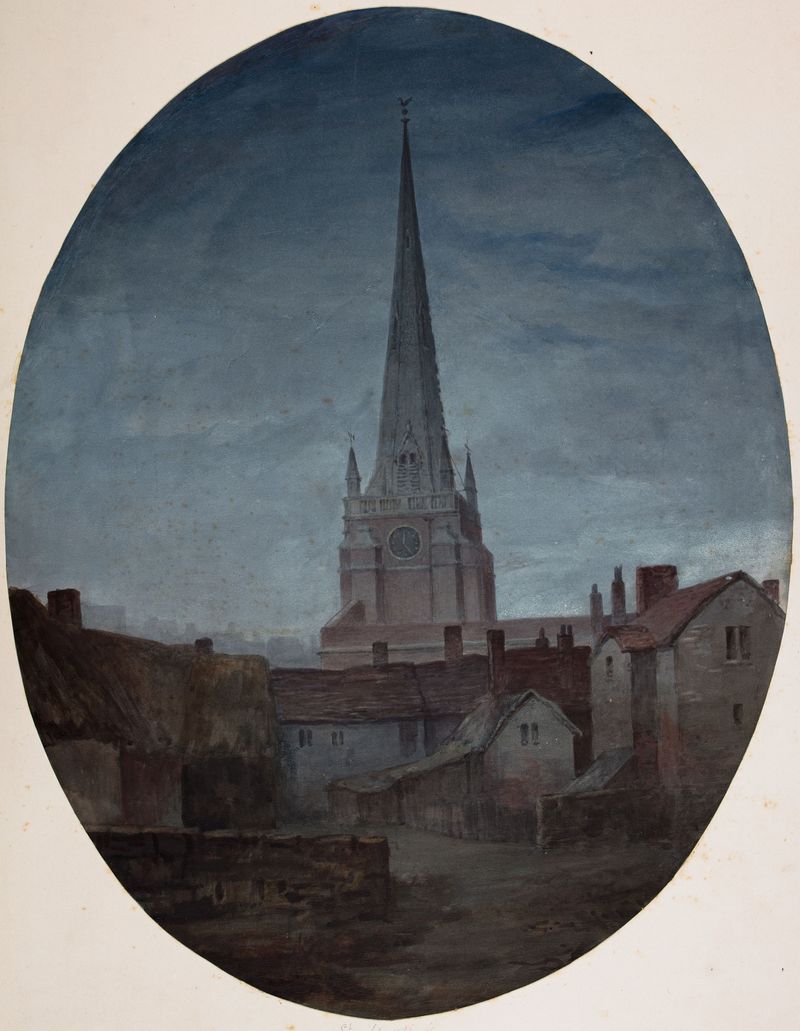
St Martin’s Church Birmingham, By Night
Elijah Walton

The Weisshorn, from near St. Niklaus
Elijah Walton

Monte Viso, from the Col de La Croix
Elijah Walton
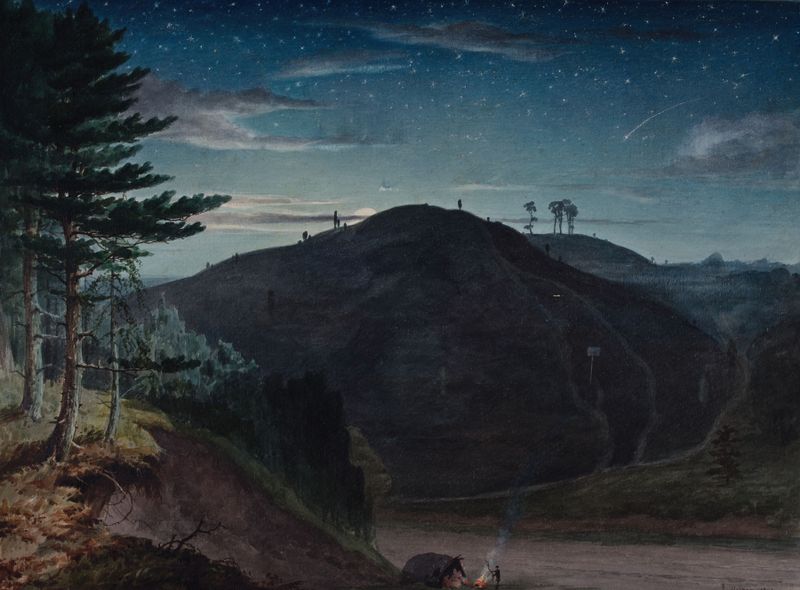
Cofton From Rednal, Moonlight
Elijah Walton
Lodge Gates, Entrance To Aston Hall
Elijah Walton





