
The Allegory of Fame — History & Facts
When Artemisia Gentileschi painted The Allegory of Fame around 1630, she was already celebrated across Italy as one of the few women to achieve international renown as a professional artist. This painting is notable for its rarity: few allegorical works by Artemisia survive, and the subject of Fame itself was unusual for her, better known for her vivid biblical heroines. The commission's origins remain uncertain, but some scholars have proposed it was created for a learned patron in Florence, where allegorical themes were highly prized.
The painting's attribution has never been seriously doubted, a testament to Artemisia's distinctive touch and bold approach to female figures. In The Allegory of Fame, the viewer encounters a winged woman, trumpet raised, striding forward with a laurel wreath in hand—a visual embodiment of Fame as she proclaims the deeds of mortals to the world. The trumpet, a traditional symbol, announces glory, while the laurel wreath promises immortality to those deemed worthy. Artemisia chooses a moment of dynamic movement: Fame’s gaze is direct, her posture assertive, more akin to a heroine than a passive symbol.
The light falls strongly across her face and arm, drawing the eye to her expression of determination. Compared to Rubens’s more decorative allegories, Artemisia’s Fame is strikingly physical and real, her presence commanding the viewer’s attention. The painting’s subsequent history is as enigmatic as its commission. Its early provenance is unclear, but by the 20th century The Allegory of Fame had entered a private collection, where it remained largely out of public view.
Only in recent decades has it been studied and exhibited, contributing to renewed interest in Artemisia Gentileschi’s varied oeuvre. Today, the work stands as a testament to her versatility within the Baroque tradition, bridging the gap between allegory and lived experience. Its survival offers rare insight into how Artemisia adapted grand themes to her own artistic language, at a time when few women could claim such fame for themselves.
More Artworks by Artemisia Gentileschi

Judith Beheading Holofernes
Artemisia Gentileschi
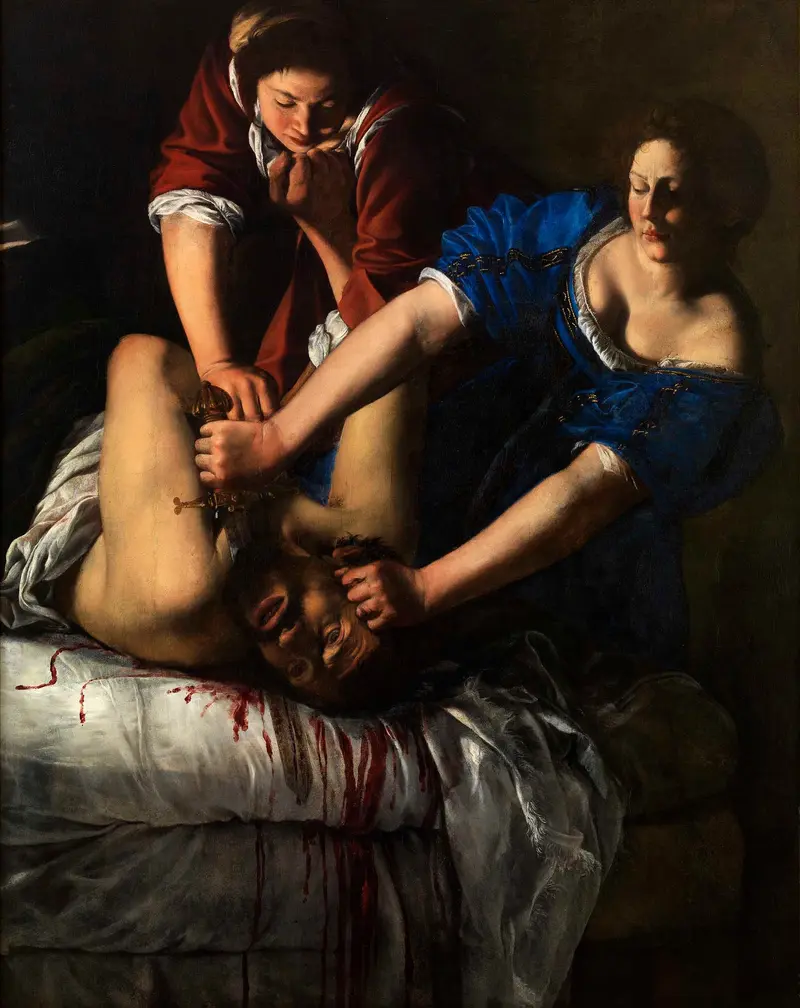
Judith Slaying Holofernes
Artemisia Gentileschi
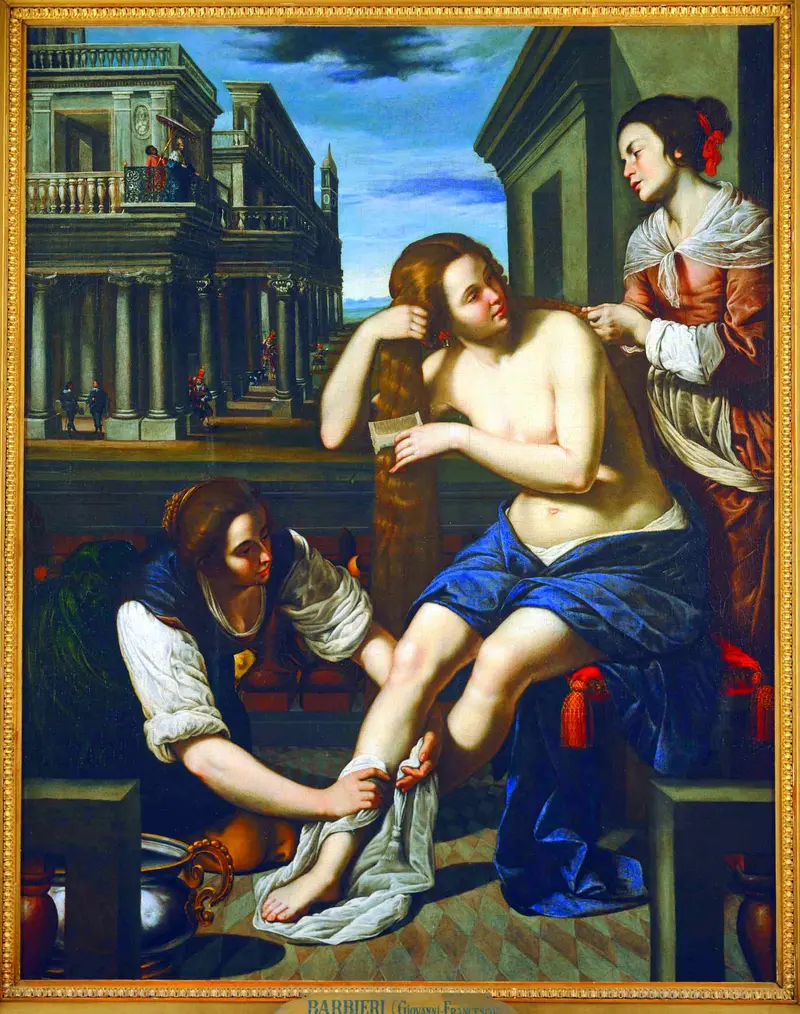
Bathsheba at Her Bath
Artemisia Gentileschi
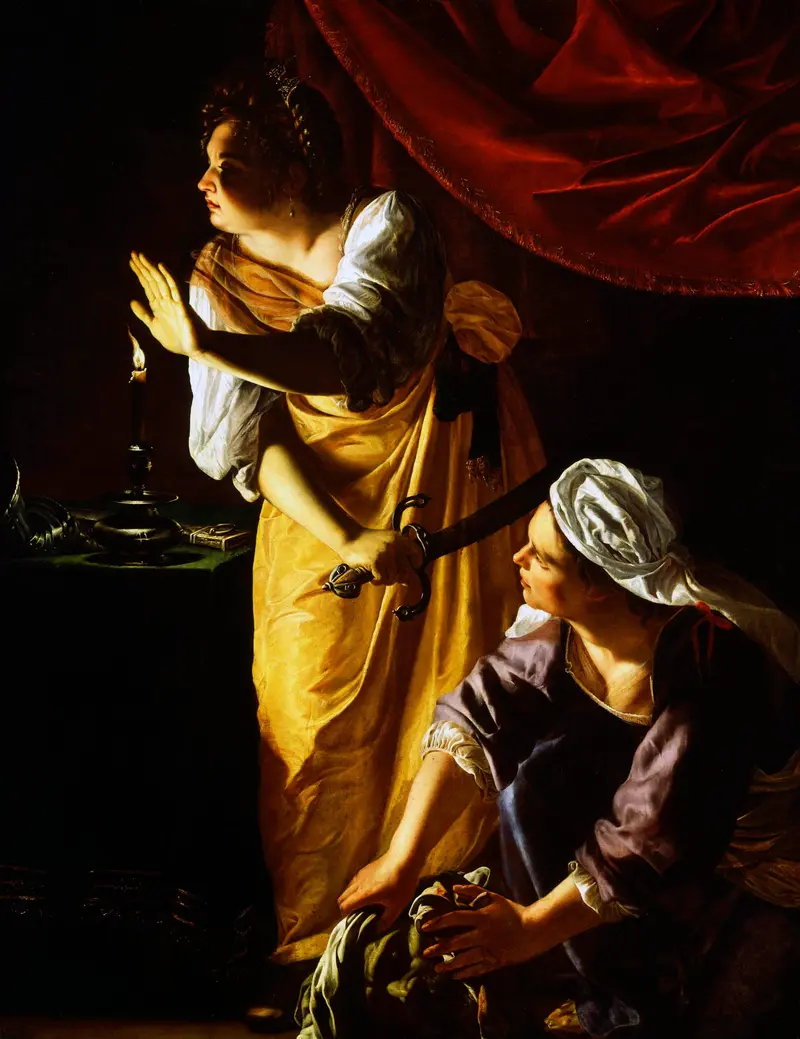
Judith and Maidservant with Head of Holofernes
Artemisia Gentileschi
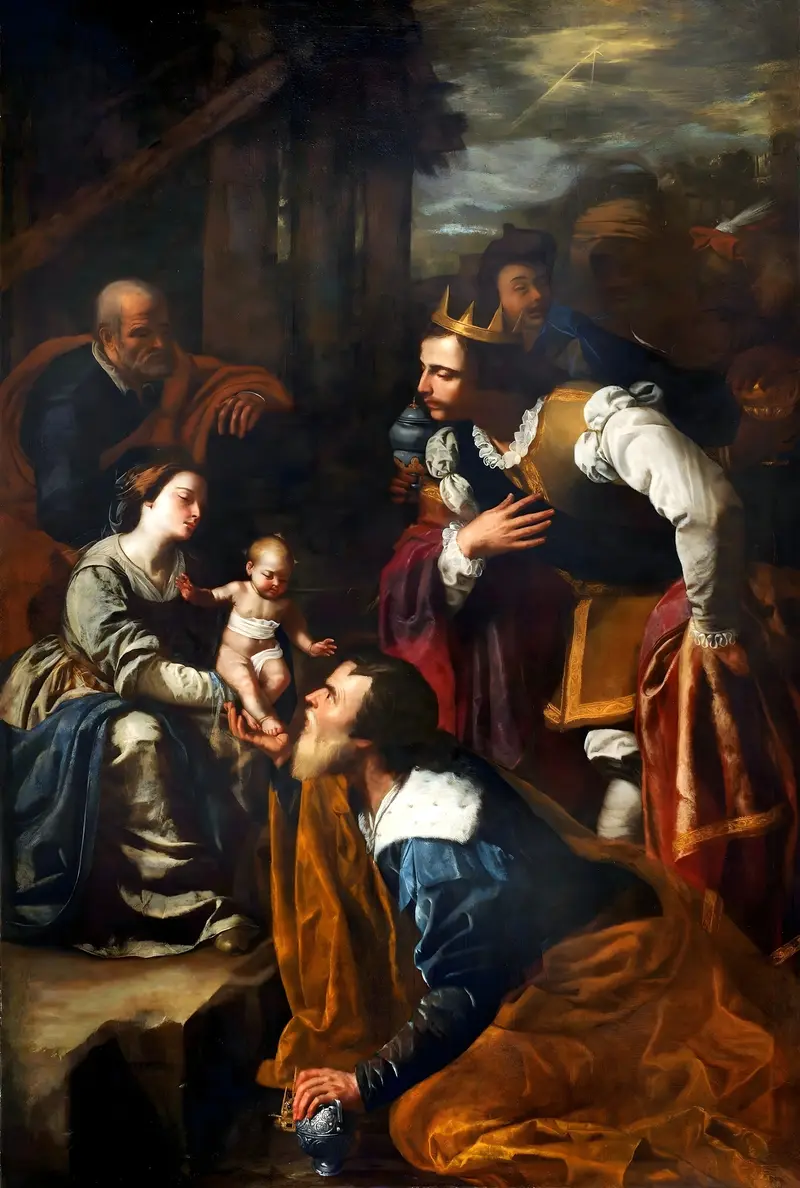
Adoration of the Magi
Artemisia Gentileschi
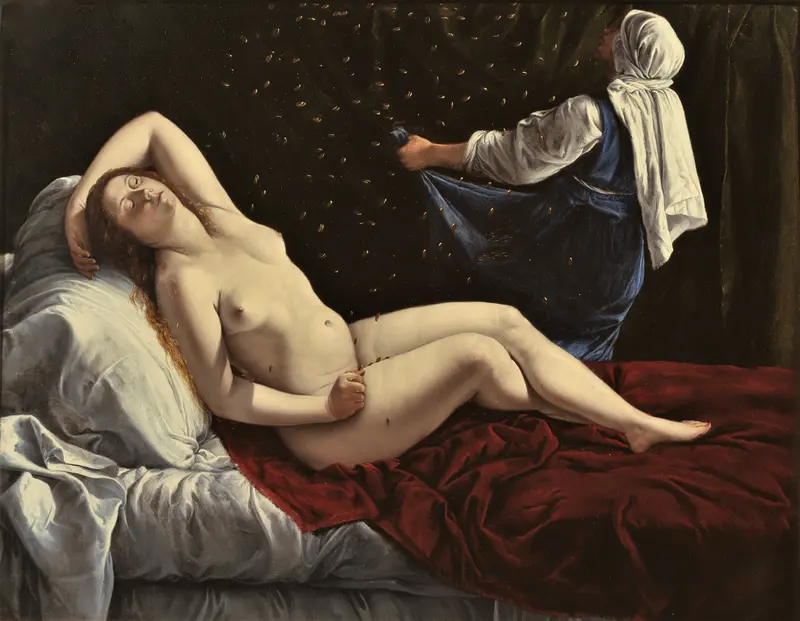
Danaë
Artemisia Gentileschi
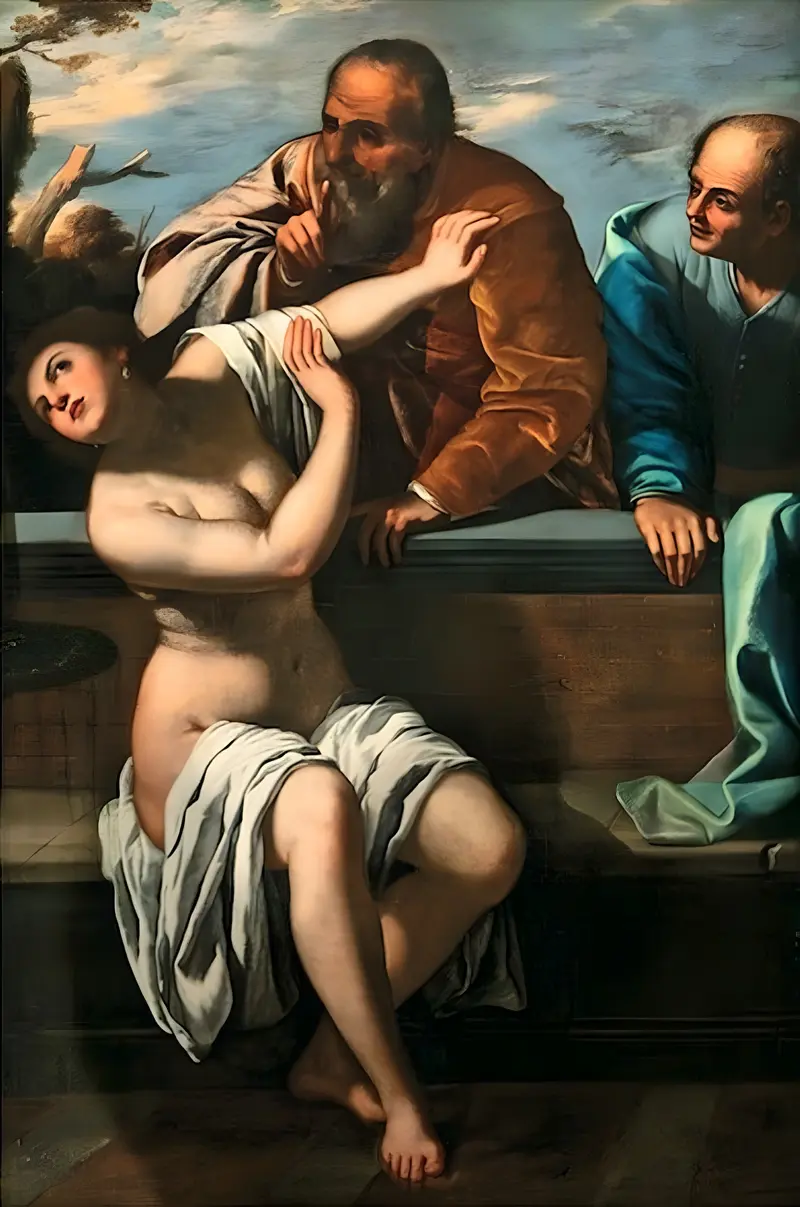
Susannah and the Elders
Artemisia Gentileschi

Judith and her Servant with the Head of Holofernes
Artemisia Gentileschi
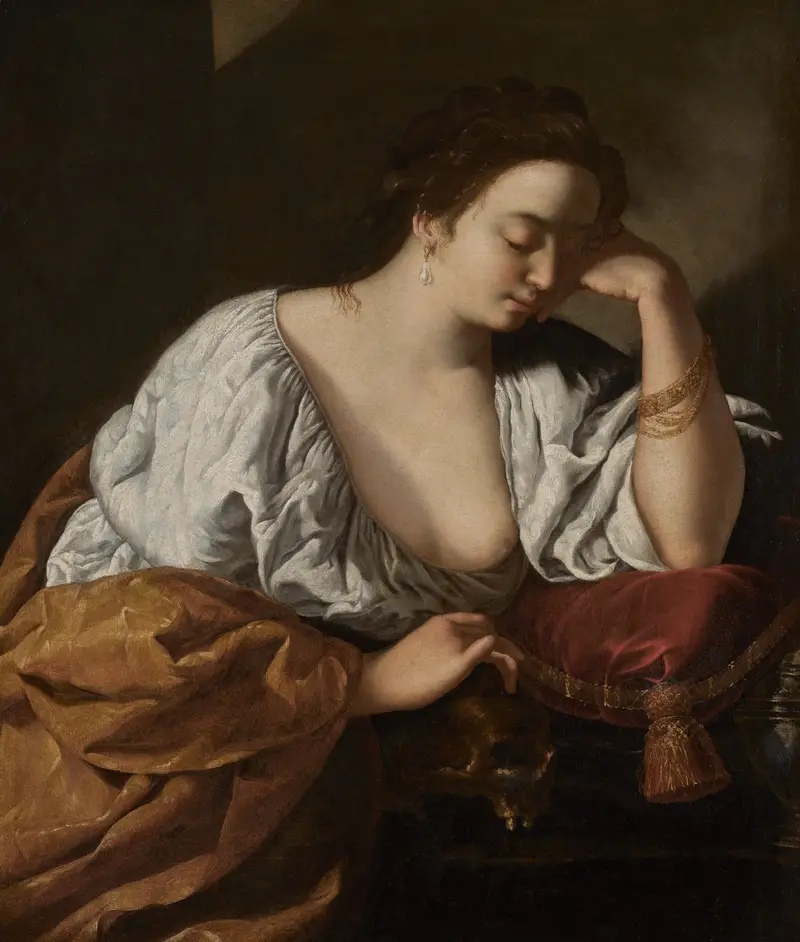
Madeleine pénitente, par
Artemisia Gentileschi
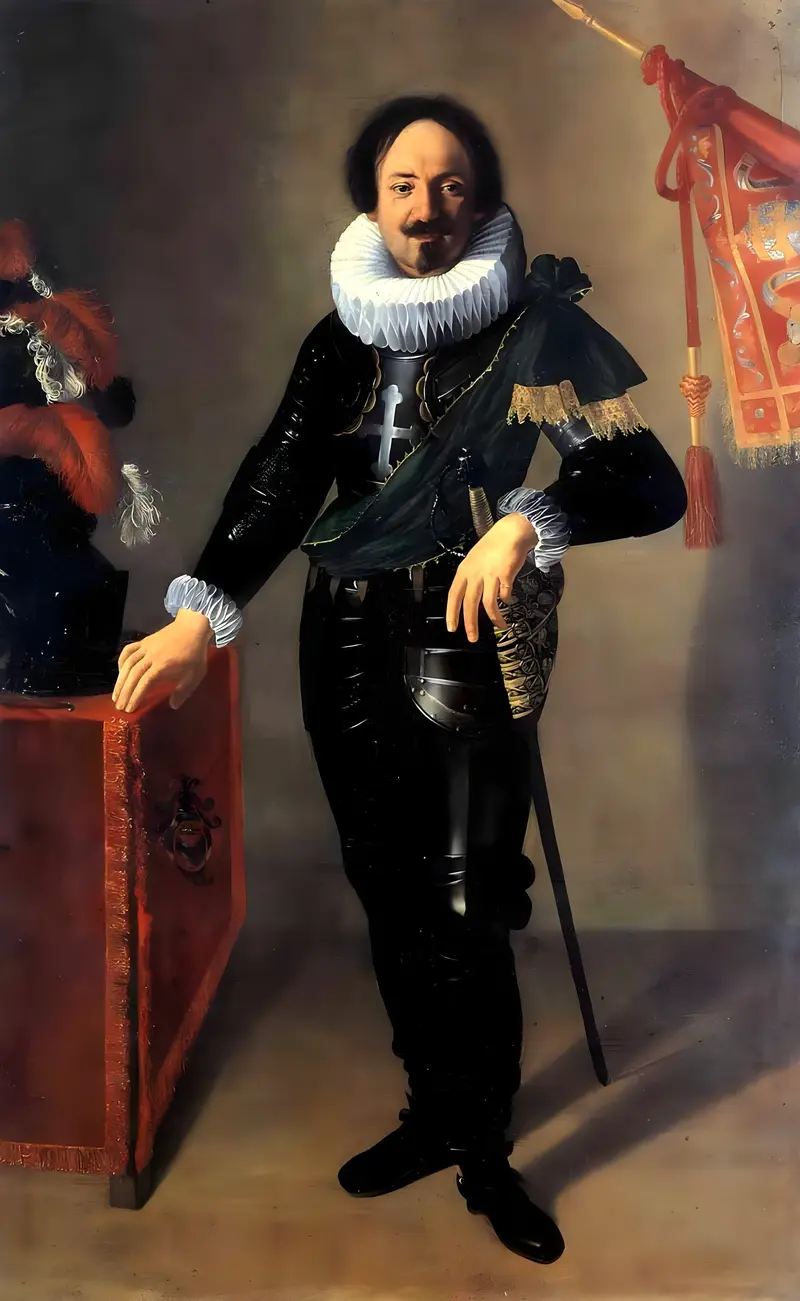
Portrait of a Gonfaloniere
Artemisia Gentileschi





