
The Ancestors of Christ: Hezekiah, Manasseh and Ahaz — History & Facts
When the scaffolding came down from the Sistine Chapel ceiling in 1512, visitors craned their necks not only to see the famous central scenes, but also to puzzle over the long procession of ancestors painted in the lunettes and spandrels above the windows. Among these, The Ancestors of Christ: Hezekiah, Manasseh and Ahaz stands out for its unusual intimacy and ambiguity. Unlike the heroic prophets or the dramatic Genesis stories, these figures are caught in a moment of quiet domesticity, their identities known only from the painted inscription.
Michelangelo’s decision to give such psychological weight to these lesser-known Old Testament kings has long intrigued viewers and scholars alike. The scene Michelangelo chose is not a grand biblical event but a pause in the lineage leading to Christ. Hezekiah, Manasseh and Ahaz—three generations of Judean kings—are grouped together in a cramped architectural frame. Hezekiah leans forward, lost in thought, while a child, likely Manasseh, clings to his mother, whose face is turned away in shadow.
The gestures and glances create a web of tension and tenderness, suggesting both familial bonds and the burdens of inheritance. The muted palette and sculptural drapery recall Michelangelo’s own marble works, while the psychological depth anticipates later artists like Caravaggio, who would also find drama in the everyday. Painted in fresco around 1510 as part of the Sistine Chapel ceiling commission for Pope Julius II, this lunette is one of a series tracing Christ’s genealogy from Abraham to Joseph. The medium—fresco—was standard for the cycle, though centuries of grime and restoration have softened some details.
Unlike the central panels, these lunettes have rarely traveled or left their original setting in the Vatican. They remain a testament to Michelangelo’s ability to find humanity and complexity even in the margins of a grand theological narrative, and mark a turning point in his career as he moved from sculpture to painting on an unprecedented scale.
More Artworks by Michelangelo

Libyan Sibyl
Michelangelo
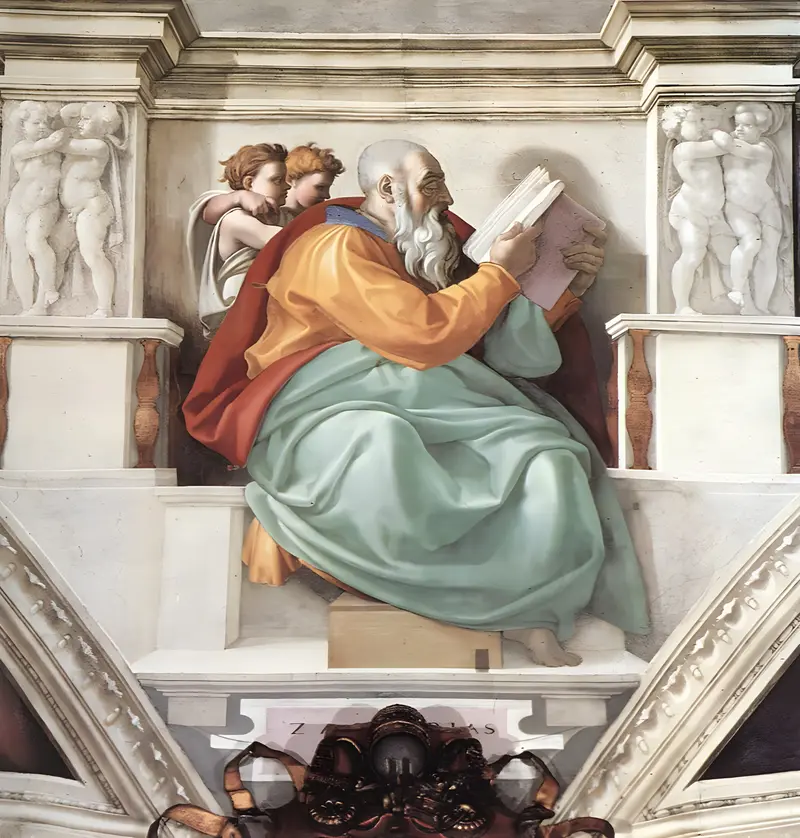
Prophet Zechariah
Michelangelo

Cumaean Sibyl
Michelangelo
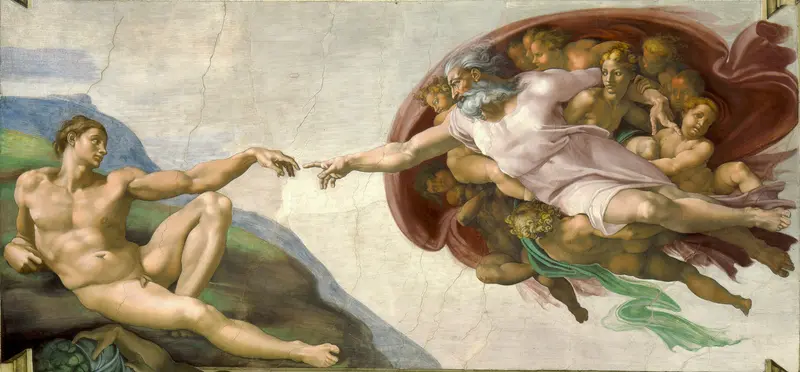
The Creation of Adam
Michelangelo
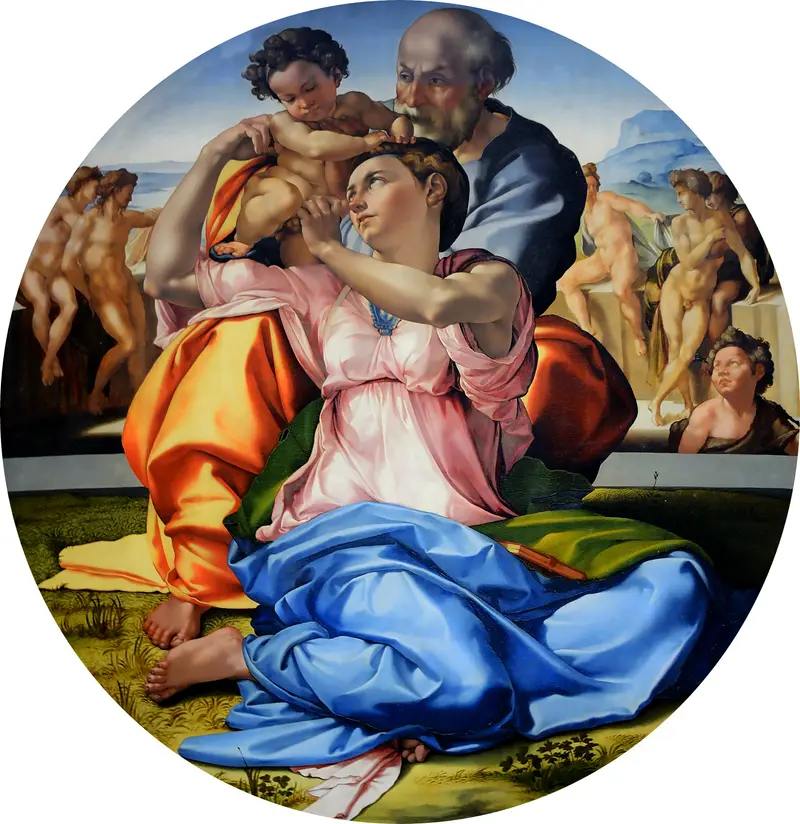
Doni Tondo
Michelangelo
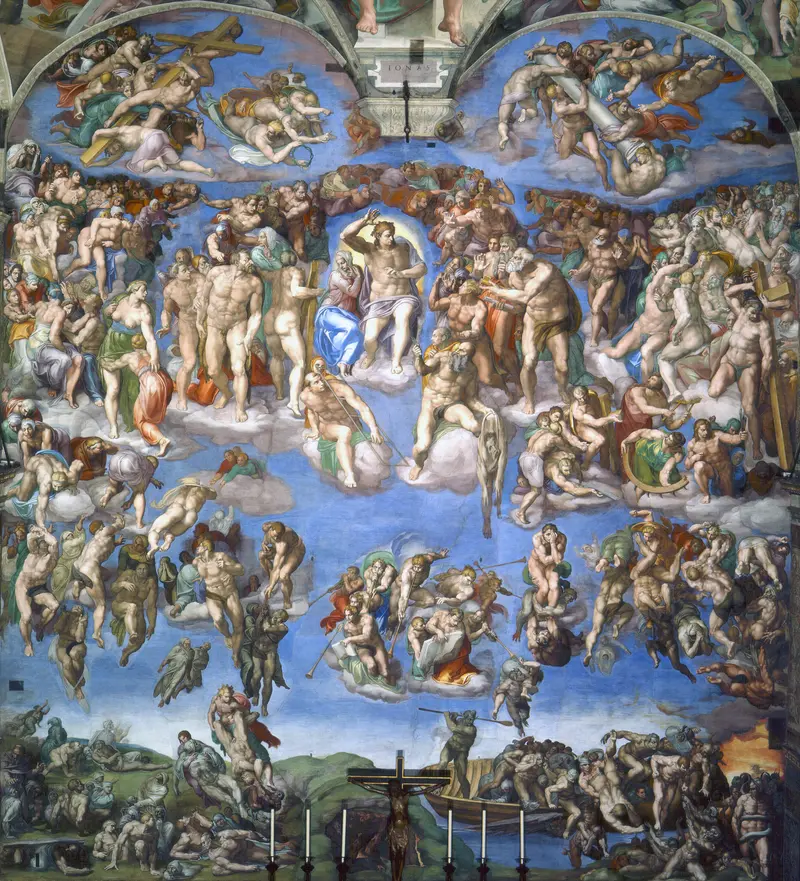
The Last Judgment
Michelangelo
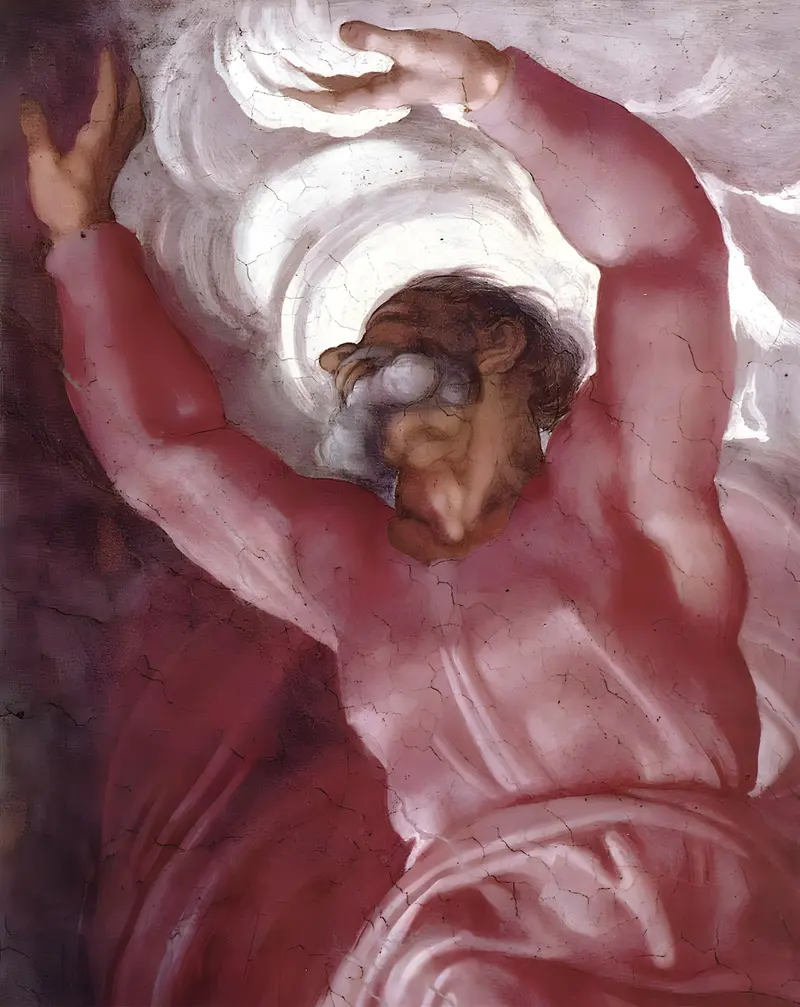
Separation of Light from Darkness
Michelangelo
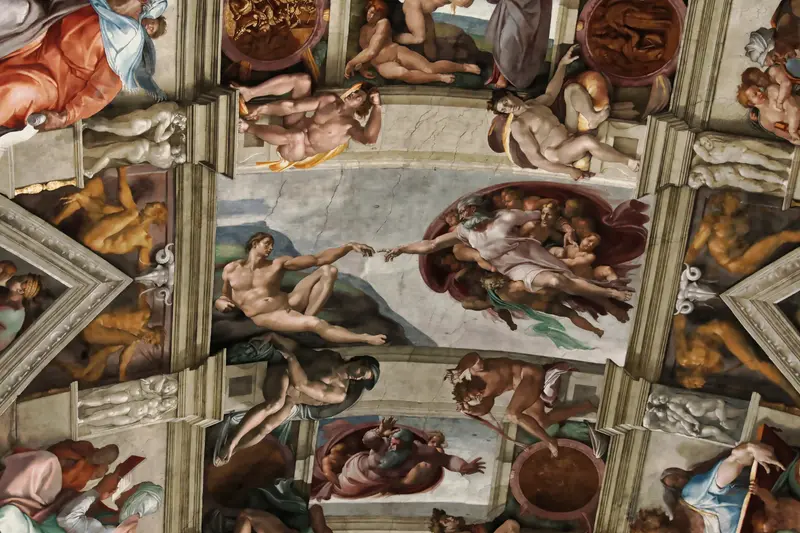
The Separation of the Earth and Waters
Michelangelo

Erythraean Sibyl
Michelangelo
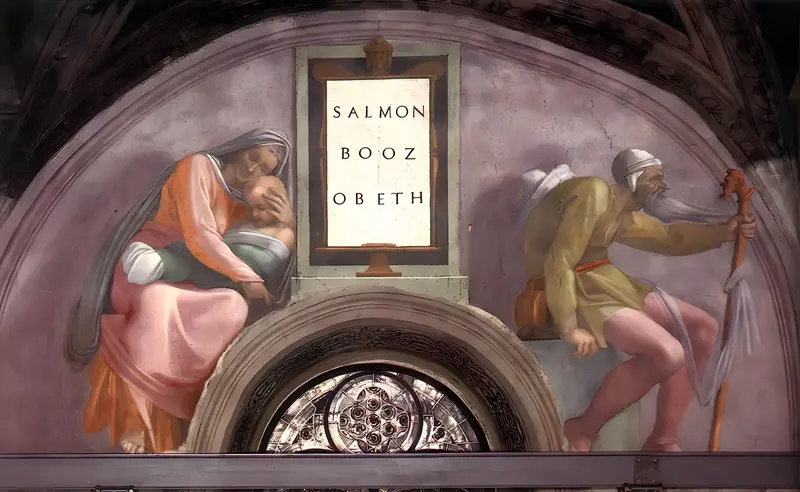
Salmon, Boaz, Obed
Michelangelo




