
The Annunciation — History & Facts
What first catches the eye in The Annunciation by Adriaen van de Velde is the charged stillness between two figures suspended in a moment of revelation. The angel, emerging from a swirl of clouds, advances with a lily stem—a symbol of purity—clutched gently in one hand, while the other draws back as if both announcing and retreating from the enormity of his message. Mary, seated at a carved table draped in orange, recoils in surprise, her hand raised in a gesture that hovers between fear and acceptance.
The light falls decisively on her face and the angel’s bare shoulder, leaving the background in shadow, as if the news itself has parted the darkness. Every fold of fabric and every gesture is a thread in the story: the blue and rose of Mary’s dress, the angel’s bare feet, the open book abandoned in the moment of interruption. Painted in 1667, this work belongs to a world where biblical scenes were not only acts of devotion but also demonstrations of an artist’s command of drama and human emotion. In the Dutch Golden Age, such images were commissioned for private meditation or church altars, their purpose as much spiritual as decorative.
Adriaen van de Velde is better known for landscapes, making this foray into sacred narrative all the more striking—a painter trained to observe the world now tasked with rendering the miraculous. The Rijksmuseum in Amsterdam holds this painting today, a reminder that even in an age of prosperity and reason, the old stories demanded new ways of seeing. The hush between angel and Virgin invites you to linger, to imagine what words might have just been spoken, and what silence followed.
More Artworks by Adriaen van de Velde

Staande stier
Adriaen van de Velde
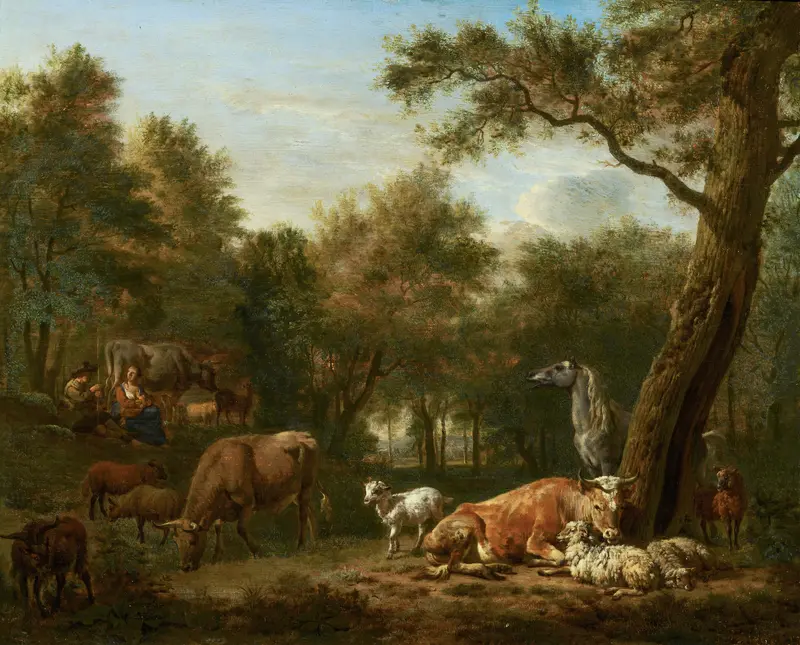
Wooded Landscape with Cattle
Adriaen van de Velde
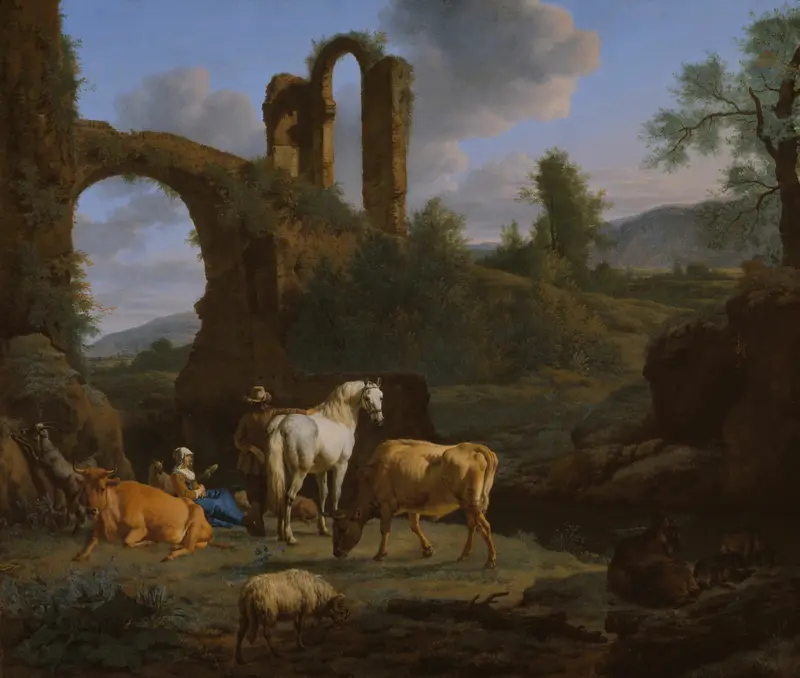
Pastoral Landscape with Ruins
Adriaen van de Velde
Pastoral Landscape with Ruins
Adriaen van de Velde
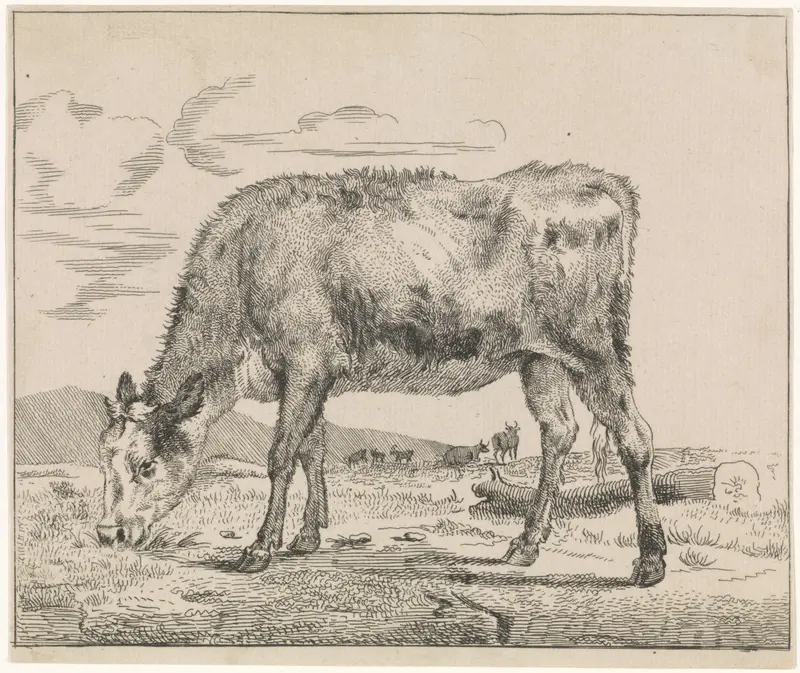
Grazend kalf
Adriaen van de Velde
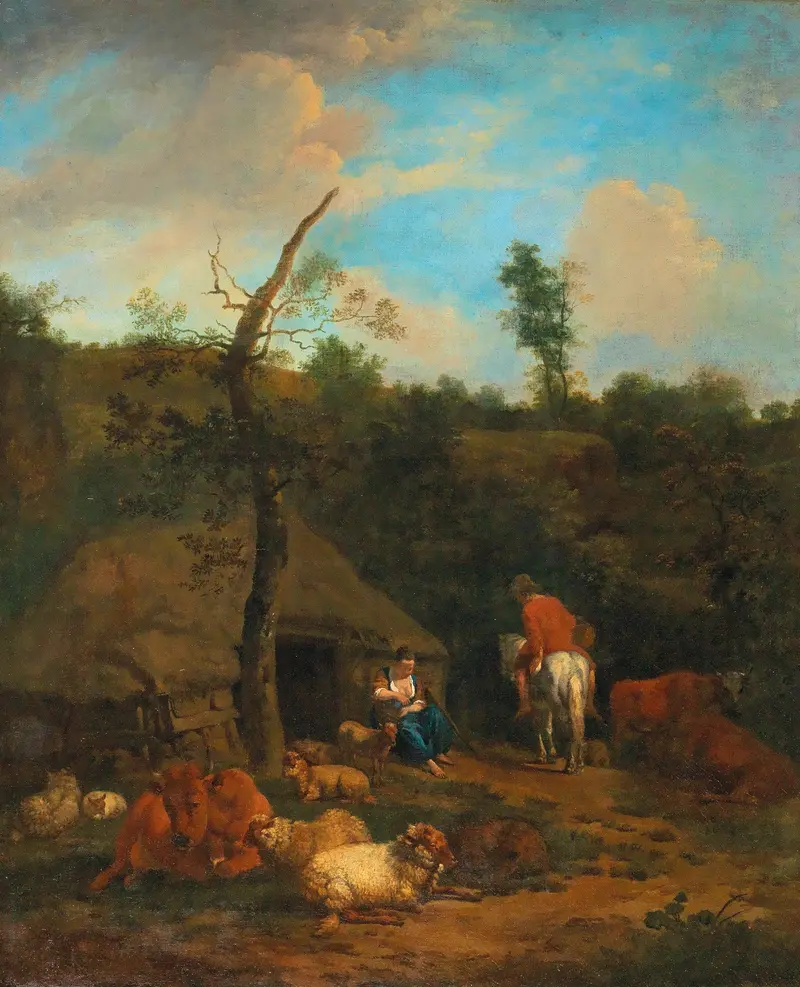
A herdsman and a shepherdess in front of a wooden farmhouse
Adriaen van de Velde
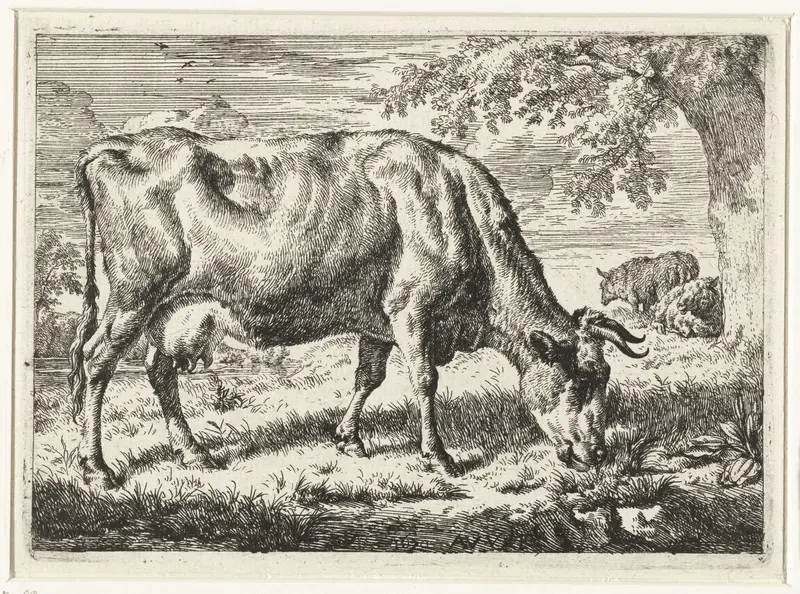
Grazende koe en twee schapen
Adriaen van de Velde
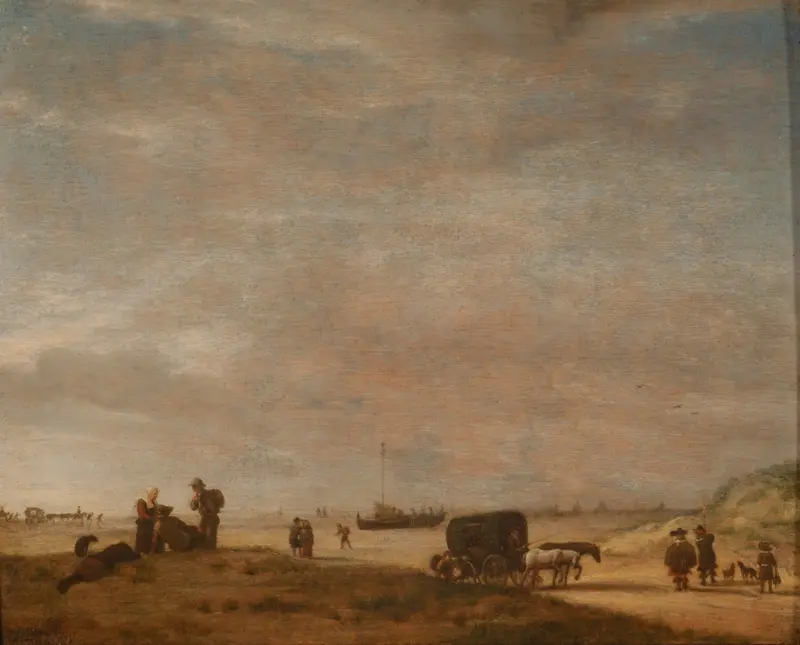
Scheveningen Beach
Adriaen van de Velde
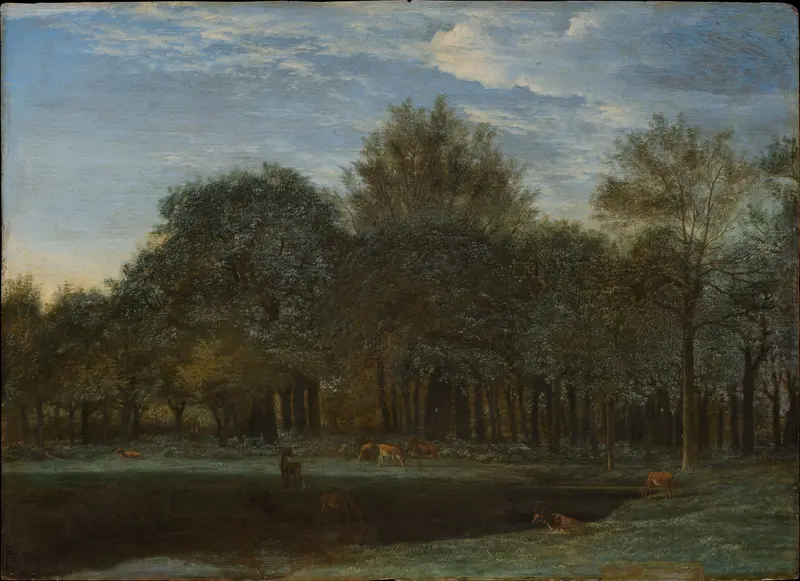
Forest Clearing with Grazing Deer
Adriaen van de Velde
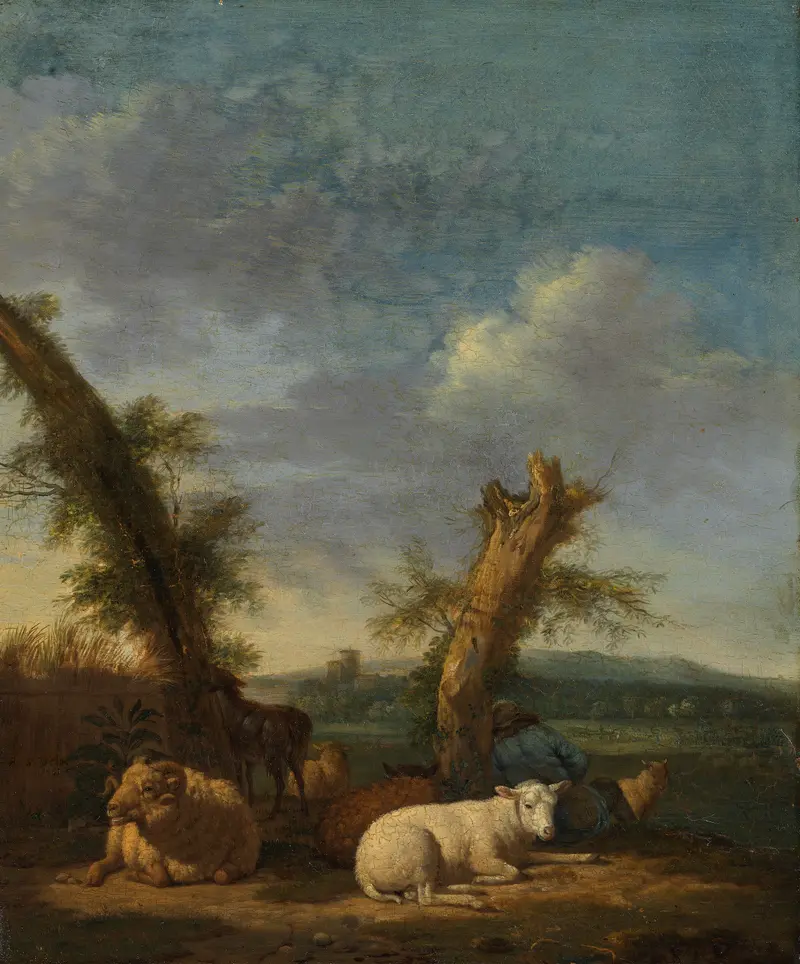
Landscape with Sheep and a Sleeping Shepherd
Adriaen van de Velde





