
The Apostle Saint James the Greater Freeing the Magician Hermogenes — History & Facts
In 1427, Fra Angelico was commissioned to paint a series of panels for the convent of San Domenico in Fiesole, near Florence, and among them was this dramatic scene of miraculous liberation. The subject, rarely painted before this moment, draws from the Golden Legend—a medieval bestseller—bringing to life a tale of magic, conversion, and apostolic power. What makes this work especially notable is that it represents one of the earliest painted depictions of Saint James as a miracle-worker, not just a pilgrim or martyr.
This panel, originally part of a predella, would have been seen at the eye level of kneeling friars, its story unfolding as part of daily devotion. At the heart of The Apostle Saint James the Greater Freeing the Magician Hermogenes, the apostle stands firm, his hand raised in a gesture of blessing as chains fall away from the kneeling magician. Hermogenes, once a persecutor wielding dark arts, has been defeated not by violence but by faith—his conversion is signaled by the discarded spellbook and the broken fetters at his feet. The background glows with gold, a hallmark of Fra Angelico’s early work, signifying divine intervention.
The gentle, almost tender expression of Saint James contrasts with the confusion of onlookers, echoing the quiet authority seen in Giotto’s frescoes but rendered here with the luminous clarity unique to Fra Angelico. Every detail—the apostle’s blue robe, the delicate halos, the interplay of gesture and gaze—contributes to the sense of a miraculous turning point. The medium of this panel is not definitively recorded, but it is likely tempera and gold on wood, typical of Fra Angelico’s early commissions. After centuries in the convent, the panel was eventually separated from its original altarpiece and entered various collections before being recognized as a key work in the artist’s development.
Today, it stands as a testament to Fra Angelico’s ability to blend narrative clarity with spiritual intensity, marking the transition from late Gothic to the early stirrings of the Renaissance in Florence. The painting’s journey mirrors that of its subject: from darkness and obscurity to revelation and light.
More Artworks by Fra Angelico

Condemnation of St Lawrence by the Emperor Valerian
Fra Angelico
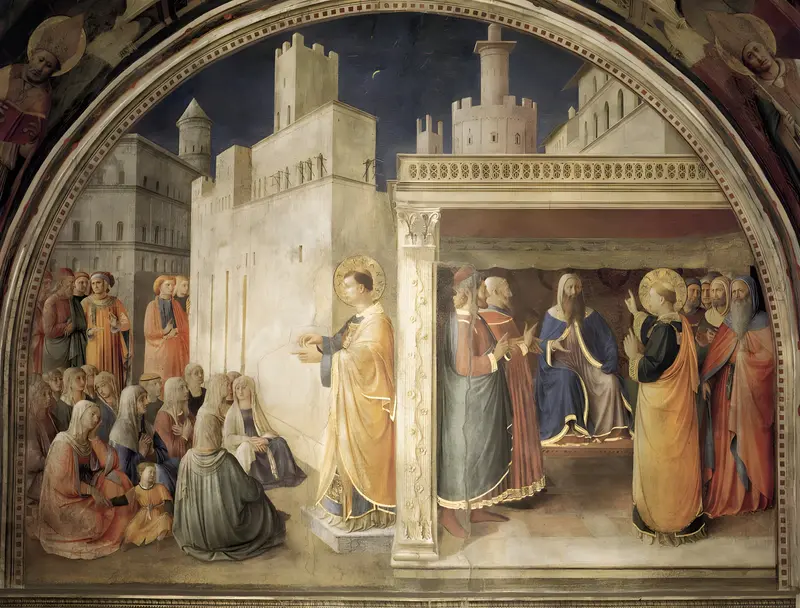
Lunette of the north wall
Fra Angelico
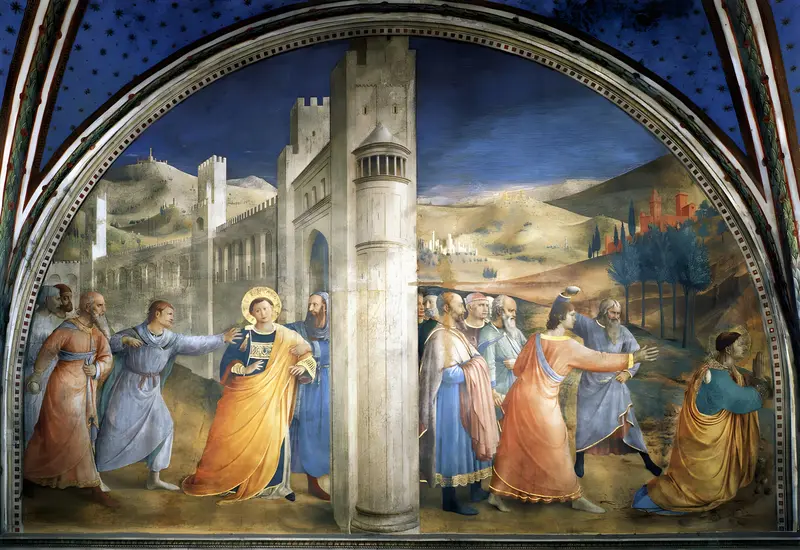
Lunette of the east wall in Niccoline Chapel
Fra Angelico
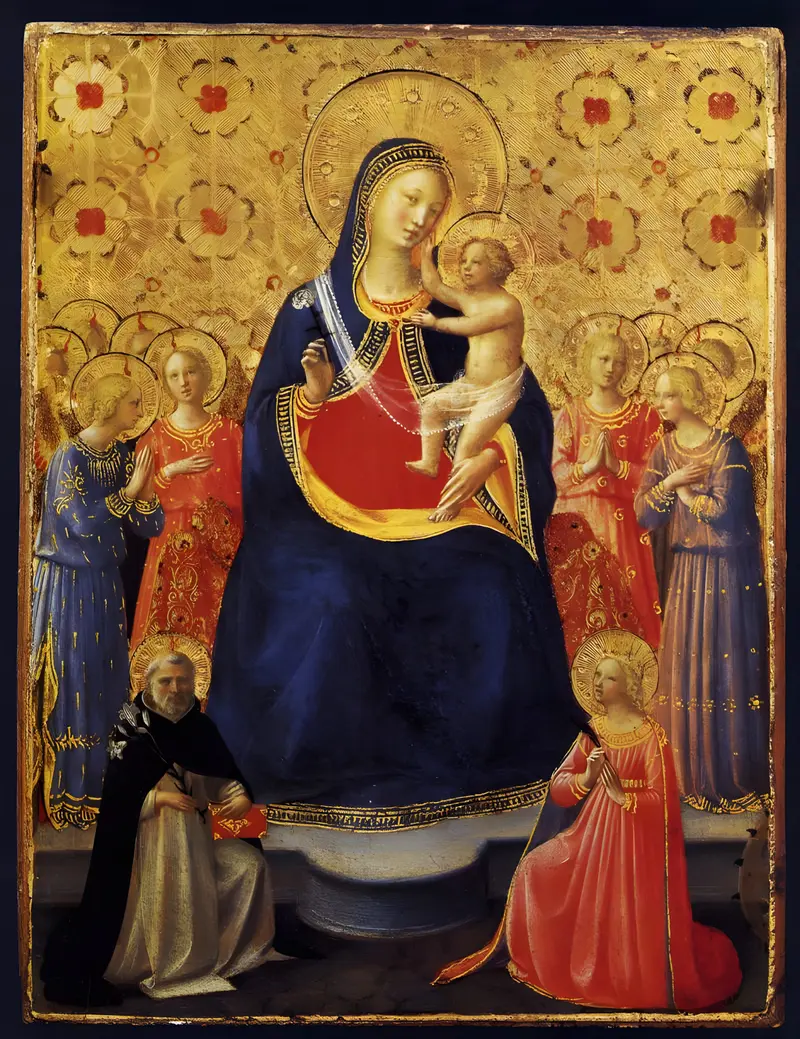
Madonna and Child Enthroned with Nine Angels and Saints Dominic and Catherine of Alexandria
Fra Angelico
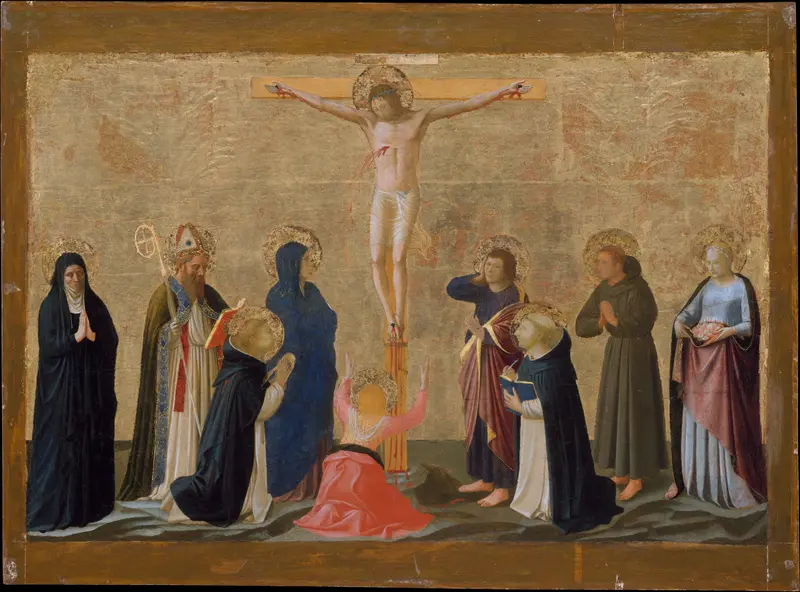
The Crucifixion
Fra Angelico
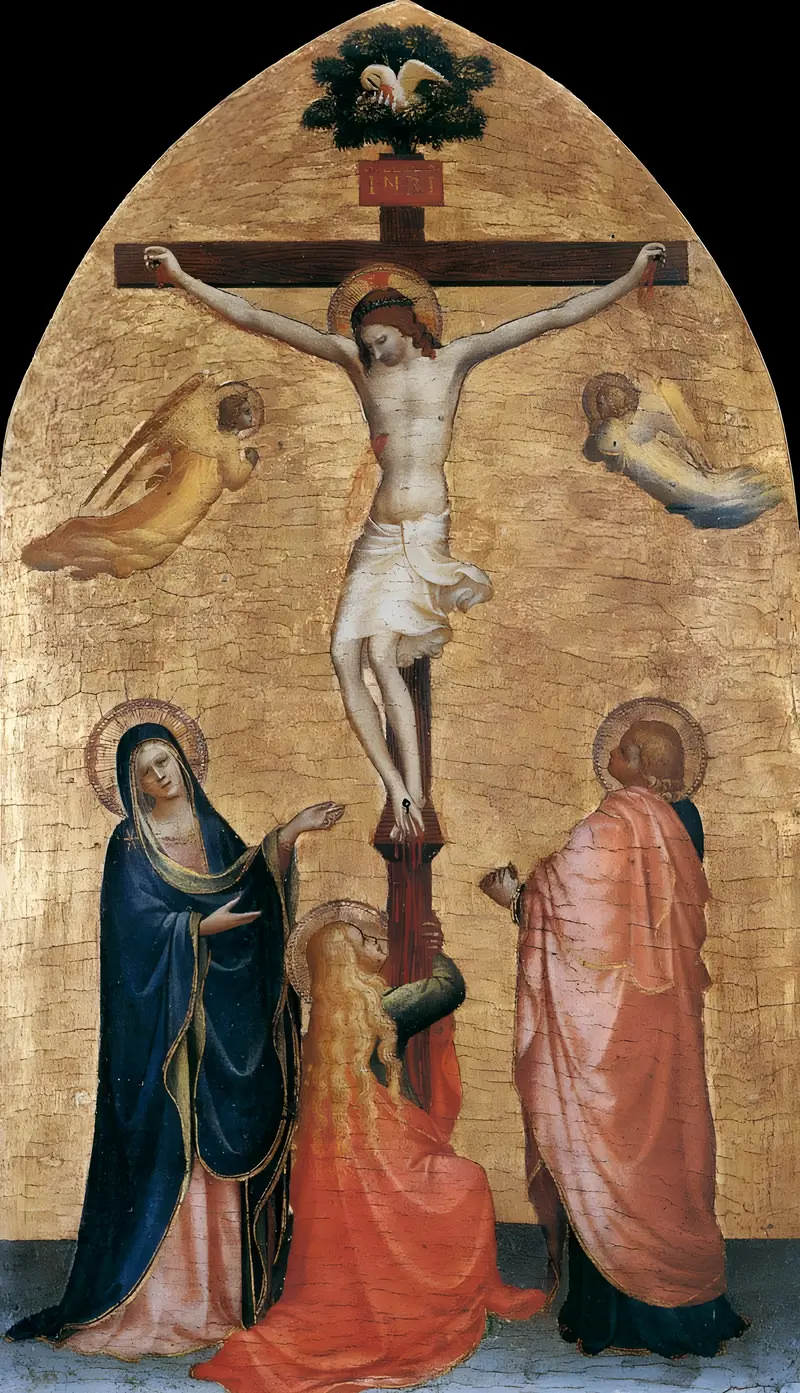
Crucifixion with the Virgin, John the Evangelist, and Mary Magdelene
Fra Angelico
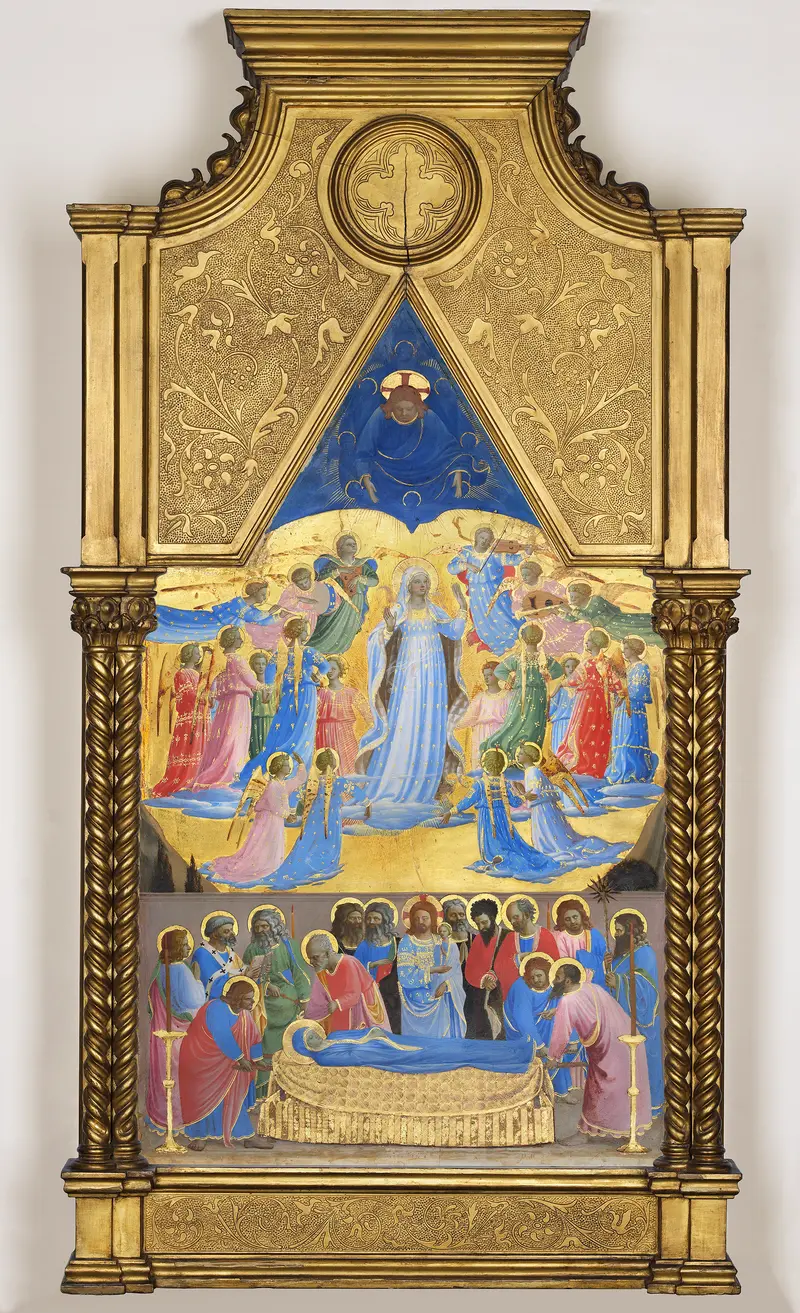
Dormition and Assumption of the Virgin
Fra Angelico
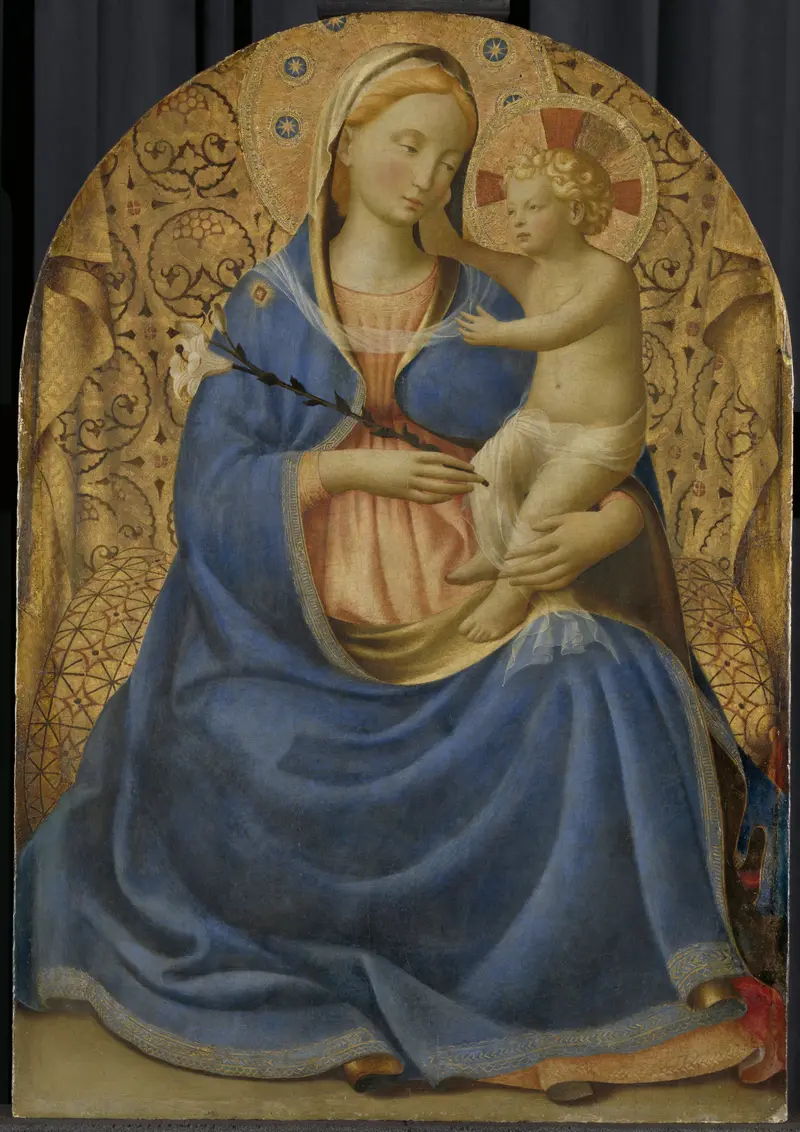
Madonna of Humility
Fra Angelico
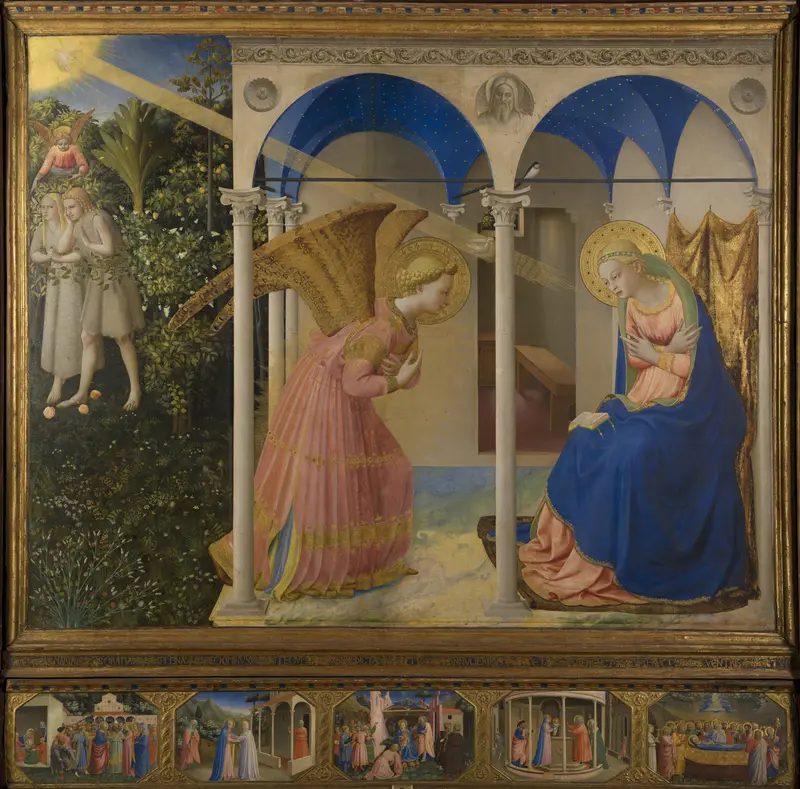
The Annunciation
Fra Angelico

Saint Anthony Abbot
Fra Angelico





