
The Apple Tree — History & Facts
This delicate balance reveals the illusionary beauty of the world around us, inviting deeper contemplation beneath the surface. Focus first on the vibrant hues that sweep across the canvas, where lush greens and warm golds dance together in harmony. Notice how the gentle curves of the apple tree’s branches lead your eyes outward, creating a connection between the viewer and the serene landscape. The soft light filtering through the foliage evokes a sense of calm, while the placement of each apple holds a tantalizing promise of sweetness, suggesting a moment suspended in time. Delve deeper into the emotional undertones of the piece, where the interplay of light and shadow creates a sense of depth and mystery.
The apples, not just mere fruits, symbolize temptation and the ephemeral nature of beauty—fragile yet alluring. The simplicity of the scene belies a poignant reflection on life’s fleeting moments, drawing viewers into a contemplative state as they grapple with their own desires and illusions. In 1887, Gerhard Munthe painted this work during a time of personal exploration and artistic growth in Norway. Emerging from the influences of Romanticism, he sought to convey the spirituality and essence of his surroundings, integrating folklore and natural beauty into his art.
This piece is a testament to his quest for authenticity in an ever-evolving artistic landscape.
More Artworks by Gerhard Munthe
Browse all →
Waterfall at Stange in Hedmark
Gerhard Munthe
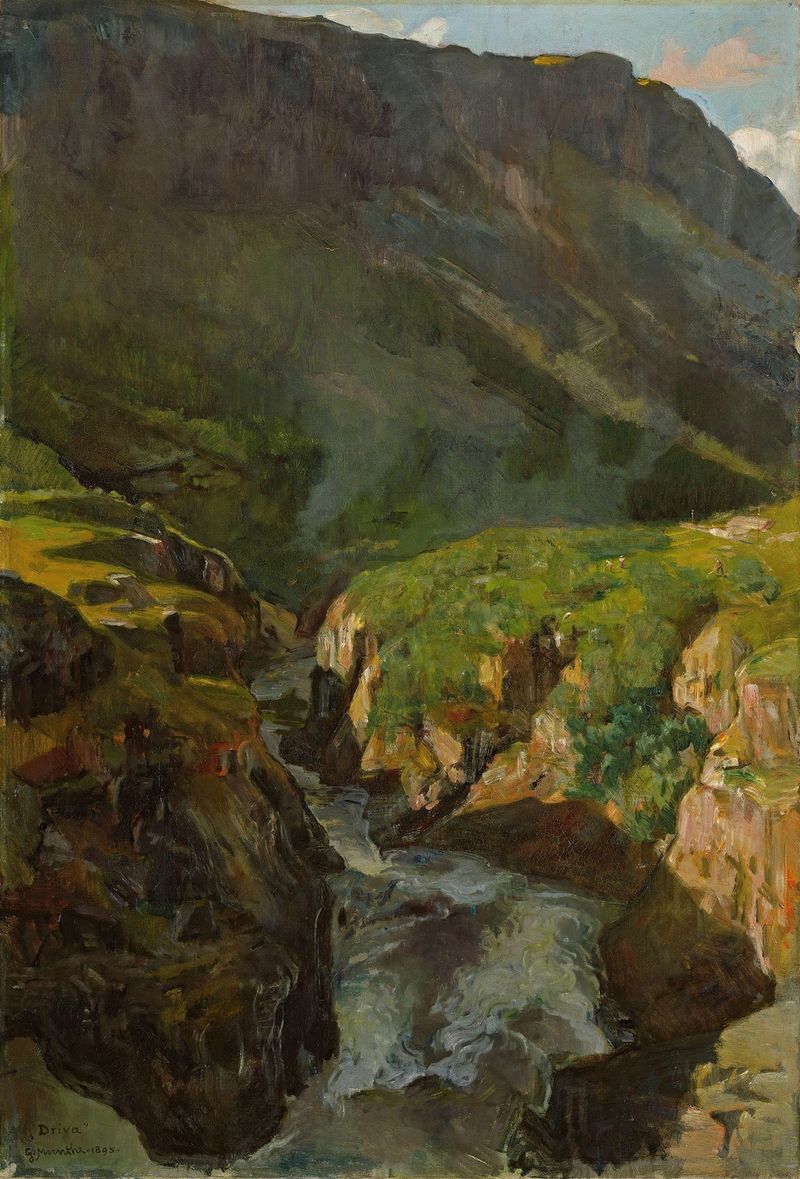
The River Driva
Gerhard Munthe
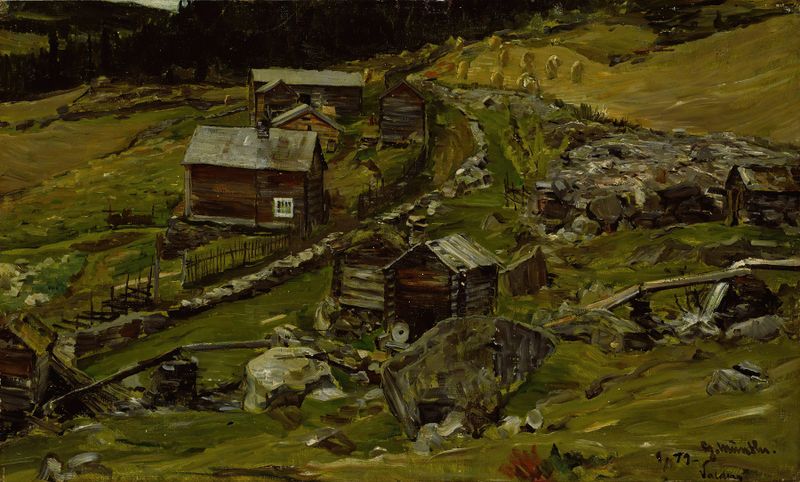
Farm in Valdres
Gerhard Munthe

At the Farm, Ulvin
Gerhard Munthe
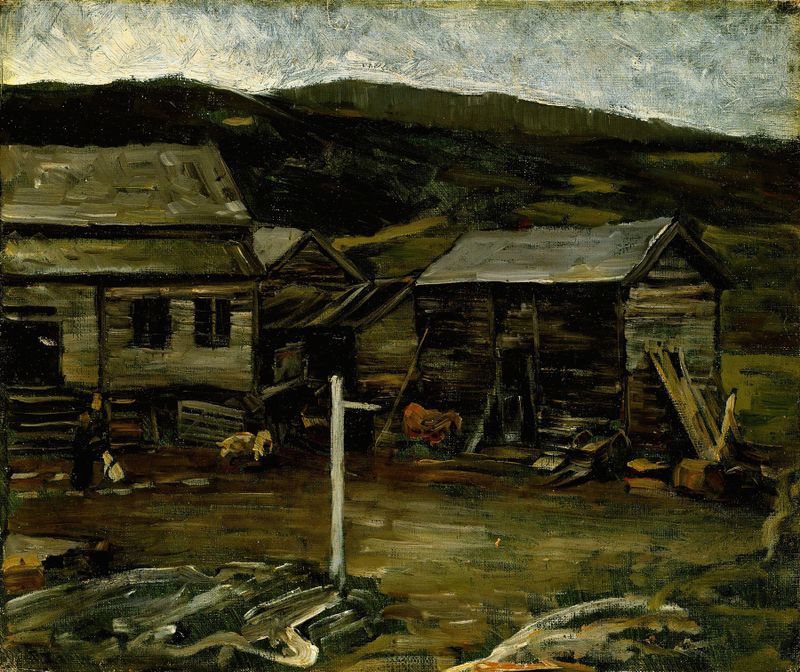
Autumn Evening at the Farm, Øylo
Gerhard Munthe
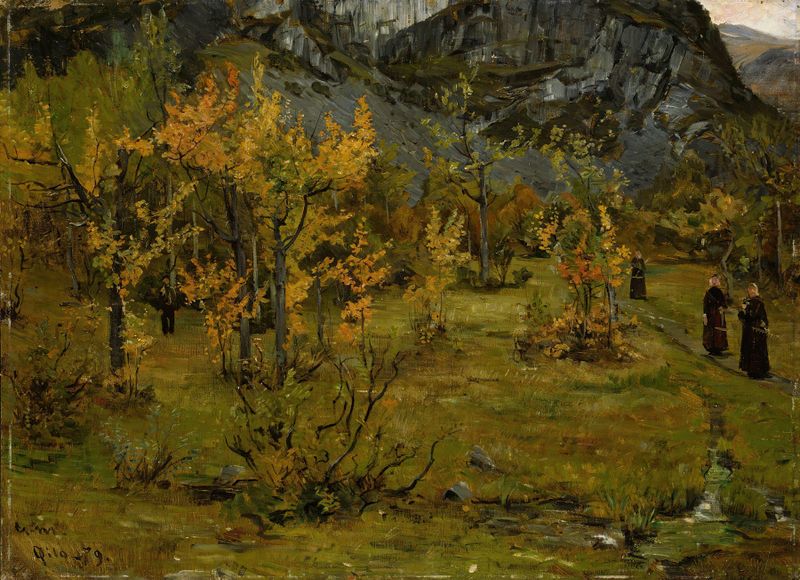
Autumn Landscape, Øylo
Gerhard Munthe

Throwing Snowballs
Gerhard Munthe

Brook at Øylo
Gerhard Munthe

Fields at Hedmark in Summer
Gerhard Munthe

Autumn Landscape, Øylo
Gerhard Munthe





