The Artist’s Studio, Bayswater — History & Facts
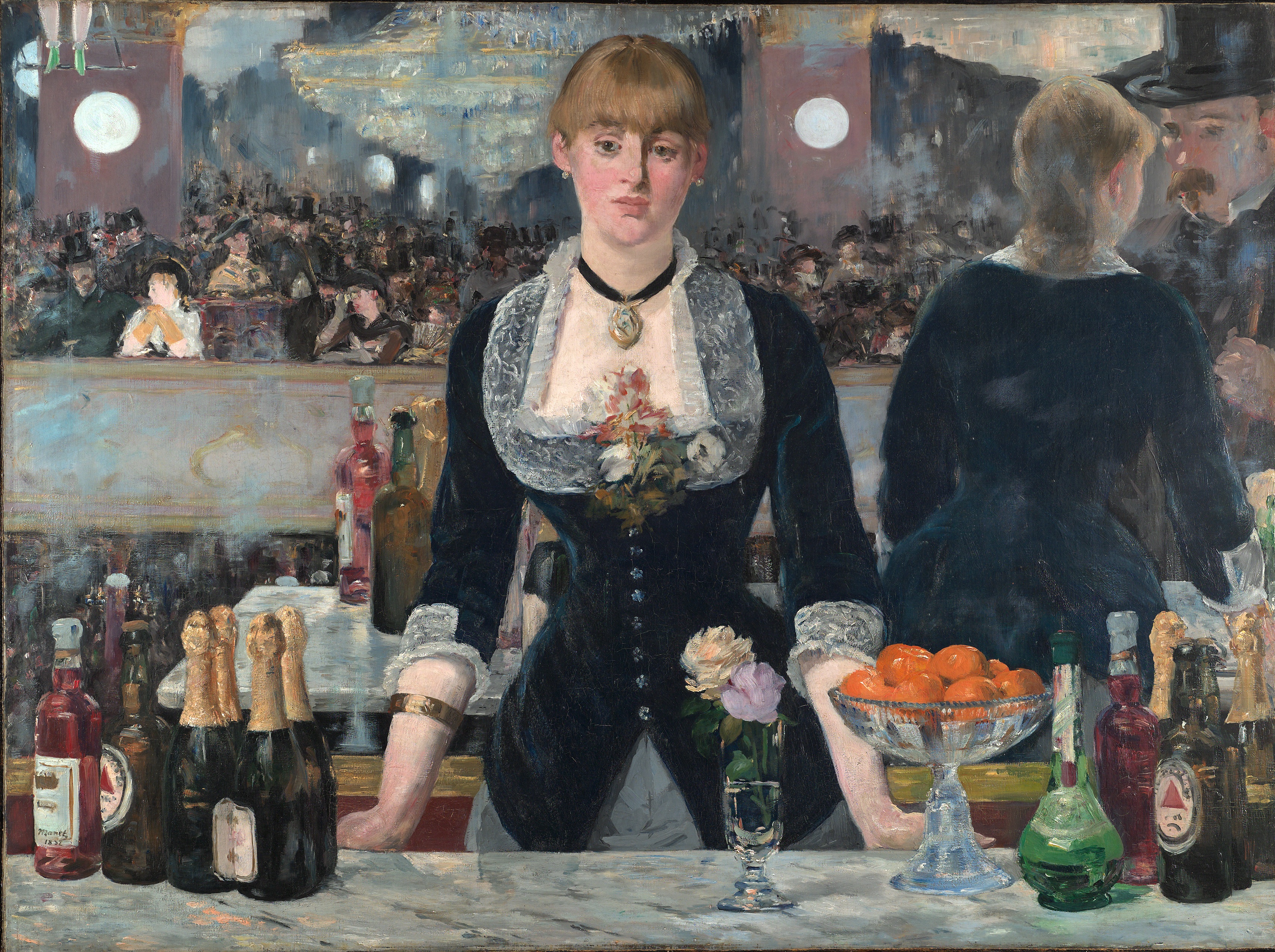
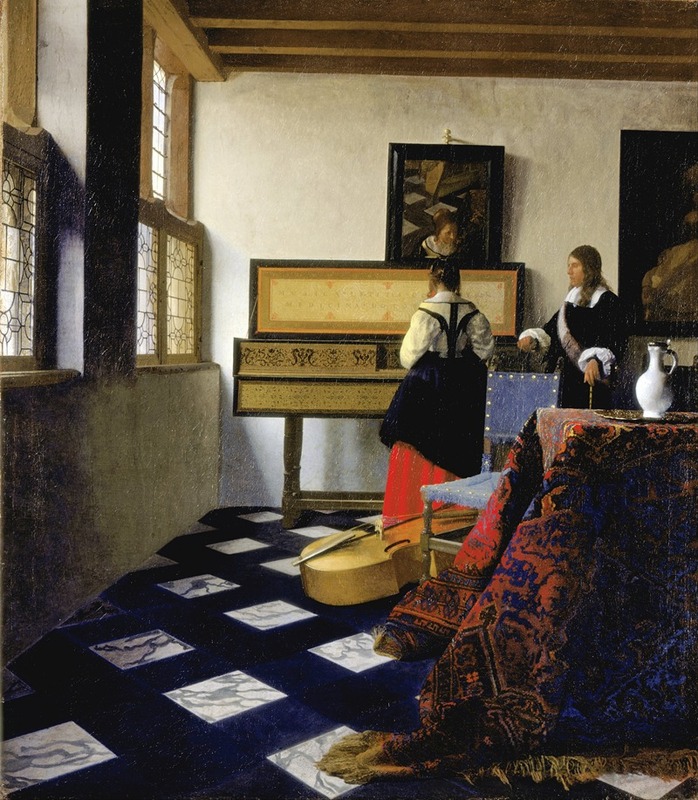
In the quietude of a studio, fear cloaks the creative spirit, drawing back the curtain on the fragility of inspiration. Focus your gaze on the left side of the canvas, where soft, muted colors whisper of the artist's inner turmoil. Here, the light filters through the window, casting gentle shadows that dance upon the walls, revealing the eclectic chaos of brushes and canvases strewn about. The composition breathes a sense of intimacy, as though we are intruding on a sacred space, caught in a moment of both creation and uncertainty. Notice the slight disarray of scattered papers and half-finished works that hint at the artist's struggle.
The contrast between vibrant pigments and the starkness of the surrounding wood invites contemplation — a vivid representation of artistic ambition warring with self-doubt. It’s in these details, the tangential brushstrokes and the anxious placement of objects, that the painting captures the essence of human vulnerability, where fear can either paralyze or propel creativity. Paul Sandby created this particular work during a time when he was establishing his reputation in the art world, likely in the late 18th century. Living in England, he was part of a burgeoning movement that sought to depict the natural landscape and the intimate environments of artists.
Amidst this evolving artistic landscape, Sandby was navigating his own uncertainties about identity and legacy — a tension that permeates through the very fabric of this studio space.
More Artworks by Paul Sandby
Browse all →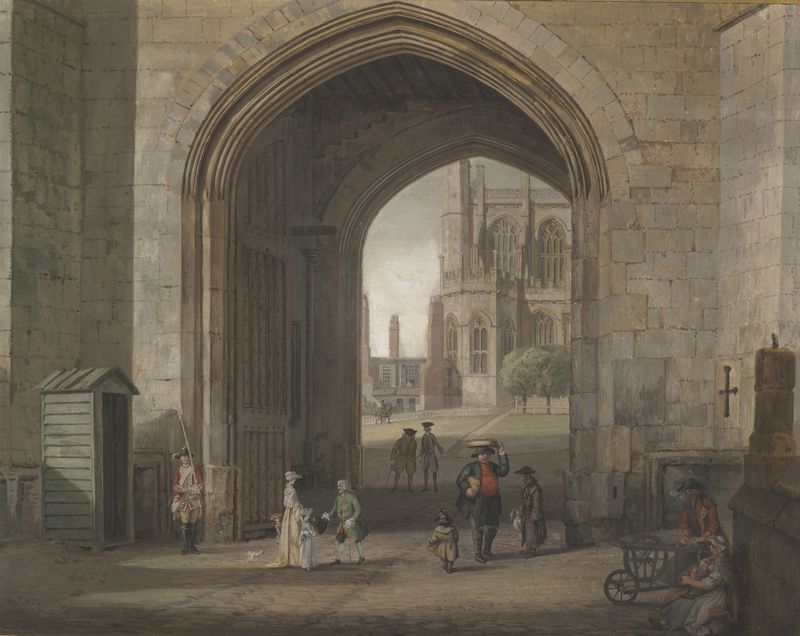
The Tower Gate at Windsor Castle
Paul Sandby

A Distant View of Maidstone, from Lower Bell Inn, Boxley Hill
Paul Sandby
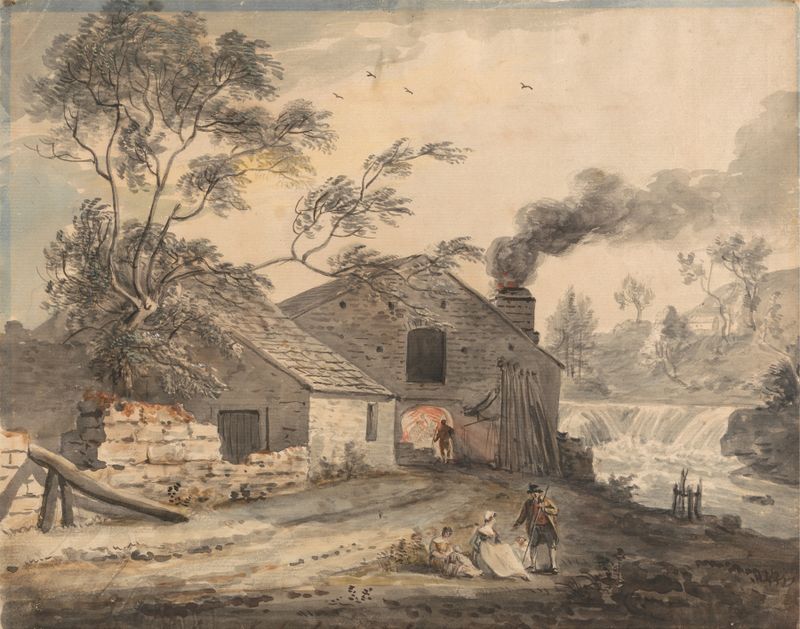
Iron Forge on the River Kent, Westmorland
Paul Sandby
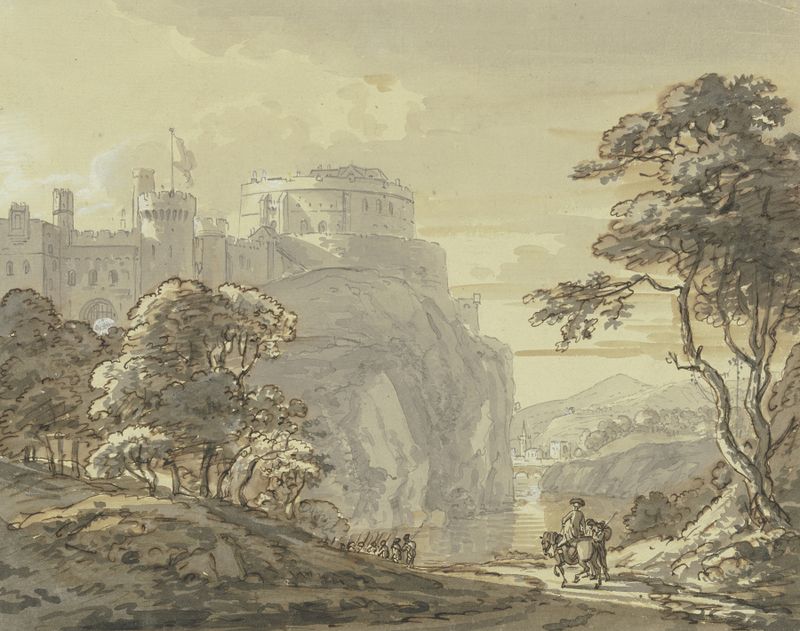
View of Windsor Castle
Paul Sandby

Hackwood Park, Hampshire
Paul Sandby

Roslin Castle, Midlothian
Paul Sandby
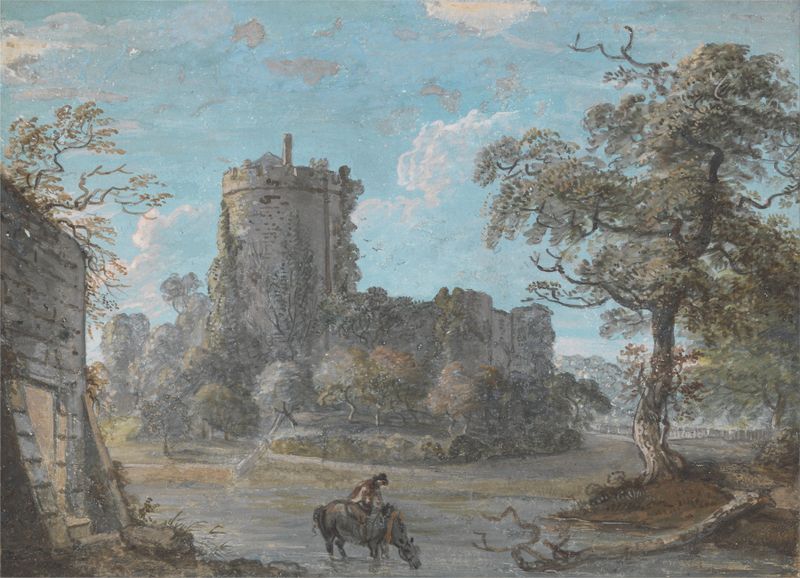
The Entrance to Chepstow Castle
Paul Sandby
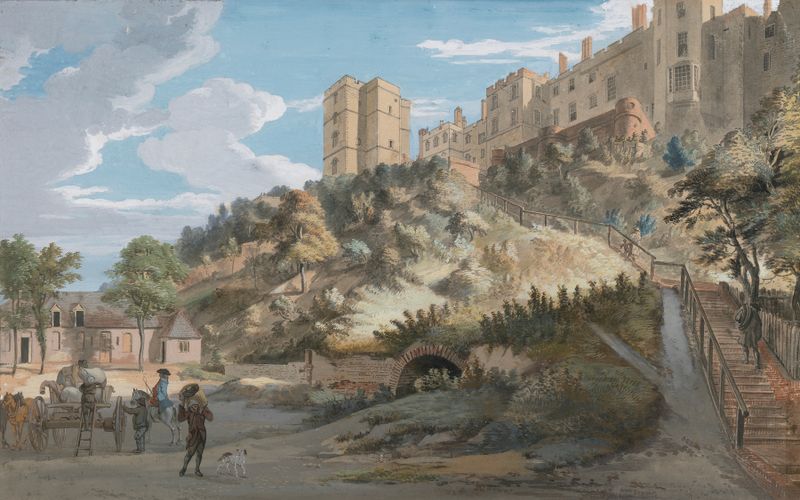
The Hundred Steps and Winchester Tower, Windsor Castle, Berkshire
Paul Sandby

Brook End, Essex
Paul Sandby
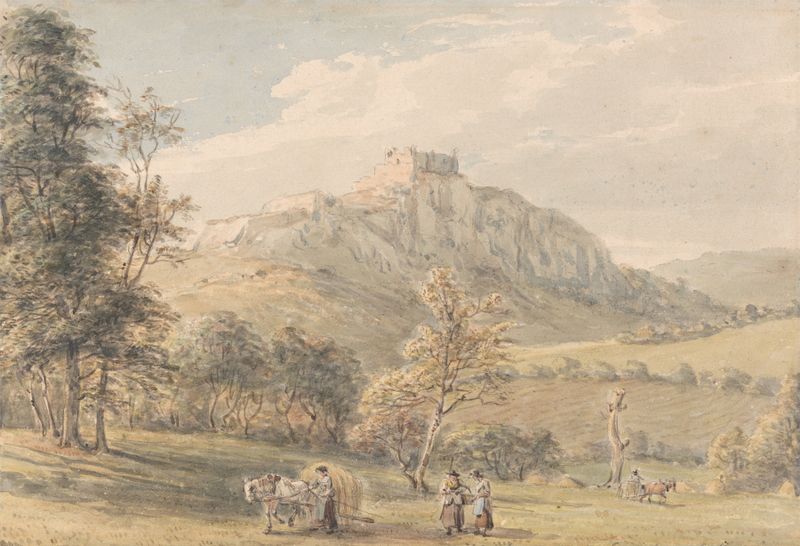
Carreg Cennen Castle
Paul Sandby