
The Auvers Valley on the Oise River — History & Facts
In the world of art, creation breathes life into the stillness of existence, revealing the beauty in every brushstroke and hue. Look to the left at the gentle curve of the river, where the water glimmers, reflecting the vibrant palette of greens and blues above. Notice how the dappled sunlight breaks through the canopy of trees, casting a mosaic of light and shadow across the canvas. The delicate balance of color draws you into the scene, inviting you to explore the lush foliage that frames the river, while the soft brushwork suggests a breeziness that vibrates with life. Delve deeper, and you’ll uncover the emotional tensions within this idyllic landscape.
The contrast between the serene water and the energetic foliage hints at a symbiotic relationship between nature and the observer. The painting captures a fleeting moment in time, suggesting the transience of beauty and the inevitability of change. Each stroke seems to echo the artist’s longing for connection, as though he is inviting us to pause and reflect on the impermanence that surrounds us. In the late 19th century, Renoir was deeply entrenched in the Impressionist movement, painting The Auvers Valley on the Oise River during a period of personal exploration and growth.
He worked on this piece in France, a time marked by significant social changes and an evolving art scene. This work represents both his dedication to capturing the natural world and his quest to find harmony between color and form, a hallmark of his artistic journey.
More Artworks by Pierre-Auguste Renoir
Browse all →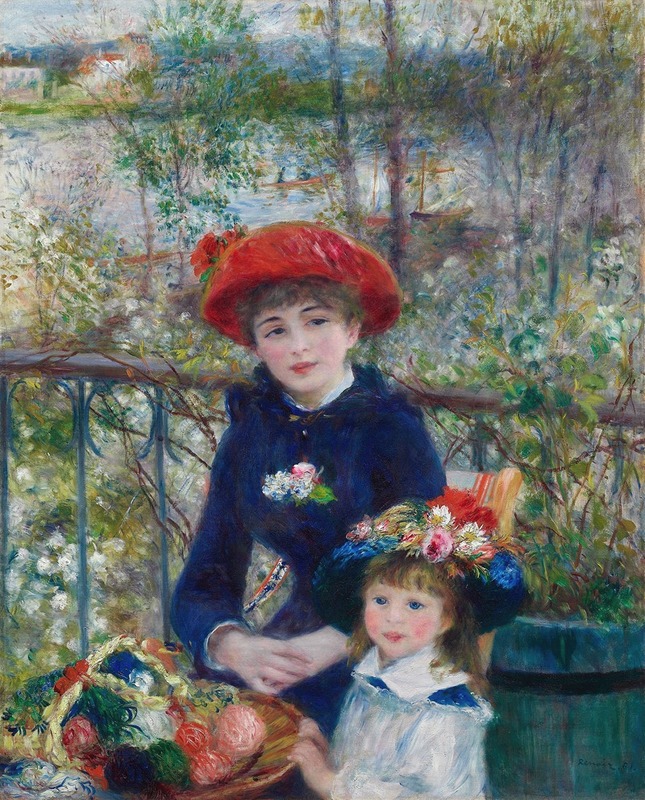
Two Sisters (On the Terrace)
Pierre-Auguste Renoir
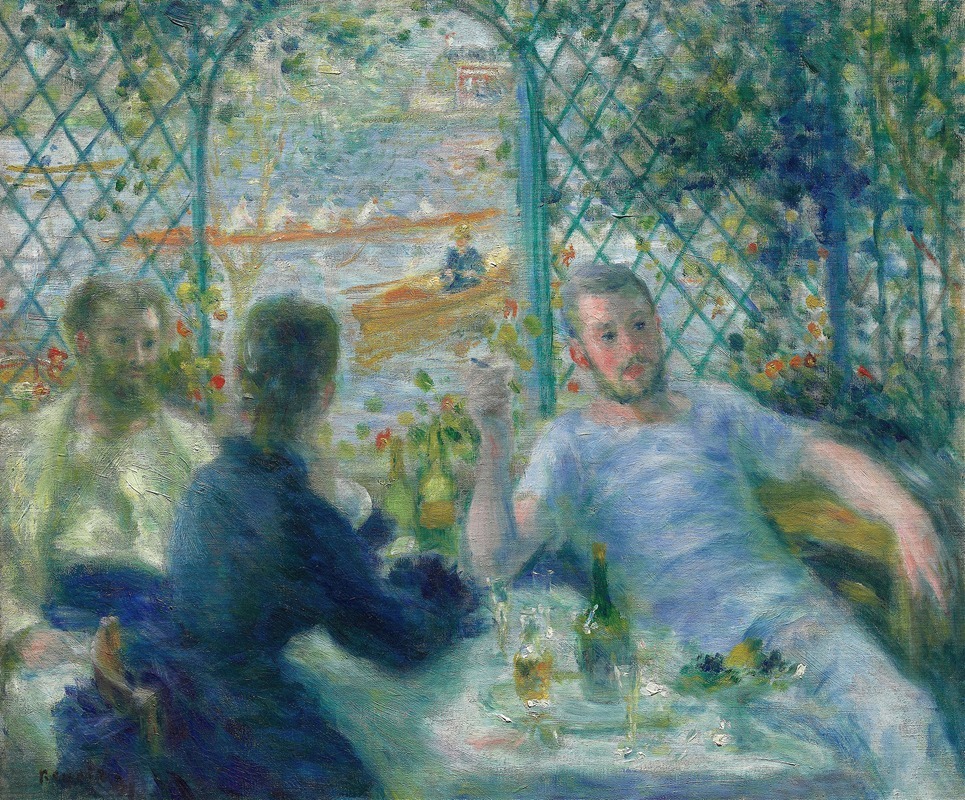
Lunch at the Restaurant Fournaise (The Rowers' Lunch)
Pierre-Auguste Renoir
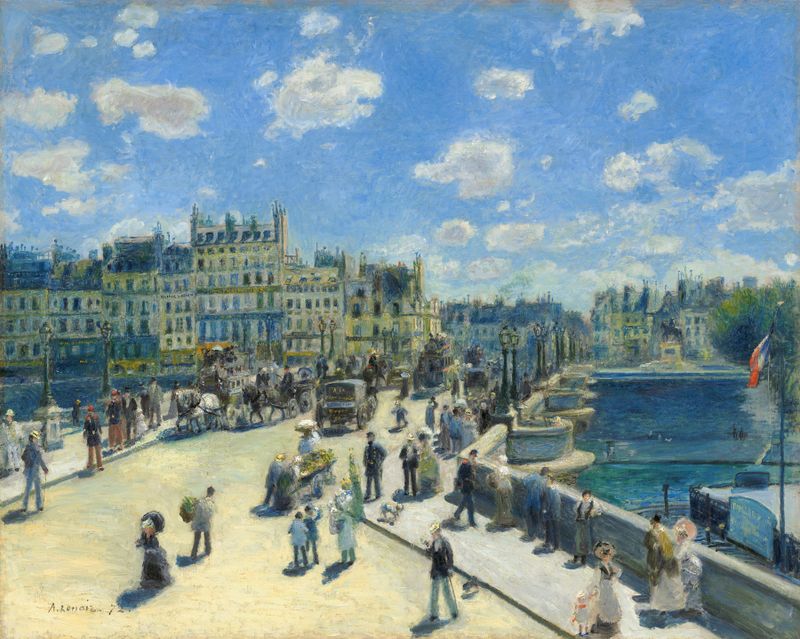
Pont Neuf, Paris
Pierre-Auguste Renoir
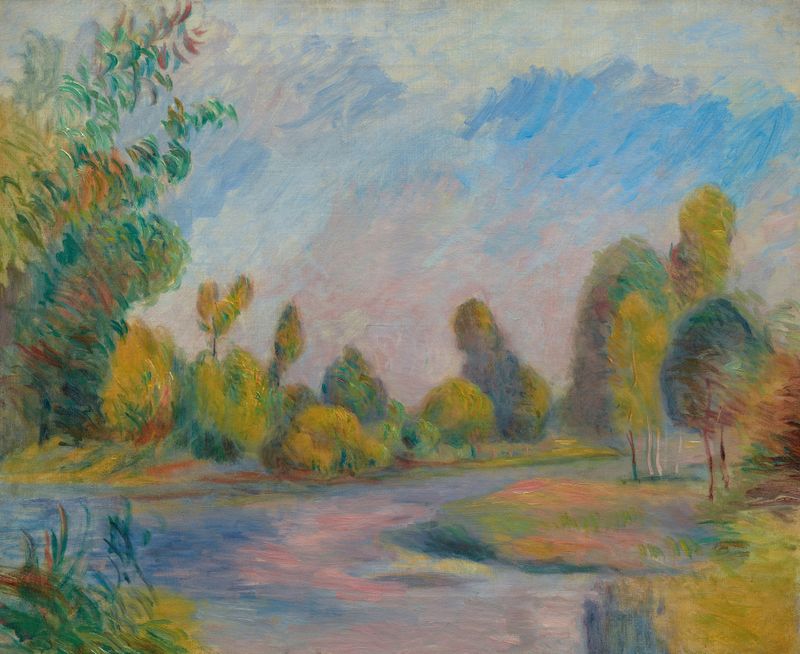
Au bord de la rivière
Pierre-Auguste Renoir

Near the Lake
Pierre-Auguste Renoir
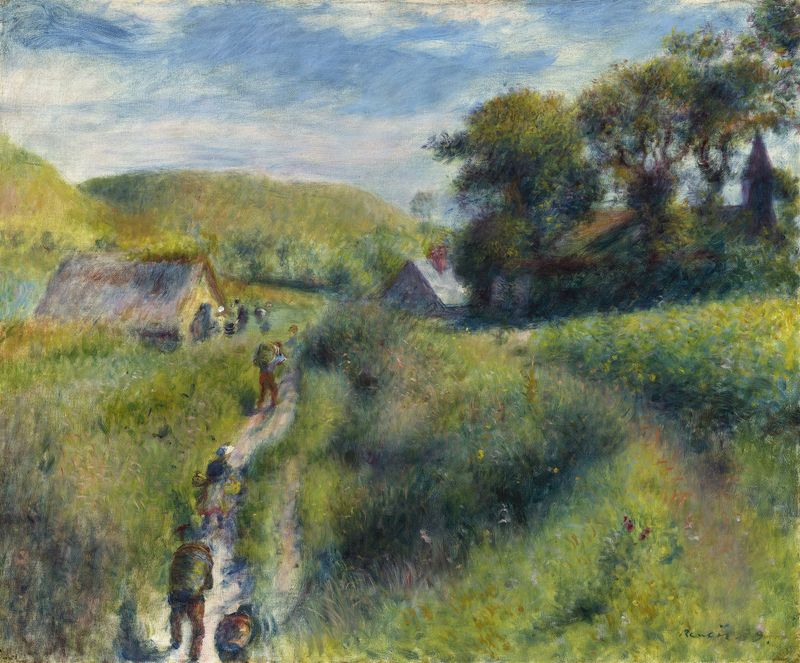
The Mussel Harvest
Pierre-Auguste Renoir

The Seine at Chatou
Pierre-Auguste Renoir
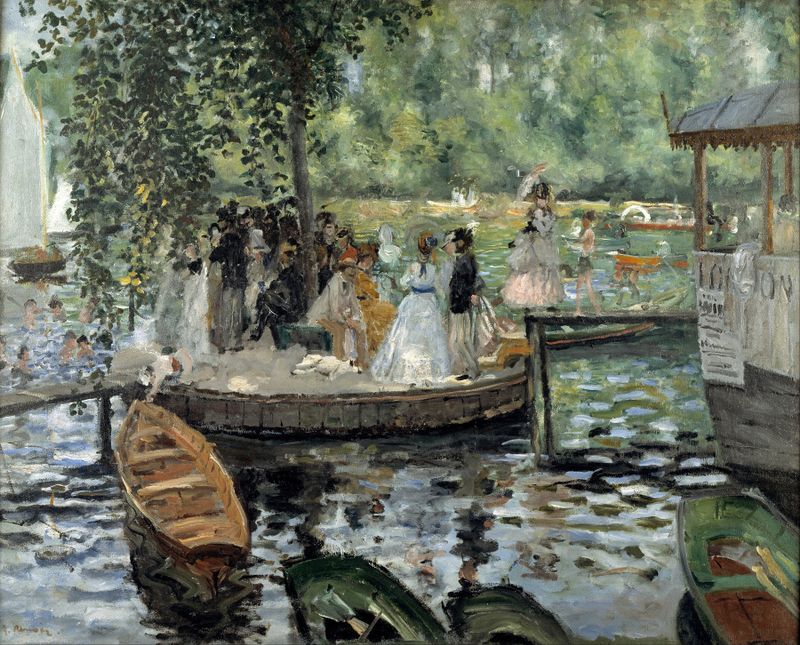
La Grenouillère
Pierre-Auguste Renoir
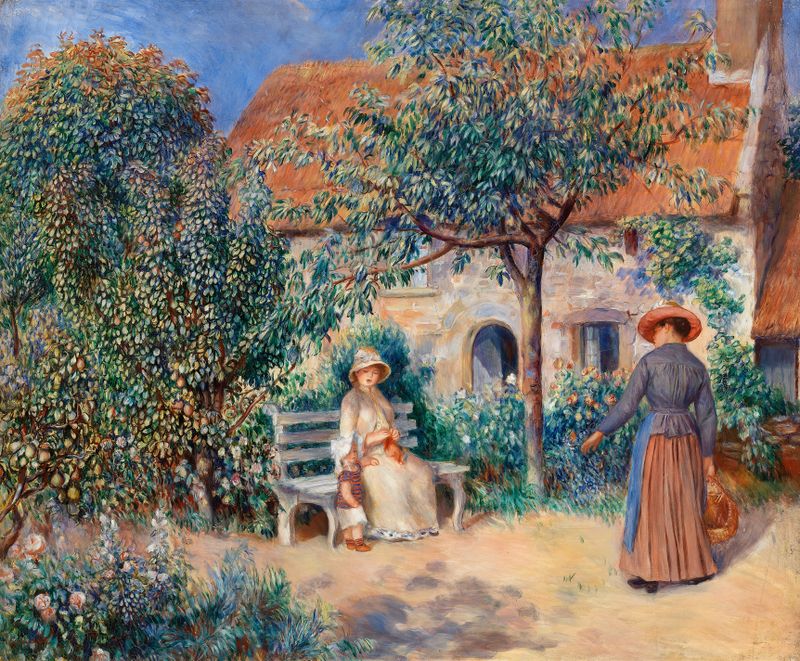
In Brittany (En Bretagne)
Pierre-Auguste Renoir
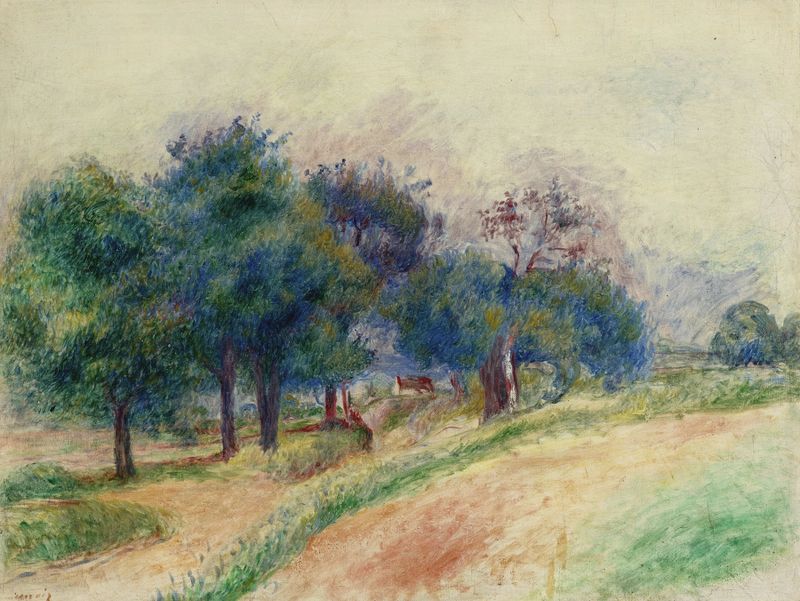
Paysage d’Essoyes
Pierre-Auguste Renoir





