
The Ballon of Guebwiller and the Lauch Lake — History & Facts
The first thing that seizes the eye in Roger Broders’ The Ballon of Guebwiller and the Lauch Lake is the bold, theatrical framing of tall, dark pines, their trunks slicing the view like stage curtains. Through this living proscenium, the landscape opens out in layers: a tranquil lake, its surface rendered in gentle gradients of blue and silver, and beyond it, the undulating slopes of the Vosges Mountains, each receding ridge softened by atmospheric blue. The composition draws the viewer’s gaze along the curve of the shore and up toward the distant, cloud-shadowed heights, inviting not just observation but entry into this serene, almost cinematic world.
Broders’ palette is carefully chosen—deep greens, cool blues, and the warm blush of sunlight on bark—balancing clarity with a sense of invitation, as if the scene waits just beyond the next train stop. This work belongs to the golden age of French travel posters, when railways commissioned artists to transform destinations into dreams. Created in 1930 and printed in Paris, this poster was part of a broader campaign to entice urban dwellers to the restorative landscapes of Alsace and Lorraine. Broders, renowned for his crisp lines and striking compositions, specialized in such images, which promised escape and modern comfort in equal measure.
History has kept few traces of the individual journeys these posters inspired, but their enduring appeal lies in how they distilled the spirit of an era—when travel was both an adventure and a mark of progress—into a single, unforgettable view. Let your eye linger on the painted trunks and distant haze, and you can almost hear the whistle of the approaching train.
More Artworks by Roger Broders
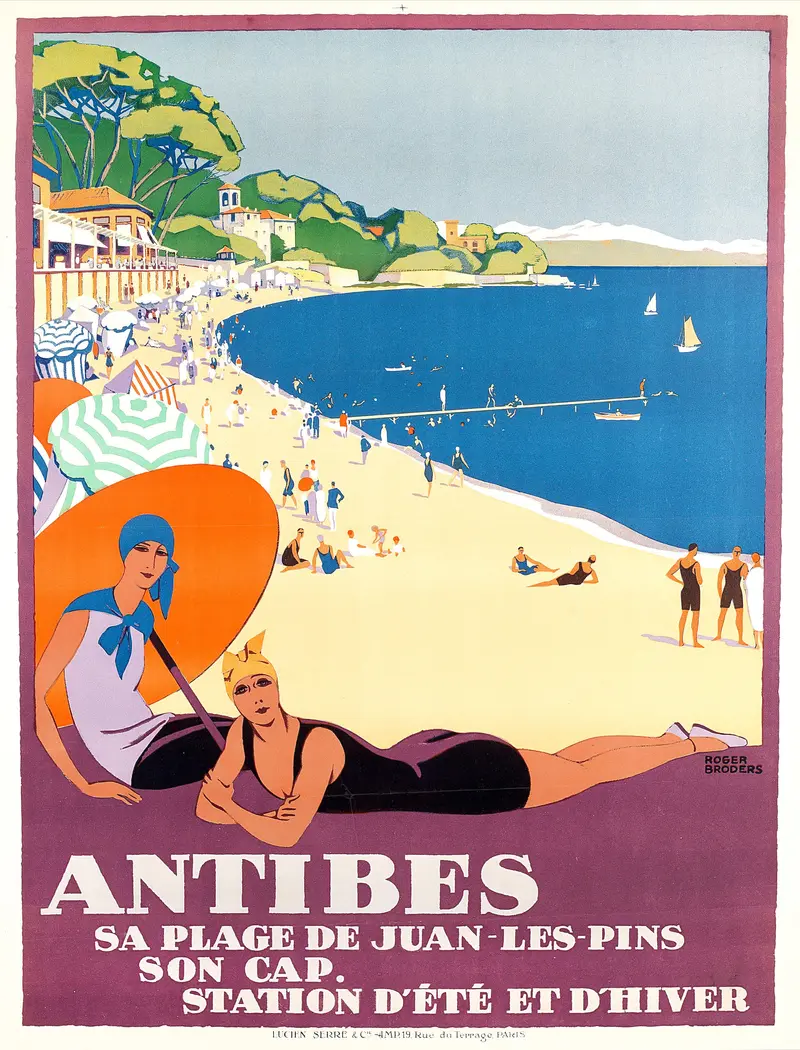
Antibes, sa plage de Juan-les-Pins
Roger Broders
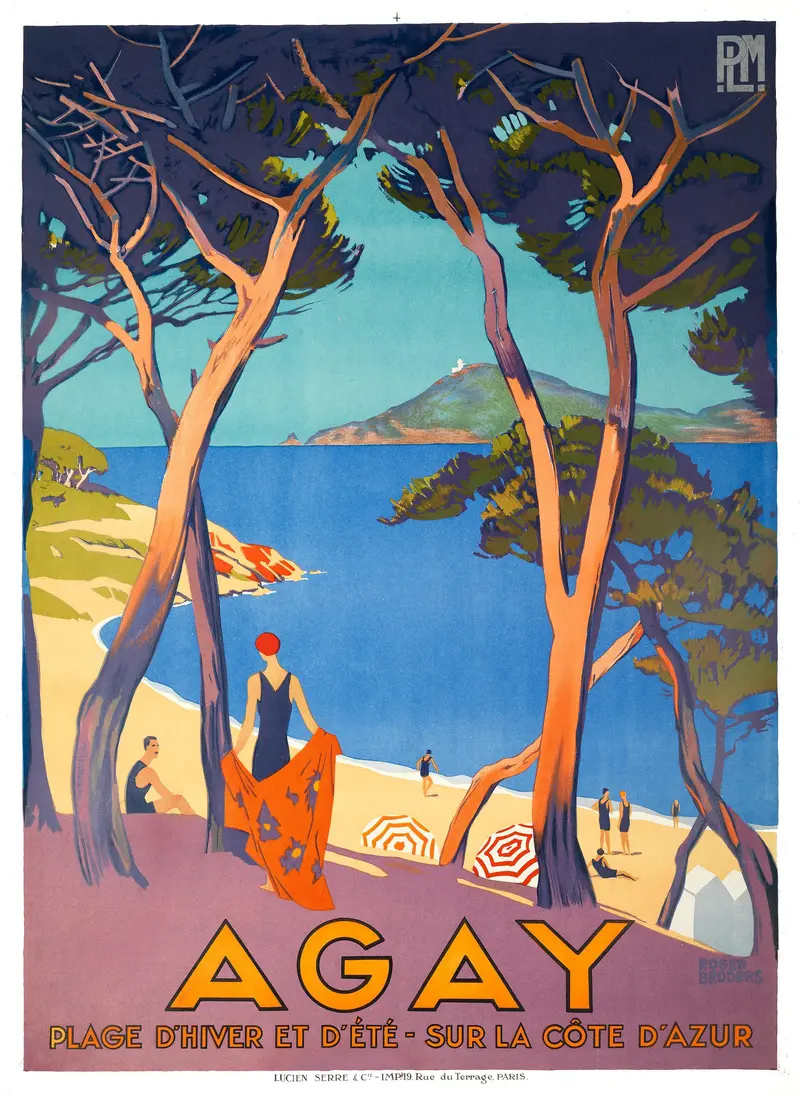
Agay, plage d'hiver et d'été
Roger Broders
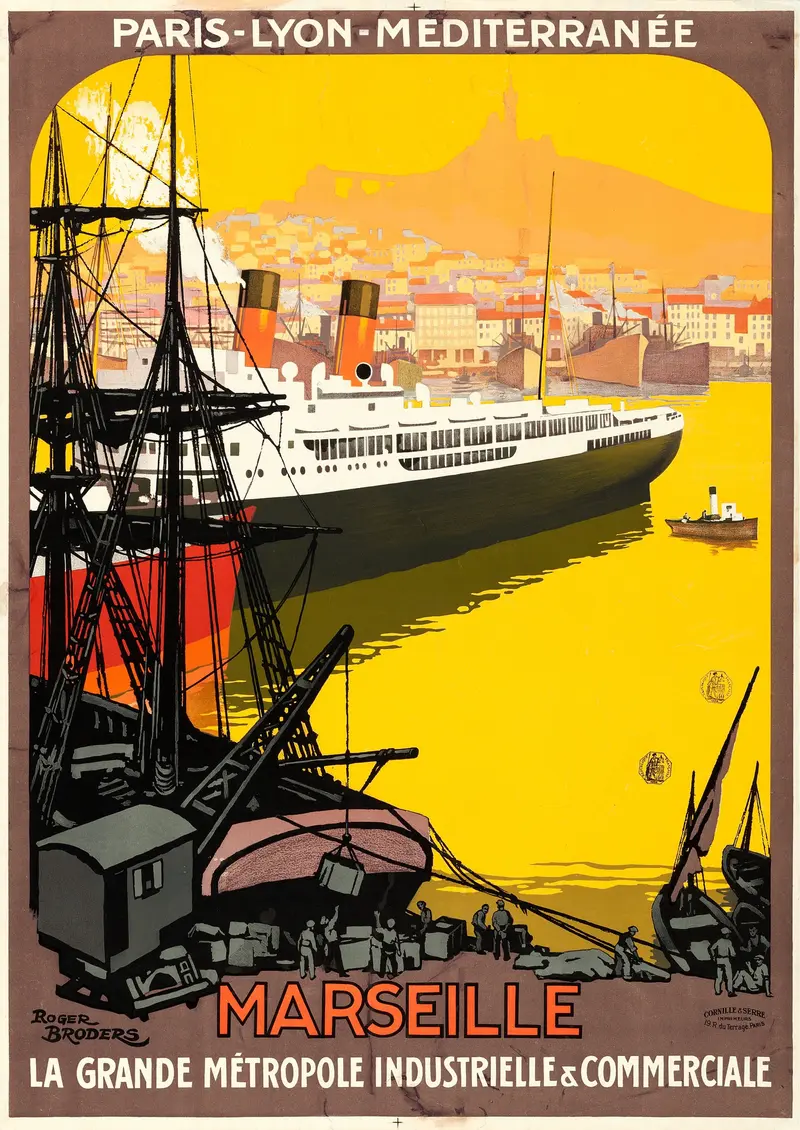
Marseille, la grande métropole industrielle et commerciale
Roger Broders
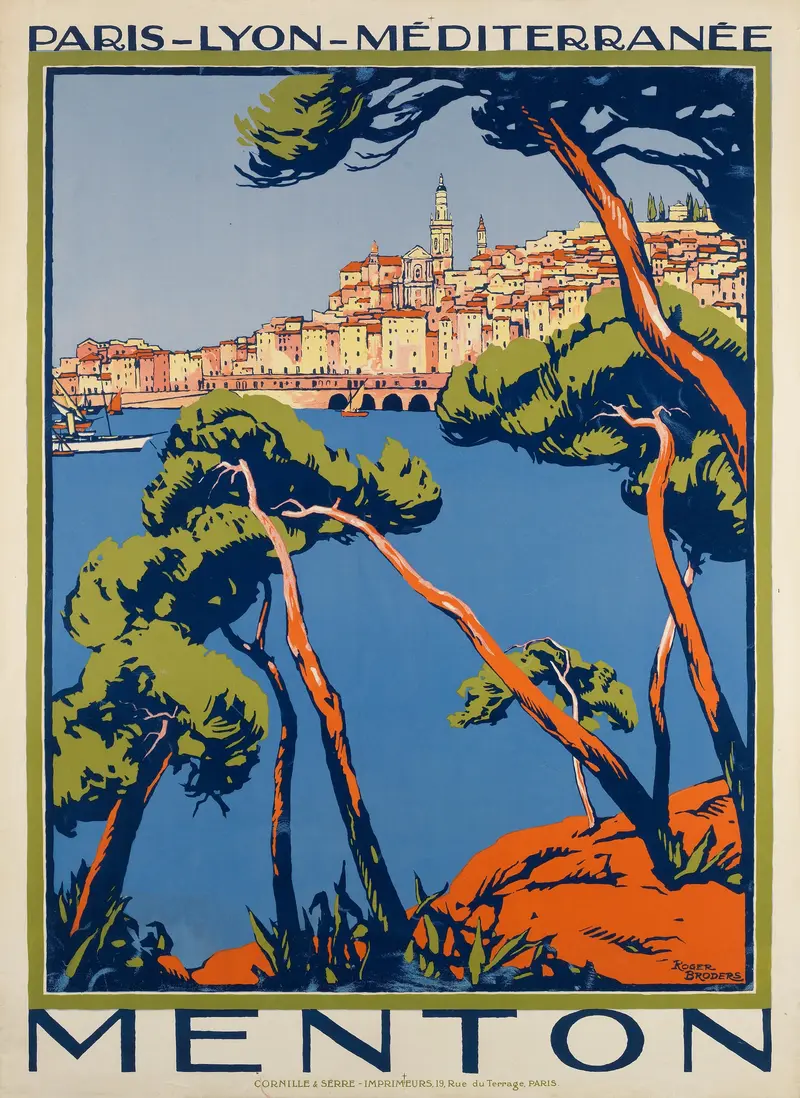
Menton
Roger Broders
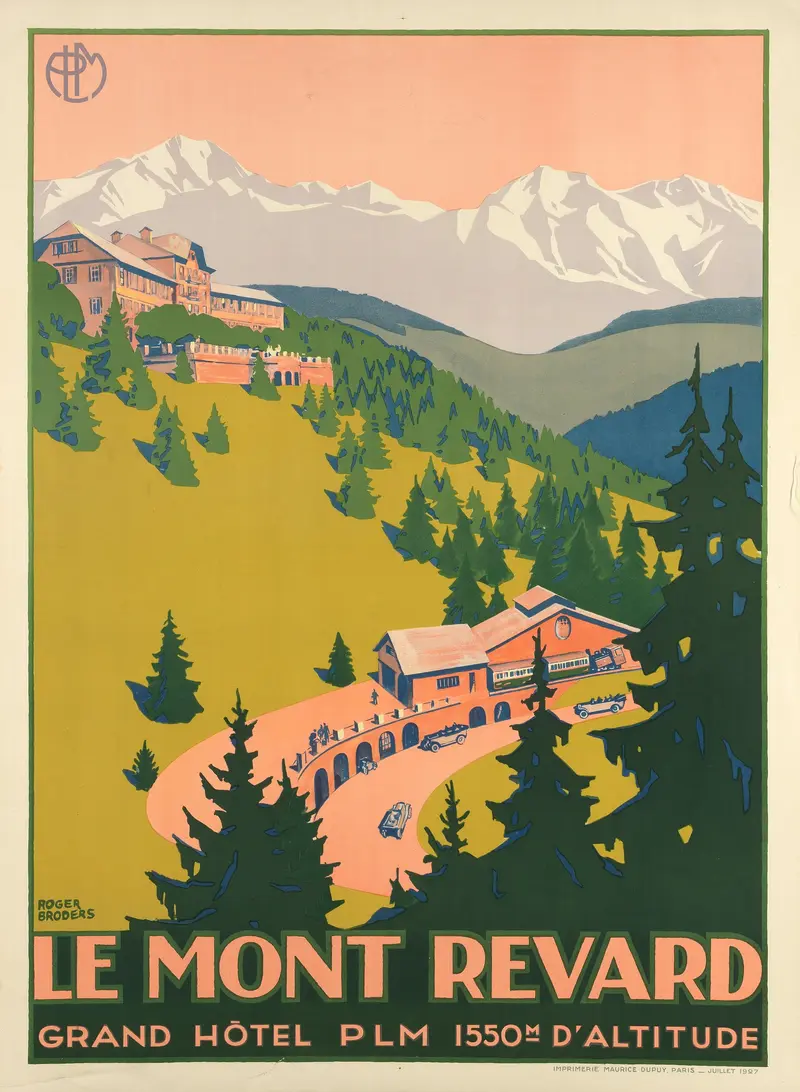
Le Mont Revard
Roger Broders
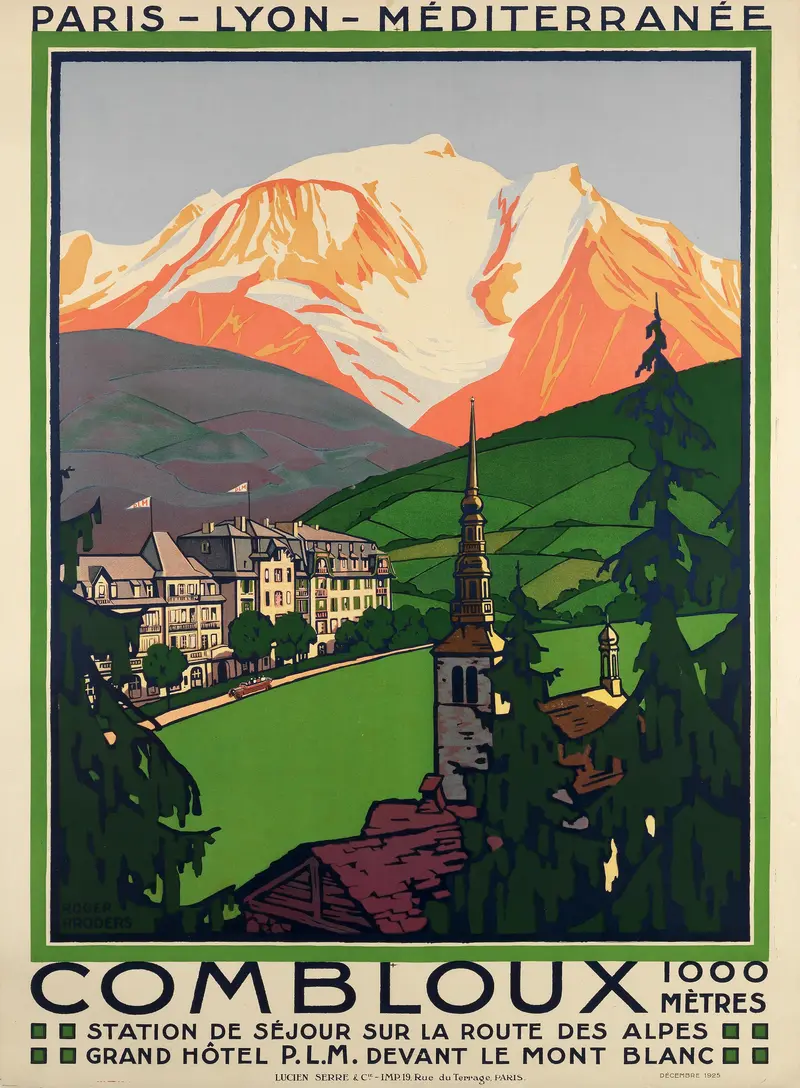
Combloux
Roger Broders
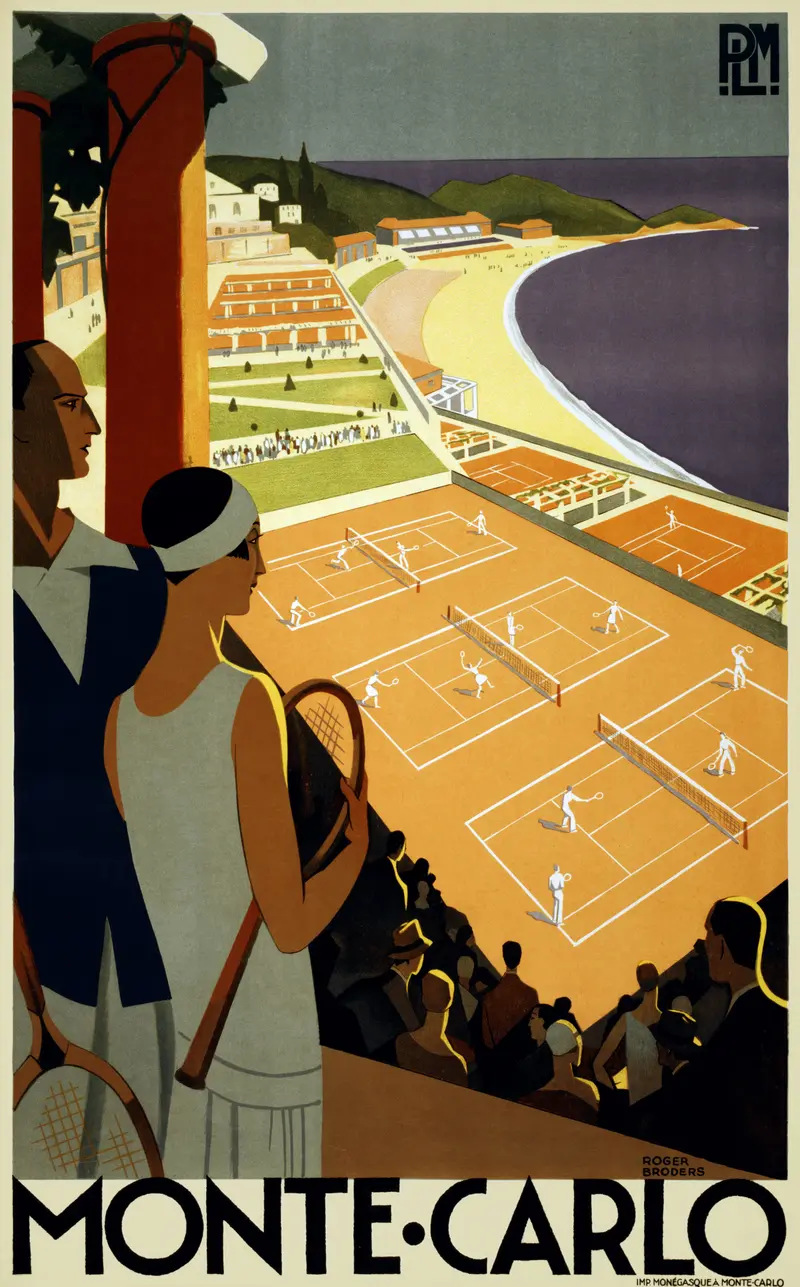
Monte-Carlo
Roger Broders
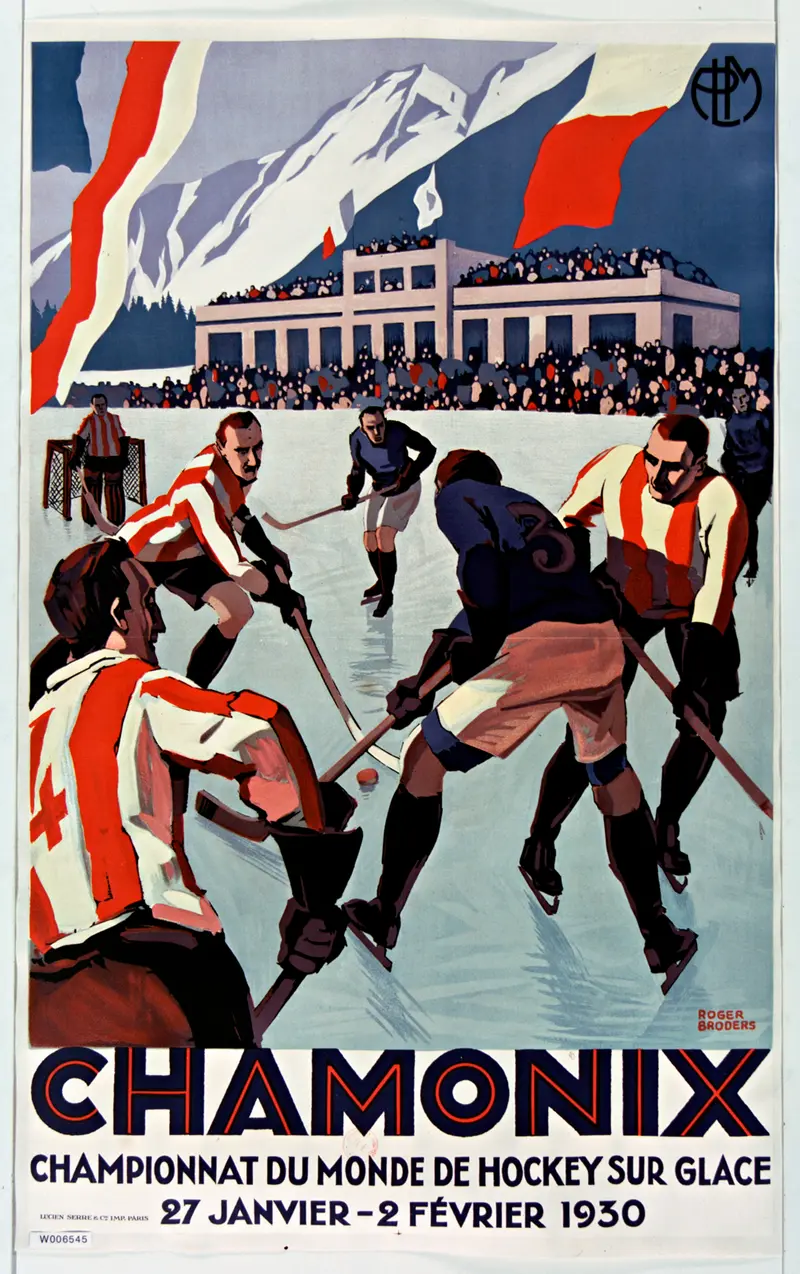
Chamonix, Championnat du monde de hockey sur glace 1930
Roger Broders
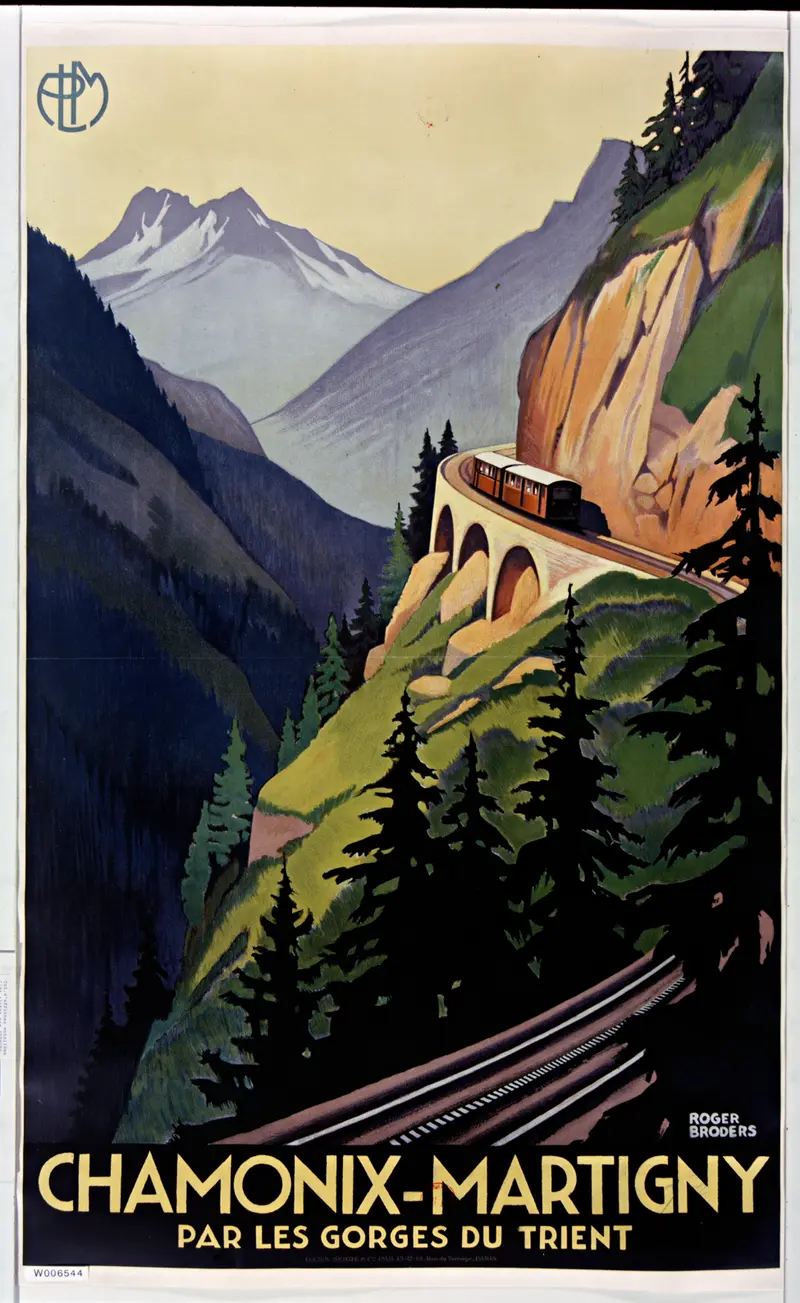
Chamonix-Martigny par les gorges du Trient
Roger Broders

La Chaîne du Mont-Blanc, l'Aiguille du Dru
Roger Broders
More Landscape Art

The Starry Night
Vincent van Gogh

View of Delft
Johannes Vermeer

Water Lilies
Claude Monet

The Grand Canal, Venice, looking north-west from the Ca' Corner to the Ca' Contarini degli Scrigni, with the campanile of Santa Maria della Carità
Canaletto

Windsor Castle
Canaletto

The Grand Canal looking North-East from the Palazzo Dolfin-Manin to the Rialto Bridge
Canaletto