
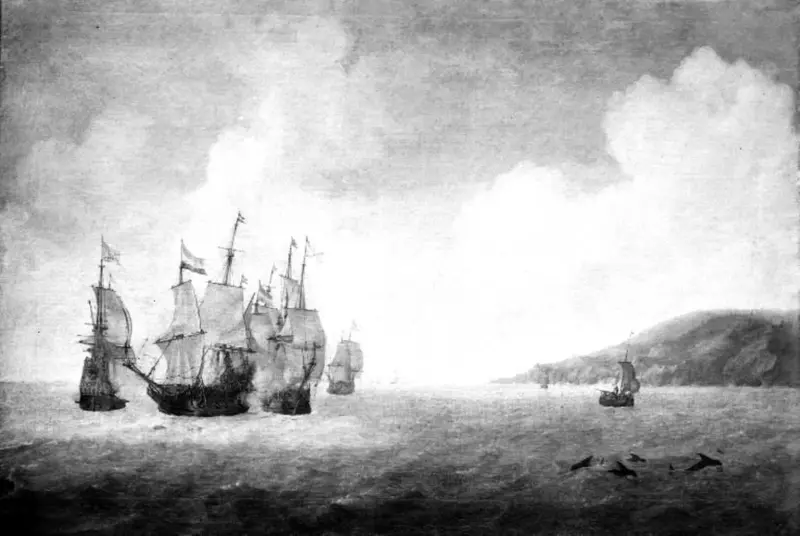
The Battle of the "Slaak", 1633, center panel — History & Facts
A wall of smoke and canvas dominates the scene, as if the very air is thick with the clash of nations. The drama unfolds across a churning expanse of water, where ships crowd so close that their rigging tangles and their hulls seem to jostle for space. Flags snap in the wind—some defiantly orange, white, and blue—marking allegiances as clear as the cannon fire that darkens the sky.
The painter has chosen a moment of chaos, but not confusion: each vessel is rendered with care, the angled masts and billowing sails guiding the eye from the foreground’s frantic skirmishers to the distant, smoke-shrouded horizon. Figures cling to decks, some firing, some fallen, while the water itself is streaked with the aftermath of battle. Painted in 1634 by Abraham de Verwer, this center panel of The Battle of the "Slaak" belongs to a world where the sea was both battlefield and lifeline. Dutch marine paintings of the seventeenth century were more than souvenirs—they were statements of civic pride, reminders of hard-won victories, and sometimes, tools of instruction for the regents and orphans whose lives were shaped by the tides of war.
This work, once housed in a regent’s chamber, speaks to a society that saw its fate reflected in the fortunes of its navy. The painter’s attention to the ships’ construction and the disciplined choreography of battle would have resonated with viewers who knew that the outcome of such clashes shaped the destiny of cities and families alike. Even now, the painting invites us to read the smoke, the flags, and the faces, searching for the outcome in the midst of the storm.
More Artworks by Abraham de Verwer

An Amsterdam East Indiaman
Abraham de Verwer
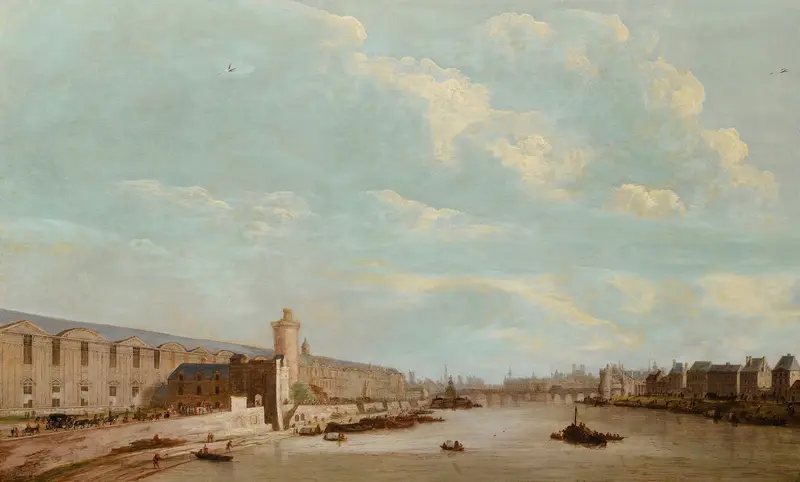
View of Paris from the Pont-royal with the Grande galerie du Louvre, the Pont-Neuf and the Nesle tower
Abraham de Verwer
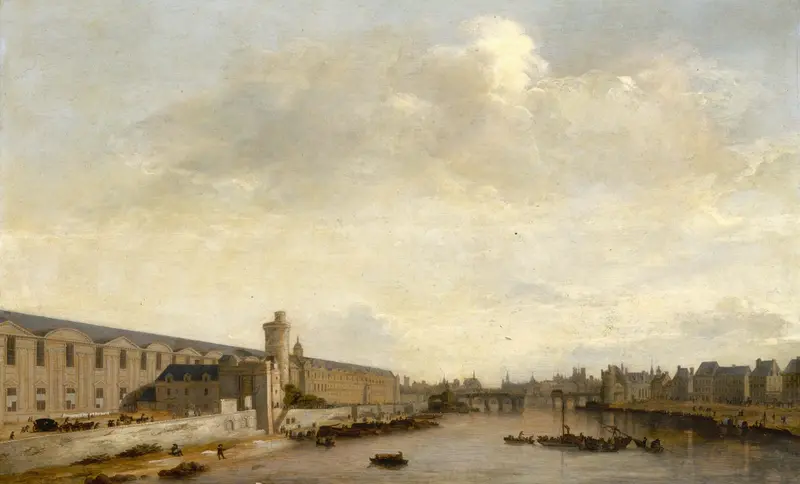
La Grande Galerie du Louvre, avec la porte Neuve et la tour de Bois
Abraham de Verwer
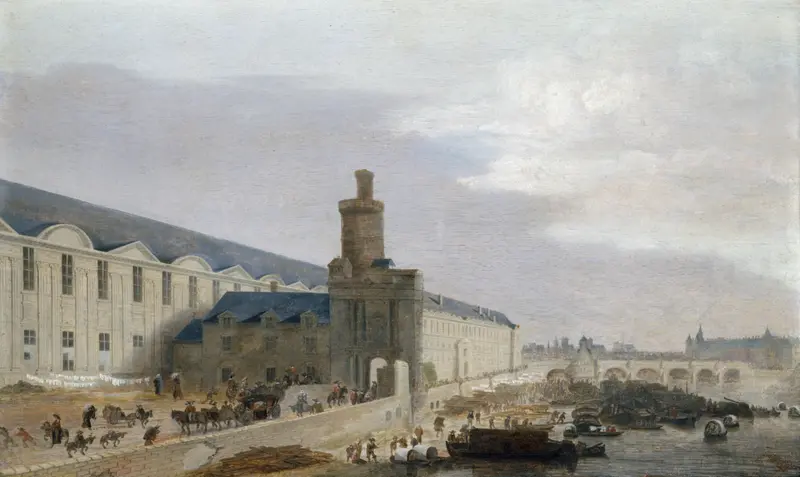
La Grande Galerie du Louvre avec la porte Neuve et la tour de Bois
Abraham de Verwer
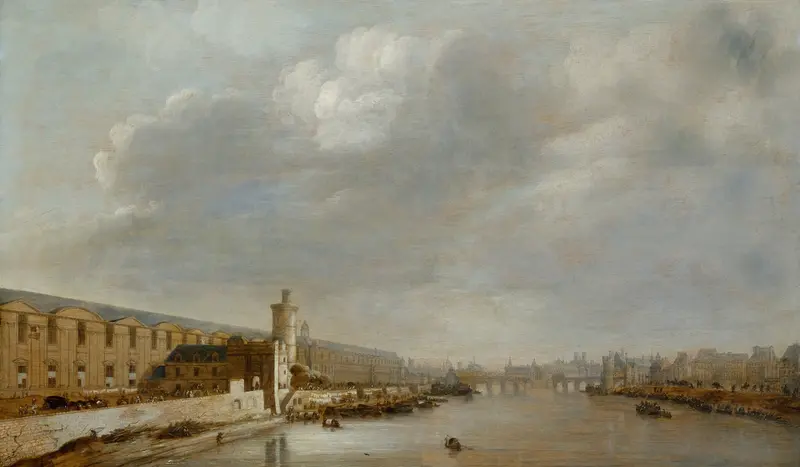
La Grande Galerie du Louvre avec la porte Neuve et la tour de Bois
Abraham de Verwer
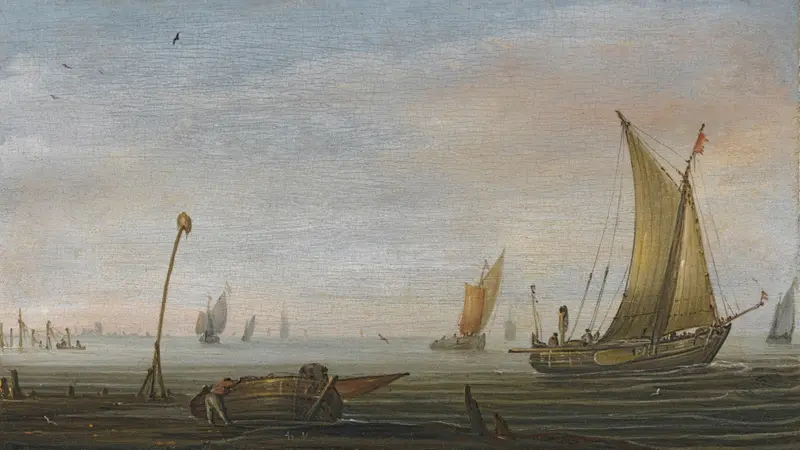
Small Vessels On The Zuider Zee
Abraham de Verwer
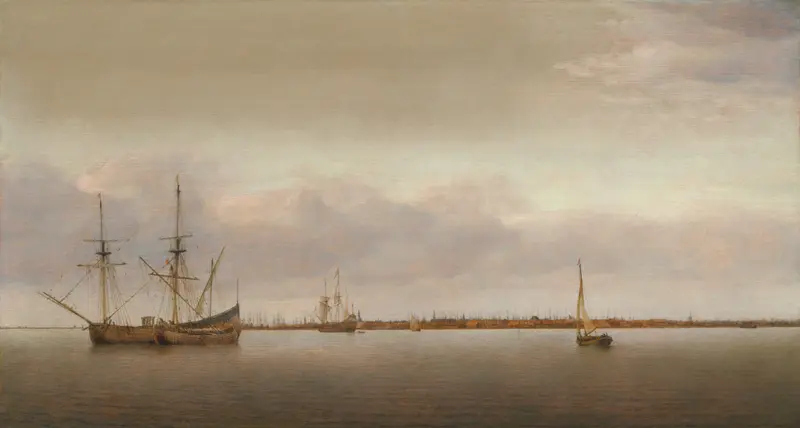
View of Hoorn
Abraham de Verwer
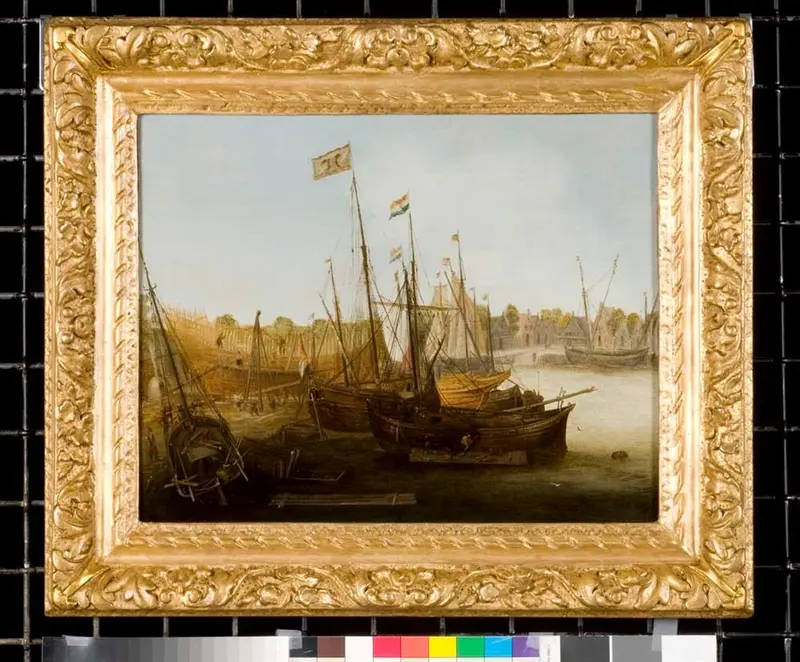
A shipyard with vessels being built
Abraham de Verwer
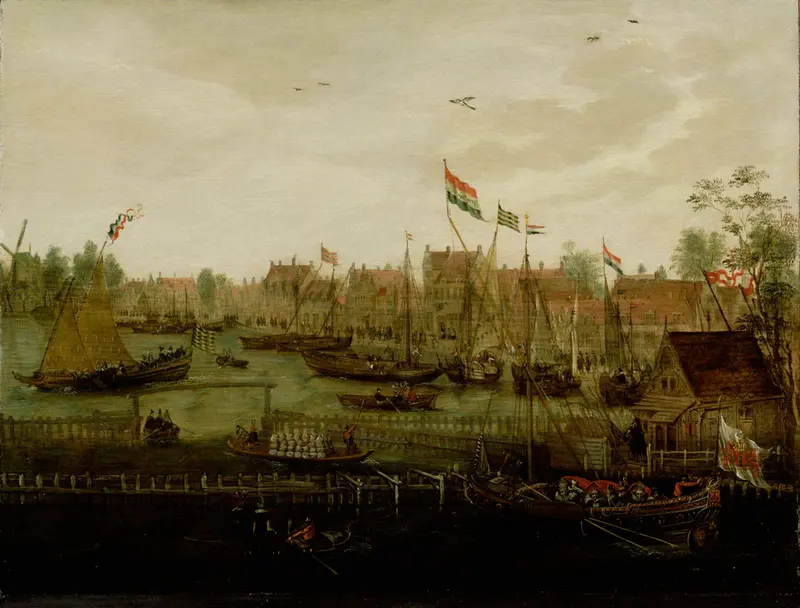
Gezicht vanaf de Blauwbrug over de Amstel-Schepen op de Amstel-View across the river Amstel from the Blauw Bridge
Abraham de Verwer
Naval Battle between Dutch and Spanish Ships of the Line
Abraham de Verwer





