
The Battle of the "Slaak" — History & Facts
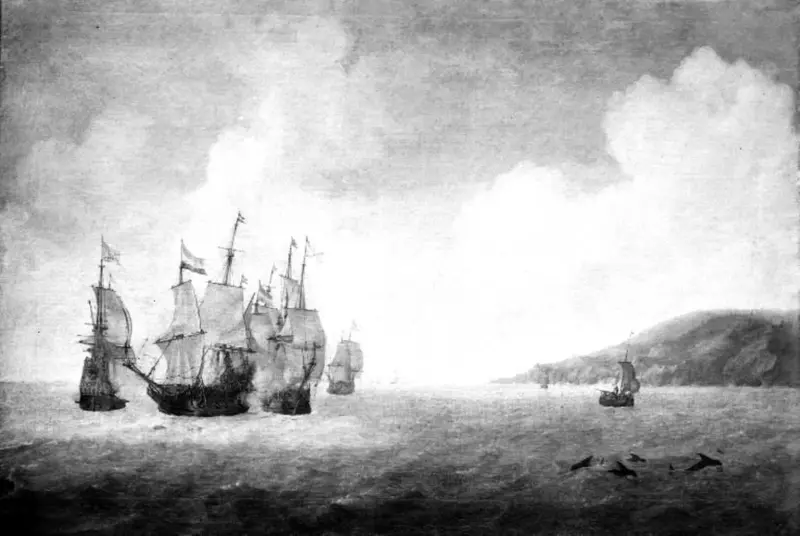
A forest of masts and fluttering pennants crowds the horizon, drawing the viewer into a world of wind, water, and war. The eye is pulled first to the intricate dance of ships, their sails billowing, some straining forward, others recoiling from the chaos of battle. The painter’s skill lies in the way the light glances off the choppy sea, catching the white spray and the bright flags that signal allegiance and command.
Smoke curls from cannon fire, drifting across the surface and blurring the boundary between sky and water, while the low vantage point lets the drama unfold beneath a vast, restless sky. Every detail—a vessel heeling away, a lifeboat tossed in the waves—serves to heighten the sense of urgency and confusion, inviting the viewer to imagine the sounds and shouts lost to history. Painted in 1634, this seascape belongs to a moment when the Dutch Republic’s fortunes were made and lost on the water. The genre of the zeegezicht, or marine painting, flourished in this era, as the Netherlands asserted itself as a maritime power and citizens sought images that celebrated naval victories and the nation’s prowess.
Works like this often found their way into regents’ chambers or the halls of civic institutions, reminders of collective achievement and the perils faced by those at sea. This painting’s documented connection to a regent’s room and an orphanage hints at its role as both commemoration and lesson—a visual testament to courage, sacrifice, and the unpredictable forces that shaped Dutch society. Even now, the painting’s energy and detail reward a second look, inviting us to read the waves and rigging for stories of ambition and survival.
More Artworks by Abraham de Verwer

An Amsterdam East Indiaman
Abraham de Verwer
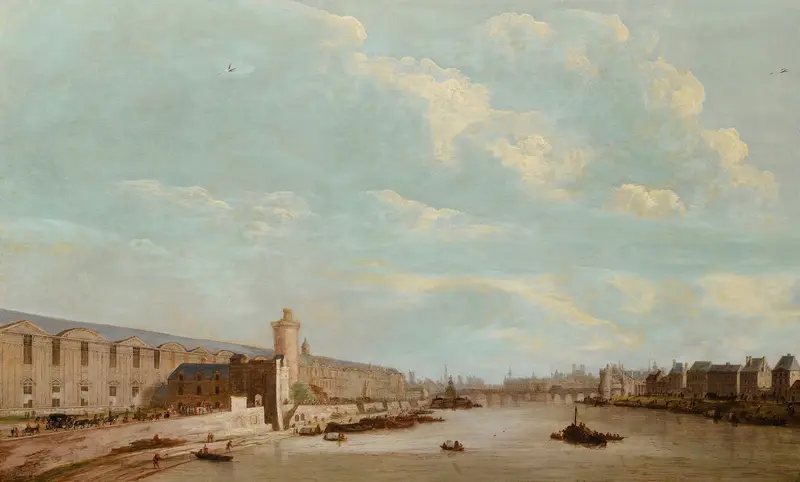
View of Paris from the Pont-royal with the Grande galerie du Louvre, the Pont-Neuf and the Nesle tower
Abraham de Verwer
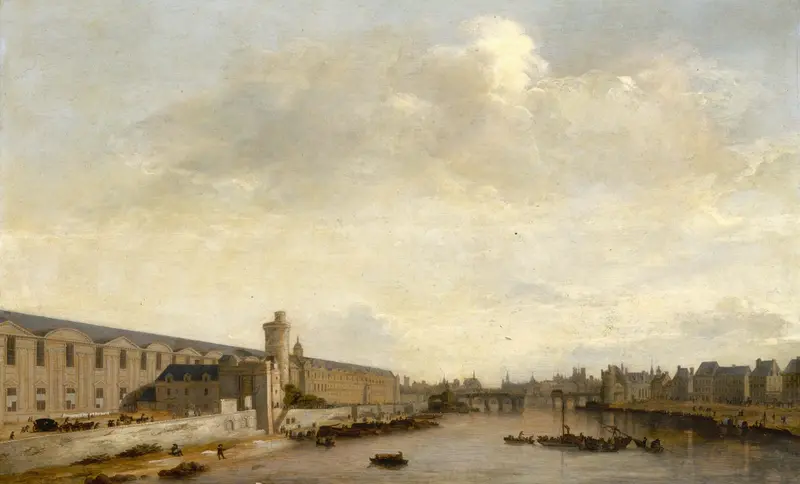
La Grande Galerie du Louvre, avec la porte Neuve et la tour de Bois
Abraham de Verwer
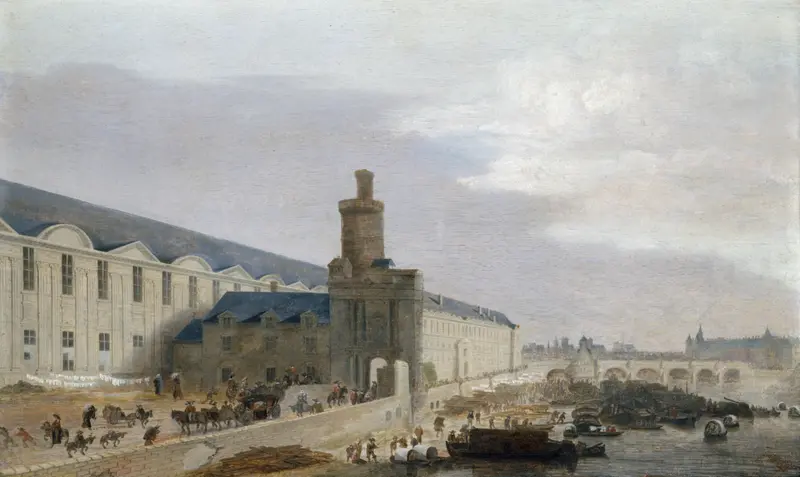
La Grande Galerie du Louvre avec la porte Neuve et la tour de Bois
Abraham de Verwer
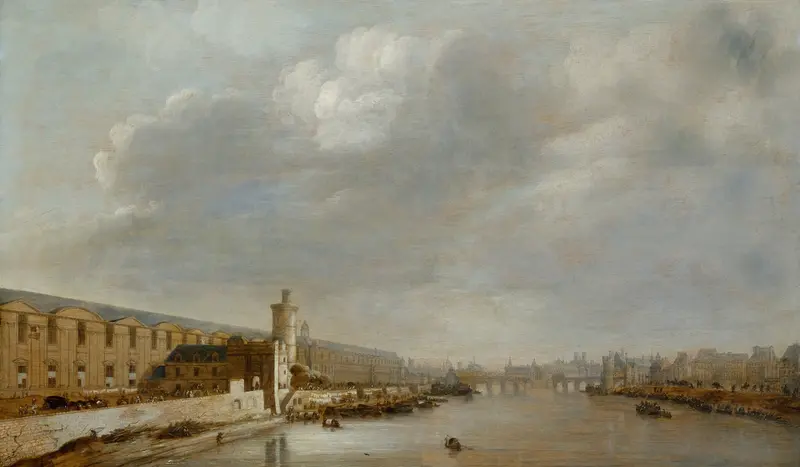
La Grande Galerie du Louvre avec la porte Neuve et la tour de Bois
Abraham de Verwer
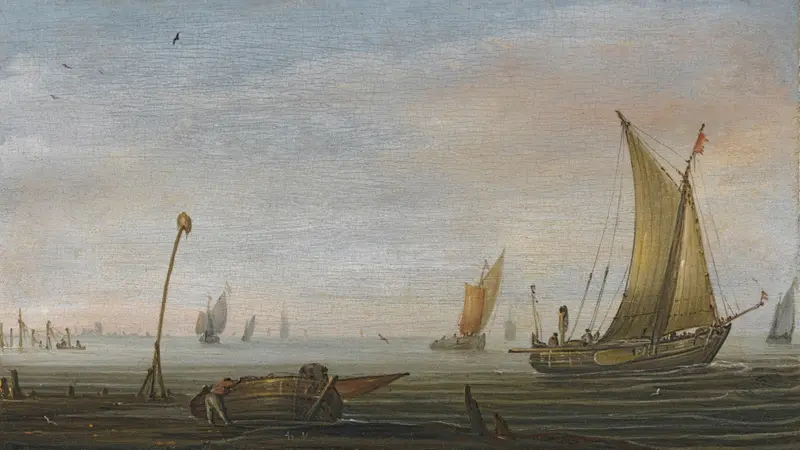
Small Vessels On The Zuider Zee
Abraham de Verwer
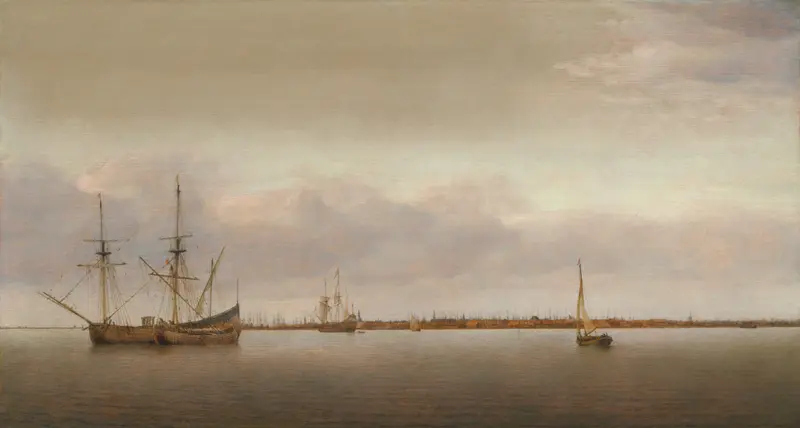
View of Hoorn
Abraham de Verwer
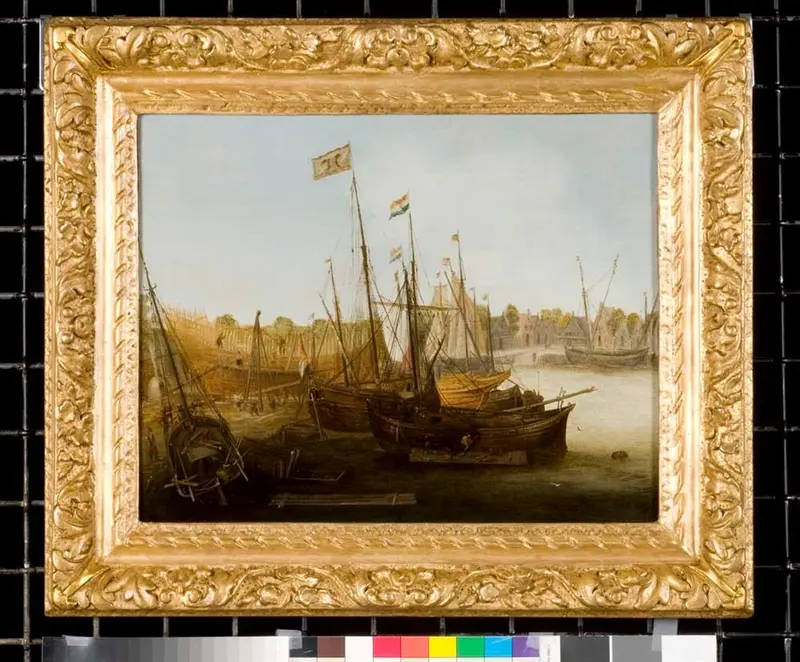
A shipyard with vessels being built
Abraham de Verwer
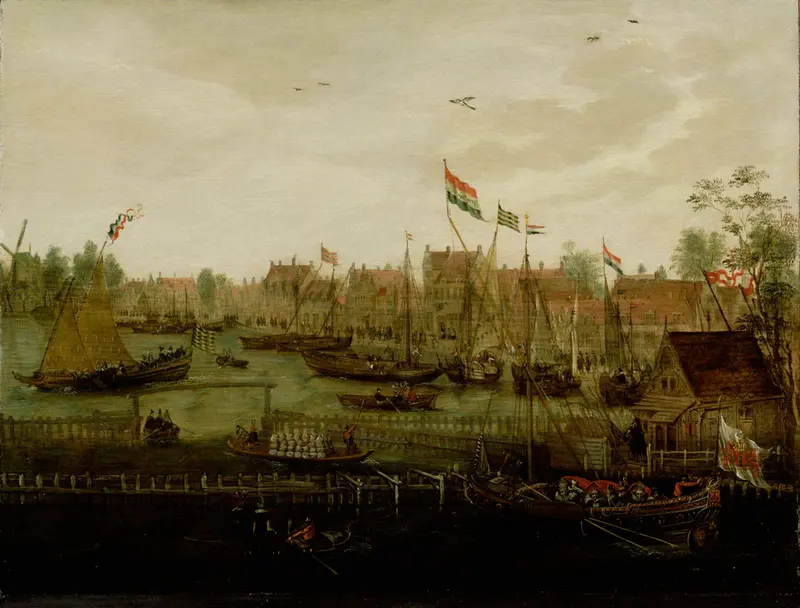
Gezicht vanaf de Blauwbrug over de Amstel-Schepen op de Amstel-View across the river Amstel from the Blauw Bridge
Abraham de Verwer
Naval Battle between Dutch and Spanish Ships of the Line
Abraham de Verwer





