
The Battlefield at Marathon — History & Facts
The sun hovers low over the horizon, casting a golden light on the undulating hills of Marathon, where warriors prepare for an impending clash. A sense of determination hangs in the air as men clad in armor tighten their grips on shields and spears, their faces etched with a mix of resolve and trepidation. The landscape itself seems to hold its breath, a silent witness to the drama about to unfold. Look to the left of the canvas, where the sweeping lines of the terrain draw your gaze toward the figures poised for battle.
The vibrant greens of the hills contrast sharply with the warm earth tones of the soldiers' garb, while the sky is awash with hues of orange and pink, suggesting both the beauty of dawn and the violence that is to come. The careful brushwork captures the texture of the grass and the glint of metal, inviting viewers to immerse themselves in this pivotal moment of history. Beneath the surface, the painting speaks to the duality of human existence—faith and fear entwined in the hearts of these warriors. The tension between the serene beauty of the landscape and the dark clouds of conflict looming overhead creates a profound sense of impending doom.
Each figure, representing not just an individual but a collective hope, embodies the struggle between glory and sacrifice, reminding us of the weight that faith carries in moments of desperation. In 1849, the artist found himself exploring themes of heroism and national identity in the wake of political upheaval in Germany. Living in Munich, Rottmann was influenced by the Romantic movement, which sought to intertwine nature with the human experience. His focus on ancient Greek history in works like this one reflects both an admiration for classical ideals and a yearning to connect with a deeper, universal struggle.
More Artworks by Carl Rottmann
Browse all →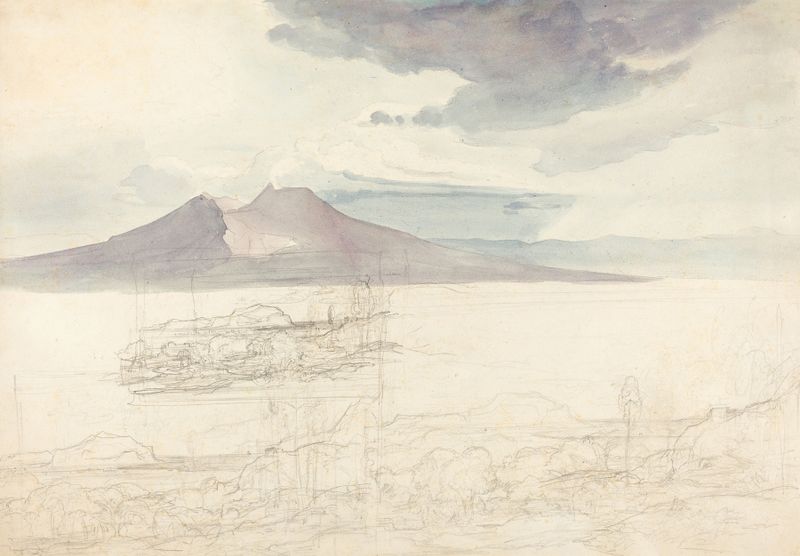
Panoramic Views of Vesuvius and Monte Pellegrino
Carl Rottmann
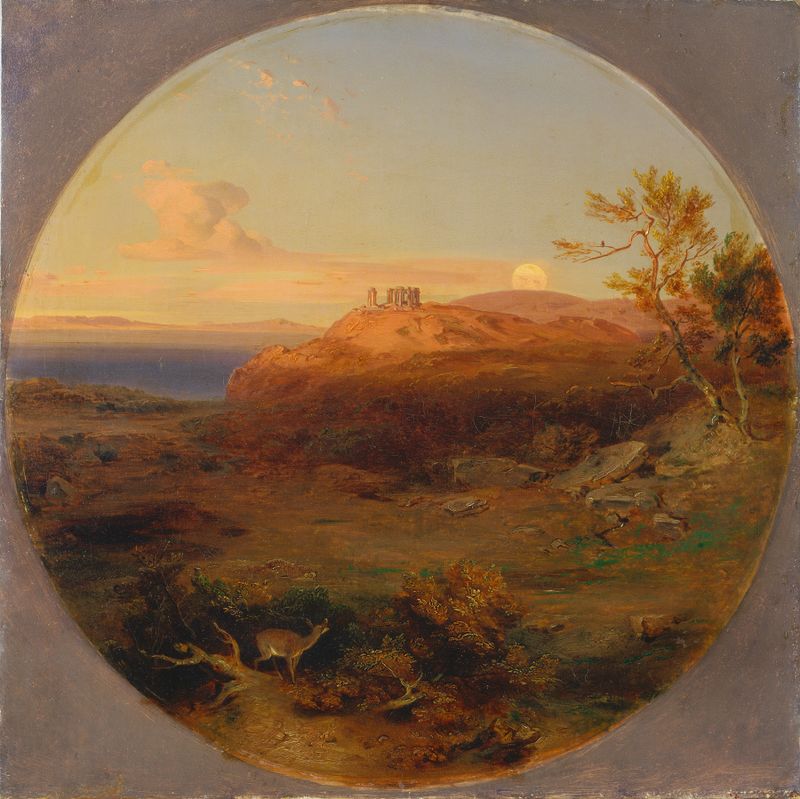
Greek Landscape on the Island of Aegina
Carl Rottmann
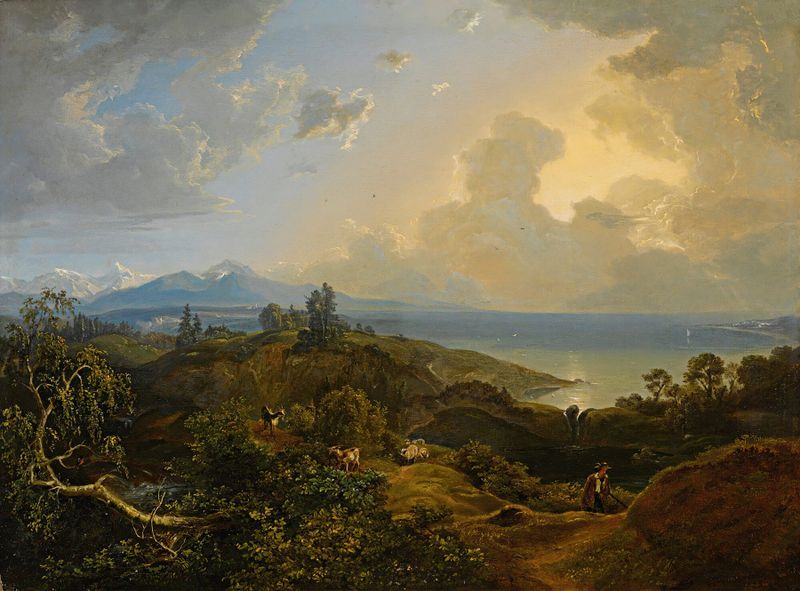
An extensive landscape in Bavaria or the Salzkammergut
Carl Rottmann
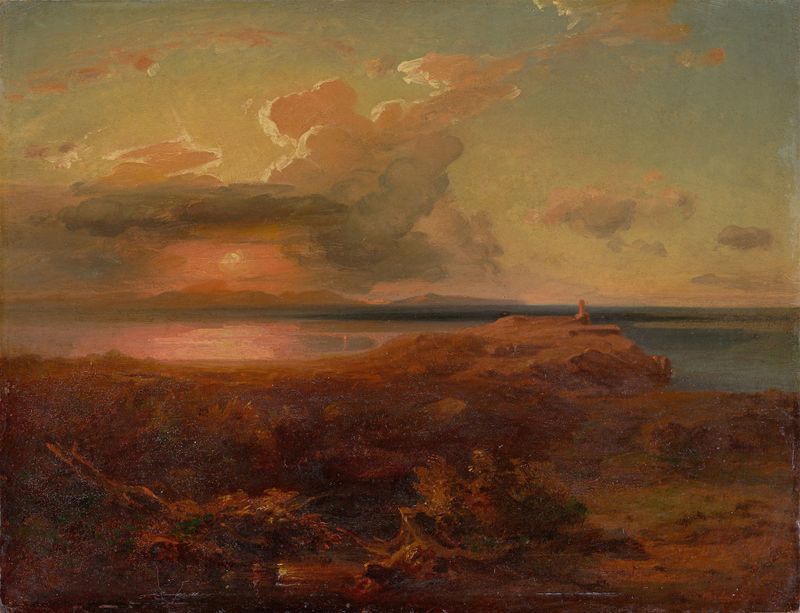
Ägina mit dem Apollotempel
Carl Rottmann

Landscape
Carl Rottmann

Die Insel Ägina mit den Ruinen des Hekatetempels
Carl Rottmann
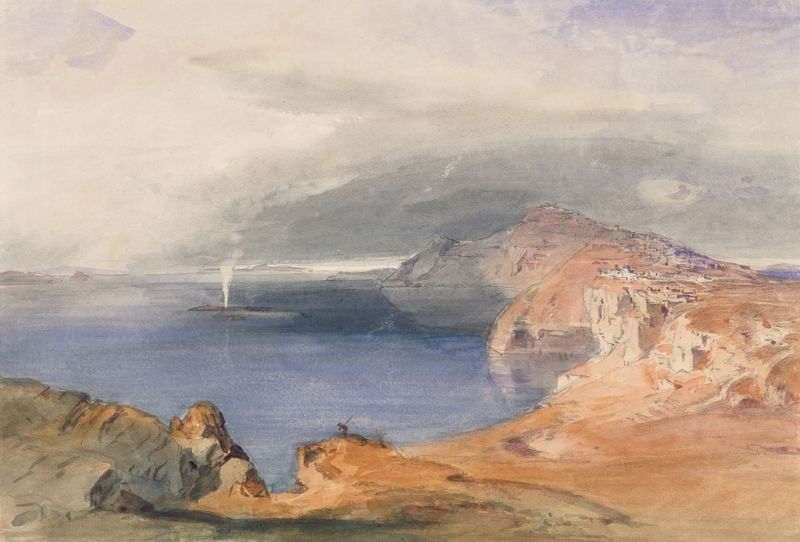
Santorini (Thira)
Carl Rottmann

Athens, seen from the well
Carl Rottmann
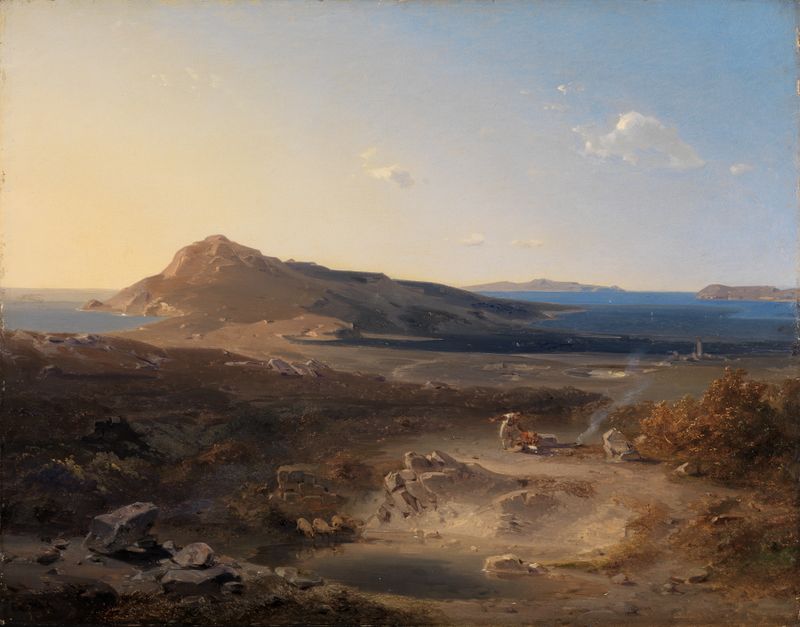
Die Insel Delos
Carl Rottmann

Olympia
Carl Rottmann
More Historical Art
Browse all →
The Night Watch Militia Company of District II under the Command of Captain Frans Banninck Cocq
Rembrandt van Rijn

Lincoln Memorial
Henry Bacon

The Third of May 1808
Francisco de Goya

Isaac and Rebecca, Known as ‘The Jewish Bride’
Rembrandt van Rijn

The Charge of the Mamelukes (1814)
Francisco de Goya

De vier ruiters van de apocalyps
Albrecht Dürer