
The Bay of Tunis, Morning — History & Facts
In the gentle embrace of morning light, a sense of melancholy envelops the quiet bay, whispering stories of tranquil yet unfulfilled dreams. This poignant stillness captures the soul of a moment, inviting us to linger in the beauty and sorrow intertwined within the canvas. Look to the horizon where the soft, hazy blue of the sky meets the shimmering waters. The delicate strokes of Lavery's brush create a seamless blend of colors, inviting the eye to trace the gentle waves dancing beneath the sun.
Notice how the light falls upon the distant boats, illuminating their forms as they float serenely, while the nearby shoreline is bathed in warm, golden hues. Each detail—a tender reflection in the water, a whisper of cloud—calls forth a sense of nostalgia and longing. Delve deeper into the composition, where contrasts abound. The vibrant colors of the landscape juxtapose the subdued tones of the sky, echoing the dual nature of hope and sorrow.
The presence of empty vessels hints at stories untold, capturing an essence of abandonment yet simultaneously inviting contemplation. This interplay of elements evokes a bittersweet harmony, as viewers grapple with their own emotions mirrored in the scene. Created in 1919, this piece emerged during a transformative period for Sir John Lavery, who was grappling with the aftermath of World War I. At the time, he was situated in a world longing for peace and renewal, reflecting the collective melancholy of a society in search of solace.
The bay, a subject of profound beauty, serves as a canvas for both personal and universal exploration, encapsulating the artist’s own journey through art.
More Artworks by Sir John Lavery
Browse all →
On The Sands
Sir John Lavery

The Beach, Tangier
Sir John Lavery

Evening, The Bay Of Tunis
Sir John Lavery

Tangier bay at night
Sir John Lavery
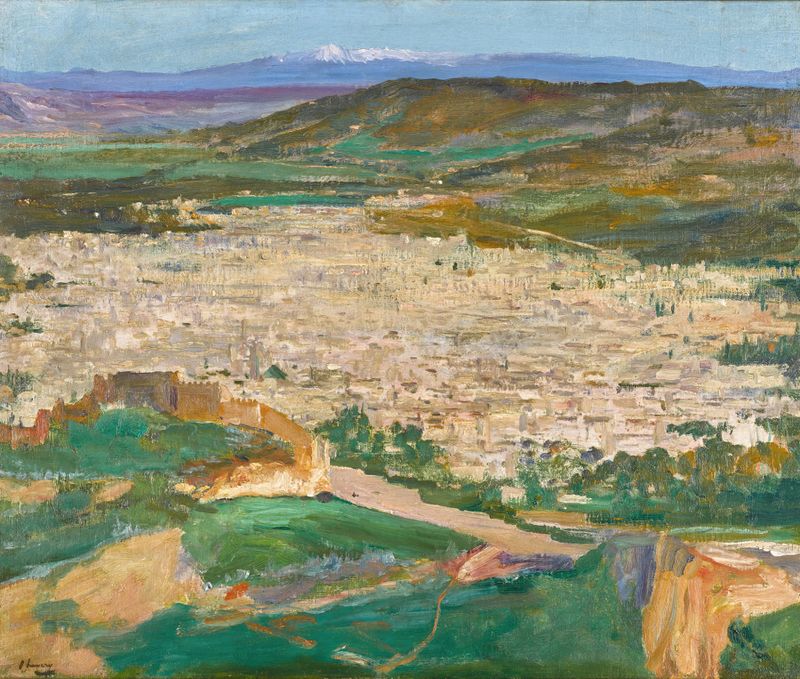
A View of Fez
Sir John Lavery
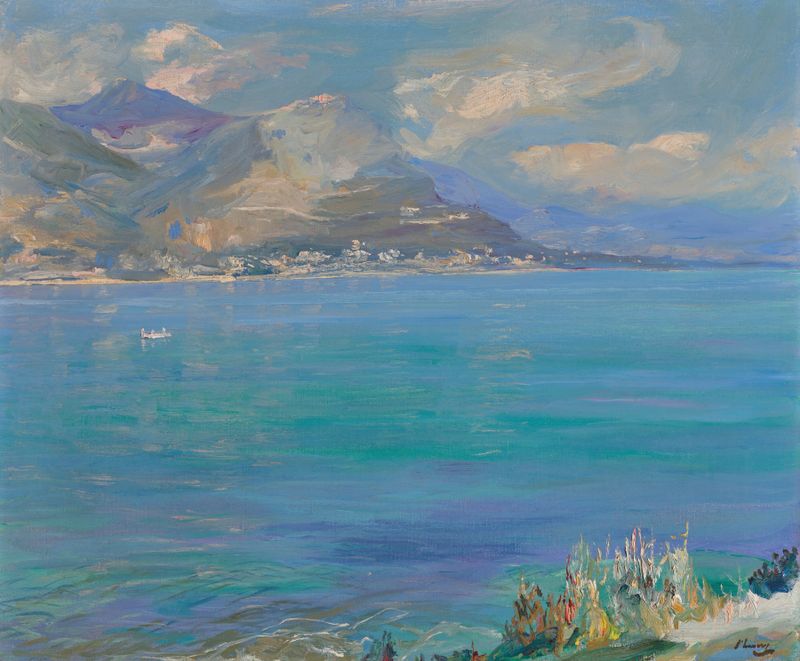
Beaulieu
Sir John Lavery
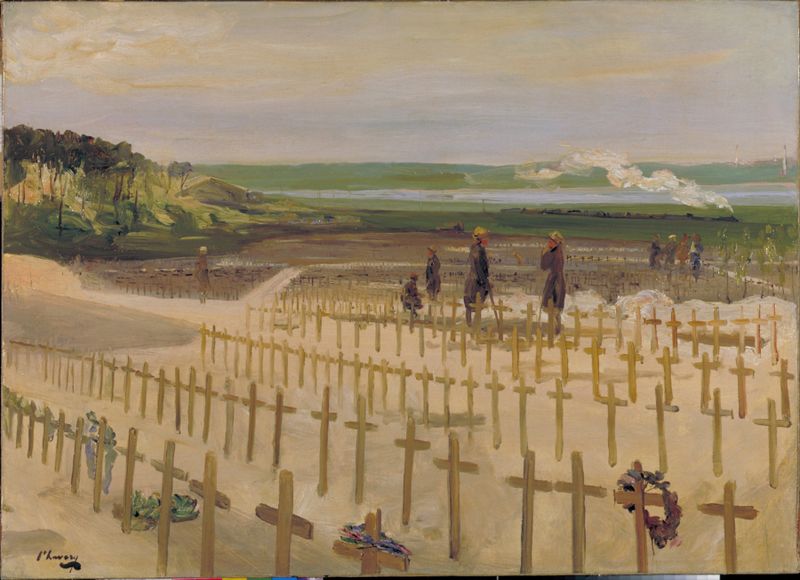
The Cemetery, Etaples, 1919
Sir John Lavery
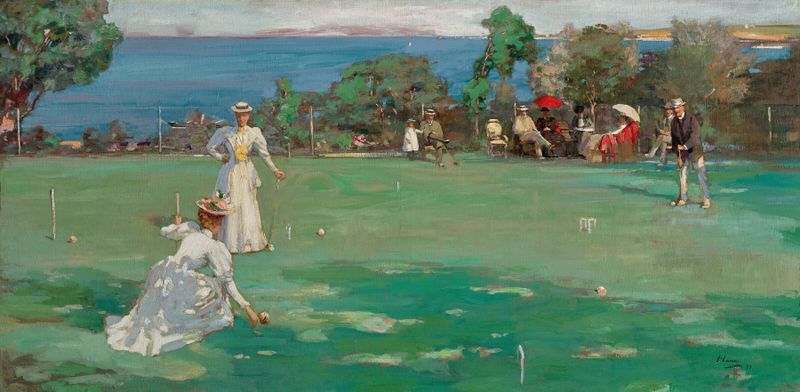
The Croquet Party
Sir John Lavery
Chiswick Baths
Sir John Lavery

Hounslow
Sir John Lavery





