
The Black Cat (Edgar Allan Poe) — History & Facts
The first thing to seize the viewer is the hypnotic symmetry: a black cat, luminous-eyed and bristling, perches atop a woman’s pale, mask-like face. The cat’s claws press into her hair, a silent threat, while its wild, almost demonic gaze dominates the upper half of the image. The woman’s features are closed, her eyes mere outlines, her expression unreadable—caught between sleep and surrender.
The stark contrast between the ink-black animal and the ghostly, almost unfinished human form pulls the eye upward, making the cat not just a companion but a force of possession or fate. Every line here is deliberate, every blank space as loaded as the inked ones. Created in 1894, this drawing by Aubrey Beardsley belongs to the feverish world of late nineteenth-century illustration, where Symbolist and Decadent artists blurred the boundaries between nightmare and beauty. Such works often accompanied literature—here, the title nods to Edgar Allan Poe, whose tales of guilt and the supernatural haunted the era’s imagination.
Beardsley’s style, with its sinuous lines and fearless use of black, was both scandalous and influential, shaping the look of books, magazines, and posters for a generation. Today, this piece is preserved thanks to the Metropolitan Museum of Art’s open access project, yet its origins and intended purpose remain as enigmatic as the cat’s stare—inviting us to look again, and wonder what lies beneath the surface.
More Artworks by Aubrey Beardsley

The Dream
Aubrey Beardsley
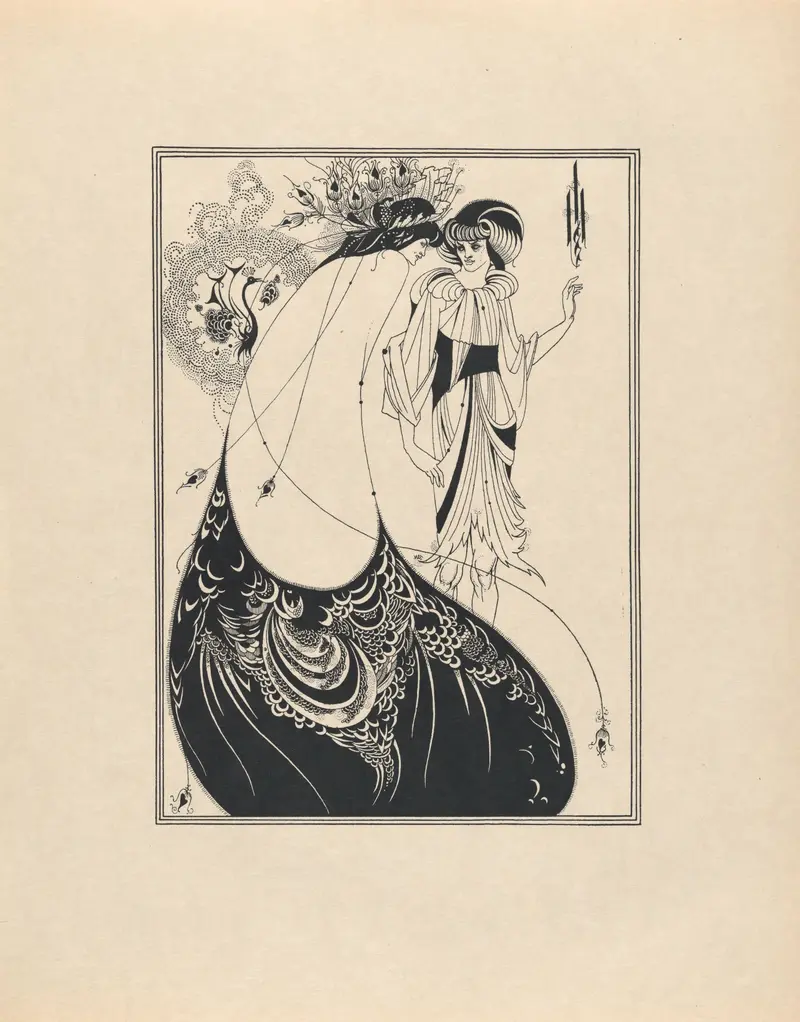
The Peacock Skirt
Aubrey Beardsley
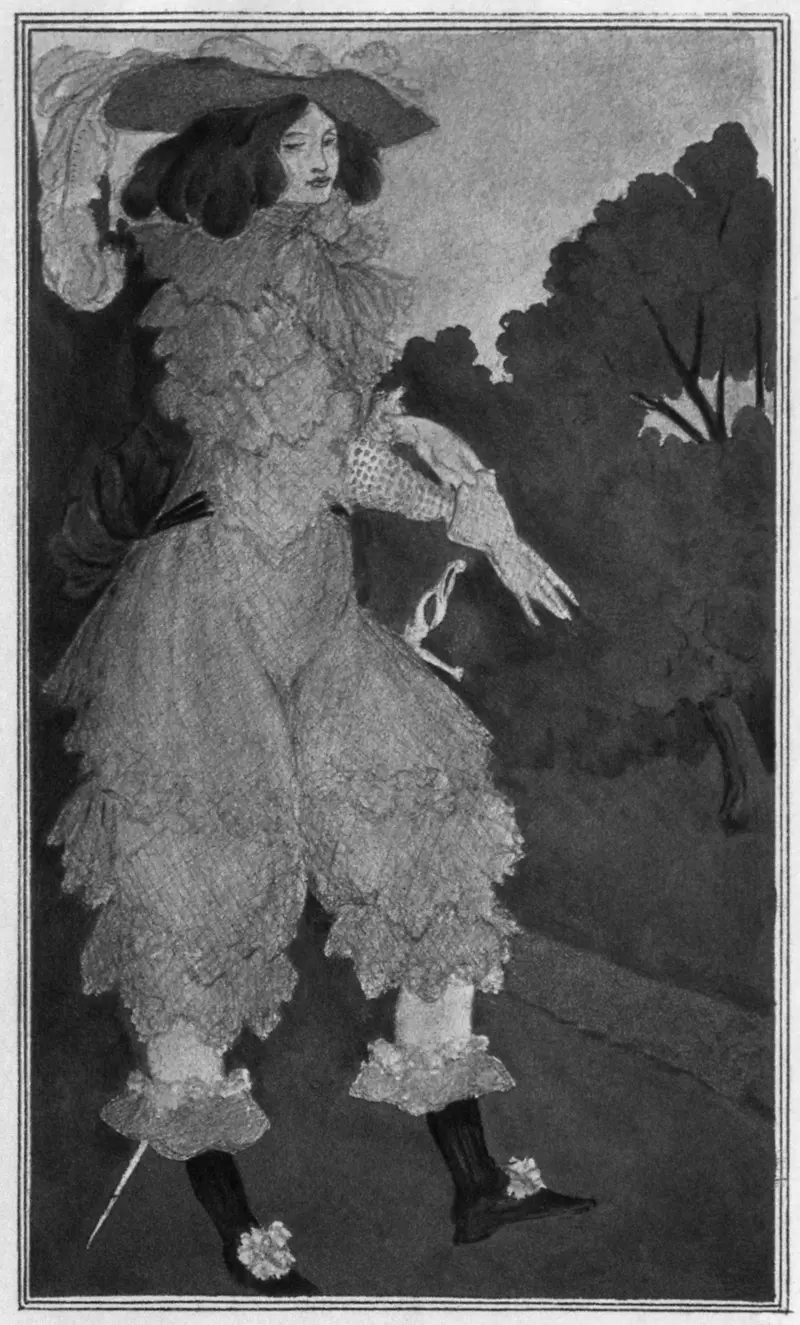
Mademoiselle de Maupin
Aubrey Beardsley
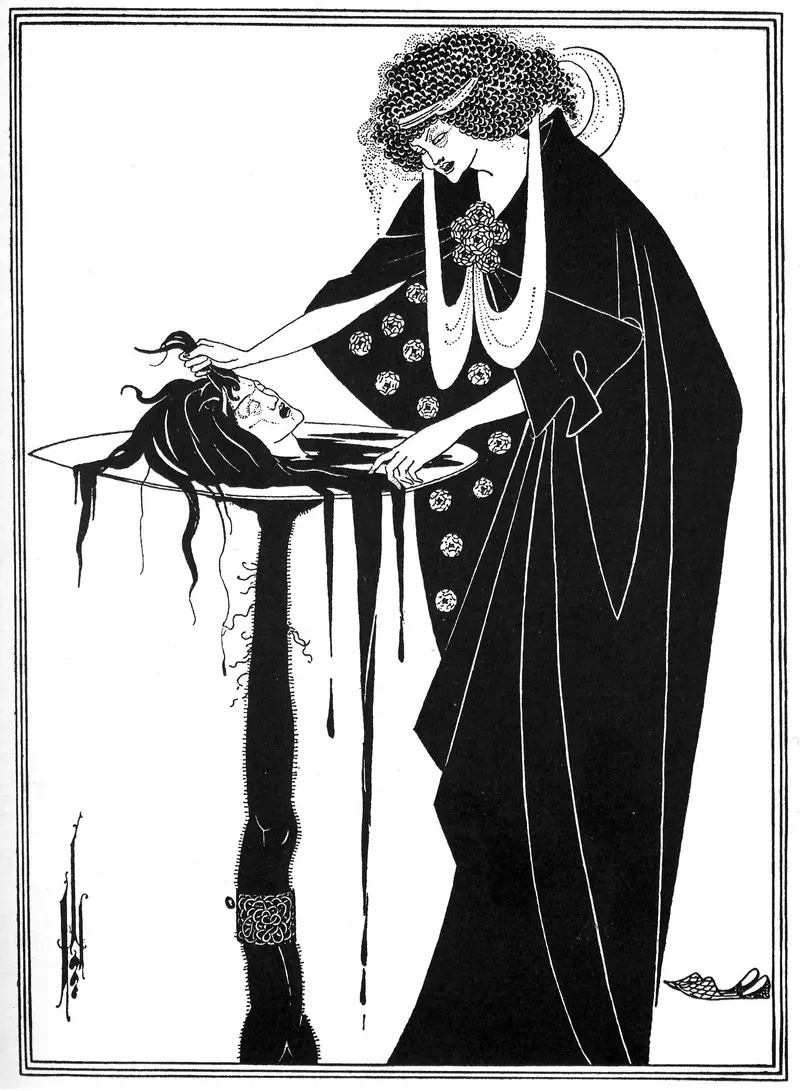
The Dancer's Reward (Salome)
Aubrey Beardsley
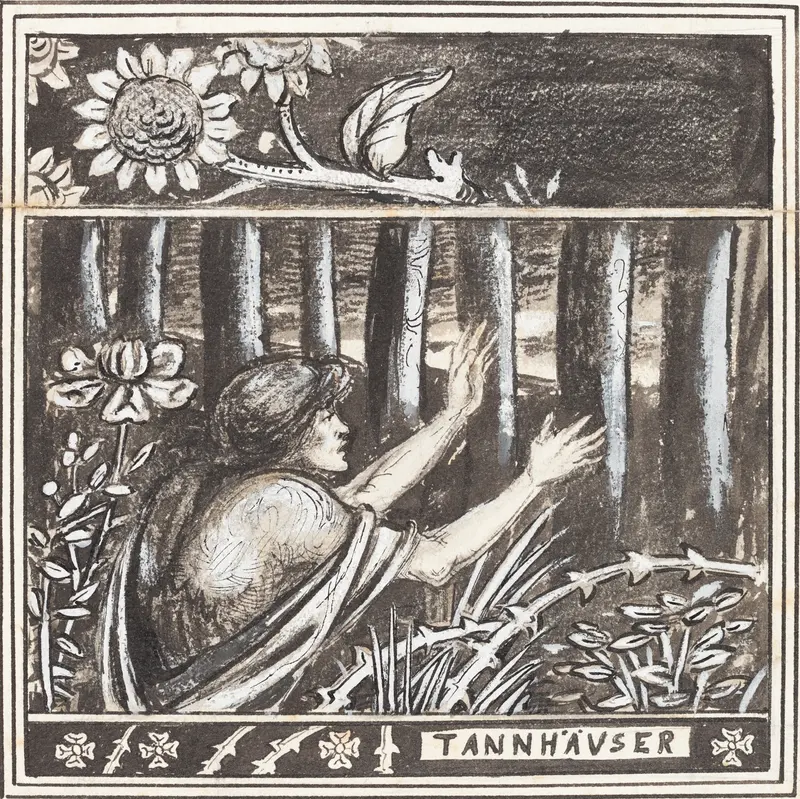
Tannhäuser
Aubrey Beardsley
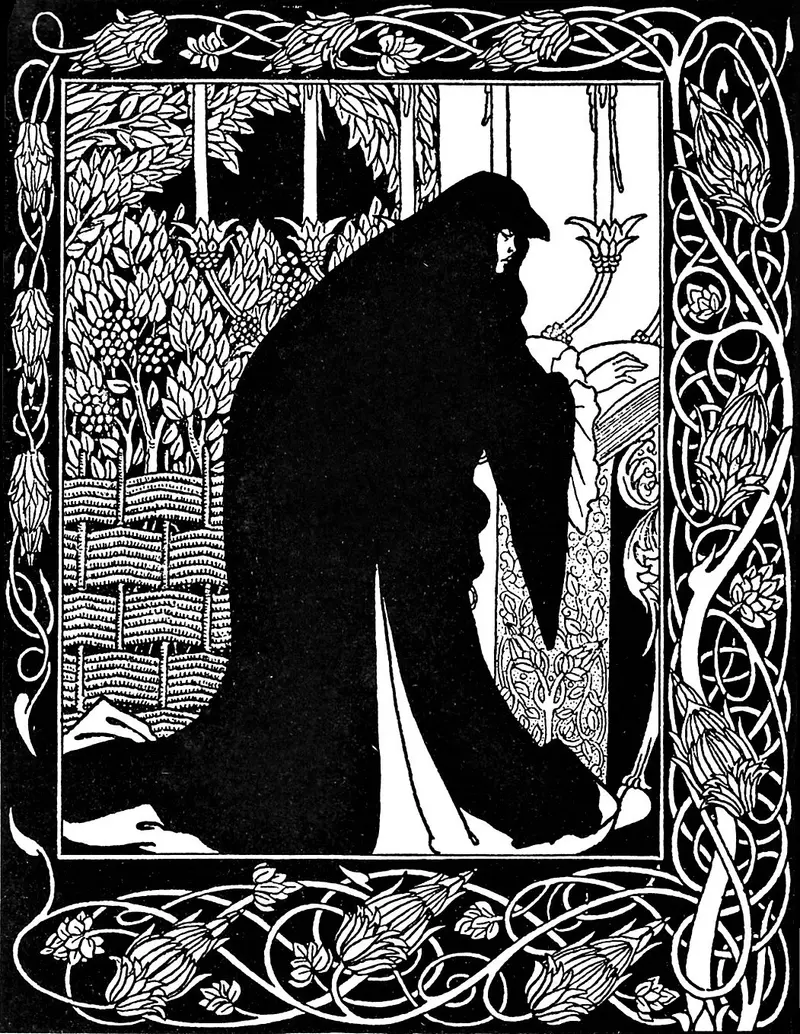
Queen Guenever, a Nun at Almesbury (Le Morte d'Arthur)
Aubrey Beardsley
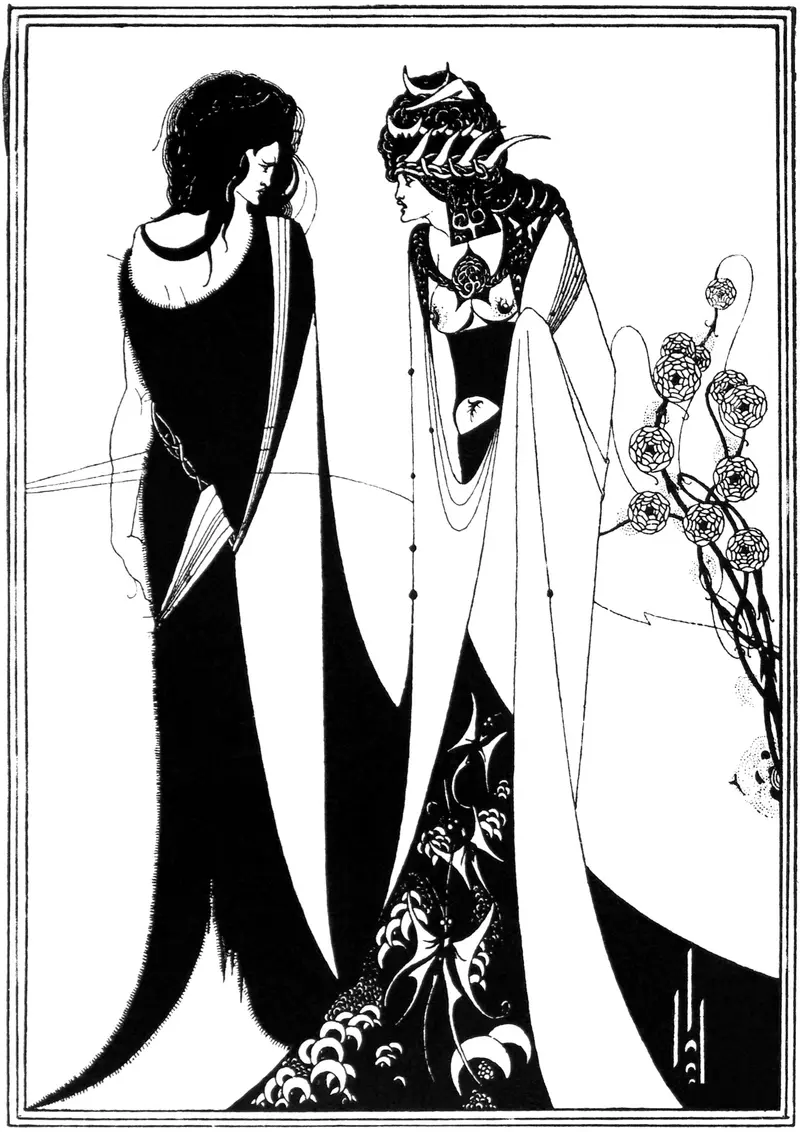
John and Salome
Aubrey Beardsley
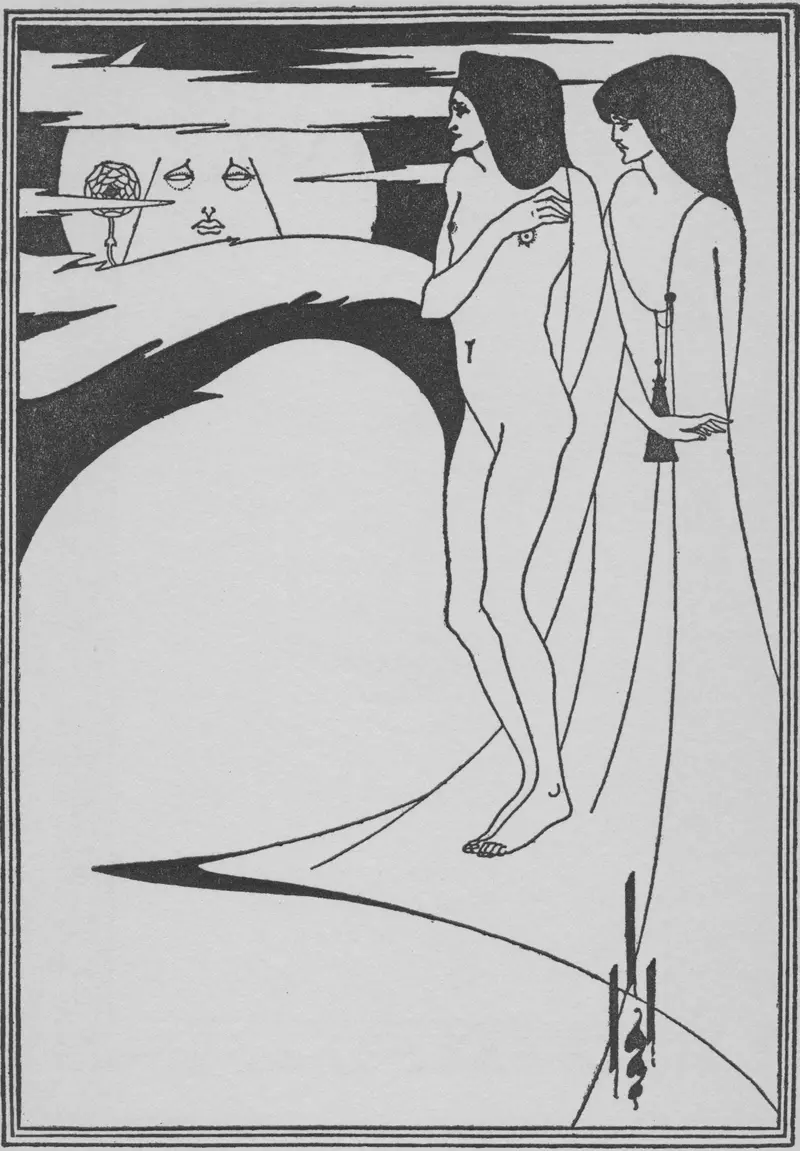
The Woman in the Moon (Salome)
Aubrey Beardsley
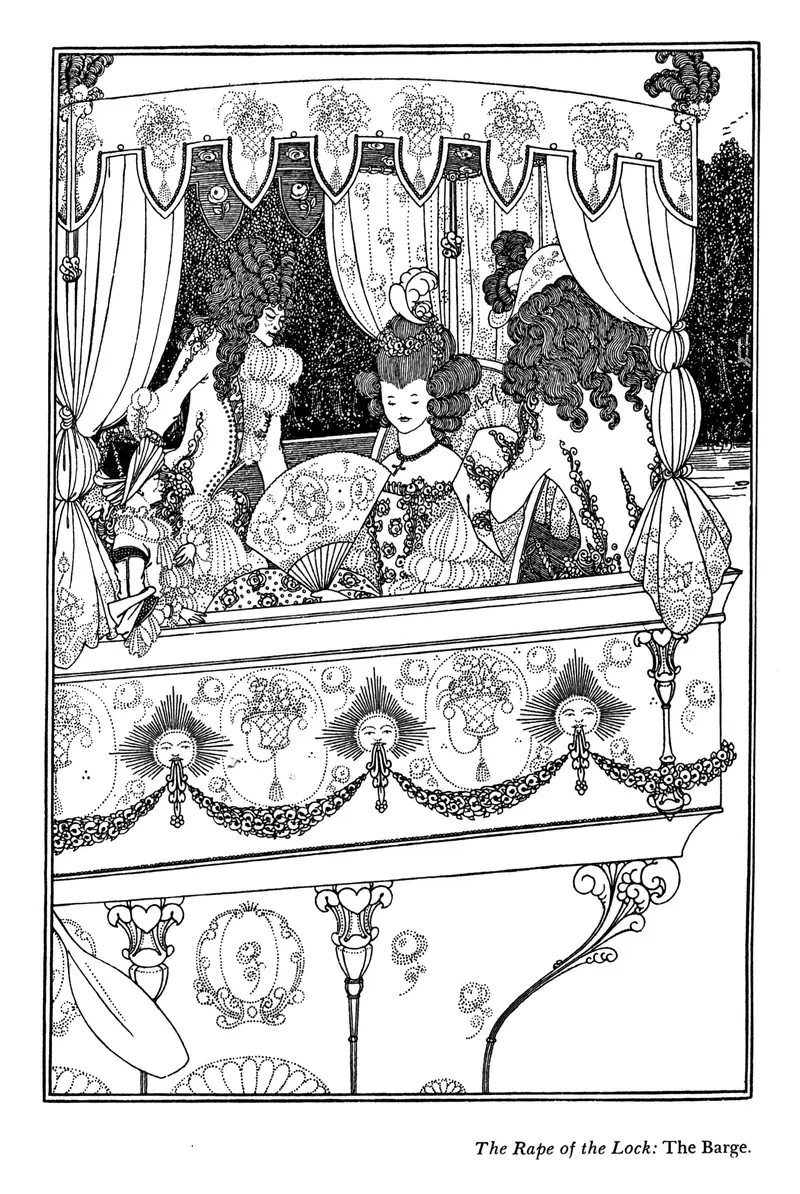
The Barge (The Rape of the Lock)
Aubrey Beardsley
Hermaphroditus (Le Morte d'Arthur)
Aubrey Beardsley





