
The Bleaching Fields near Haarlem — History & Facts
In the stillness of the bleaching fields, movement whispers through the fabric of nature and labor, weaving together the stories of those who toil under the vast Dutch sky. Look to the left at the rows of white linen billowing gently in the breeze, each piece a stark contrast against the verdant landscape. The sunlight bathes the scene, illuminating the delicate textures of the fabric while casting elongated shadows that dance across the ground. Notice how the figures, busy with their tasks, embody a rhythmic harmony, their gestures fluid yet purposeful, suggesting a collective choreography amidst the expansive fields. As you delve deeper, consider the interplay between labor and nature; the workers’ toil against the backdrop of the serene countryside evokes notions of resilience and industriousness.
Hidden within the folds of each linen is a narrative of life’s simpler truths, a reminder of the labor that sustains both economy and community. The muted palette, punctuated by the vibrant greens and soft blues, creates a sense of tranquility, while the busyness of the figures draws onlookers into their world, highlighting the contrast between human effort and the quiet beauty of the landscape. Painted between 1659 and 1665, the artist found himself amidst a flourishing period of Dutch art, where realism and attention to detail were paramount. During this time, he was establishing his reputation in Haarlem, a hub for innovative painters, and was influenced by the works of his contemporaries.
His focus on everyday life, articulated through the meticulous rendering of scenes like this, reflects a broader cultural moment that celebrated the labor and grace of the human experience.
More Artworks by Gerbrand van den Eeckhout
Browse all →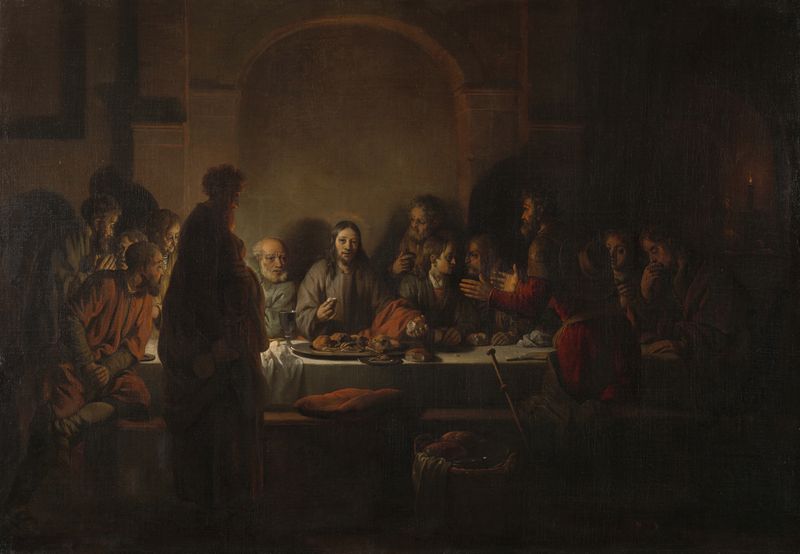
The Last Supper
Gerbrand van den Eeckhout
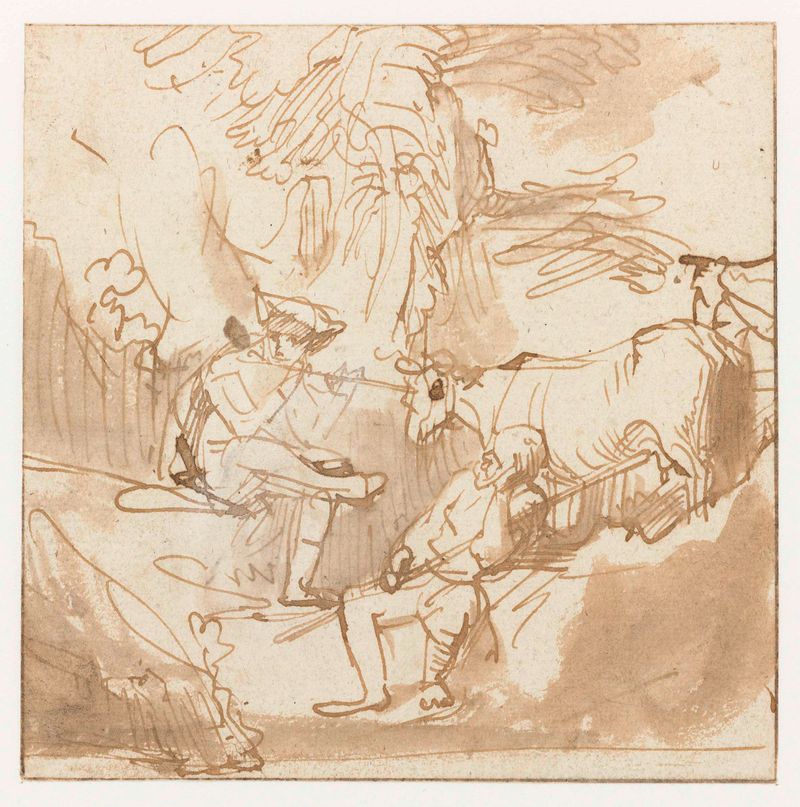
Mercury, Argus and Io
Gerbrand van den Eeckhout
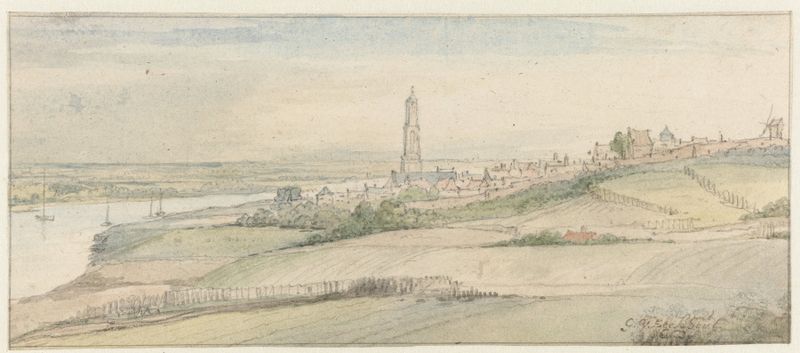
View of Rhenen and the Rhine from the East
Gerbrand van den Eeckhout
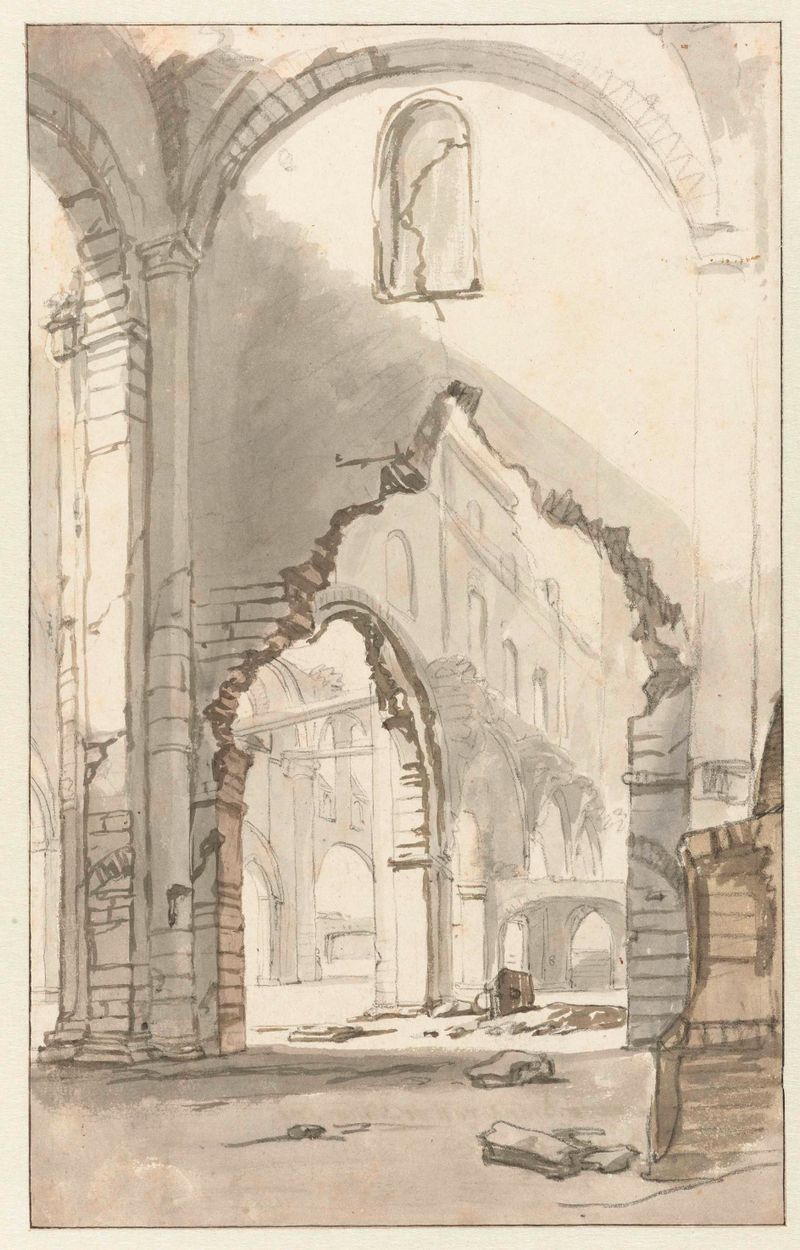
Interior of a Delapidated Church
Gerbrand van den Eeckhout
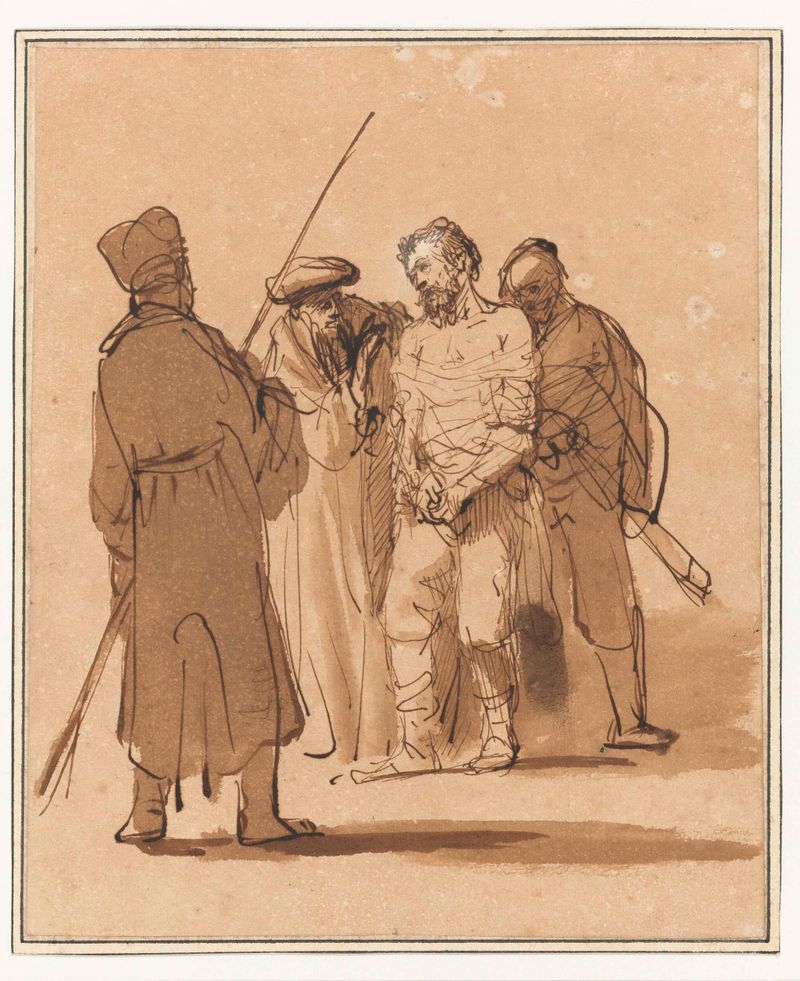
Christ Bound between Two Soldiers and a High Priest
Gerbrand van den Eeckhout
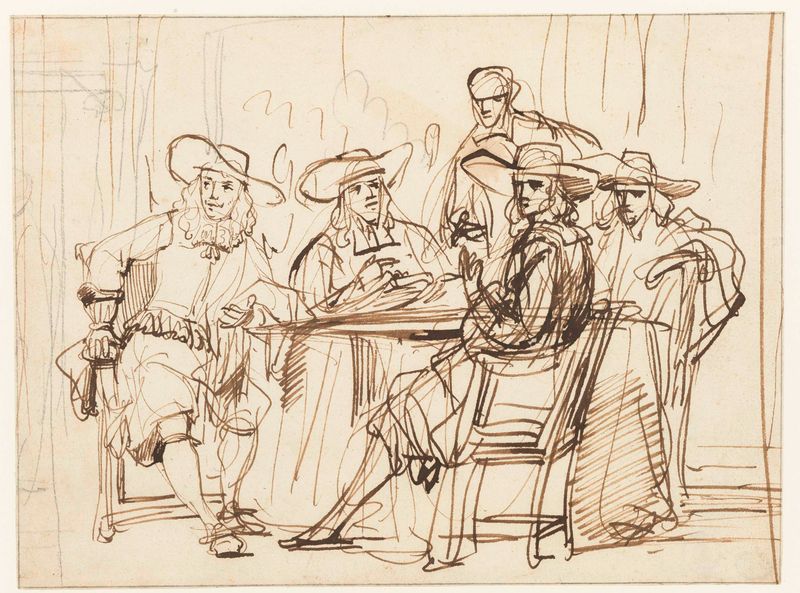
Officers of the Coopers’ and Wine-Rackers’ Guild
Gerbrand van den Eeckhout
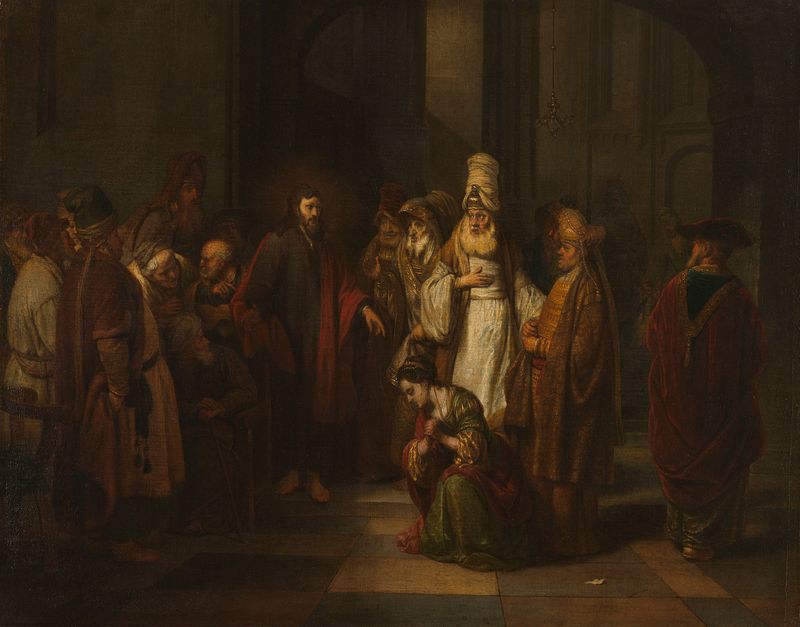
Christ and the Woman in Adultery
Gerbrand van den Eeckhout
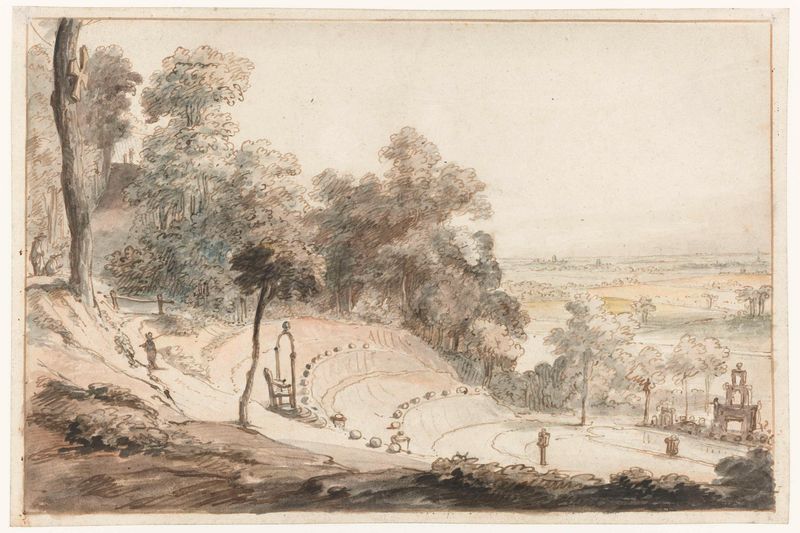
The Amphitheatre on the Springenberg in Cleves
Gerbrand van den Eeckhout
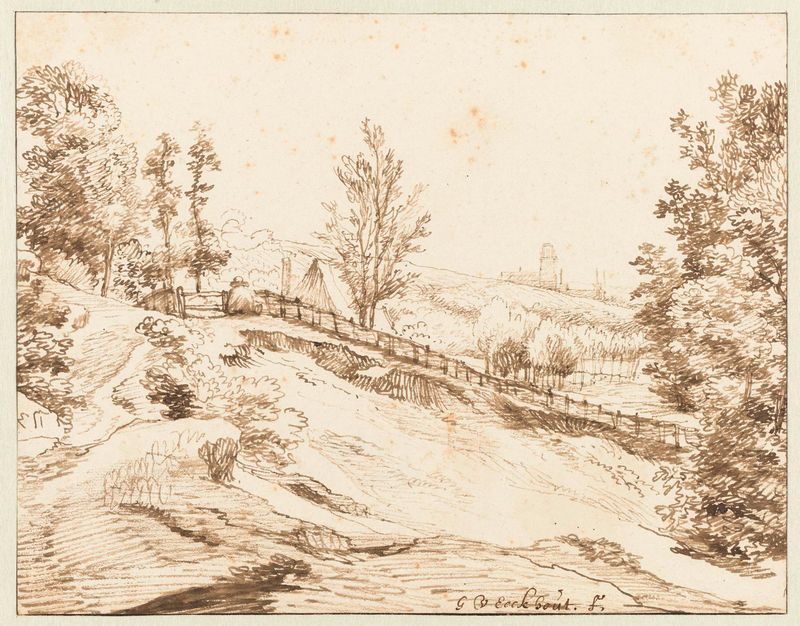
Undulating Landscape with Arnhem in the Distance
Gerbrand van den Eeckhout
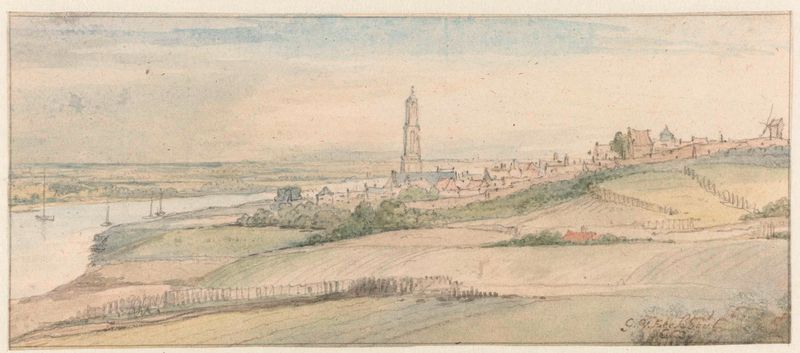
View of Rhenen and the Rhine from the East
Gerbrand van den Eeckhout





