
The blind man — History & Facts
When The blind man first appeared in exhibitions in the early twentieth century, critics were struck by its unflinching focus on rural hardship—an obsession that would come to define the work of Gustave Van de Woestijne. Though the exact year of its creation remains uncertain, the painting is often linked to the artist's years in the Flemish countryside, where he lived among the farming poor and drew inspiration from their daily struggles. This period marked a shift in Belgian art, as painters like Van de Woestijne and his contemporaries in the First School of Latem turned away from urban modernity to explore the dignity and isolation of rural life. The scene captures a solitary blind man, his eyes closed or averted, seated or standing against a stark, almost empty background.
His hands, rough and oversized, rest in his lap or grope the air, a gesture that speaks to both vulnerability and resilience. The muted palette and heavy outlines lend the figure a monumental stillness, echoing the spiritual gravity found in Van de Woestijne's religious works. Unlike the sentimental depictions of blindness by earlier artists such as Jean-François Millet, here the subject is neither pitied nor idealized; instead, he is rendered with a quiet dignity, his isolation underscored by the absence of narrative context or supporting characters.
The light falls gently on his face, emphasizing the inwardness of his condition and inviting the viewer to contemplate the boundaries between sight and insight. As with much of Van de Woestijne's output, the provenance of The blind man is not fully documented, and its early ownership remains unclear. It is likely that the painting was first shown in Belgium, possibly in Ghent or Brussels, where the artist was active and where his works were collected by local patrons interested in the new Flemish expressionism. Over the years, The blind man has been included in several retrospectives, contributing to the reassessment of Van de Woestijne as a major figure in Belgian modernism.
Today, the painting stands as a testament to his commitment to portraying the marginalized, and it continues to resonate with viewers for its stark honesty and psychological depth.
More Artworks by Gustave Van de Woestijne
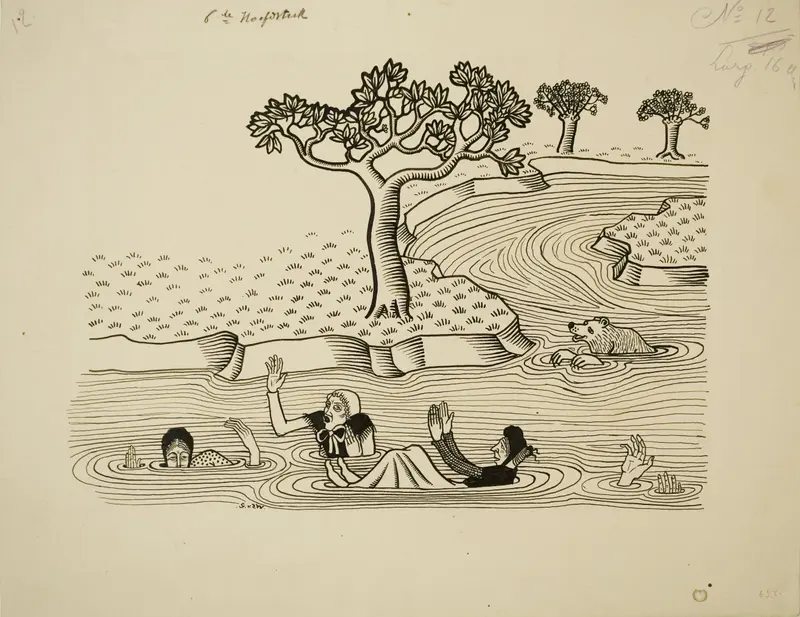
How Brown went out with Reynard where he thought he was eating honey and how he was caught by head and feet and suffered further misfortune
Gustave Van de Woestijne
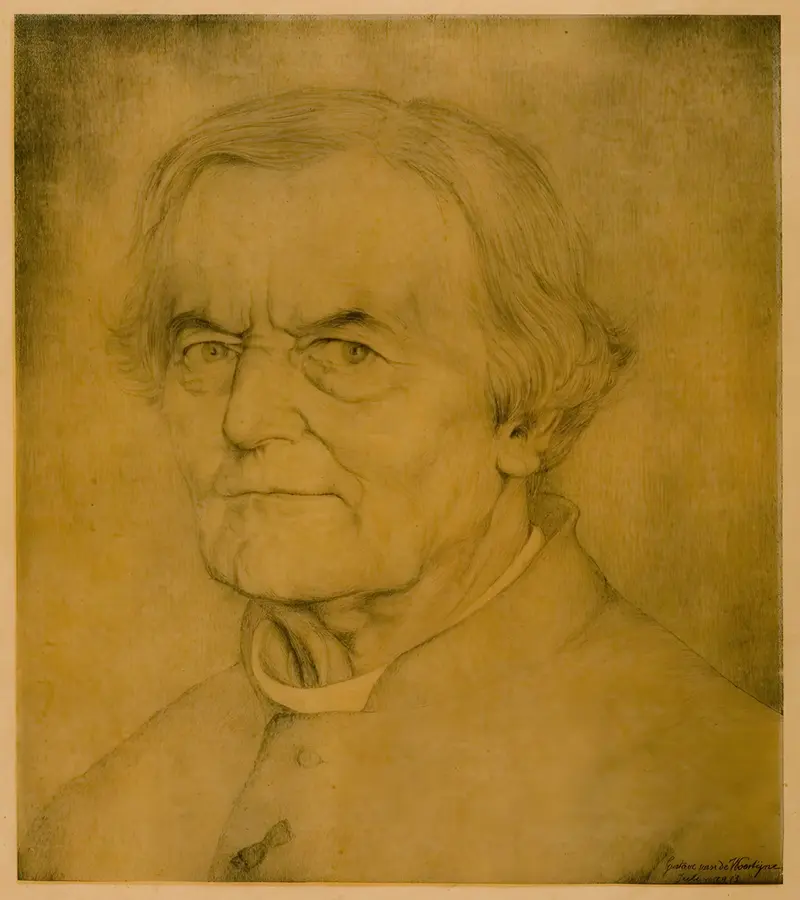
Portrait of Hugo Verriest
Gustave Van de Woestijne
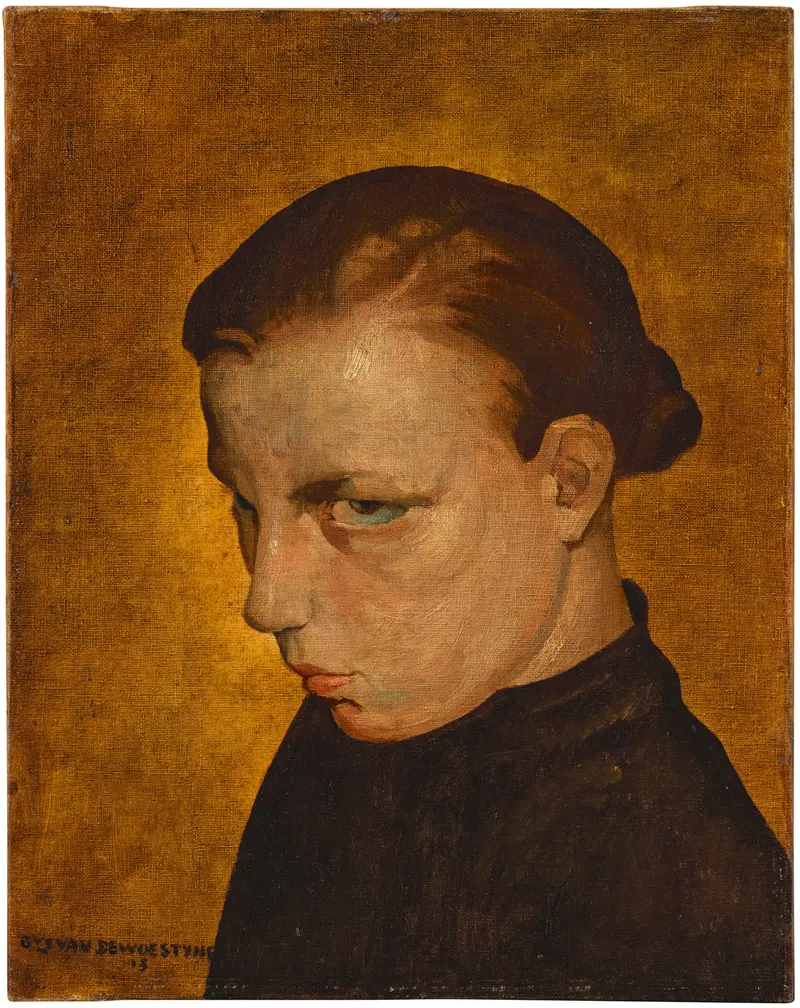
Angèle
Gustave Van de Woestijne
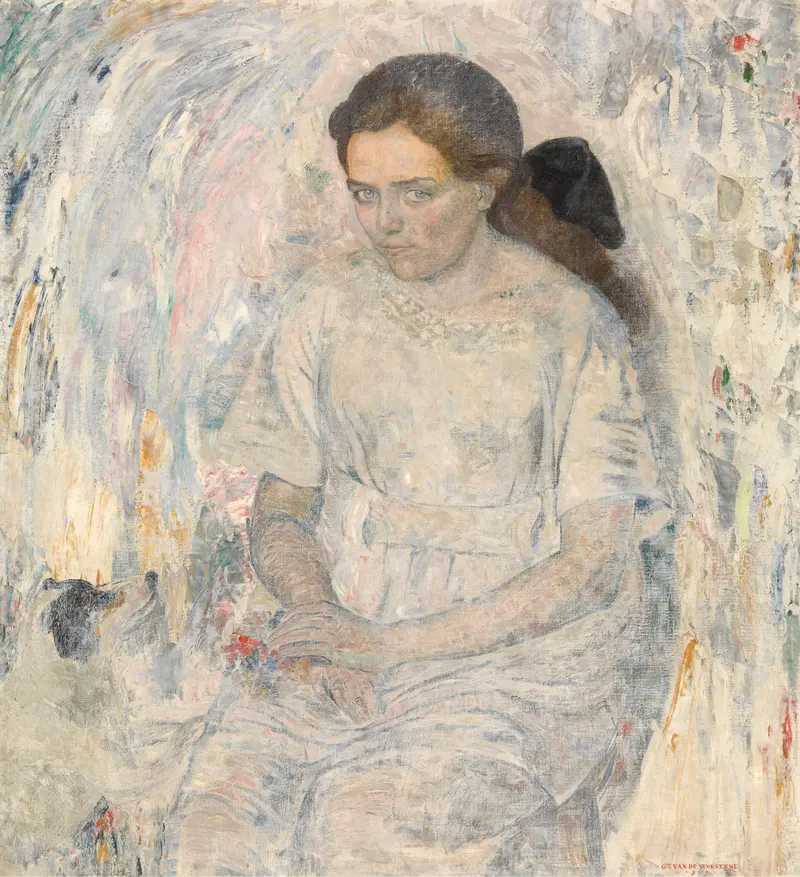
Adrienne
Gustave Van de Woestijne
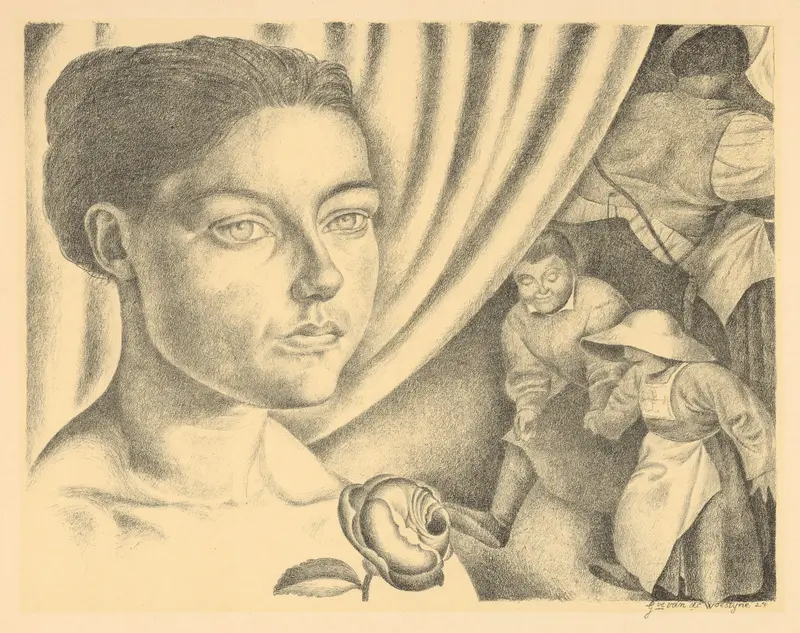
Jeune Femme
Gustave Van de Woestijne
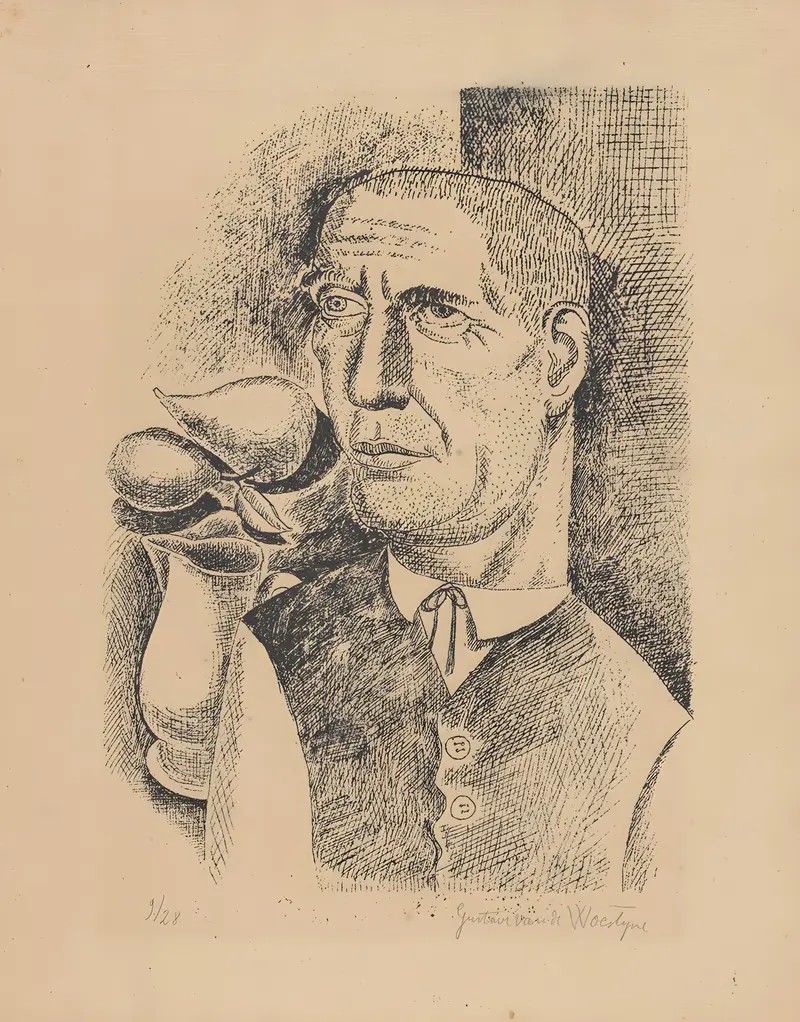
Boer op zijn zondags (Paysan endimanché)
Gustave Van de Woestijne
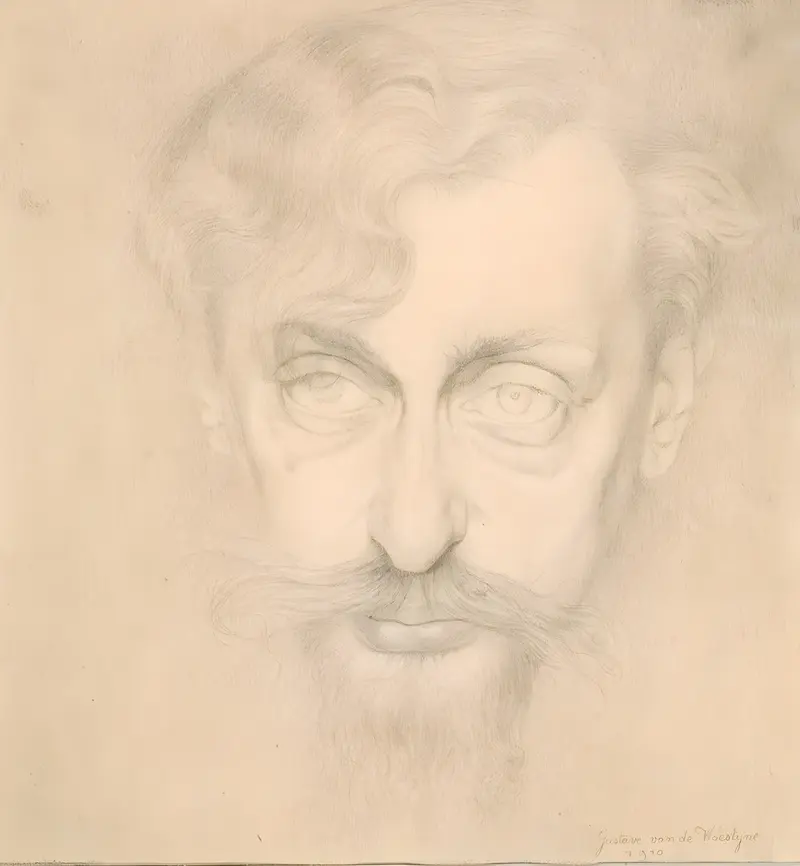
Portrait of the Writer Karel van de Woestijne
Gustave Van de Woestijne
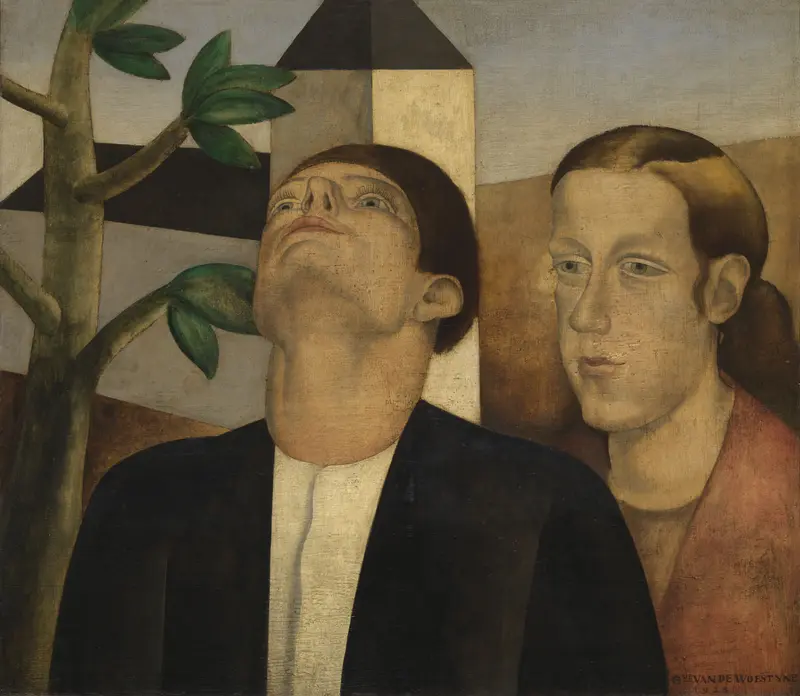
Azure
Gustave Van de Woestijne
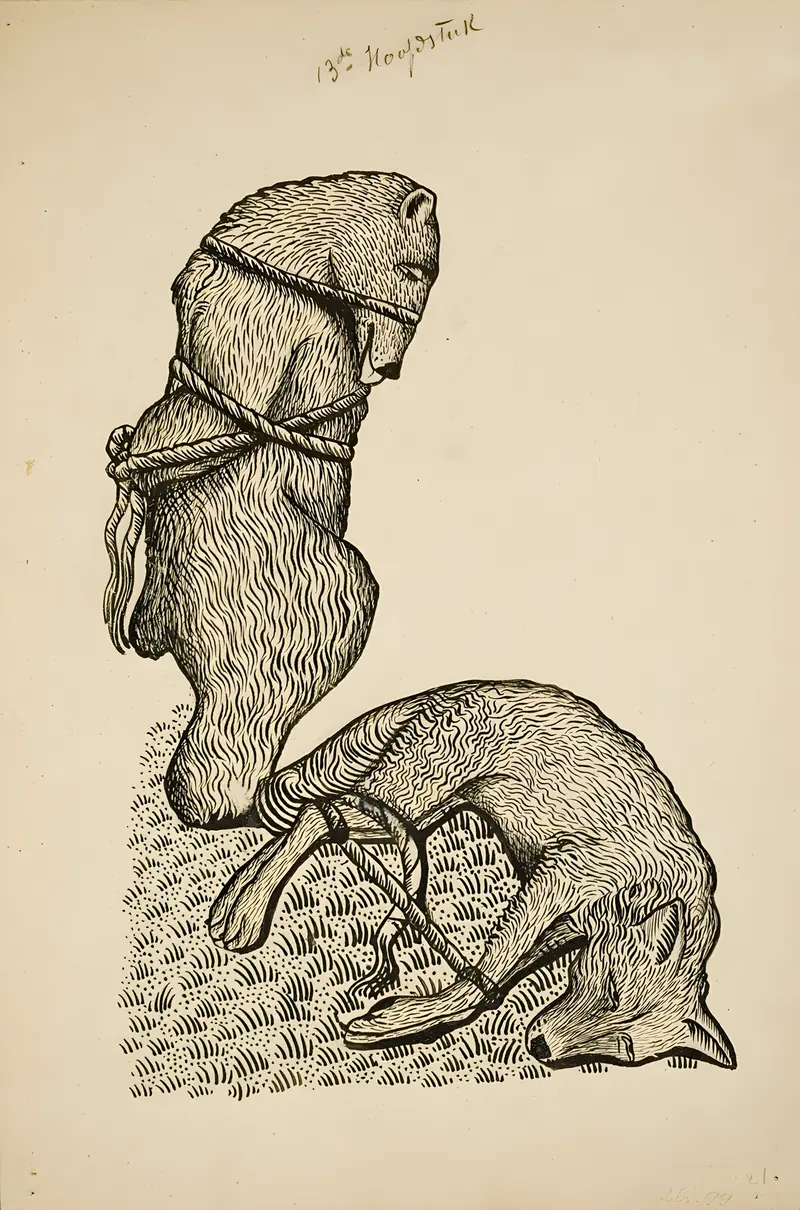
How Reinaert devises a new trick to get free and exterminate his enemies
Gustave Van de Woestijne
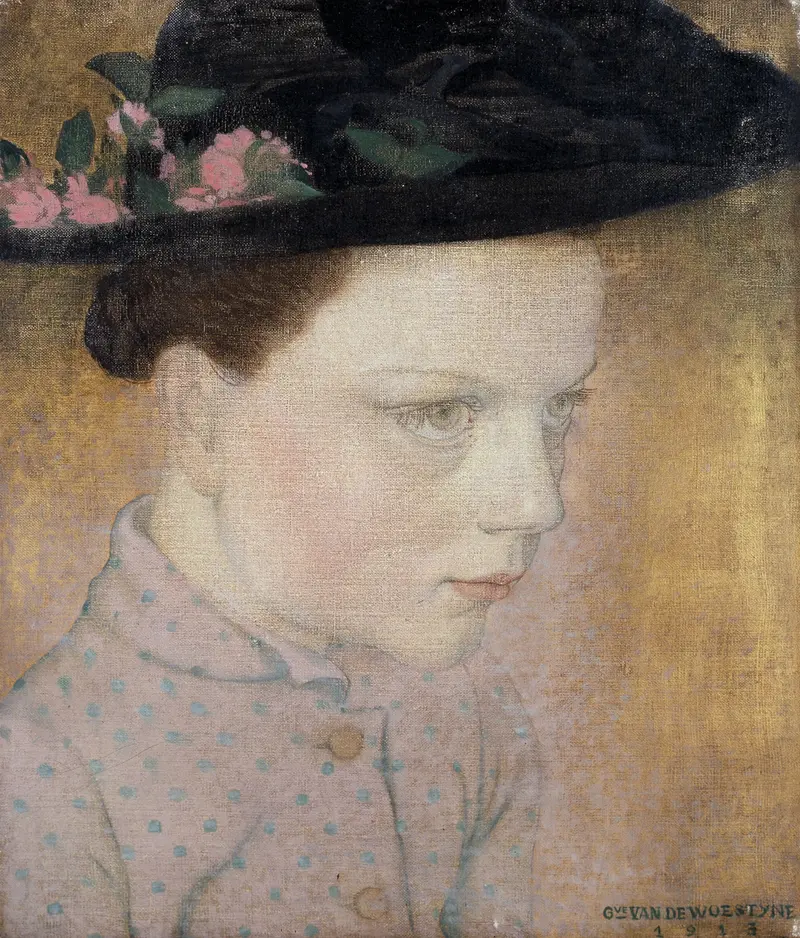
Country Girl
Gustave Van de Woestijne



