
The Blue Boat — History & Facts
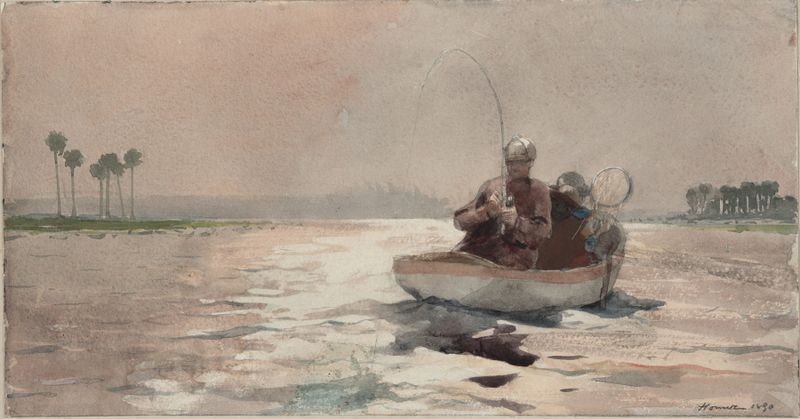
Can beauty exist without sorrow? In The Blue Boat, the answer floats just beneath the surface, beckoning us to explore the delicate interplay of joy and loss. Focus first on the serene expanse of water, a vibrant blue that envelops the canvas, inviting the viewer’s gaze to drift toward the horizon. The boat, a fragile vessel painted in deep hues, sits at the heart of the composition. Notice how the gentle ripples create a dance of light and shadow, casting reflections that mirror both the sky and the uncertainty of fate.
The contrasting elements of the idyllic seascape and the solitary boat resonate with a profound stillness, suggesting a moment suspended in time. Yet, within this tranquil scene lies an undercurrent of unrest. The boat, adrift yet poised, embodies both adventure and vulnerability, capturing the tension of the open sea that promises both beauty and peril. The expansive sky above, with its soft cloud formations, hints at changing weather, a reminder of nature's unpredictable temperament.
This duality fosters a sense of quiet contemplation, prompting the viewer to ponder the void that exists between the desire for exploration and the potential for isolation. In 1892, Winslow Homer painted this work during a period marked by personal introspection and a growing interest in the power of nature. Residing in Maine, he was deeply influenced by the rugged coastline and the stories of the fishermen who sailed its waters. This time reflected a shift in his artistic focus, moving towards a more introspective exploration of the human experience against the backdrop of nature's majesty and ferocity.
More Artworks by Winslow Homer
Browse all →
The Gulf Stream
Winslow Homer
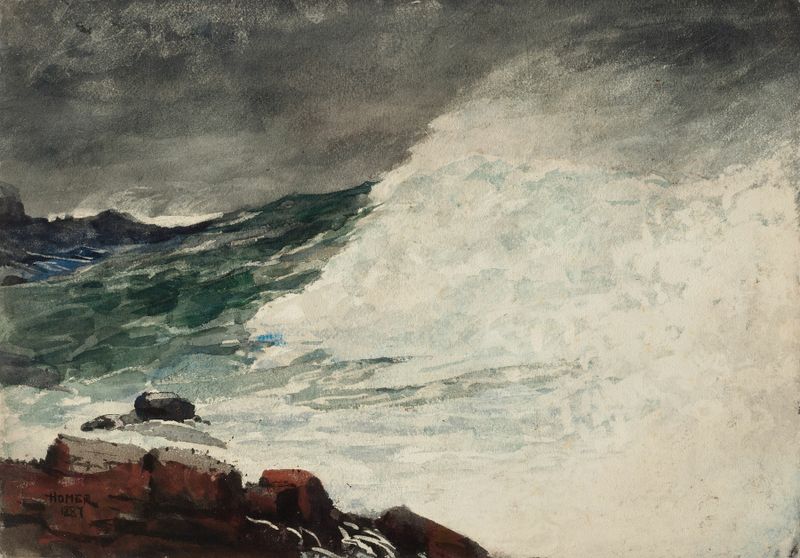
Prout’s Neck, Breaking Wave
Winslow Homer
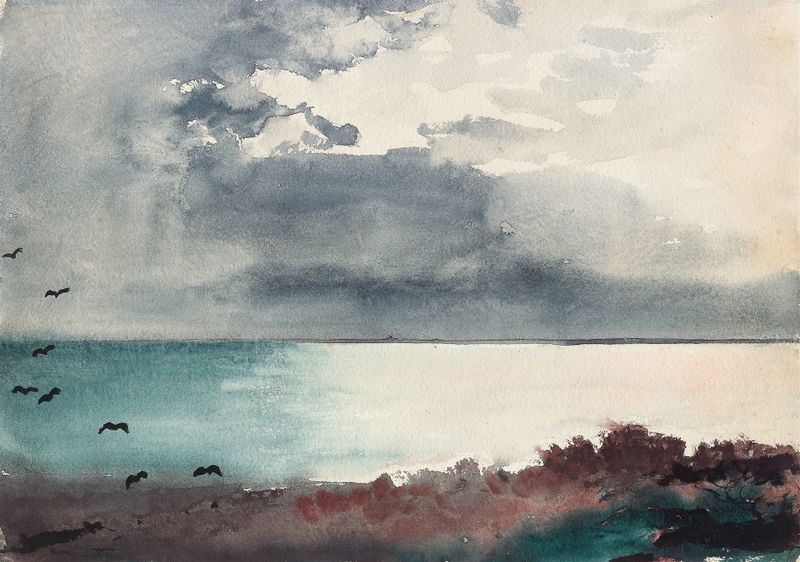
Breaking Storm, Coast of Maine
Winslow Homer
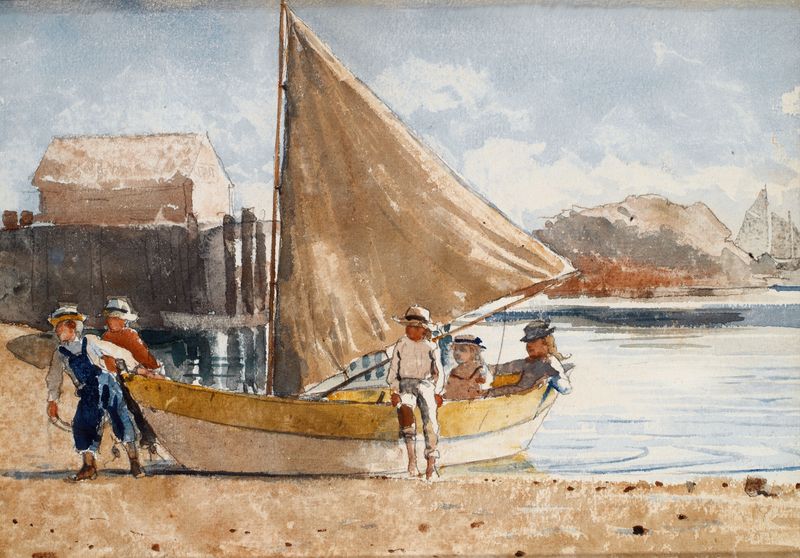
Summertime
Winslow Homer
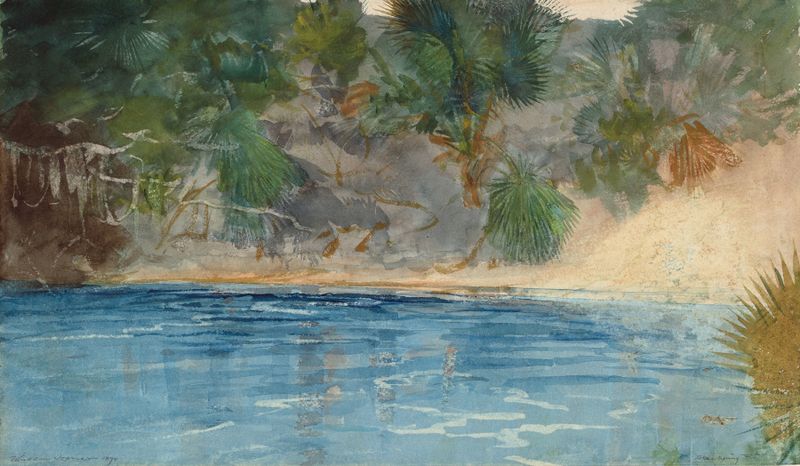
Blue Spring, Florida
Winslow Homer
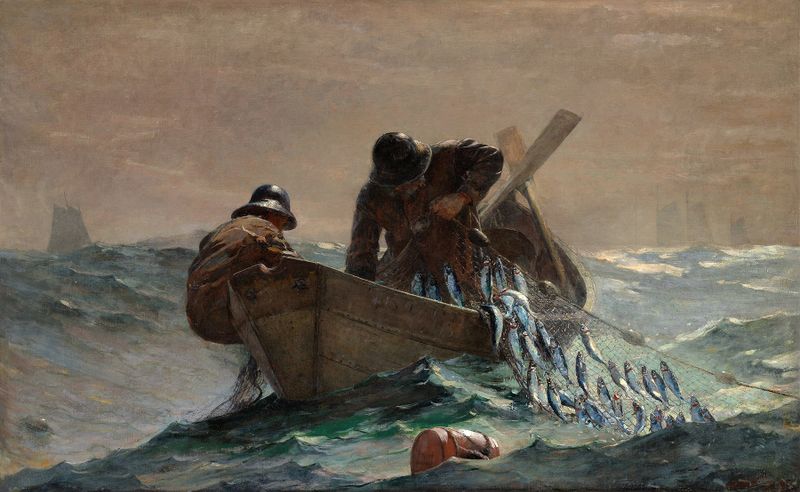
The Herring Net
Winslow Homer
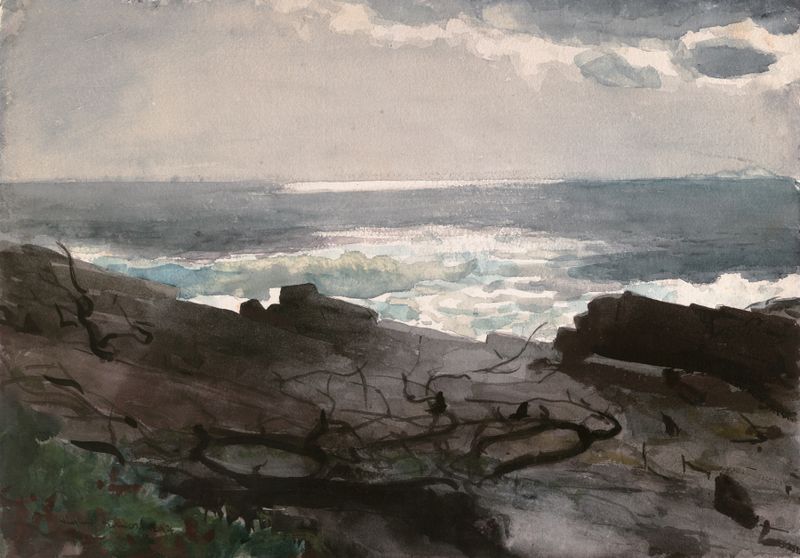
Sunshine and Shadow, Prout’s Neck
Winslow Homer
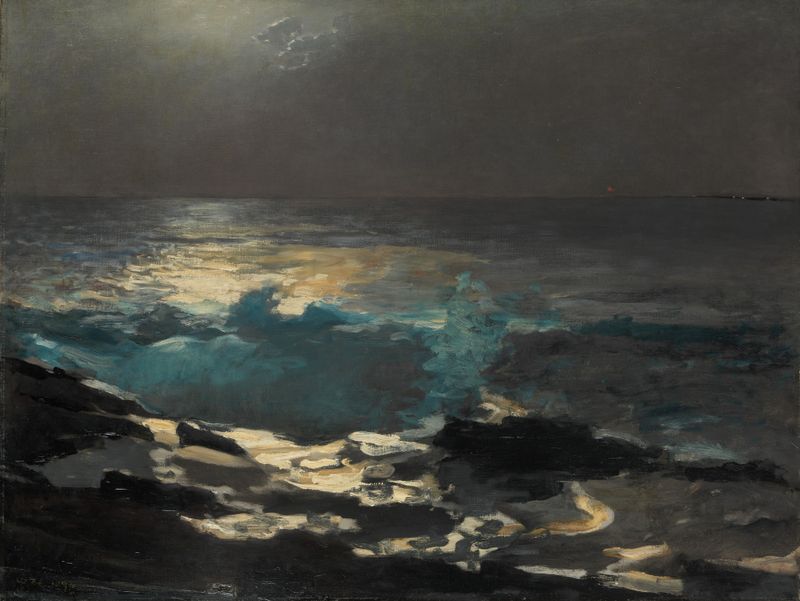
Moonlight, Wood Island Light
Winslow Homer
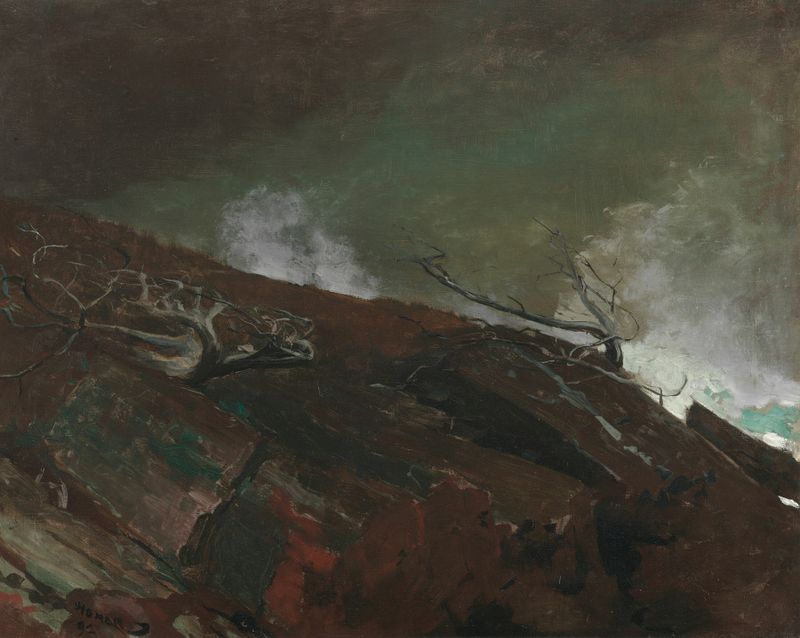
Coast of Maine
Winslow Homer
Bass Fishing – Florida
Winslow Homer




