
The Blue River — History & Facts
Can beauty exist without sorrow? The quiet elegance of a flowing river often conceals the solitude that lingers beneath its surface, inviting contemplation of what lies beyond the visible. Look to the center of the canvas where the cobalt waters glisten under a warm, caressing light. The gentle ripples create a sense of movement, while the ethereal quality of the blue hues evokes a serene yet melancholic atmosphere. Notice how the lush greens on either bank frame the river, casting soft shadows that deepen the feeling of isolation, a stark contrast to the vibrancy of nature’s palette. Hidden within the tranquil flow are poignant undercurrents of loneliness, as the solitary river seems to stretch endlessly into the horizon.
The way the light dances upon the water highlights both its beauty and its fleeting nature, suggesting that moments of joy are often tinged with an inherent sadness. Each brushstroke resonates with a silent longing, capturing the transient essence of existence and the solitude found within even the most picturesque landscapes. Renoir painted this work around 1890, during a period marked by personal upheaval, as he grappled with health challenges and a shift in artistic focus. At this time, Impressionism was evolving, with artists exploring new techniques and emotional expressions.
The artist’s deep connection to the natural world allowed him to imbue The Blue River with a profound sense of introspection, reflecting not only his own struggles but also the broader human experience of beauty intertwined with sorrow.
More Artworks by Pierre-Auguste Renoir
Browse all →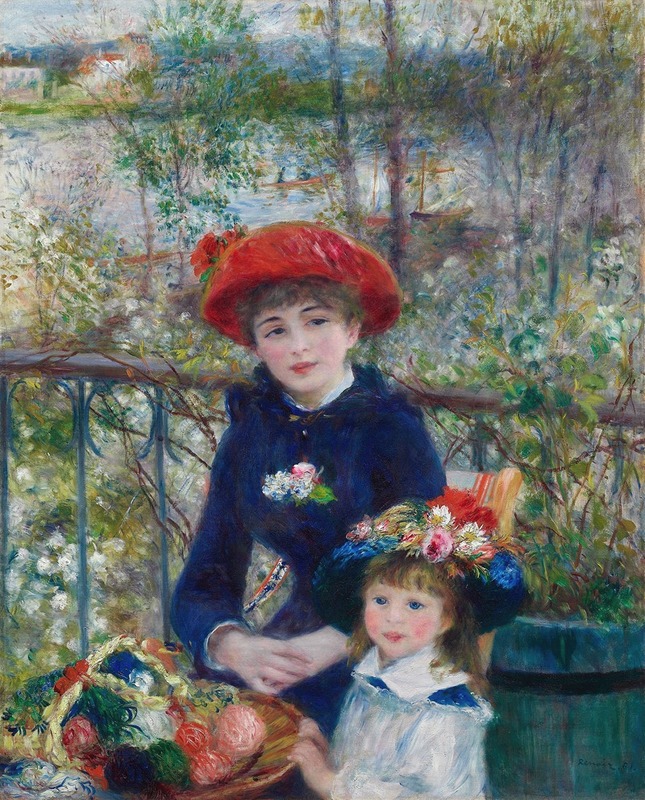
Two Sisters (On the Terrace)
Pierre-Auguste Renoir
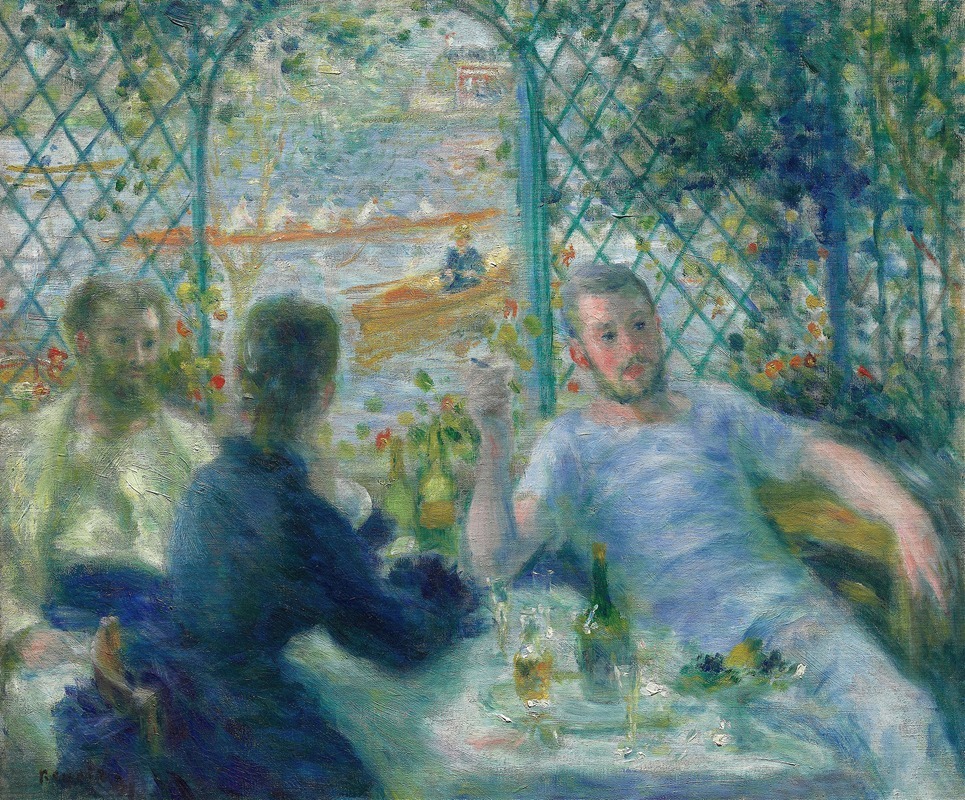
Lunch at the Restaurant Fournaise (The Rowers' Lunch)
Pierre-Auguste Renoir
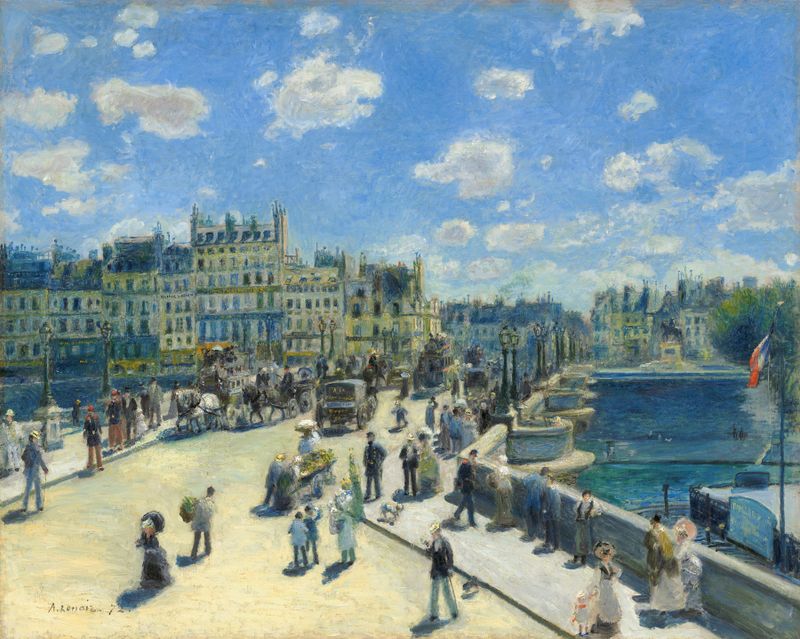
Pont Neuf, Paris
Pierre-Auguste Renoir
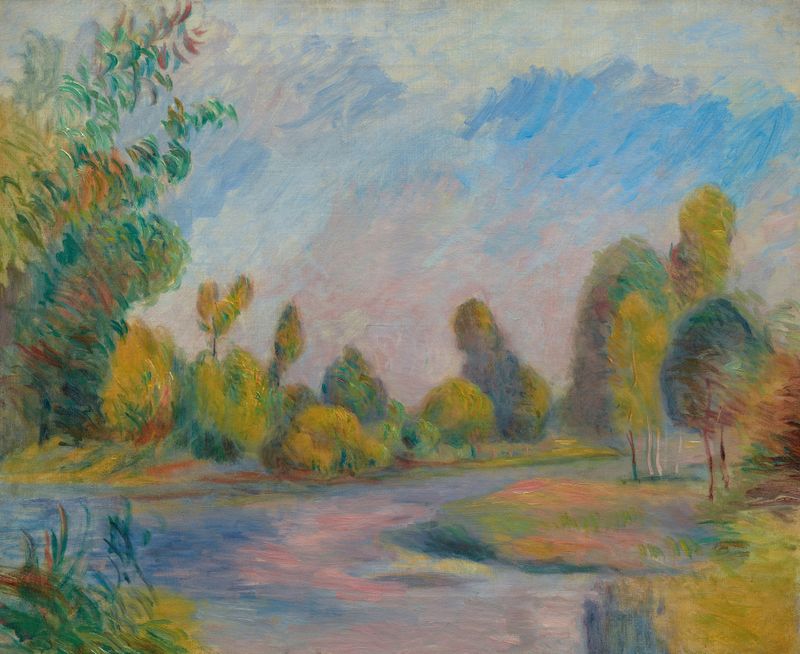
Au bord de la rivière
Pierre-Auguste Renoir

Near the Lake
Pierre-Auguste Renoir
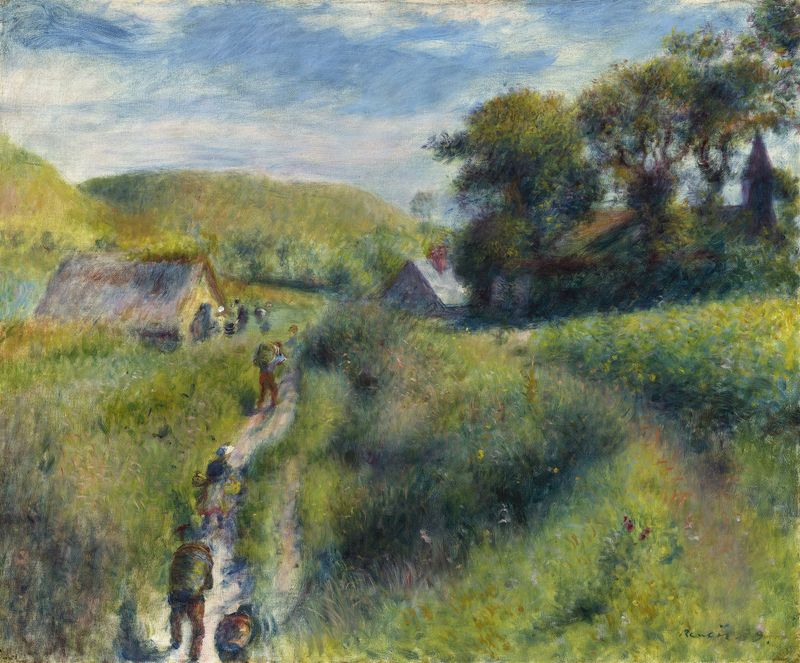
The Mussel Harvest
Pierre-Auguste Renoir

The Seine at Chatou
Pierre-Auguste Renoir
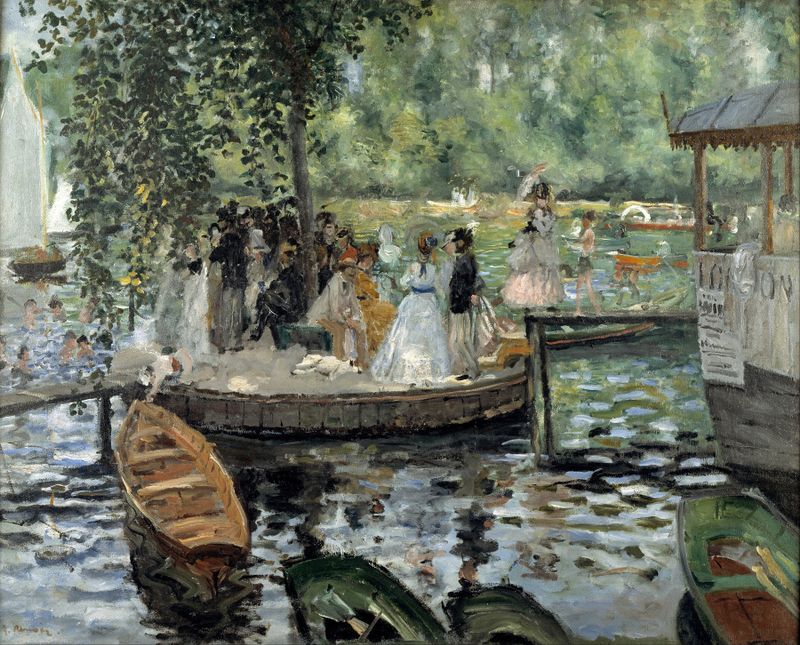
La Grenouillère
Pierre-Auguste Renoir
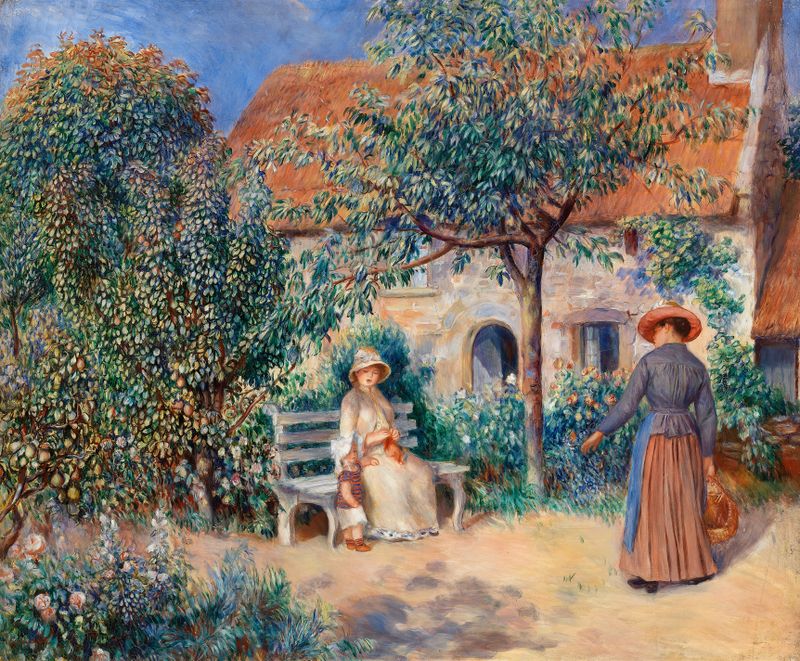
In Brittany (En Bretagne)
Pierre-Auguste Renoir
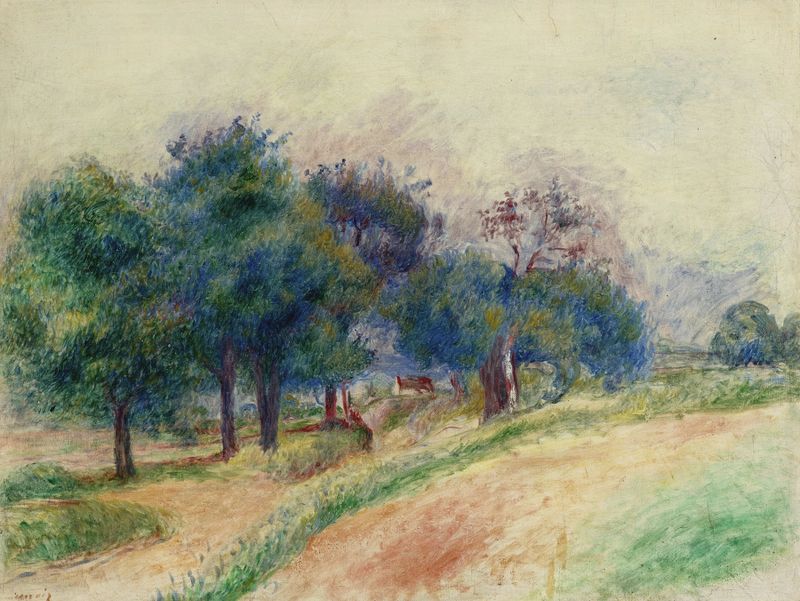
Paysage d’Essoyes
Pierre-Auguste Renoir





