
The Breaking Up of the Agamemnon, no. 2 — History & Facts
When did color learn to lie? Perhaps it was in the stillness of a moment, where the surface of the canvas holds a secret just beneath its vibrant hues. The interplay of light and shadow gives rise to a narrative as compelling as any myth, inviting viewers to grapple with creation itself. Look to the bottom left corner; the rich deep tones of the water seem to beckon, mirroring the tumultuous emotions of the moment captured. Notice how the gnarled textures of the shipwreck contrast sharply with the smooth application of paint across the waves.
Haden’s technique embodies both chaos and calm, as each brushstroke tells a story of transition—of the ship's demise against the relentless sea. As the viewer delves deeper, the tension between destruction and beauty becomes palpable. The scattered remnants of the Agamemnon juxtapose the vibrant natural world that surrounds them, symbolizing the ephemeral nature of human endeavors. Each element, from the tattered sails to the gentle lapping of the water, speaks to the fragility of existence and the inevitable cycle of creation and destruction. Created after 1880, this work emerged during a time of personal and professional evolution for its creator.
Francis Seymour Haden, a prominent figure in the etching movement, was deeply influenced by the changes in the art world, where traditional boundaries were shifting. This piece reflects not only his mastery of technique but also a contemplation on the nature of life and art as he navigated the complexities of his own artistic journey.
More Artworks by Francis Seymour Haden
Browse all →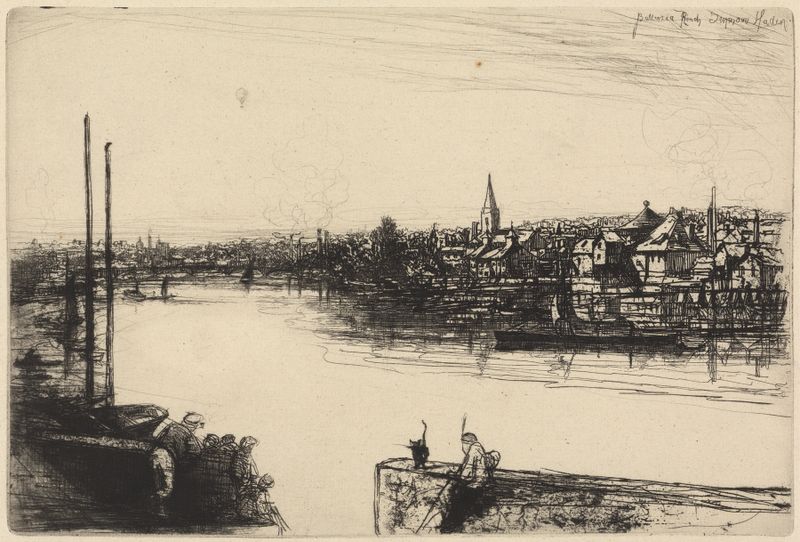
Battersea Reach
Francis Seymour Haden

Nine Barrow Down
Francis Seymour Haden
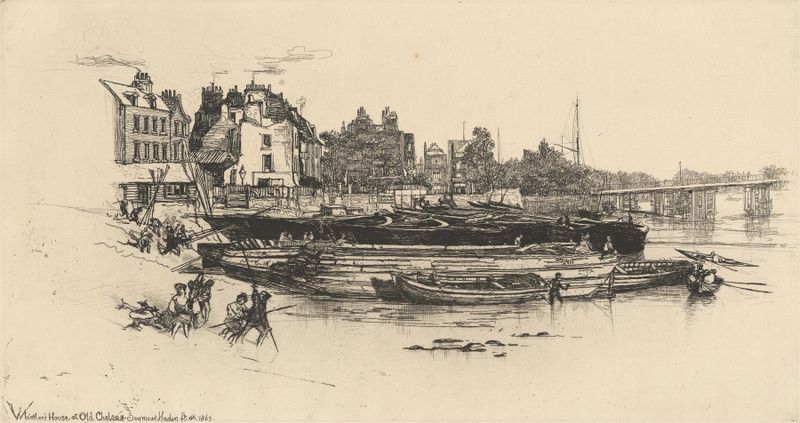
Whistler’s House at Old Chelsea
Francis Seymour Haden

The Mill-Wheel
Francis Seymour Haden
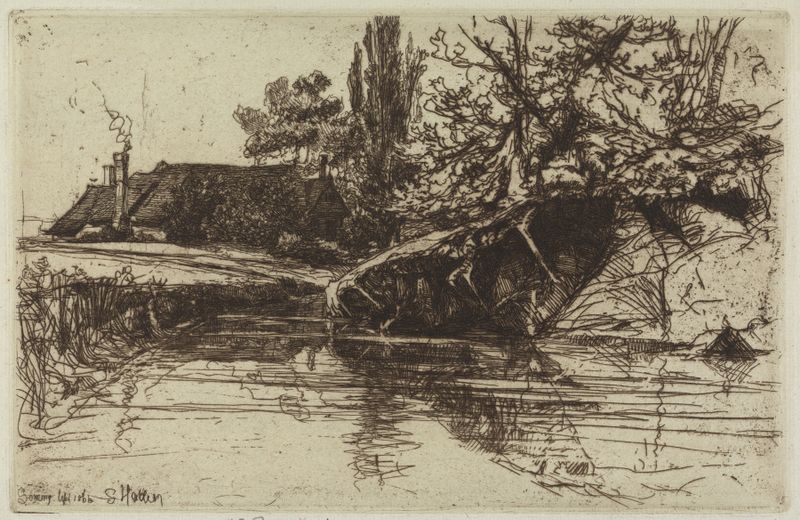
The Moat House
Francis Seymour Haden

By Twickenham
Francis Seymour Haden

Newcastle Emlyn
Francis Seymour Haden
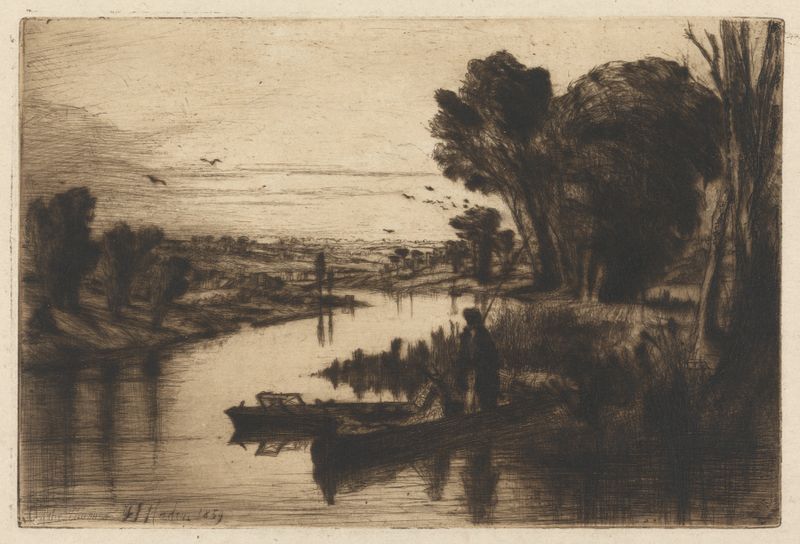
On the Thames
Francis Seymour Haden

Kidwelly Castle
Francis Seymour Haden
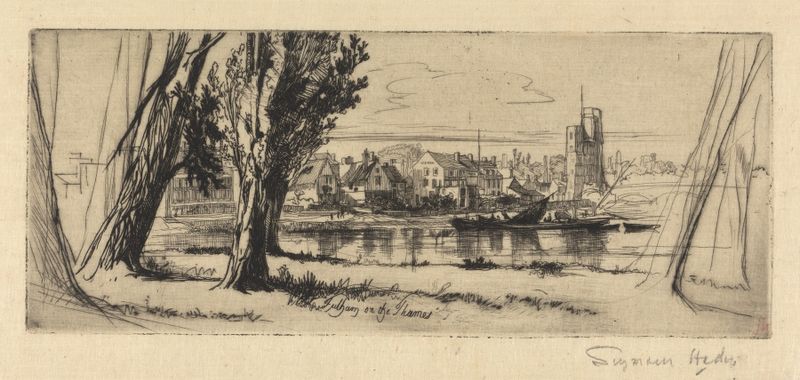
Fulham on the Thames
Francis Seymour Haden





