
The Building Of The Winter Studio — History & Facts
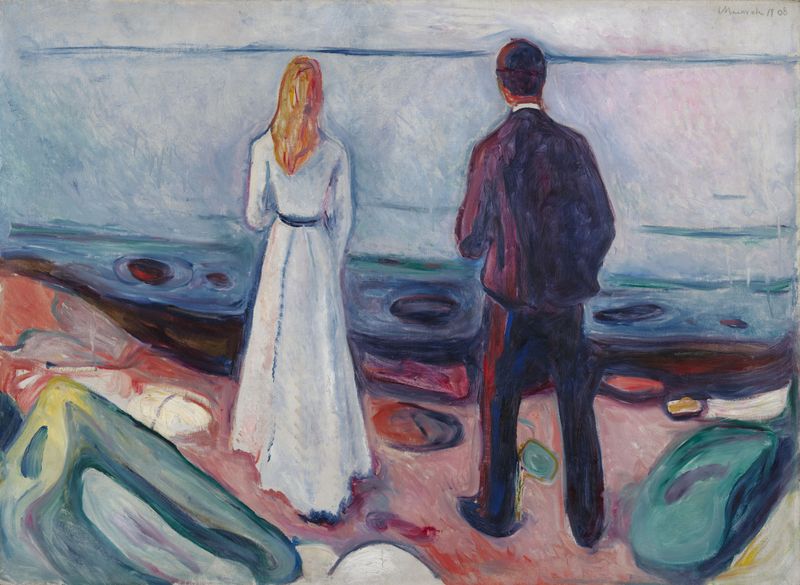
In the stillness of a moment, time unfolds like a delicate flower, revealing layers of intention and emotion entwined within its petals. Focus on the left side of the canvas, where the stark silhouette of a structure looms, its dark lines contrasting against a muted sky. The forms are almost skeletal, capturing the essence of something both primal and refined. The palette, dominated by deep blues and somber grays, evokes a chilling yet magnetic atmosphere, allowing the viewer to confront the raw honesty of creation.
Notice how the brushstrokes ripple with frenetic energy, suggesting the labor and heartache that intertwine in the act of building. Delve deeper into the subtle nuances; the interplay of shadow and light suggests not only the physical labor involved but also the passage of time that weighs heavily on the artist’s heart. The desolation surrounding the studio speaks to isolation, yet within that void lies the promise of catharsis and artistic rebirth. Each layer of paint reveals a hidden story, an emotional struggle, a meditation on the inevitability of time and the solitude that often accompanies the pursuit of one’s craft. In 1929, Edvard Munch painted this work during a period of introspection.
Living in Norway, he was grappling with his personal history while reflecting on broader themes of existence and mortality, as influenced by the tumultuous events of the early 20th century. This piece stands as a testament to his continual exploration of the human condition, capturing the essence of isolation in the creative process.
More Artworks by Edvard Munch
Browse all →
More Architecture Art
Browse all →
The statue of Liberty
Frédéric Auguste Bartholdi

View of Houses in Delft, Known as ‘The Little Street’
Johannes Vermeer

View of Houses in Delft, Known as ‘The Little Street’
Johannes Vermeer

The Cathedral in Rouen. The portal, Grey Weather
Claude Monet

The yellow house
Vincent van Gogh

The Church in Auvers-sur-Oise, View from the Chevet
Vincent van Gogh