
The Buzzing Fly Came in at the Window — History & Facts
A single fly, almost lost in the tangle of beams and smoke, is the true agent of chaos here—its tiny form slipping through the window at the upper left, setting the whole scene on edge. The eye is first caught by the dwarf in the foreground, his sinewy arms straining at the bellows, sweat and frustration etched into every line of his face. The thick, curling smoke envelops him, blurring the boundary between the forge’s heat and the pressure of his impossible task.
In the background, another figure works with equal intensity, his attention fixed on the labor at hand, but the sense of intrusion is everywhere: the fly’s presence, though small, is the pivot on which the entire drama turns. This is The Buzzing Fly Came in at the Window by Arthur Rackham, created in 1901 for The Land of Enchantment. Rackham’s linework is restless and alive, every stroke reinforcing the tension of the moment described in the Norse tale of Loki’s mischief. The dwarves’ exaggerated features and tangled hair speak to the mythic scale of their task—creating the hammer Mjölnir—while the cluttered forge, with its scattered tools and billowing smoke, sets a stage of industry under siege.
The palette, all stark black and white, heightens the sense of urgency and confusion, every shadow a threat, every highlight a flare of effort. In this world, even a fly can tip the balance, and Rackham’s hand ensures that the viewer feels that danger in every corner of the page. At the turn of the twentieth century, illustrated storybooks like this one were prized by both children and adults, their images as important as the tales themselves. Arthur Rackham was a master of this genre, his work bridging Victorian fantasy and the emerging modern taste for darker, more psychological fairy tales.
Published in 1907 but drawn in 1901, this illustration is one of many Rackham created to bring ancient legends to life for a new audience. History has kept few traces of the original commissions or journeys of such individual drawings, but their impact endures in the way they invite us to linger—searching for the fly, feeling the heat, and wondering what will happen next.
More Artworks by Arthur Rackham
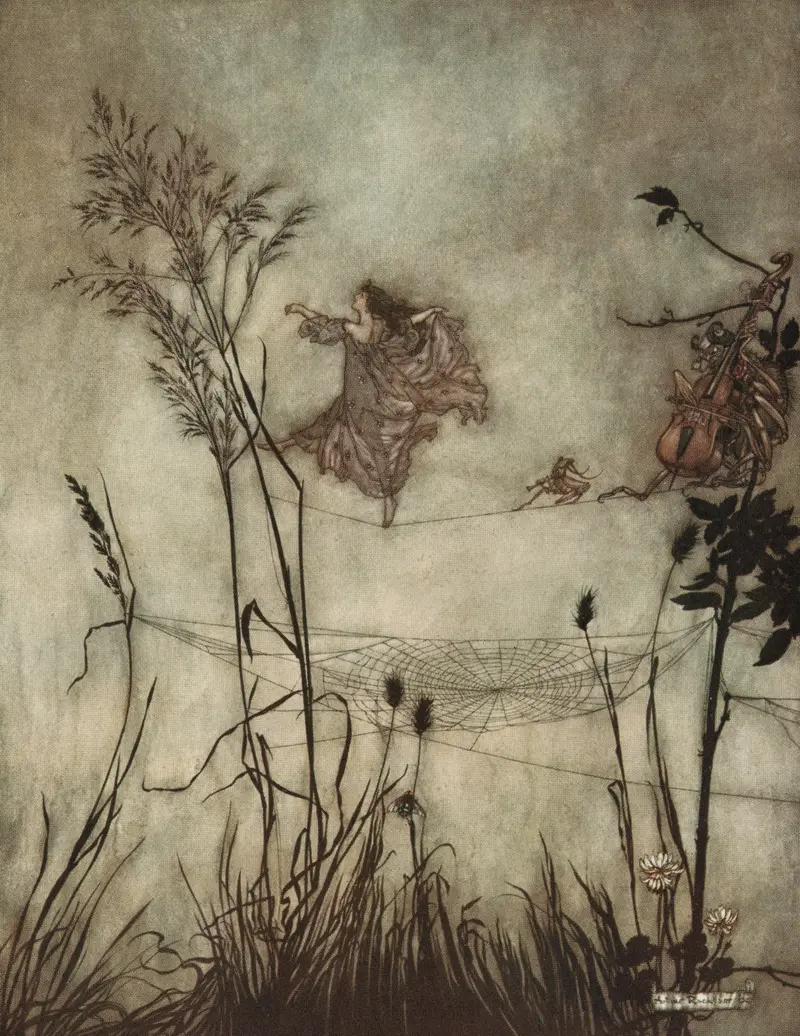
The Fairies Are Exquisite Dancers
Arthur Rackham
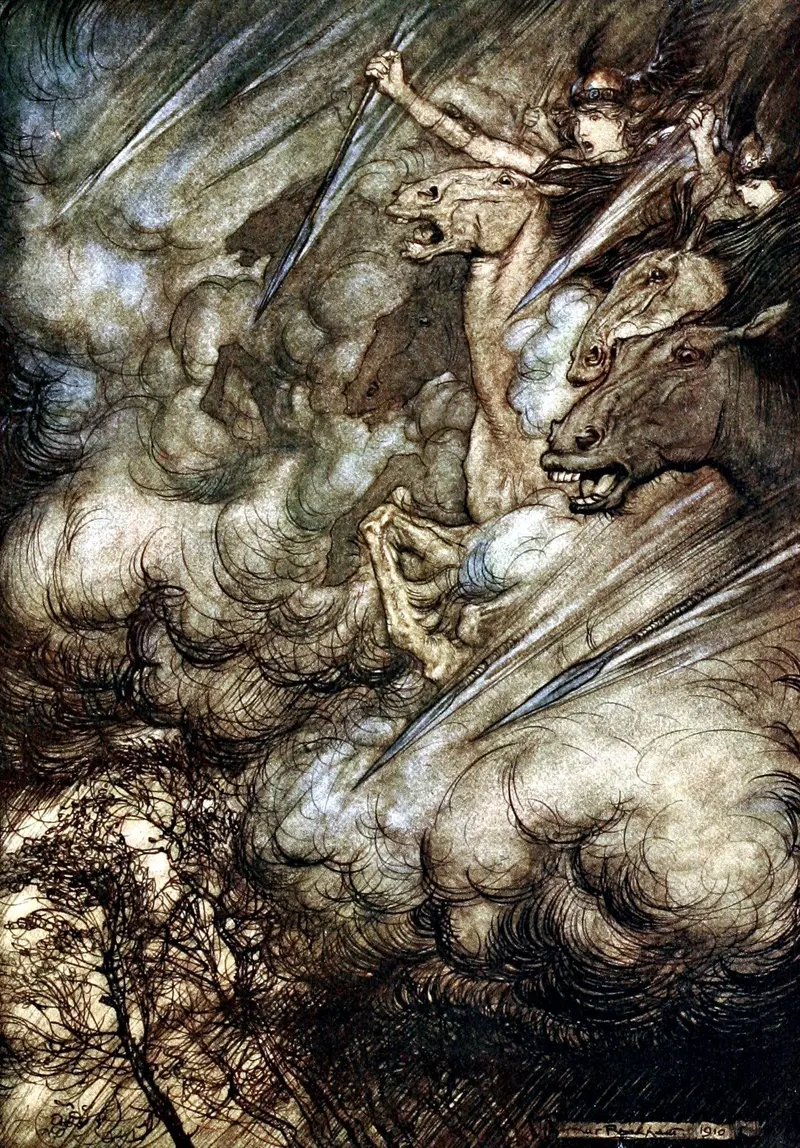
The Ride of the Valkyries
Arthur Rackham

Arthur Rackham ('A Transpontine Cockney')
Arthur Rackham
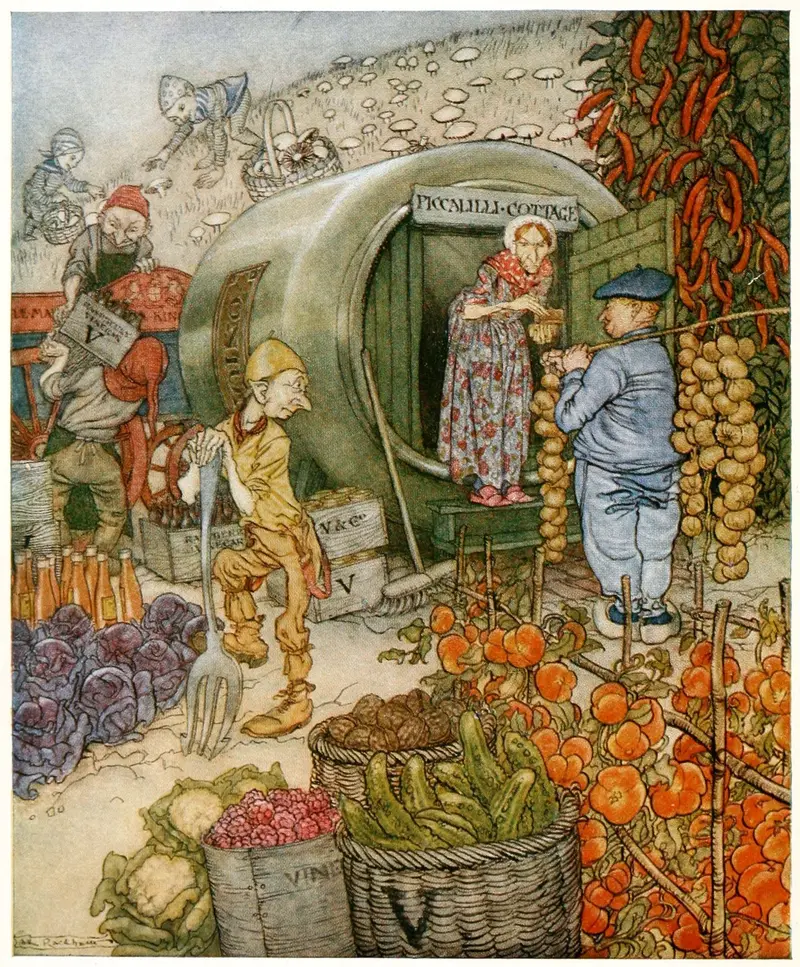
English Fairy Tales (Frontispiece)
Arthur Rackham
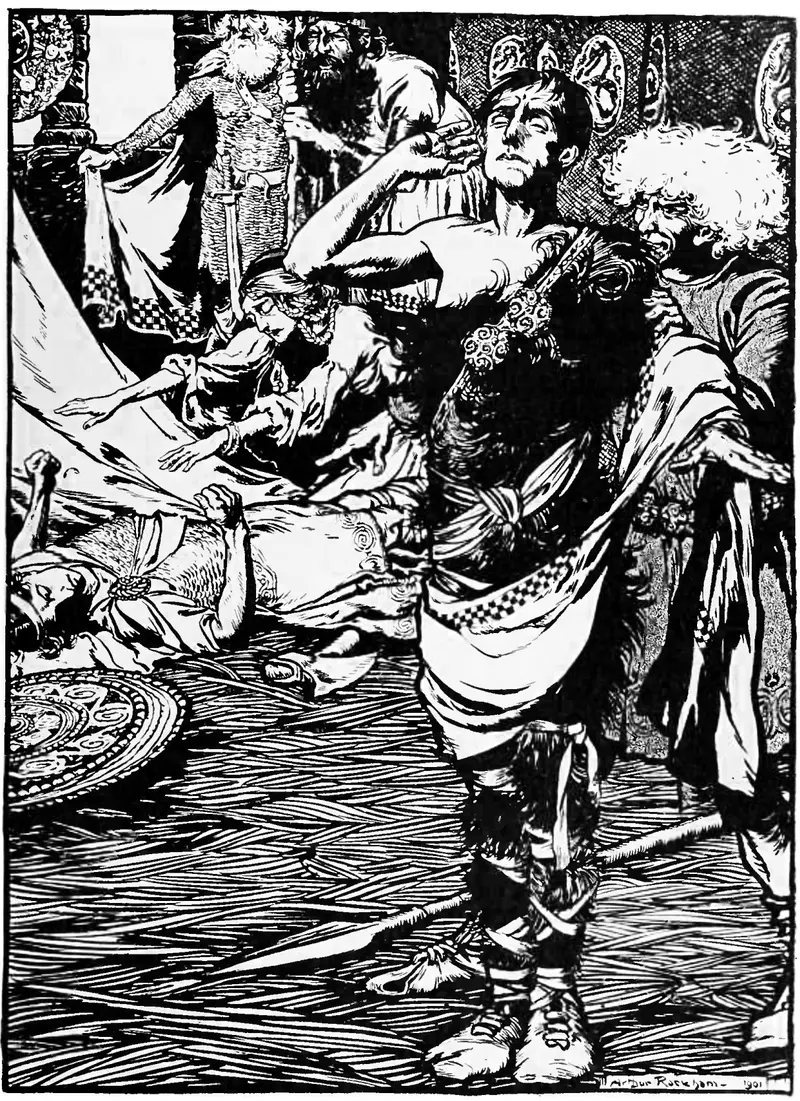
There Broke Forth a Wailing and a Lamentation
Arthur Rackham
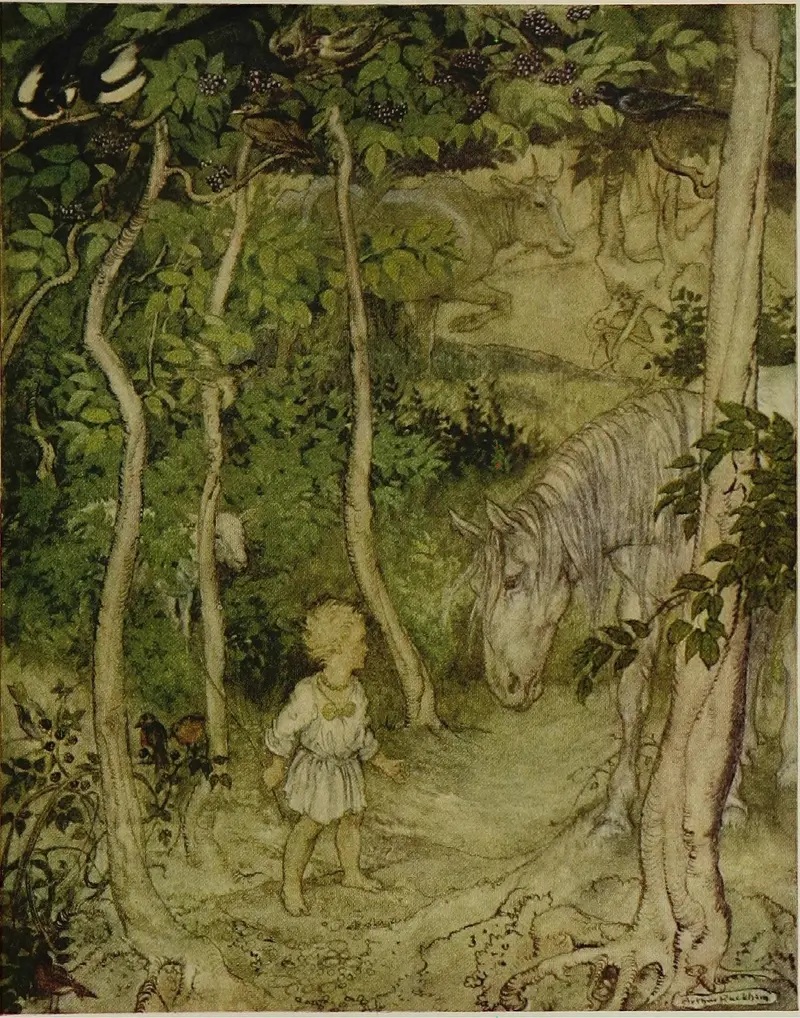
Irish Fairy Tales
Arthur Rackham
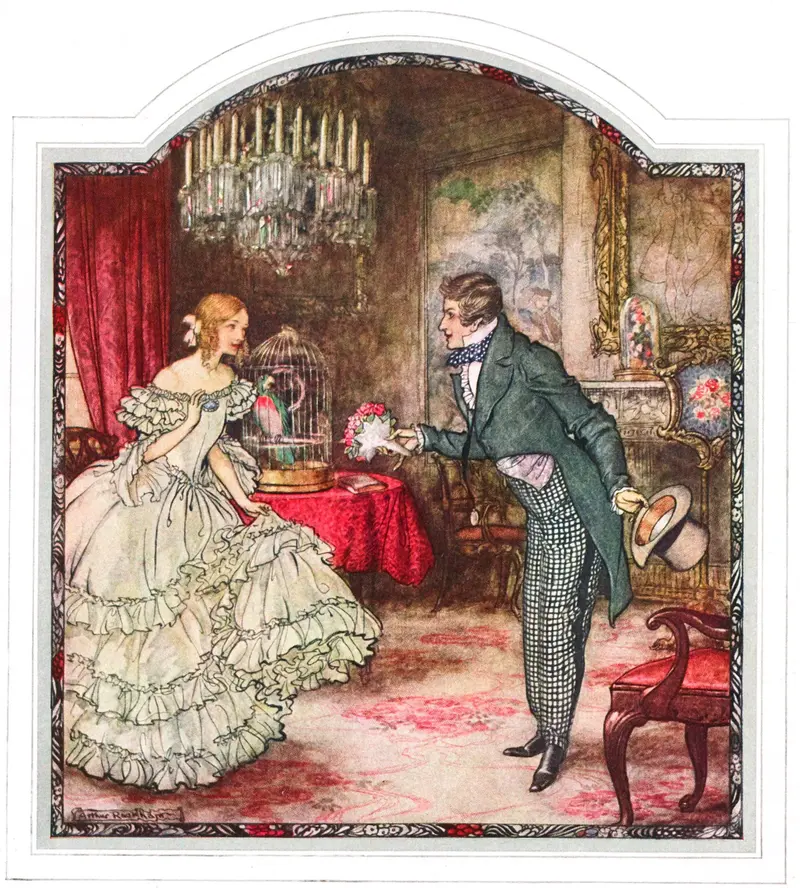
The Bouquet
Arthur Rackham

Mother Goose: The Old Nursery Rhymes
Arthur Rackham
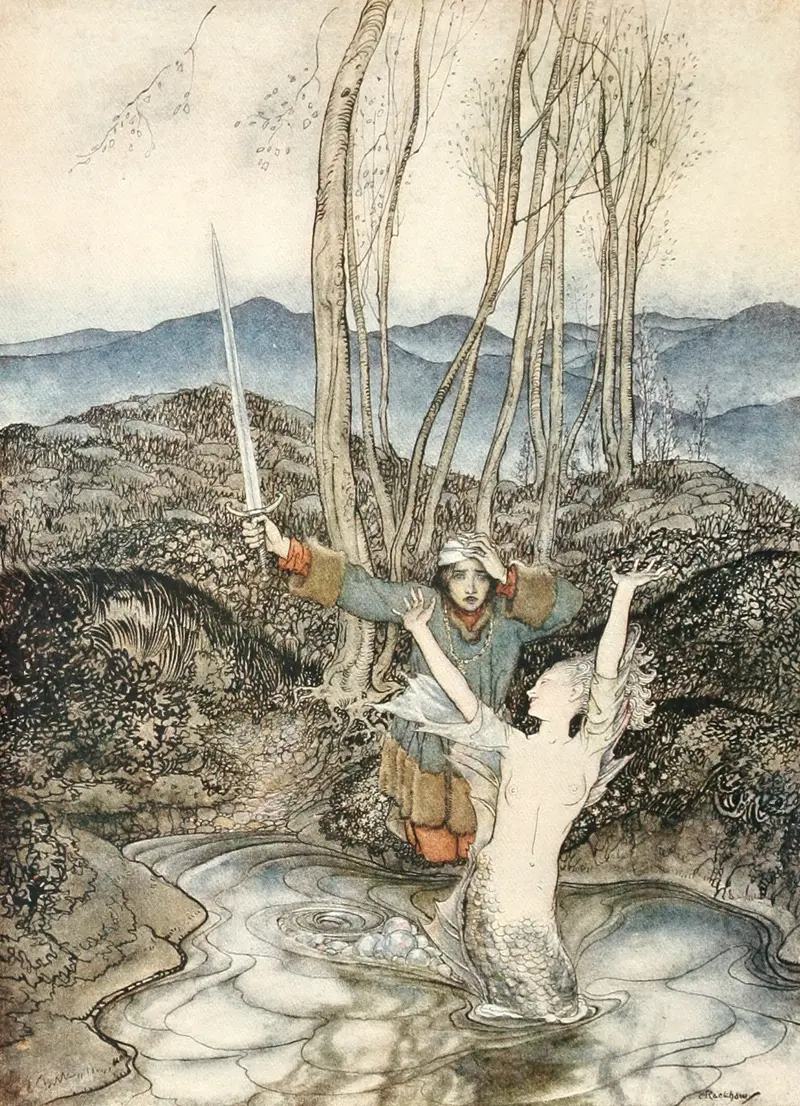
Clerk Colvill and the Mermaid
Arthur Rackham
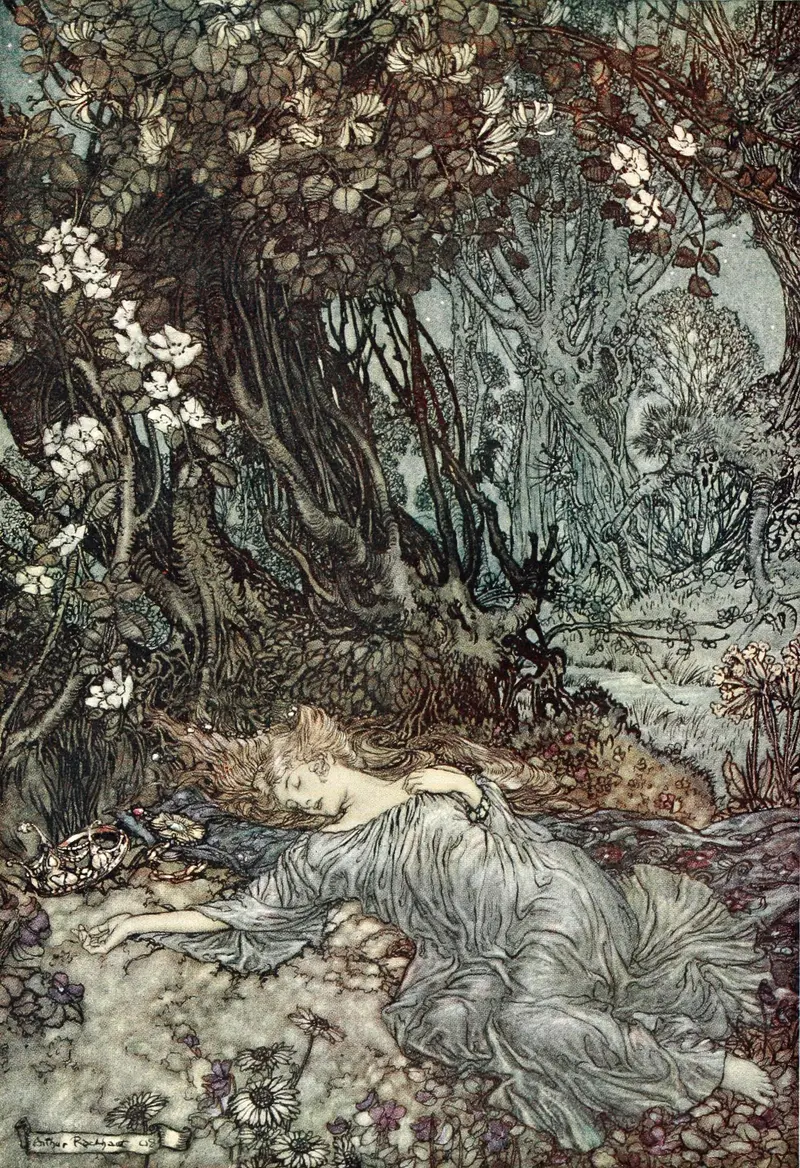
Titania Lying Asleep (A Midsummer Night's Dream)
Arthur Rackham





